Mind Maps for Chemistry in Everyday Life Revision - Class 12, JEE, NEET
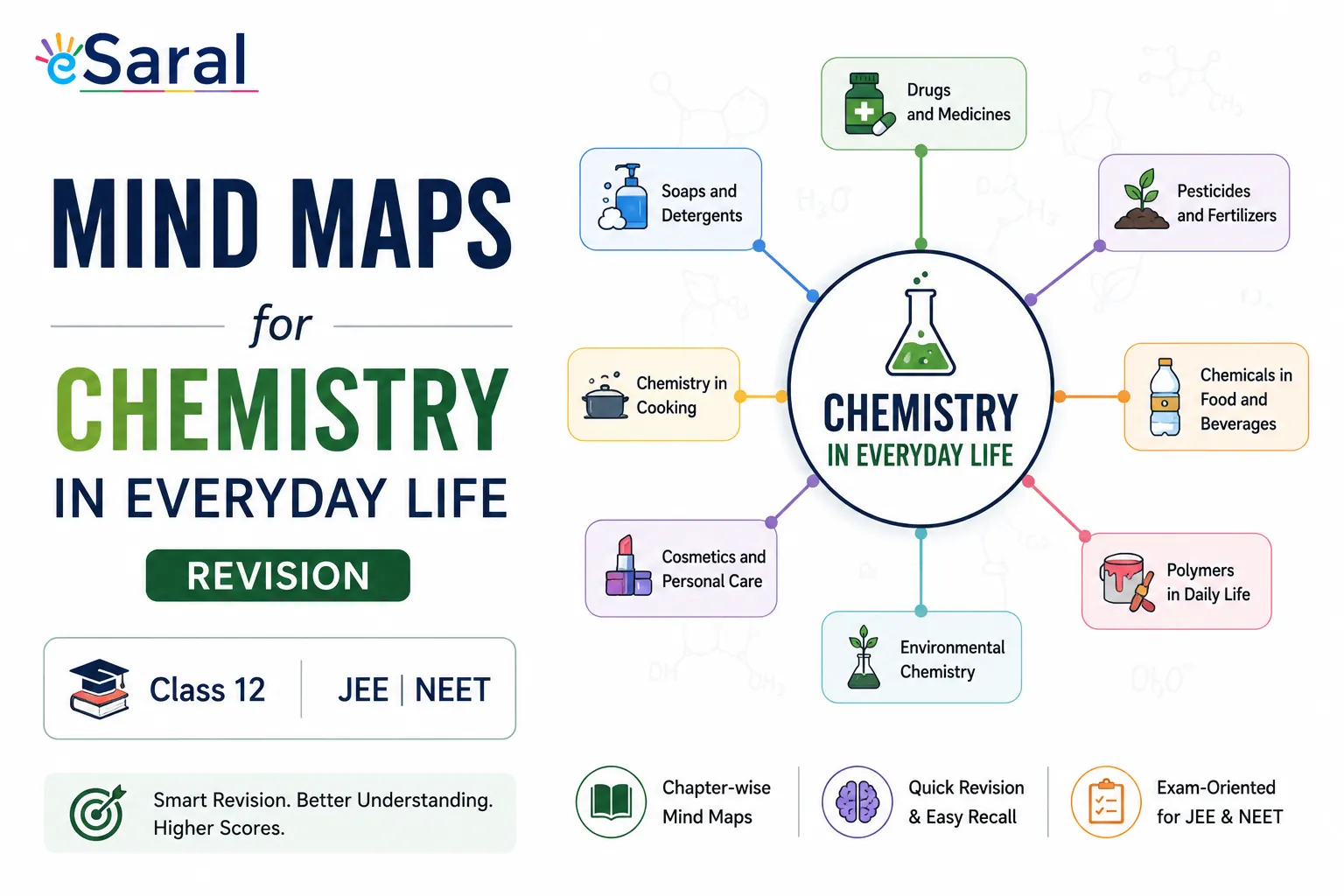
Table of Contents

Home > Mind Maps > Mind Maps for Chemistry in Everyday Life Class 12

Here are the Mind Maps to revise Chemistry in Everyday Life Class 12. Download them and share among your friends too!!
For a quick fact-check on the molecule central to this topic, the chemical formula of glucose page has it in one place.
India's Best Exam Preparation for Class 12th - Download Now
MIND MAP - 1
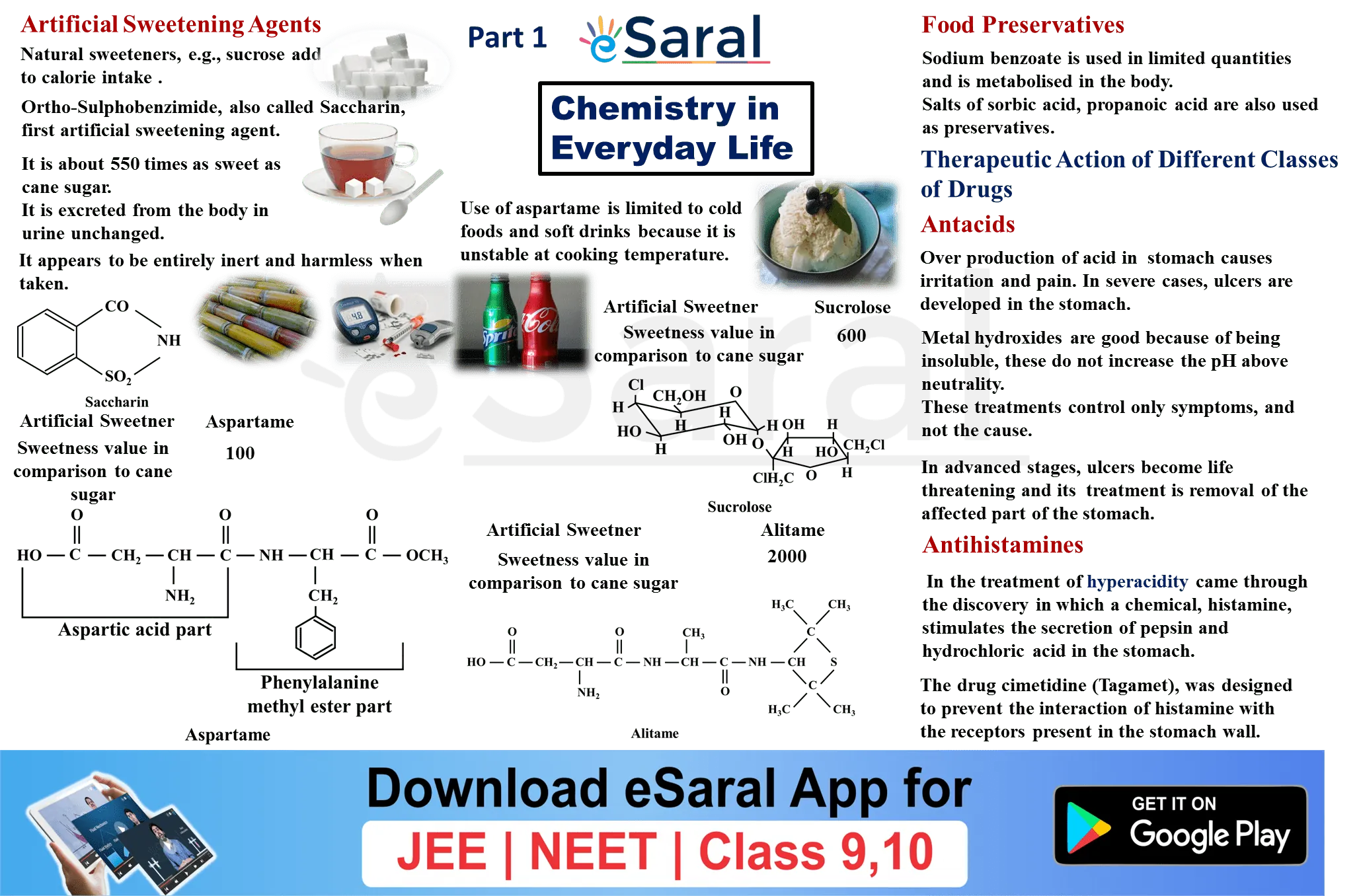
MIND MAP - 2
India's Best Exam Preparation for Class 12th - Download Now
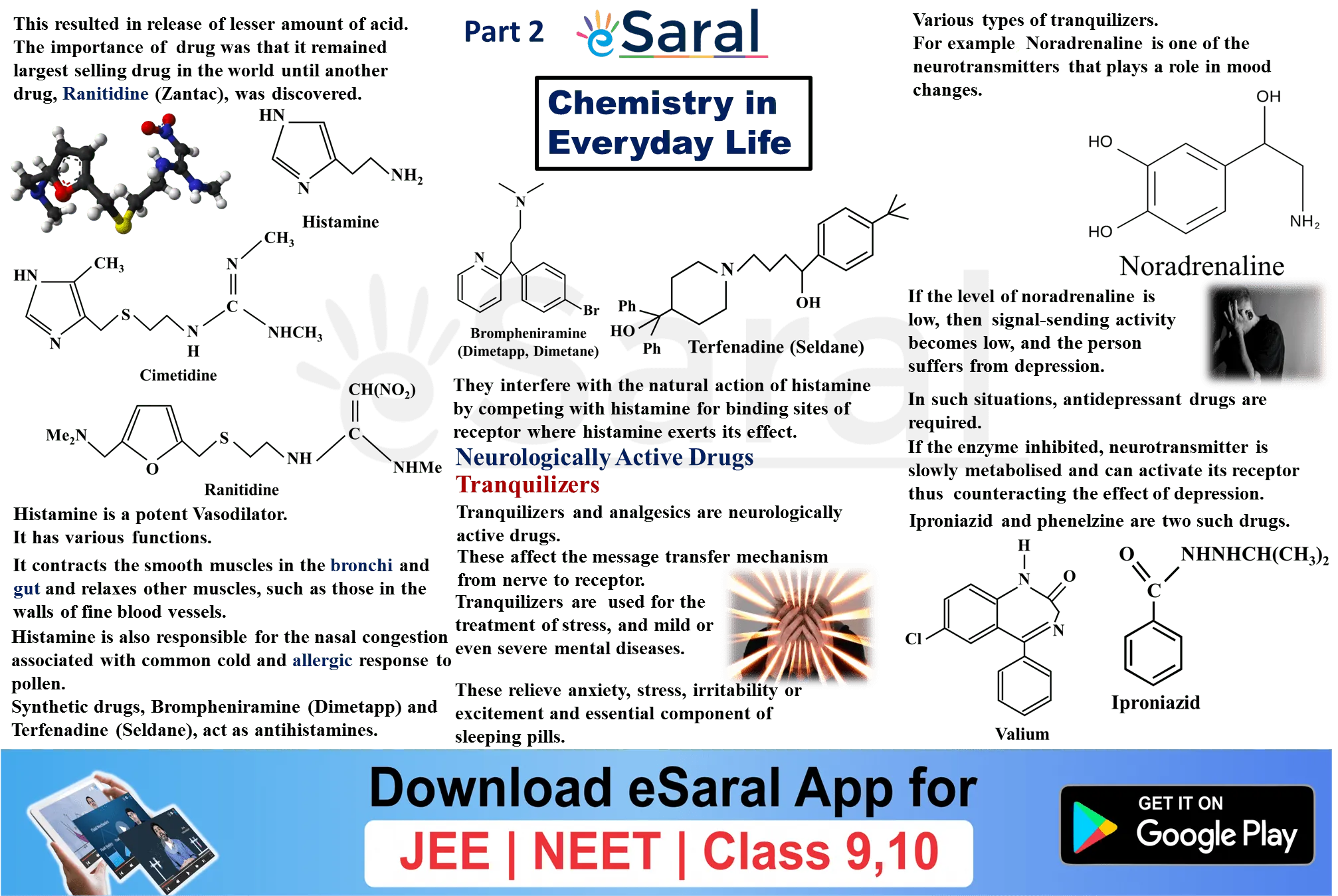
MIND MAP - 3
India's Best Exam Preparation for Class 12th - Download Now
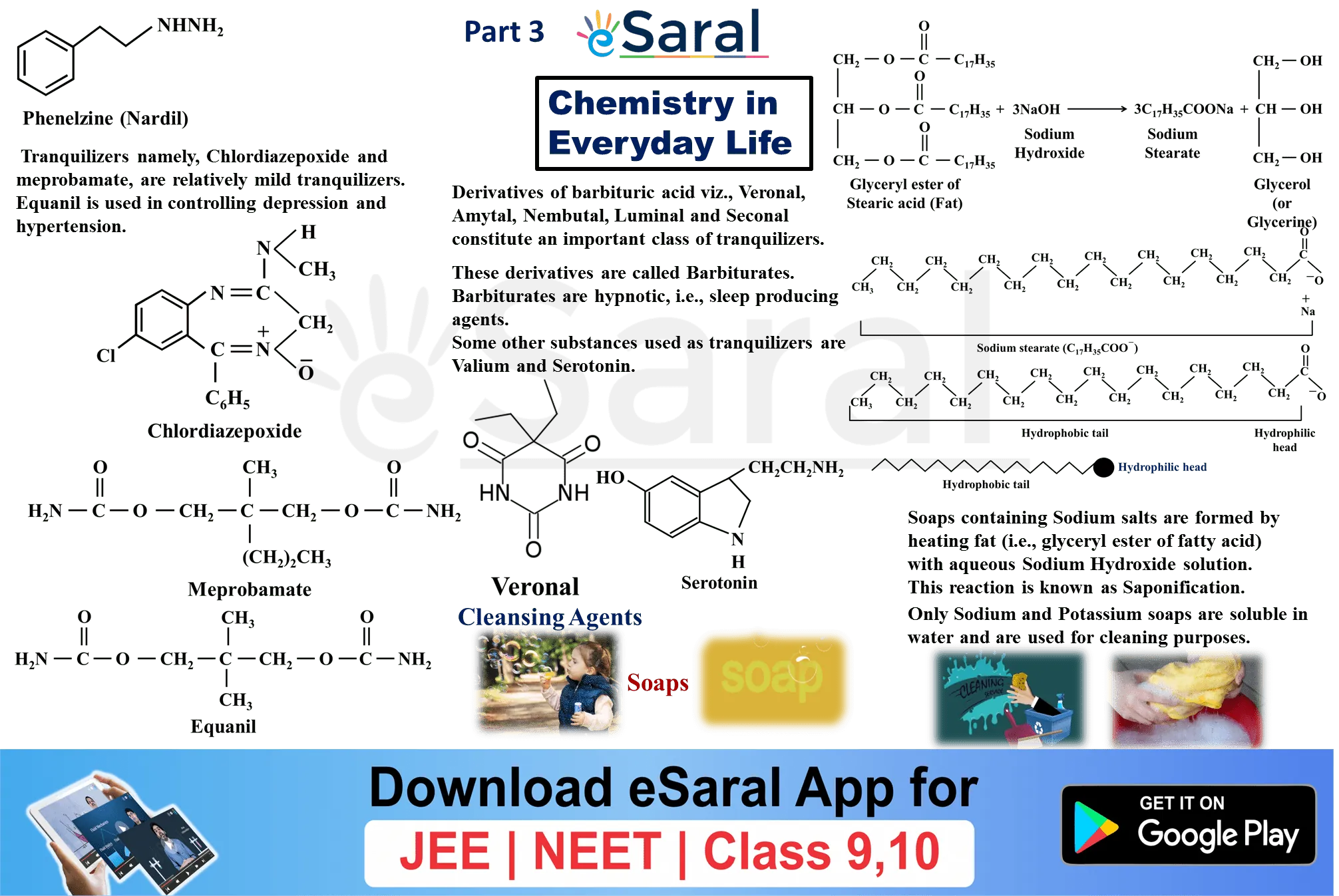
MIND MAP - 4
India's Best Exam Preparation for Class 12th - Download Now
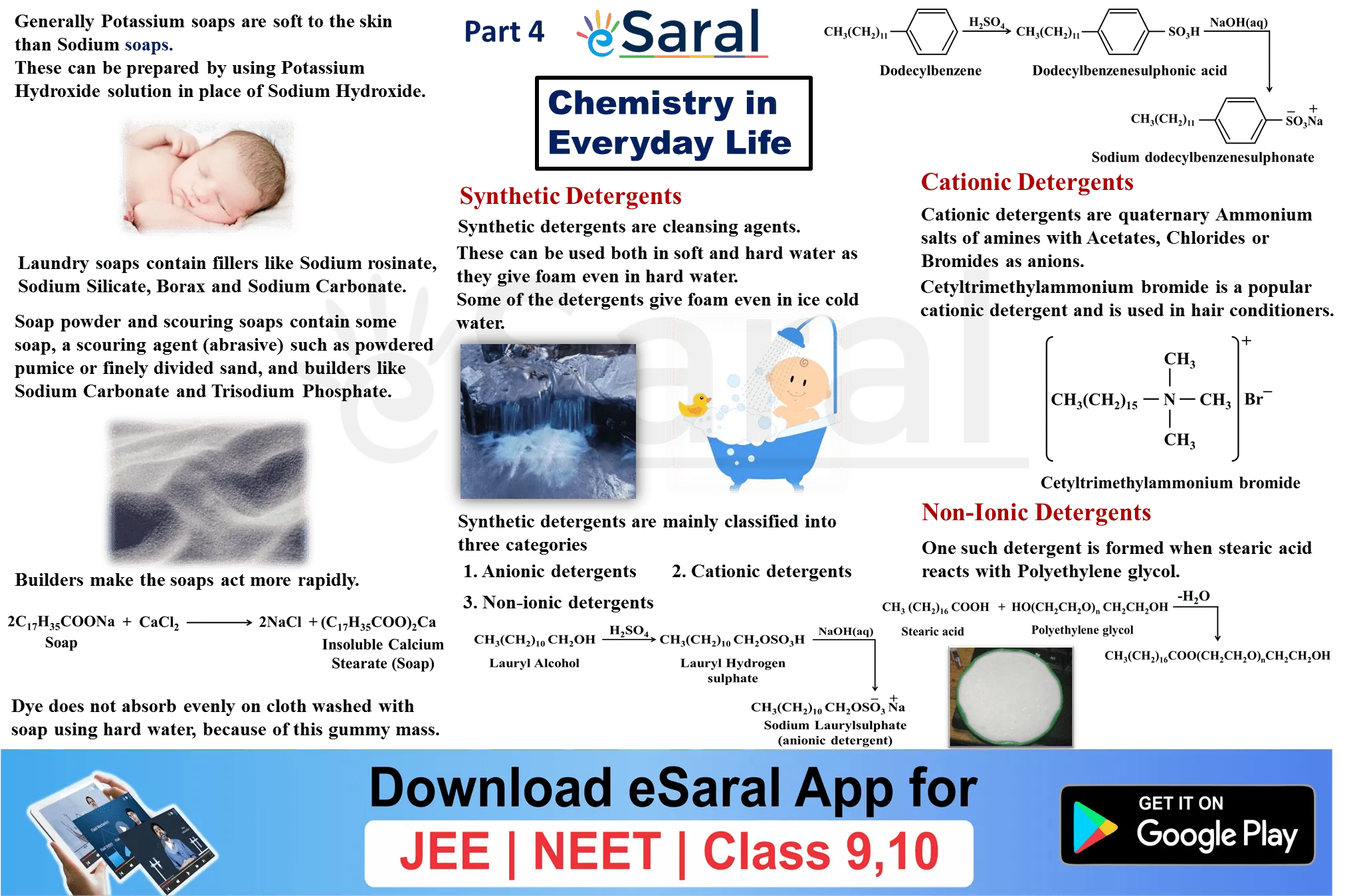
MIND MAP - 5
India's Best Exam Preparation for Class 12th - Download Now
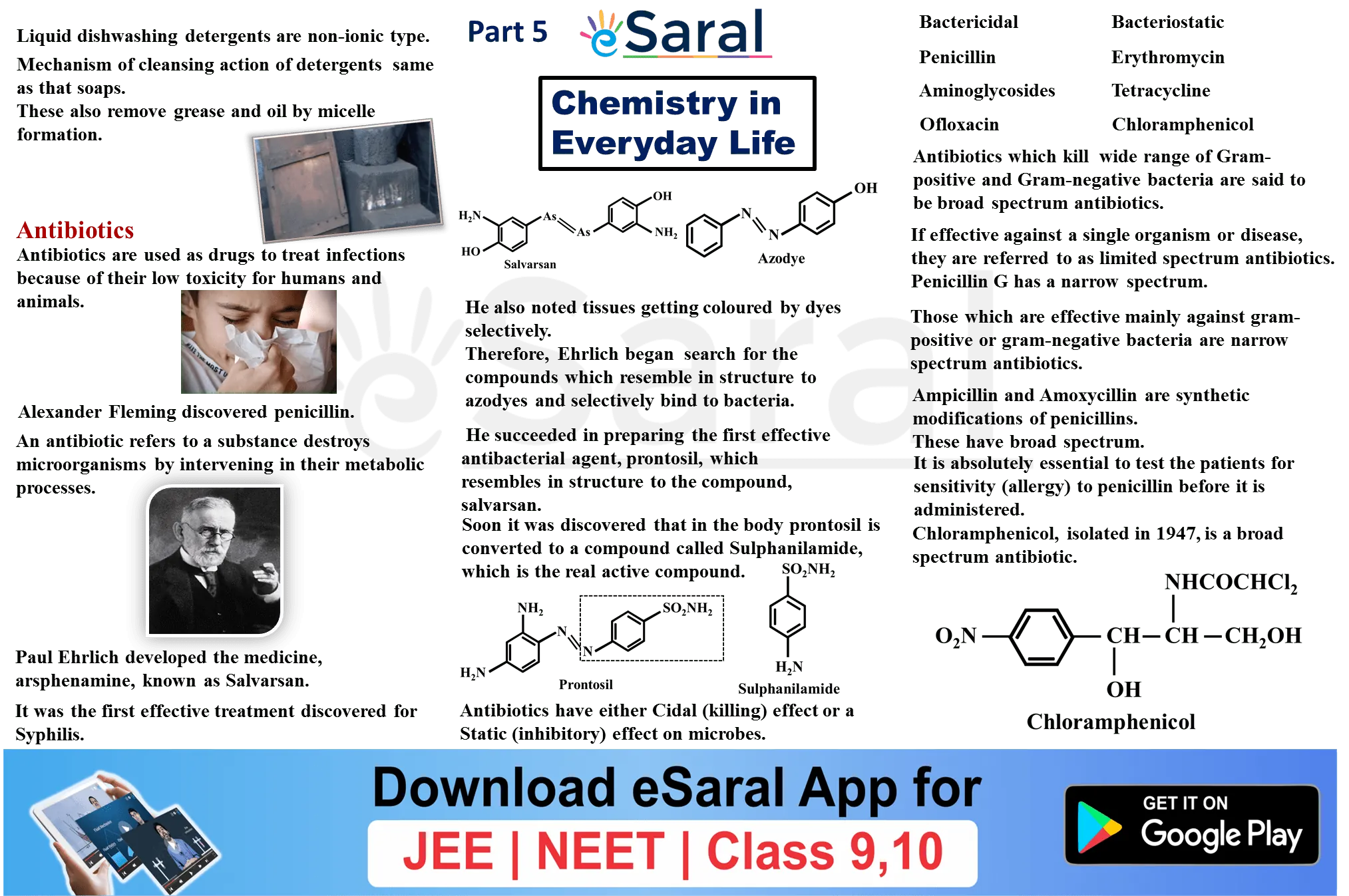
MIND MAP - 6
India's Best Exam Preparation for Class 12th - Download Now
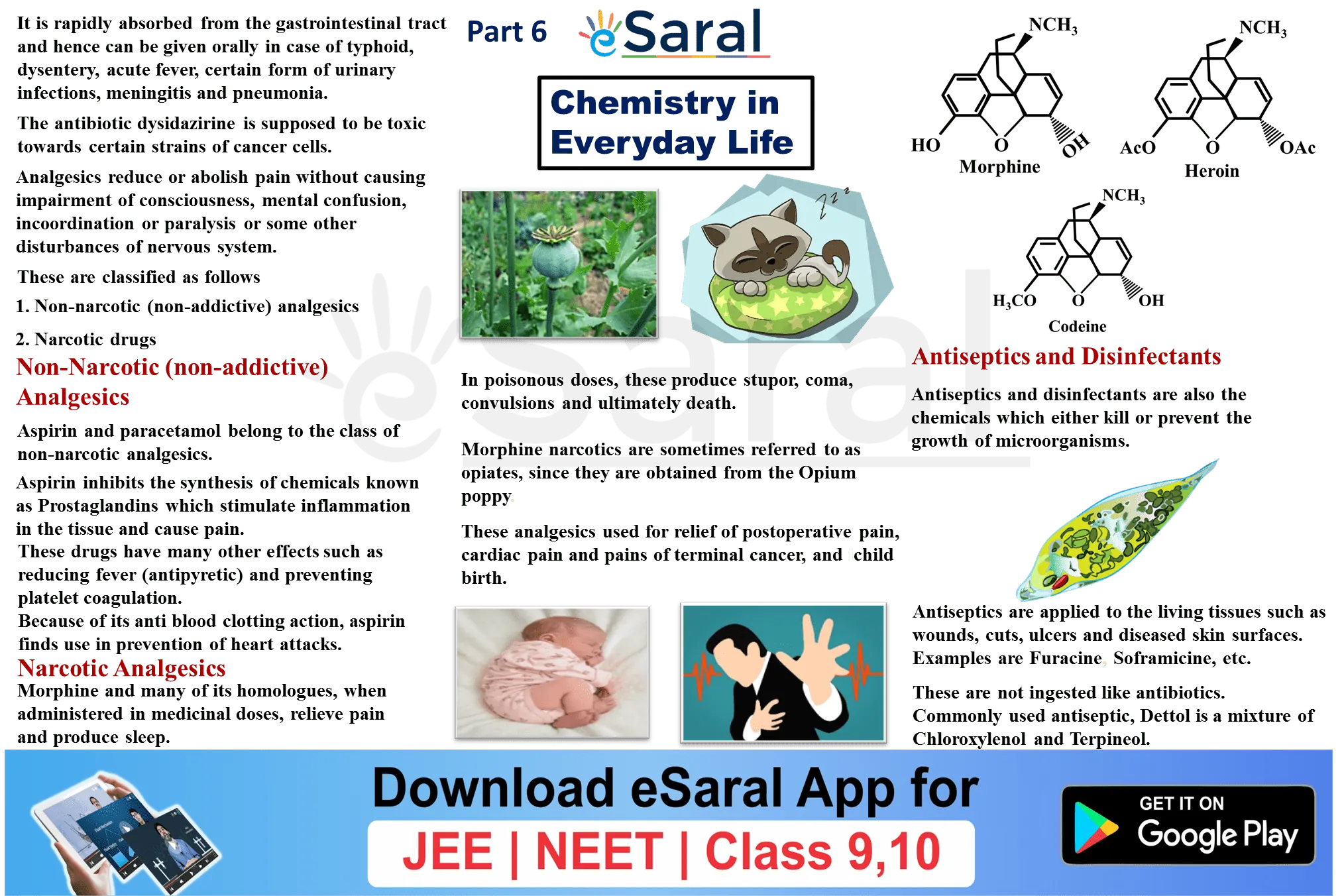
MIND MAP - 7
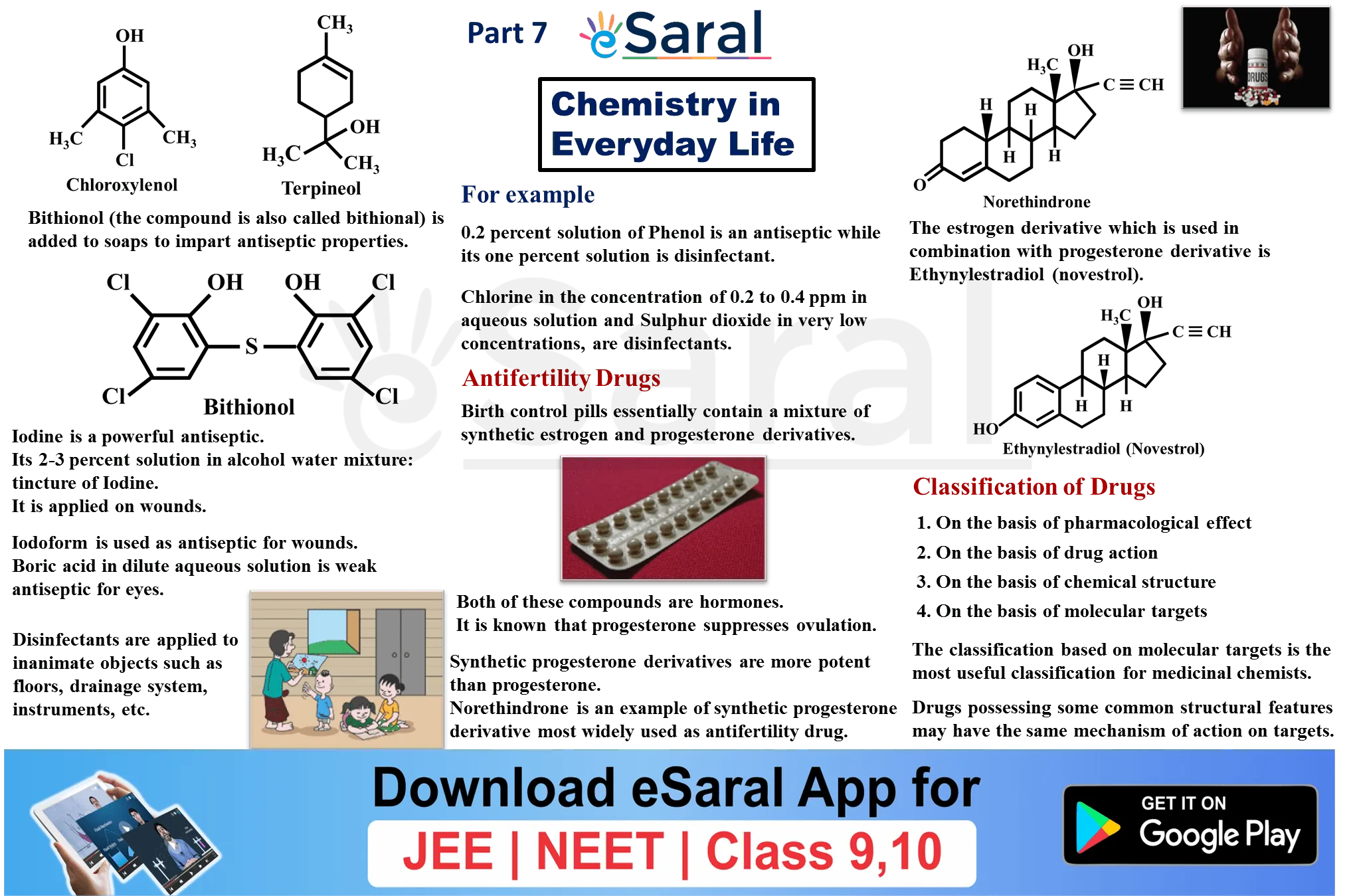
MIND MAP - 8
India's Best Exam Preparation for Class 12th - Download Now
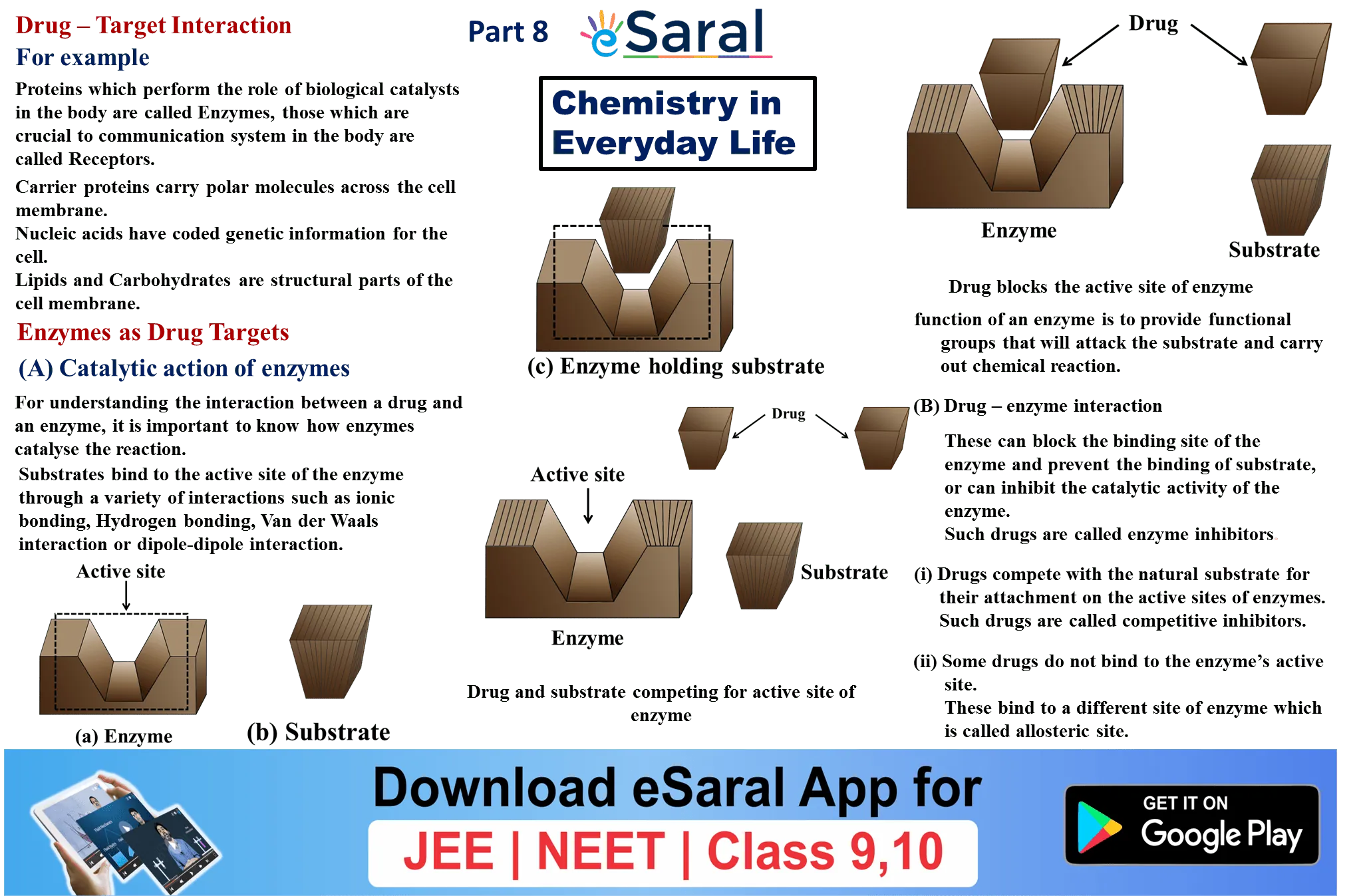
MIND MAP - 9
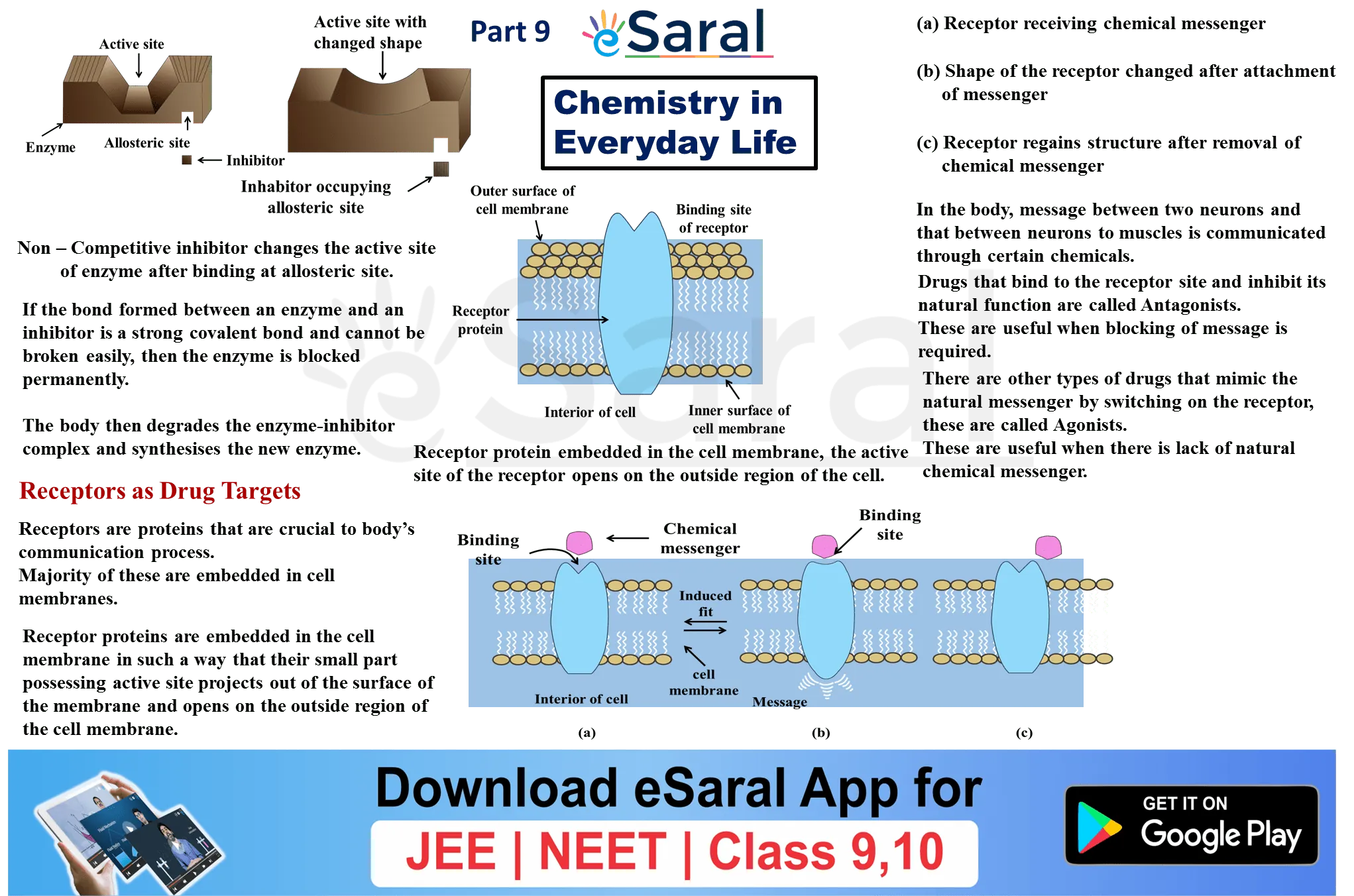
Frequently Asked Questions
Find answers to common questions.
What are the most important topics in Chemistry in Everyday Life for Class 12 board exams?
For Class 12 board exams, the most important topics are: (1) classification of drugs with examples, (2) drug-target interaction (enzyme inhibition and receptor binding), (3) difference between antiseptic and disinfectant, (4) artificial sweeteners with one example each, and (5) the cleansing action of soaps and detergents. These topics collectively cover the majority of 5-mark and 2-mark board questions.
Is Chemistry in Everyday Life important for NEET?
Yes. NEET consistently asks 2 to 3 questions from this chapter, almost entirely factual. Drug names, their classification (analgesic, antibiotic, antiseptic, tranquilizer), and specific examples like penicillin or aspirin are the most common question types. Since NEET Biology is memory-heavy anyway, students who revise this chapter methodically find it an easy source of guaranteed marks.
How many questions come from Chemistry in Everyday Life in JEE Main?
JEE Main typically includes 1 to 2 questions from Chemistry in Everyday Life per paper, worth 4–8 marks. According to NTA's historical paper patterns, the chapter appears more consistently in the January session than the April session. Despite its small weightage, the questions are almost always straightforward, making it one of the highest-return chapters for effort invested.
Where can I find NCERT solutions for Class 12 Chemistry Chapter 16?
You can find detailed, step-by-step NCERT Solutions for Class 12 Chemistry on eSaral, explained by IIT Bombay faculty. The solutions cover all intext and exercise questions from Chapter 16 with clear reasoning, which is useful for understanding why a particular drug belongs to a specific category — not just memorising the fact.
What is the difference between antiseptics and disinfectants?
Antiseptics are chemical agents safe enough to be applied on living tissue (wounds, skin) — for example, Dettol, bithionol, and iodine solution. Disinfectants are used on non-living surfaces like floors and surgical instruments — for example, 1% phenol solution. The same substance can sometimes act as both depending on its concentration; phenol at 0.2% is an antiseptic, at 1% it is a disinfectant.
Can I complete Chemistry in Everyday Life revision in one day?
Yes, this is one of the few Class 12 Chemistry chapters where one-day revision is genuinely achievable. The chapter contains no complex calculations or derivations. Using these 9 mind maps with the 5-step strategy outlined above, most students can achieve a solid revision in 2–3 focused hours. Follow it up with 20–30 previous year questions to consolidate memory.