NCERT Solutions for Class 10 Science Chapter 6: Life Processes eSaral
Table of Contents

Home > NCERT Solutions > Class 10 Science Chapter 6 – Life Processes

Class 10 Science Chapter 6, "Life Processes," is part of the Biology unit in the NCERT Science textbook prescribed by CBSE. It explains the fundamental biological processes that all living organisms carry out to sustain life: nutrition, respiration, transportation, and excretion.
This chapter carries significant weight in CBSE board exams, with questions appearing across MCQ, short-answer, and long-answer formats. Understanding it well also builds a foundation for Class 11 and 12 Biology, making it essential for students planning to appear for NEET.
The NCERT Solutions for this chapter, prepared by experienced Kota faculty trained under IIT Bombay mentors (AIR-41), break down every exercise question into simple, step-by-step answers — so students can practise effectively without confusion.
Do not skip the in-text questions in the NCERT. CBSE board exams frequently pick questions directly from these in-text segments — not just the end-of-chapter exercises. Solve all of them before moving to additional practice questions.
Download The PDF of NCERT Solutions for Class 10 Science Chapter 6 "Life Process"
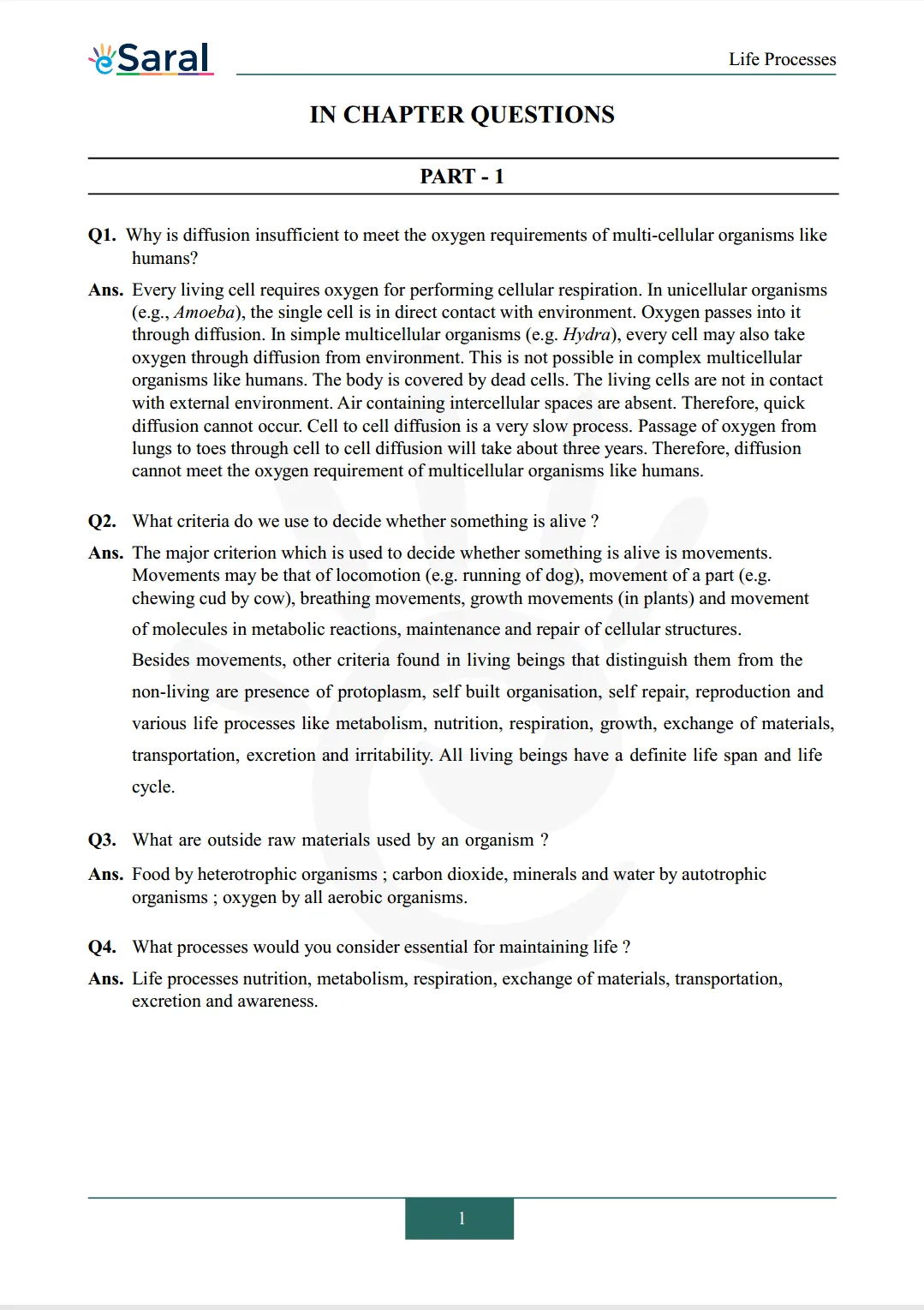
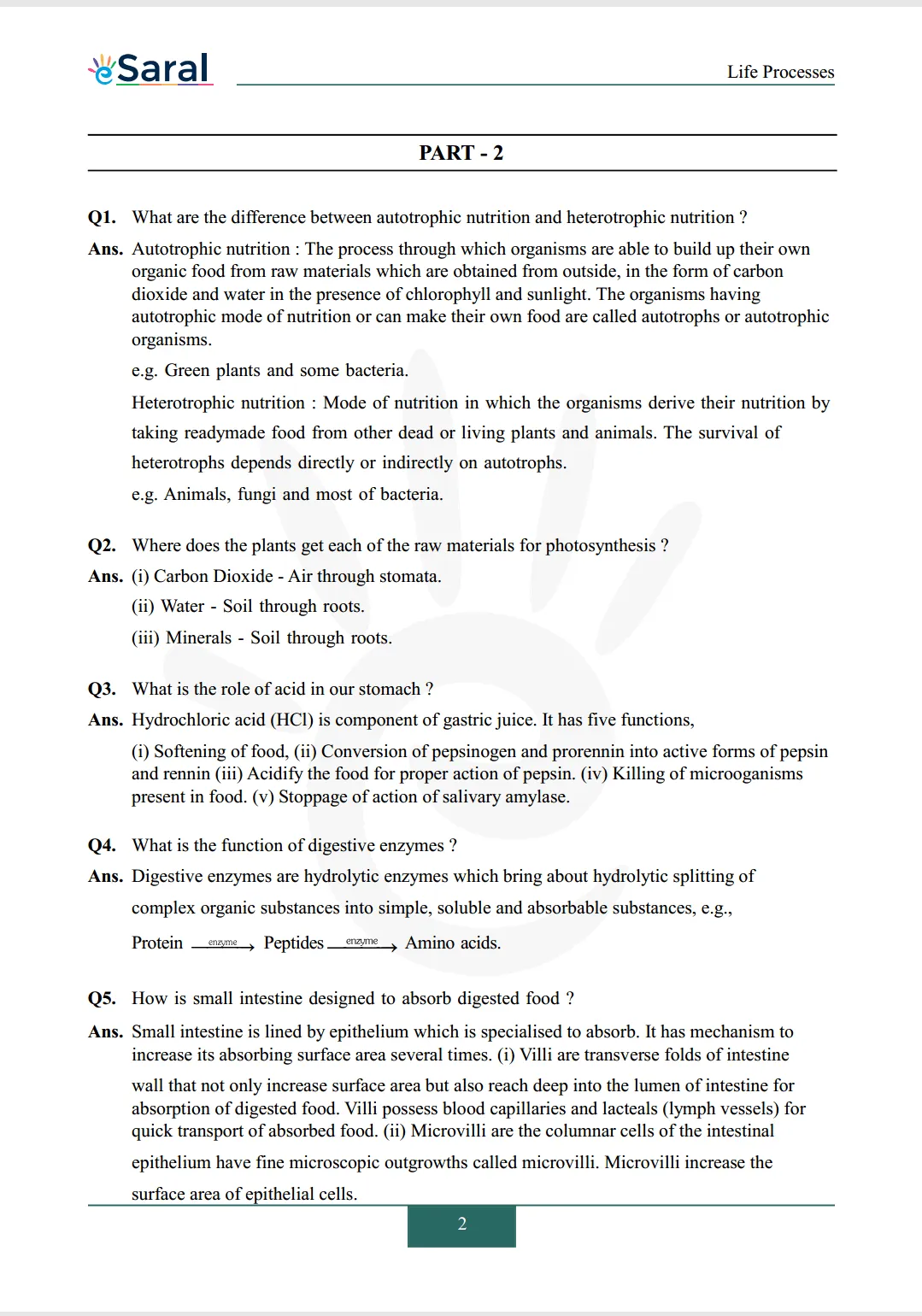
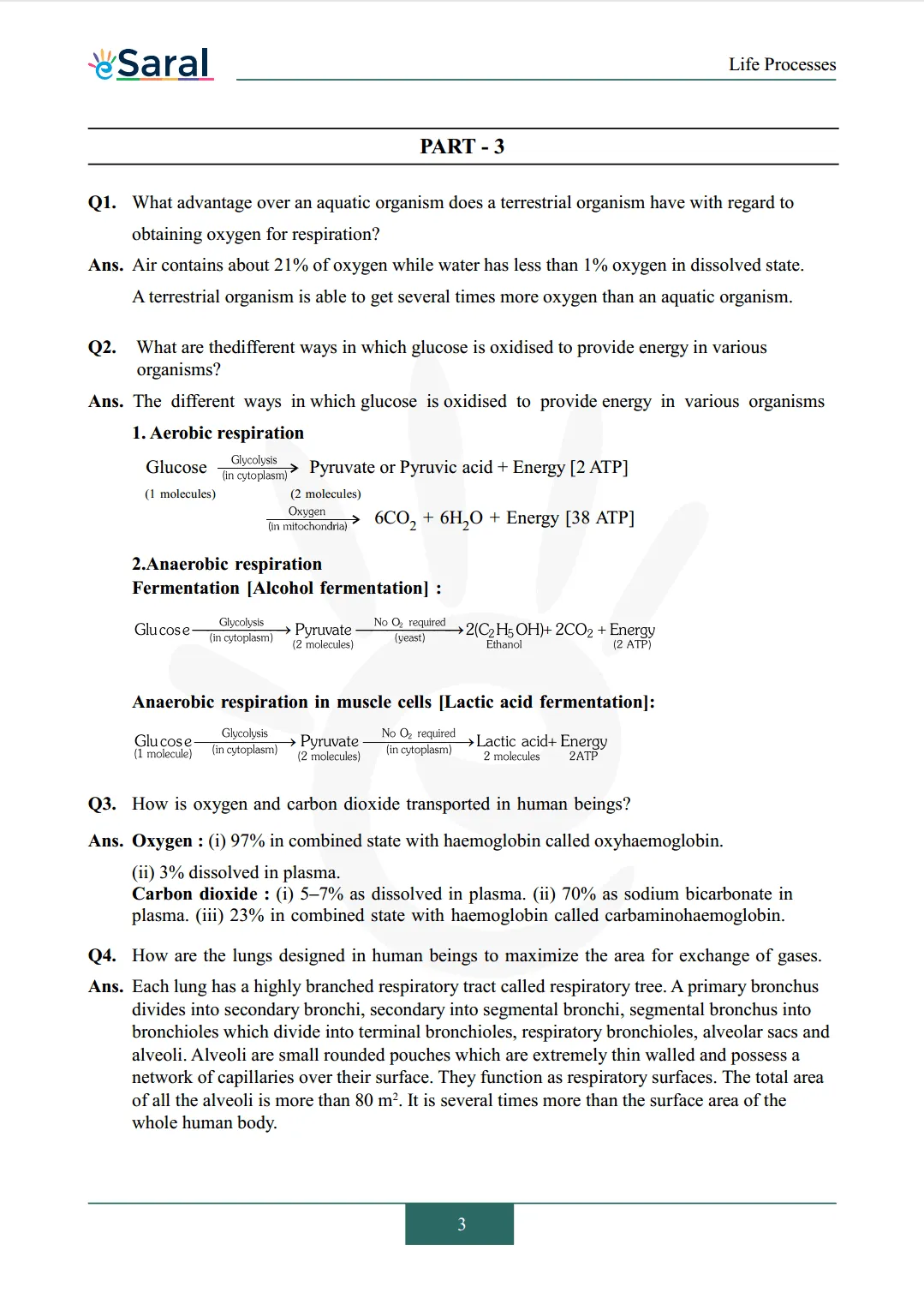
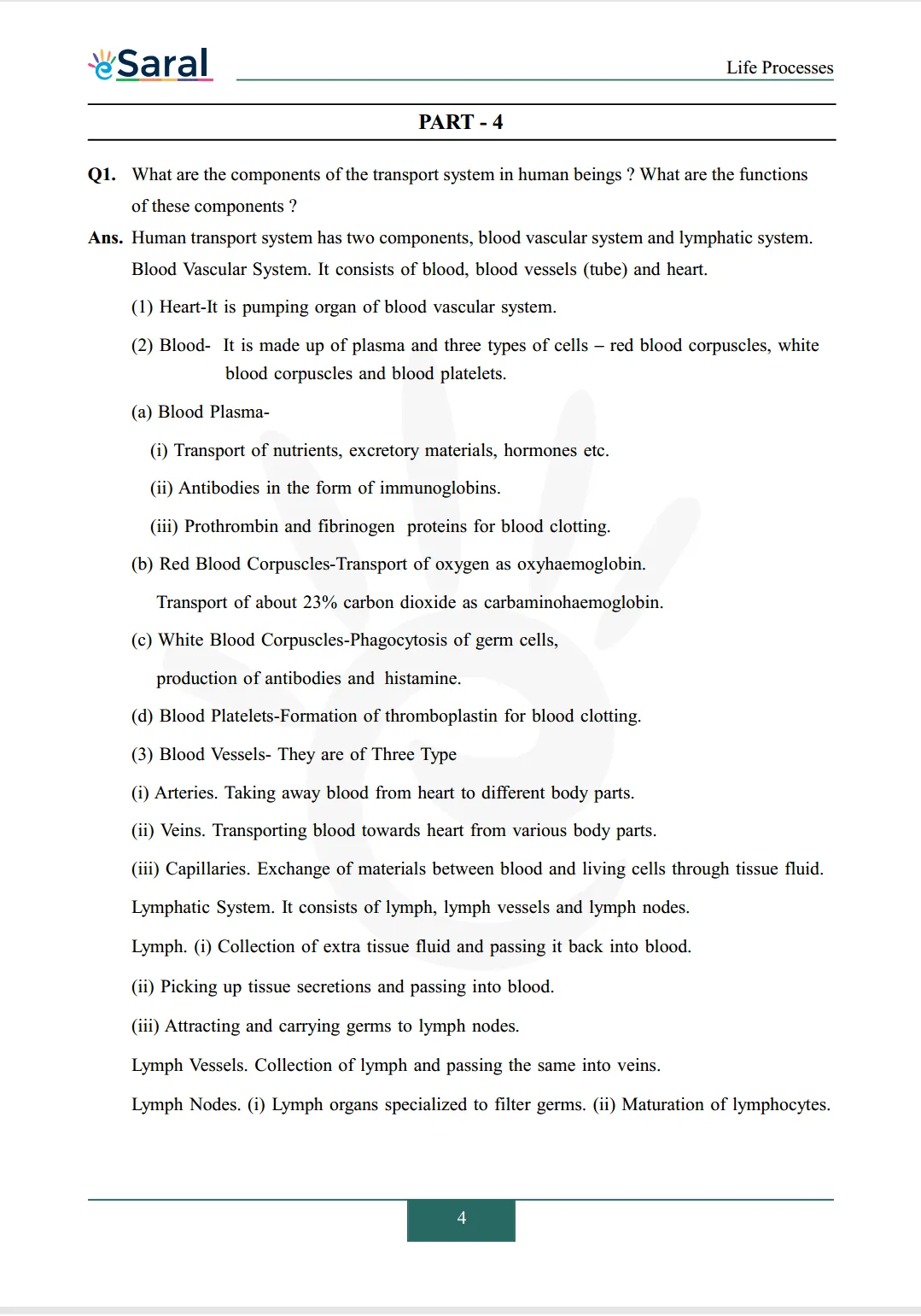
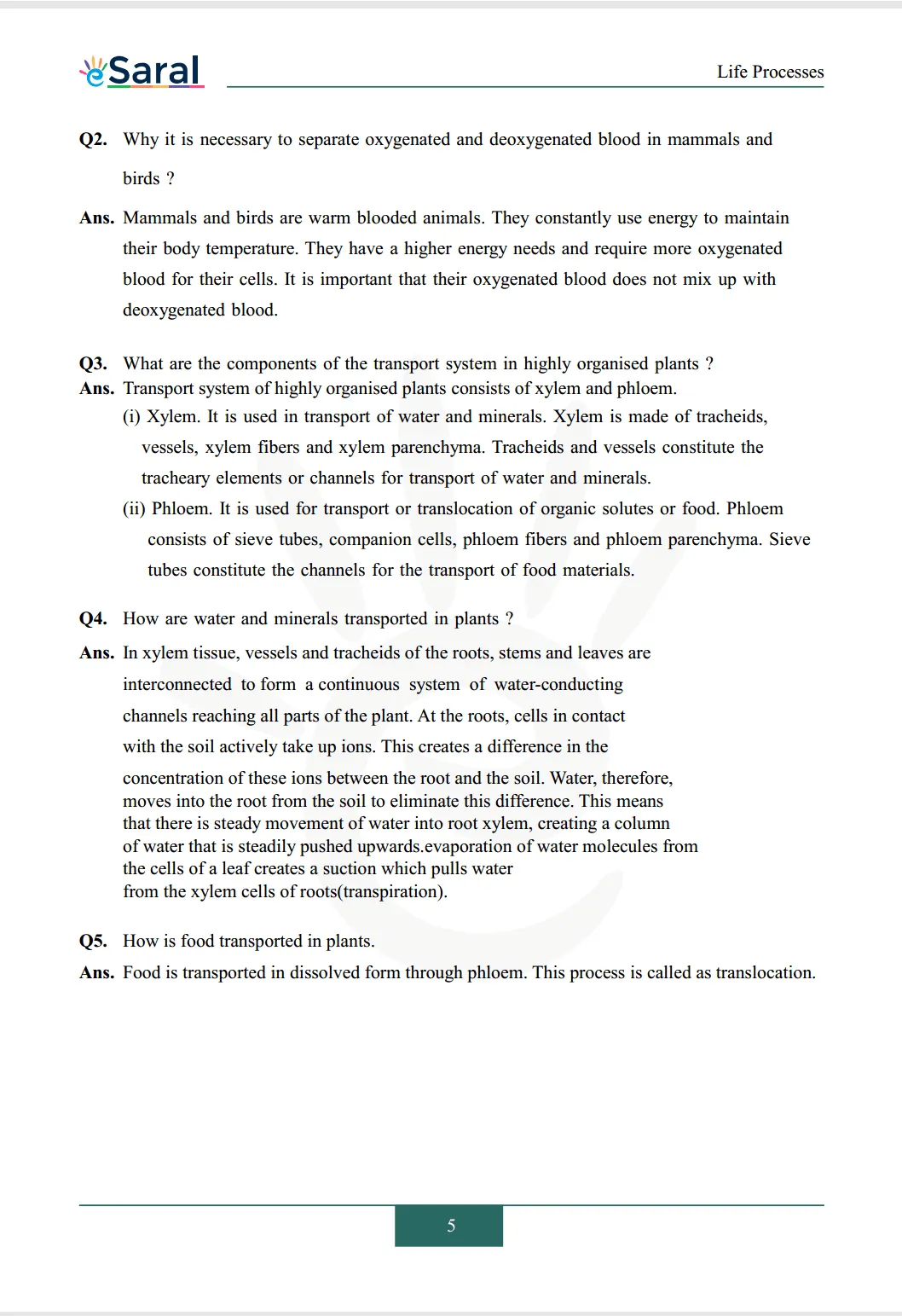
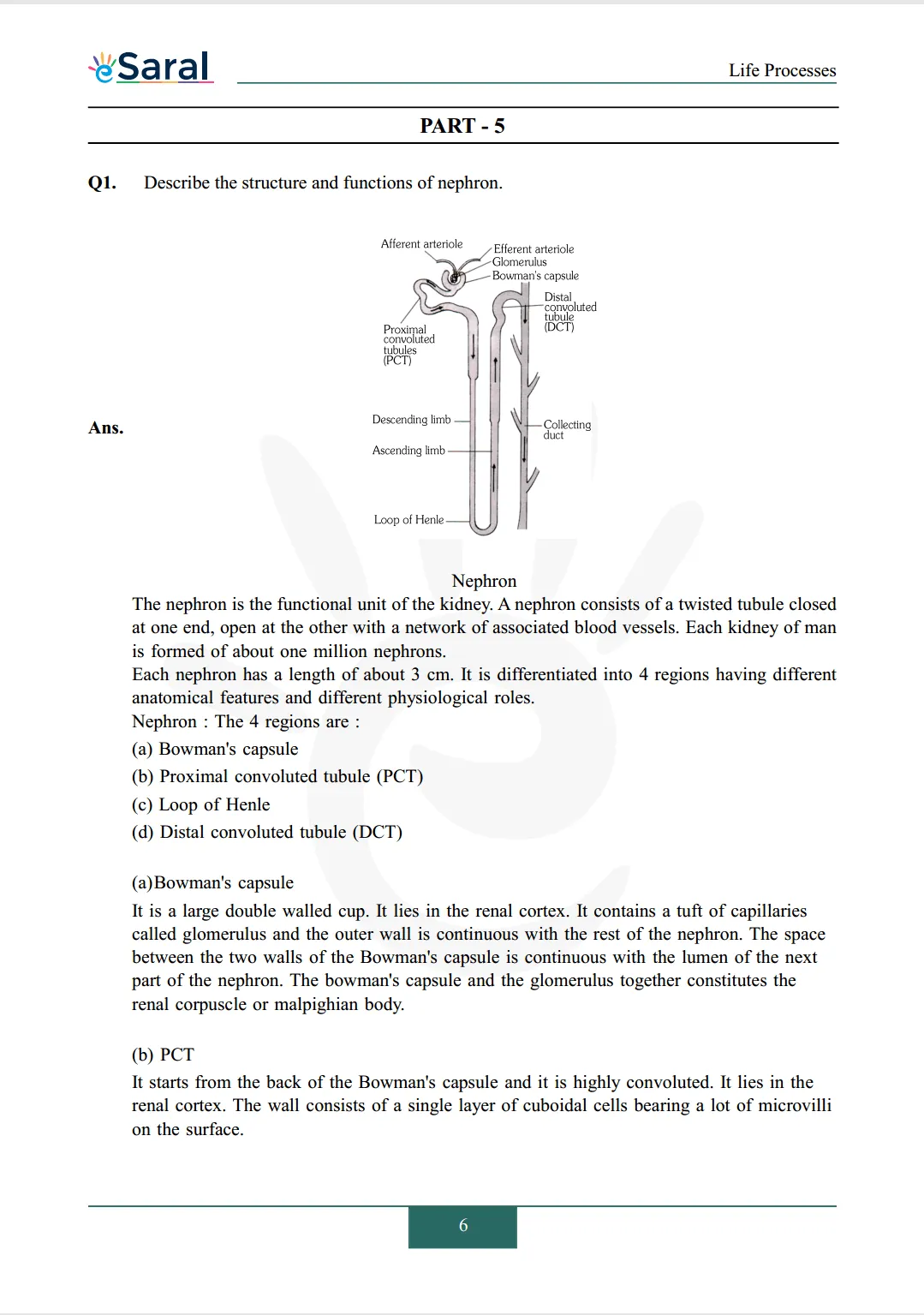
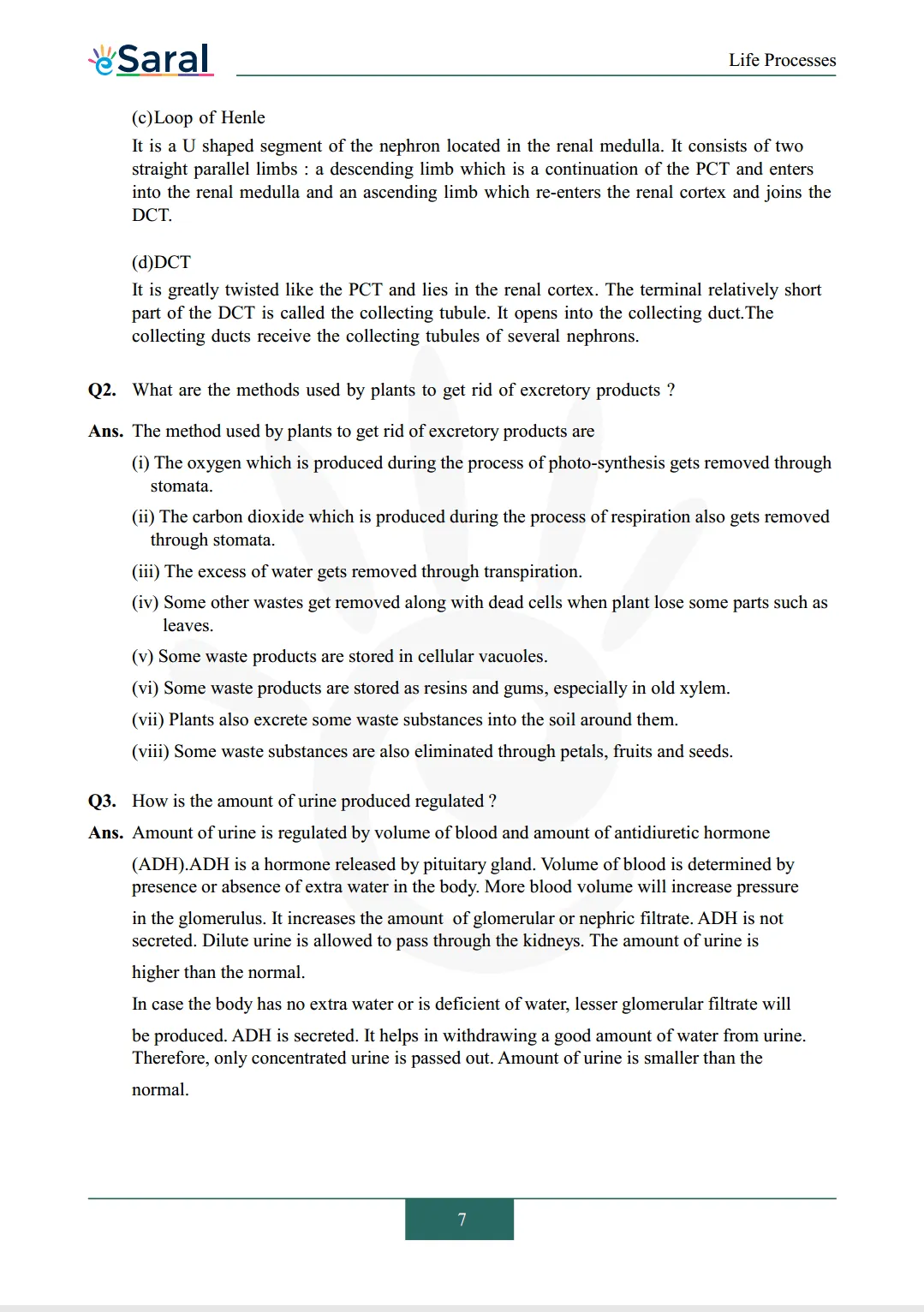
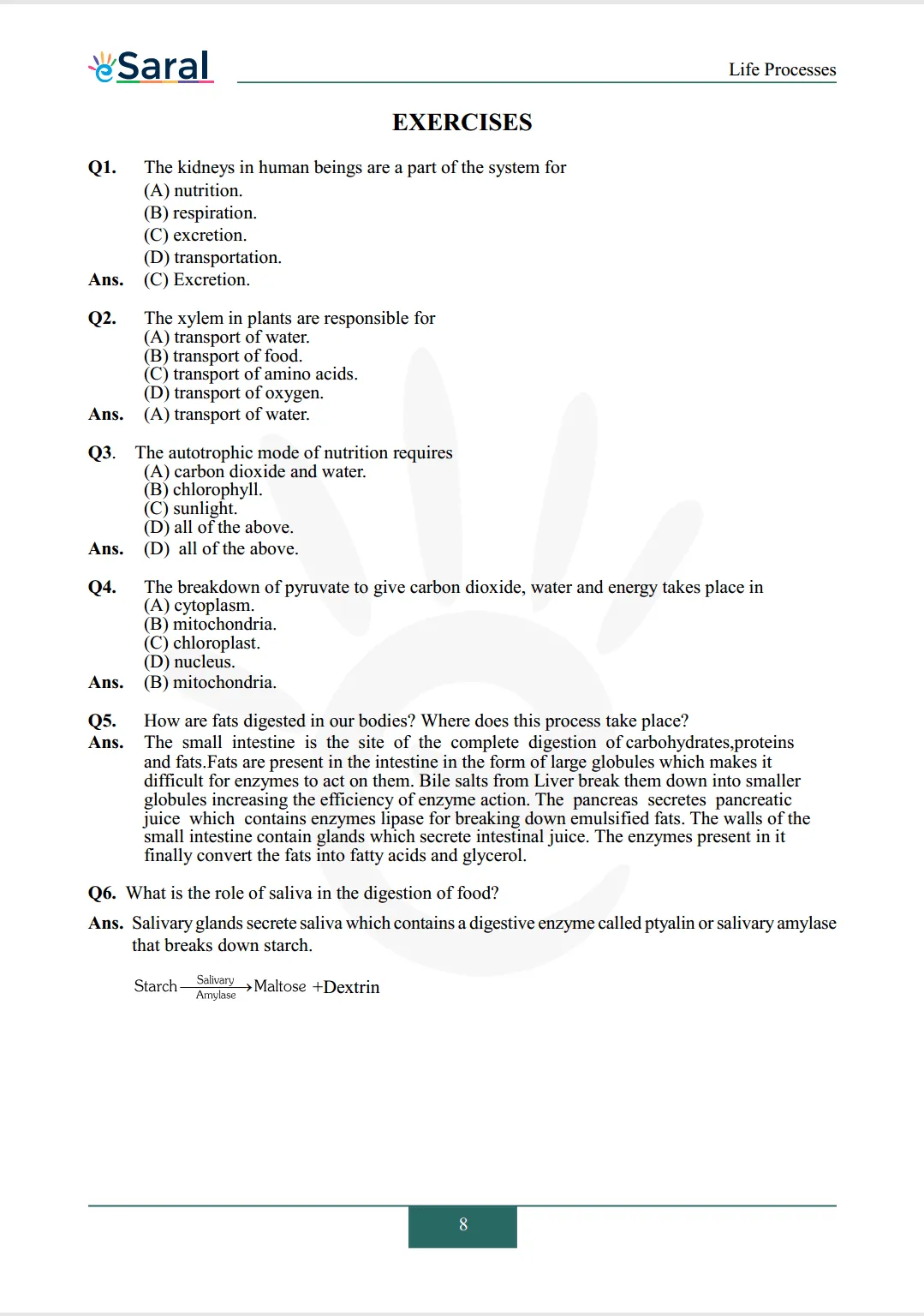
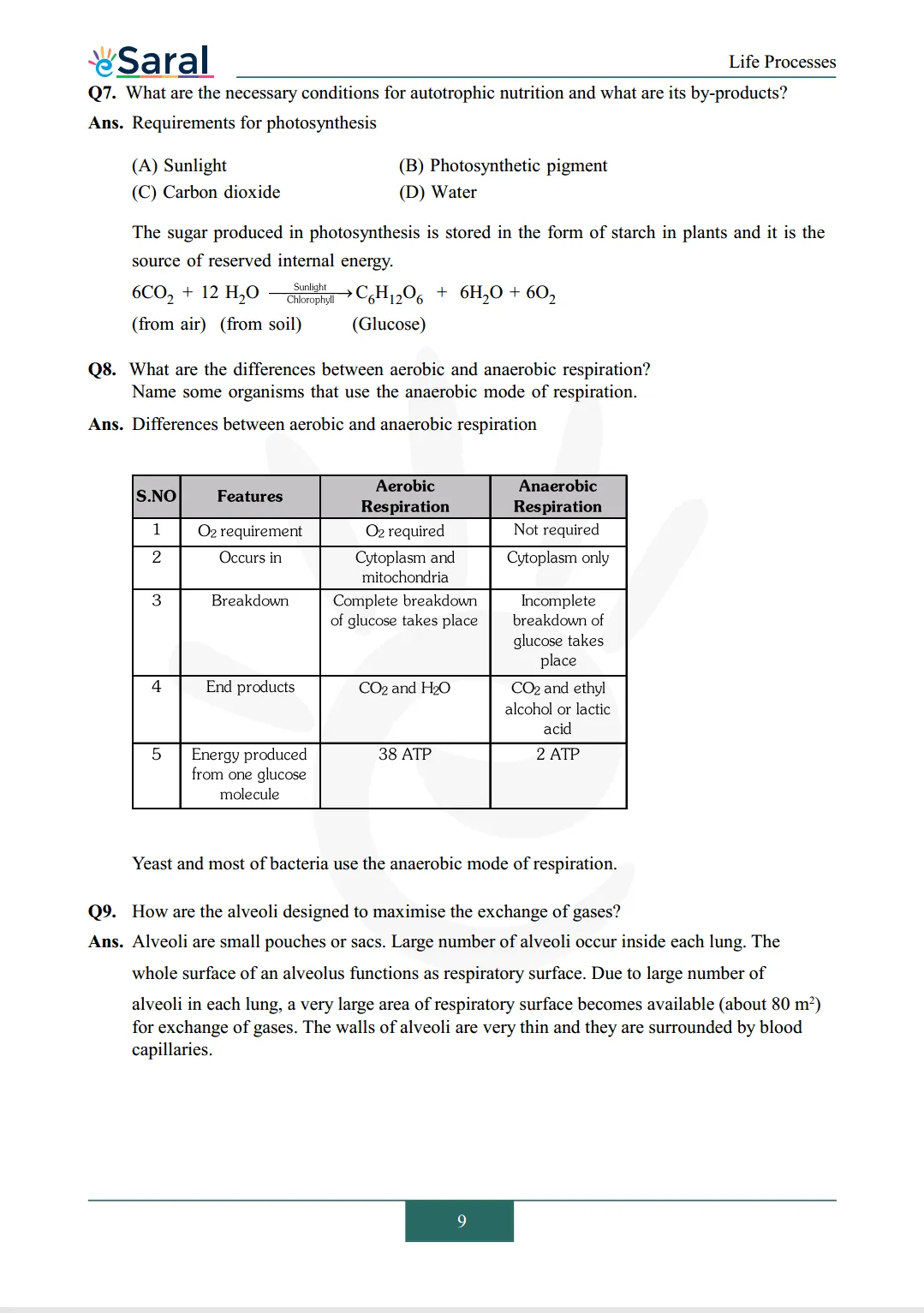
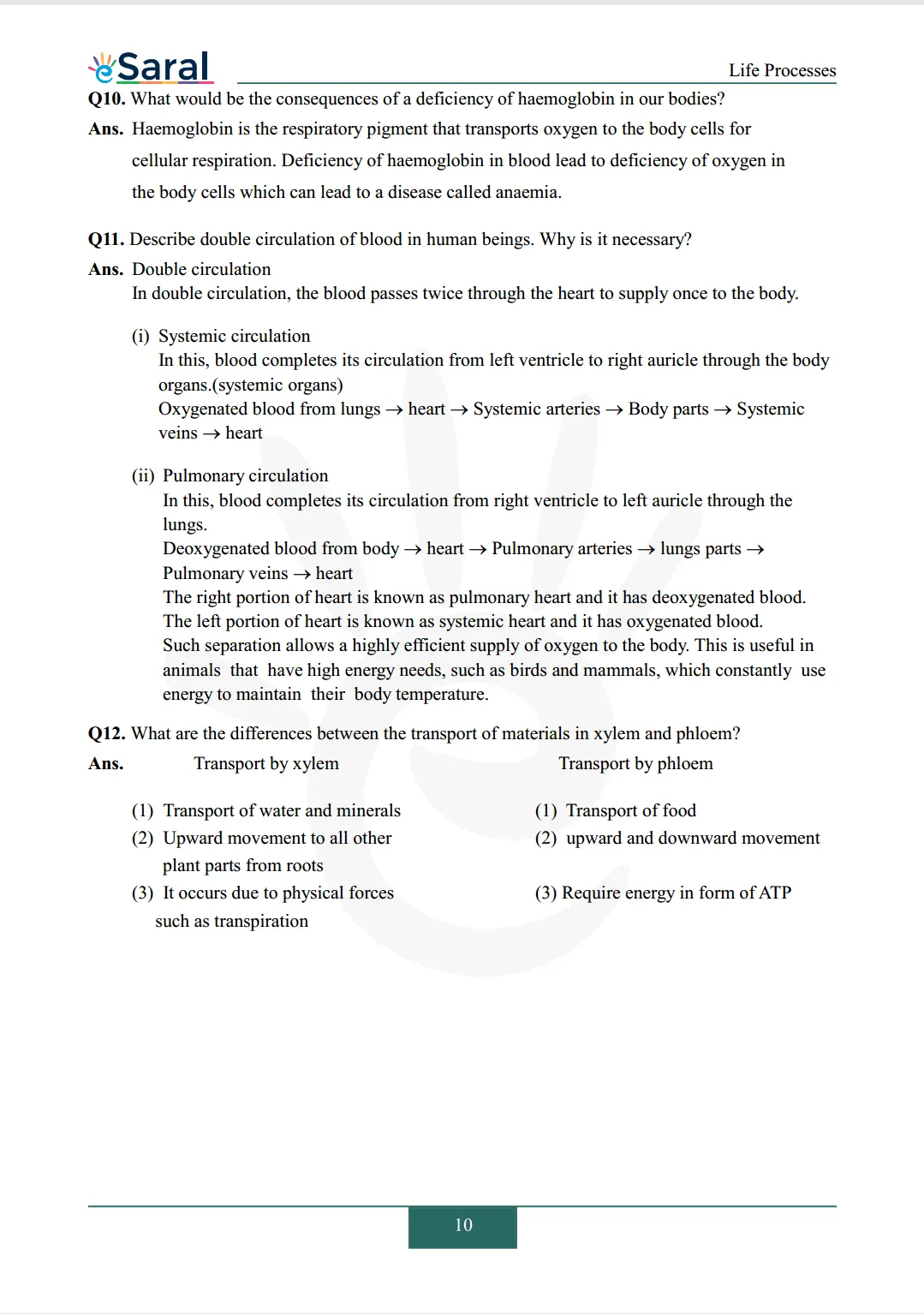
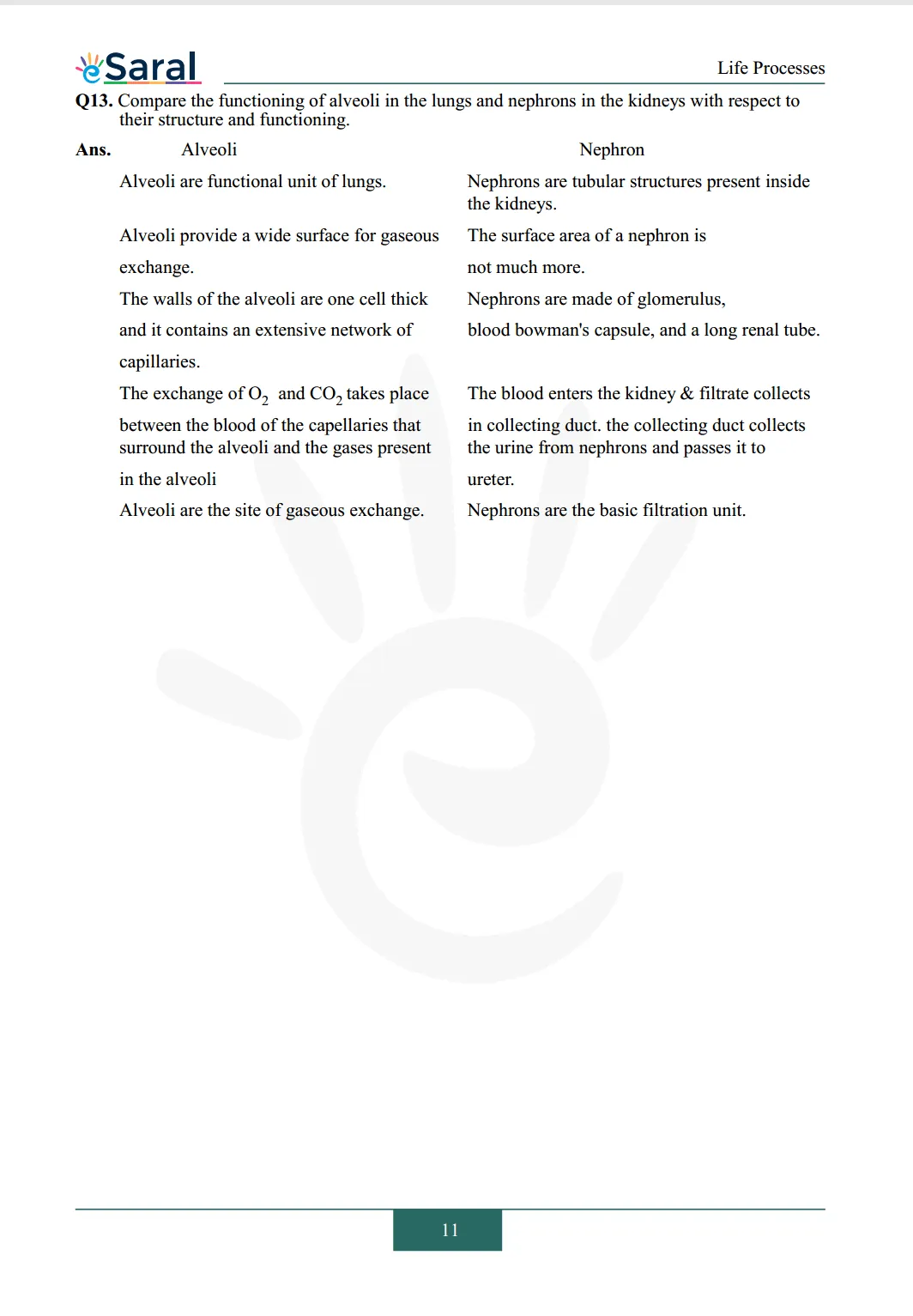
Download The PDF of NCERT Solutions for Class 10 Science Chapter 6 "Life Process"
Important topics of class 10 Science Chapter 6
- Life Processes
- What Are Life Processes?
- Respiration
- Transportation
- Nutrition
- Excretion
Exam Strategy: Which Question Types Come from Each Topic?
Use this table to prioritise your revision based on CBSE board exam patterns:
| Topic | MCQ (1 Mark) | Short Answer (2–3 Marks) | Long Answer (5 Marks) | Diagram Questions |
|---|---|---|---|---|
| Nutrition | Yes | Yes | Yes | Human Digestive System |
| Respiration | Yes | Yes | Yes | Aerobic vs Anaerobic Comparison |
| Transportation | Yes | Yes | Yes | Heart Diagram, Xylem and Phloem |
| Excretion | Yes | Yes | Yes | Nephron Structure |
Preparation Strategy
Download the NCERT Solutions PDF for class 10 science from this page and solve all questions without looking at the answers first. Once you have completed them, compare your responses with the model solutions and identify areas that need improvement.
Students in eSaral's Class 10 batches who follow this approach, supported by a structured doubt-solving system, often report significant improvements in their Science scores within a few weeks of consistent practice.
Additional Resources
For solutions to other NCERT subjects that complement your Class 10 preparation, explore NCERT Solutions for Class 12 Physics and NCERT Solutions for Class 11 Physics as you progress to higher classes.
So, that’s all from this article. I hope you enjoyed this post. If you found this article helpful, then please share it with other students.
Also Read,
Watch Class 10 Biology Quick Revision Videos.
Download Class 10 Biology Book
Download Class 10 Biology Exemplar
If you have any Confusion related to the NCERT Solutions for Class 10 Science chapter 6, then feel free to ask in the comments section down below.
To watch Free Learning Videos on Class 10 by Kota’s top Faculties, install the eSaral App
Frequently Asked Questions
Find answers to common questions.
What is the difference between respiration and breathing?
Breathing is a physical process — the mechanical movement of air into and out of the lungs (inhalation and exhalation). Respiration is a biochemical process — the breakdown of glucose inside cells to release energy (ATP). Respiration occurs at the cellular level in mitochondria; breathing simply supplies the oxygen needed for aerobic respiration to take place.
Is Chapter 6 important for CBSE board exams?
Yes, Chapter 6 — Life Processes is one of the most important chapters in Class 10 Science for CBSE board exams. It typically contributes 8–10 marks across MCQs, short-answer, long-answer, and diagram-based questions. Concepts from this chapter also form the foundation for Class 11 and 12 Biology, making it critical for NEET aspirants
How many questions are in the NCERT exercise for Class 10 Science Chapter 6?
The NCERT exercise for Chapter 6 — Life Processes contains in-text questions (spread across the chapter) and end-of-chapter exercise questions. There are approximately 13 end-of-chapter questions and several in-text questions. The eSaral PDF solution covers every single one with step-by-step, examiner-approved answers.
What are life processes in Class 10 Science Chapter 6?
Life processes are the essential biological functions that all living organisms perform to survive and maintain themselves. In Class 10 NCERT, four main life processes are covered: nutrition (obtaining and using food), respiration (releasing energy from food), transportation (moving substances within the body), and excretion (removing waste products). These processes work together to keep organisms alive.
Can I use these NCERT Solutions for Class 10 Science Chapter 6 for NEET preparation?
Yes, but as a starting point only. NCERT Chapter 6 covers the foundational biology concepts tested in NEET — nutrition, respiration, transport, and excretion. For NEET, you will need to go beyond NCERT and study advanced details like the biochemistry of photosynthesis (Calvin cycle), detailed kidney physiology, and cardiac cycles. eSaral's NEET Biology modules, taught by doctors from Kota, extend these concepts with exam-level depth.
What is the role of the nephron in excretion?
The nephron is the functional unit of the kidney. It filters waste from the blood in three steps: filtration (blood is filtered in the glomerulus), reabsorption (useful substances like glucose, amino acids, and water return to the blood), and secretion (remaining waste forms urine). Each human kidney contains about 1 million nephrons working simultaneously to clean the blood.