Mindmaps for Hydrocarbons Revision - Class 12, JEE , NEET
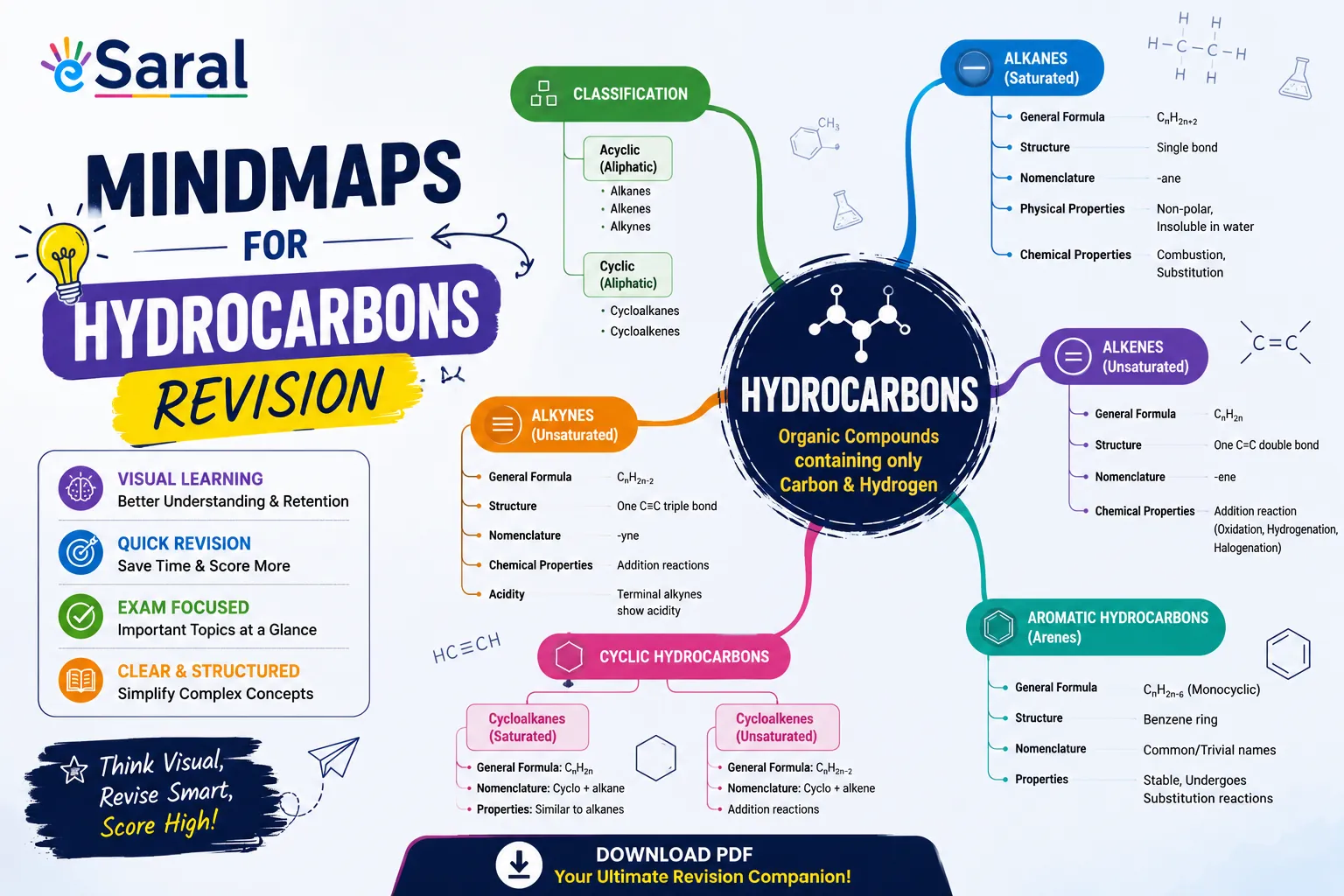

eSaral > Chemistry Mind Maps > Hydrocarbons Revision

CBSE class 11 hydrocarbons teach about alkanes, preparation of alkanes from unsaturated hydrocarbons, from alkyl halides, from carboxylic acids, physical and chemical properties of alkanes. Hydrocarbons topic gives knowledge about Alkenes, the nomenclature of alkenes, isomers, preparation of alkene using alkyne.
Here are the mind maps for to revise important reaction mechanisms, key concepts and more in hydrocarbons.
Mind Maps for Hydrocarbon Alkane
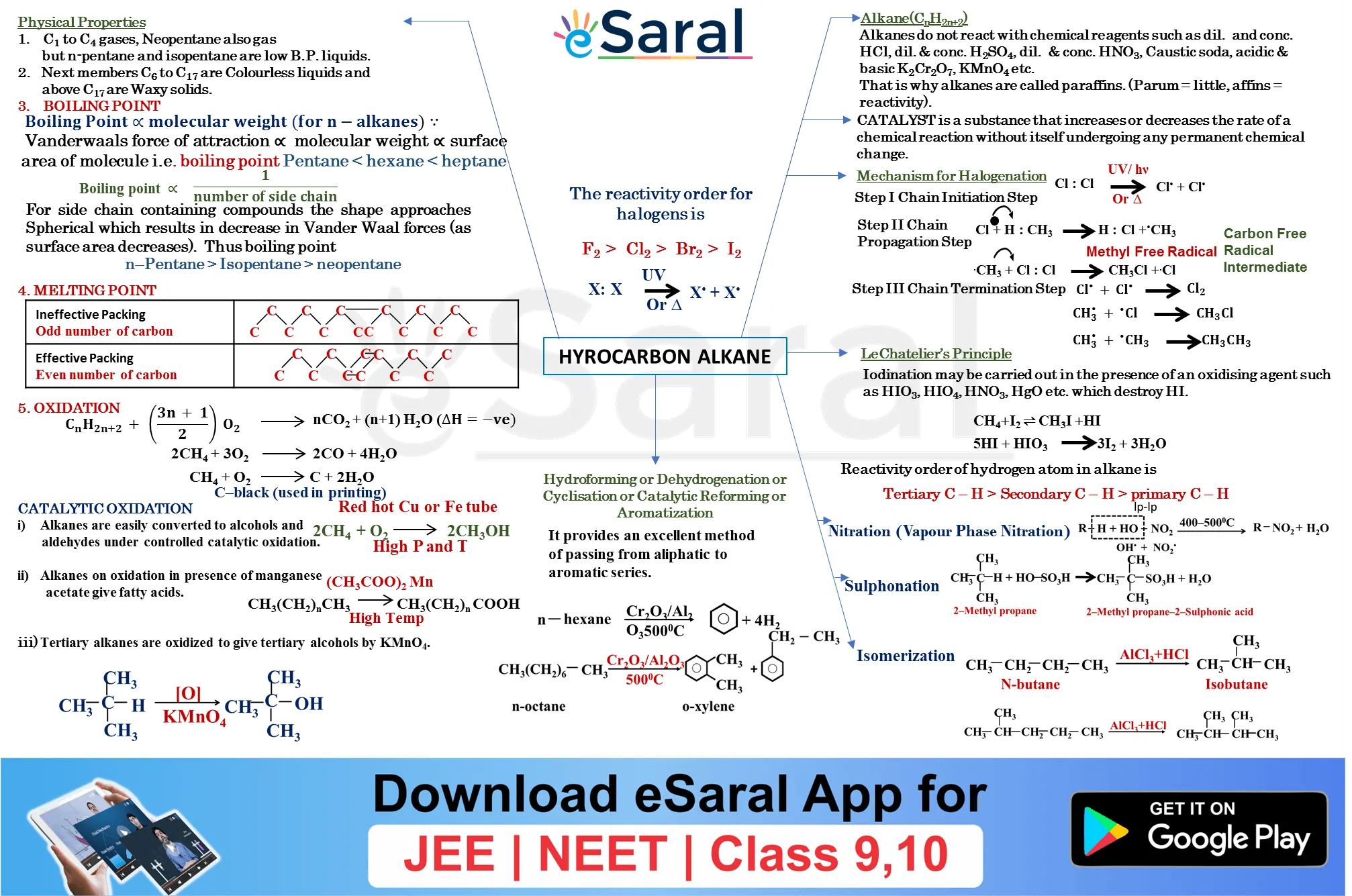
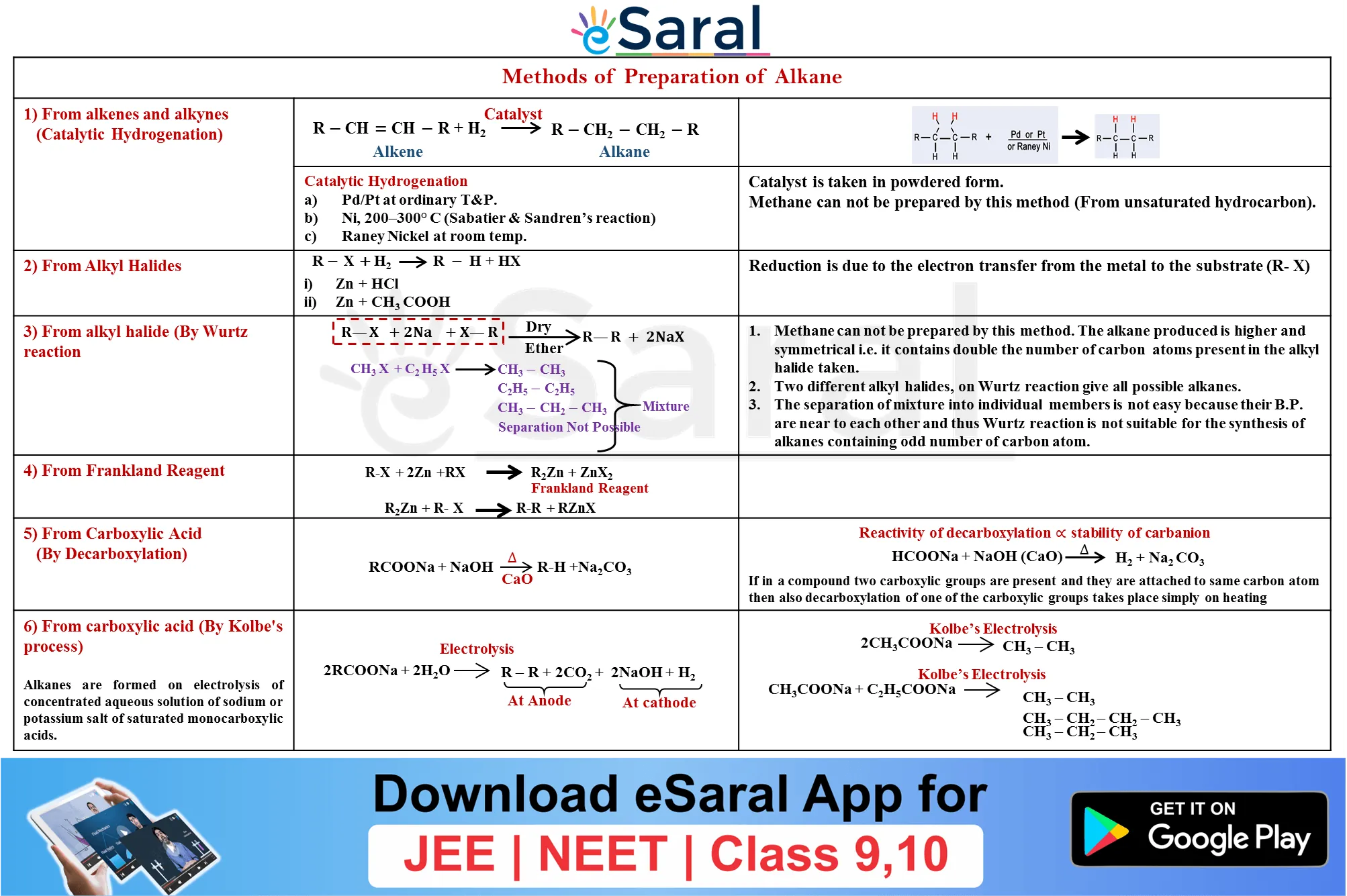
Preparation Method of Alkanes (MIND MAP)
Hydrocarbon Alkene
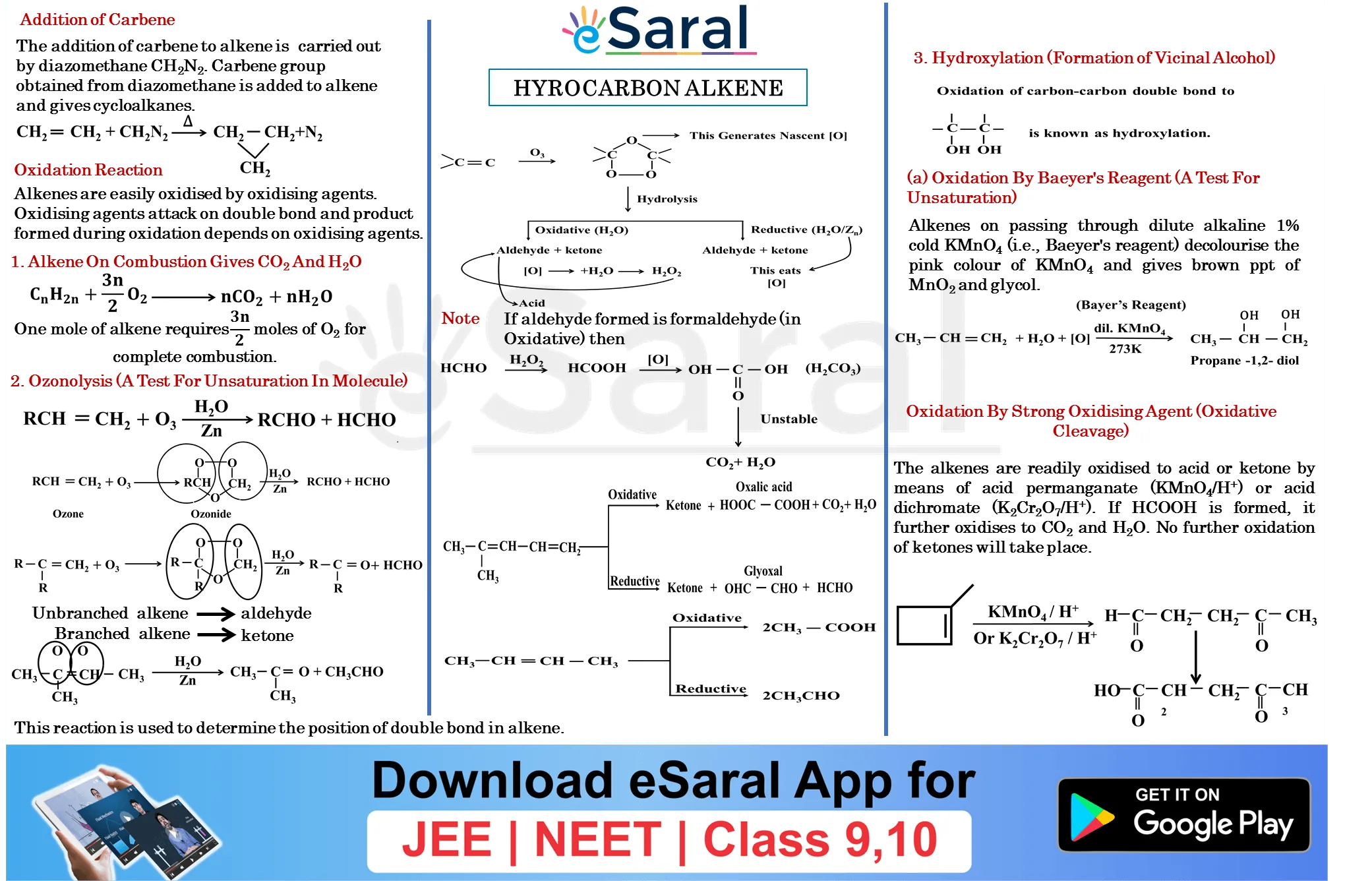
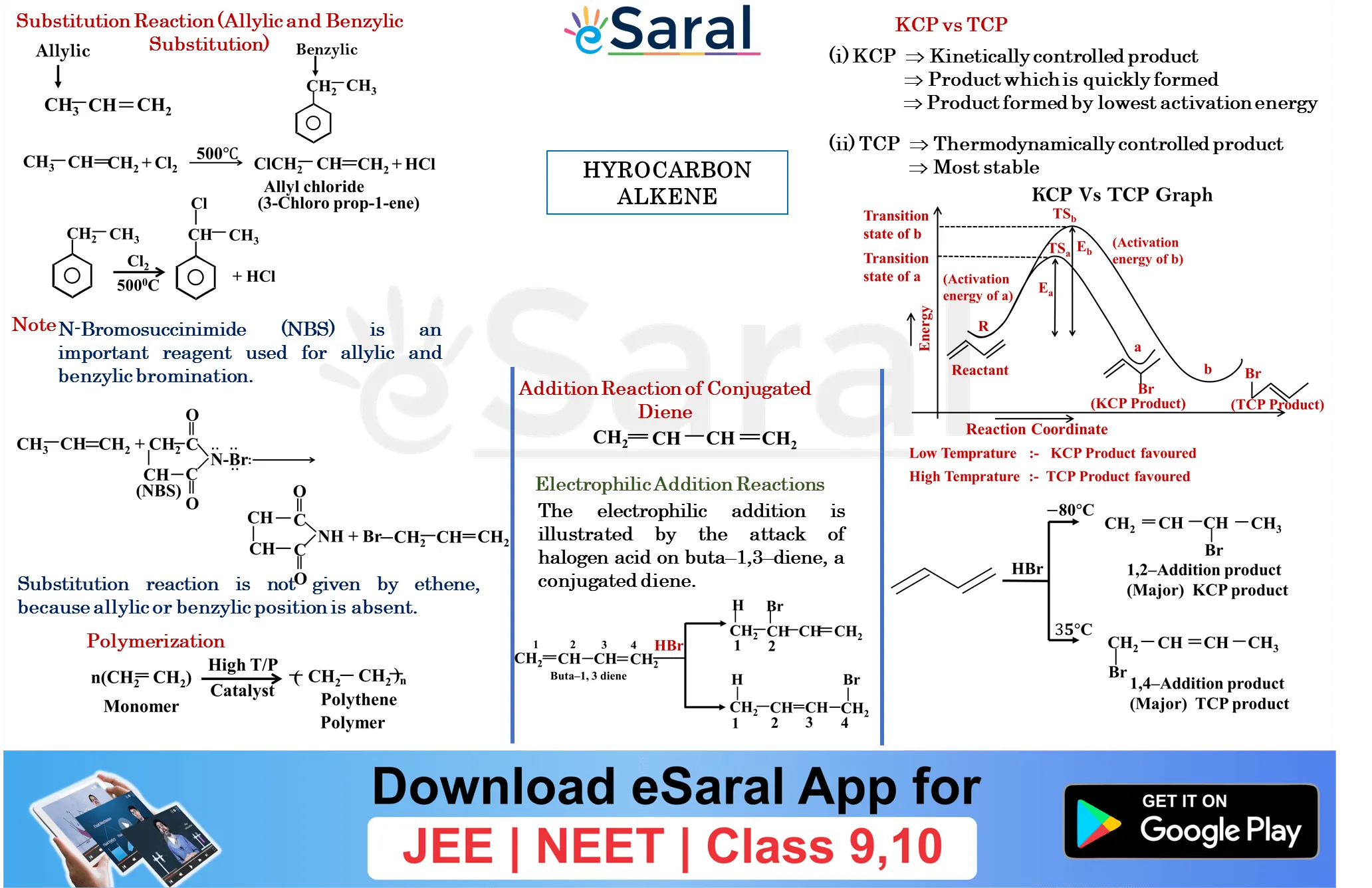
Hydrocarbons Alkene PART - 1
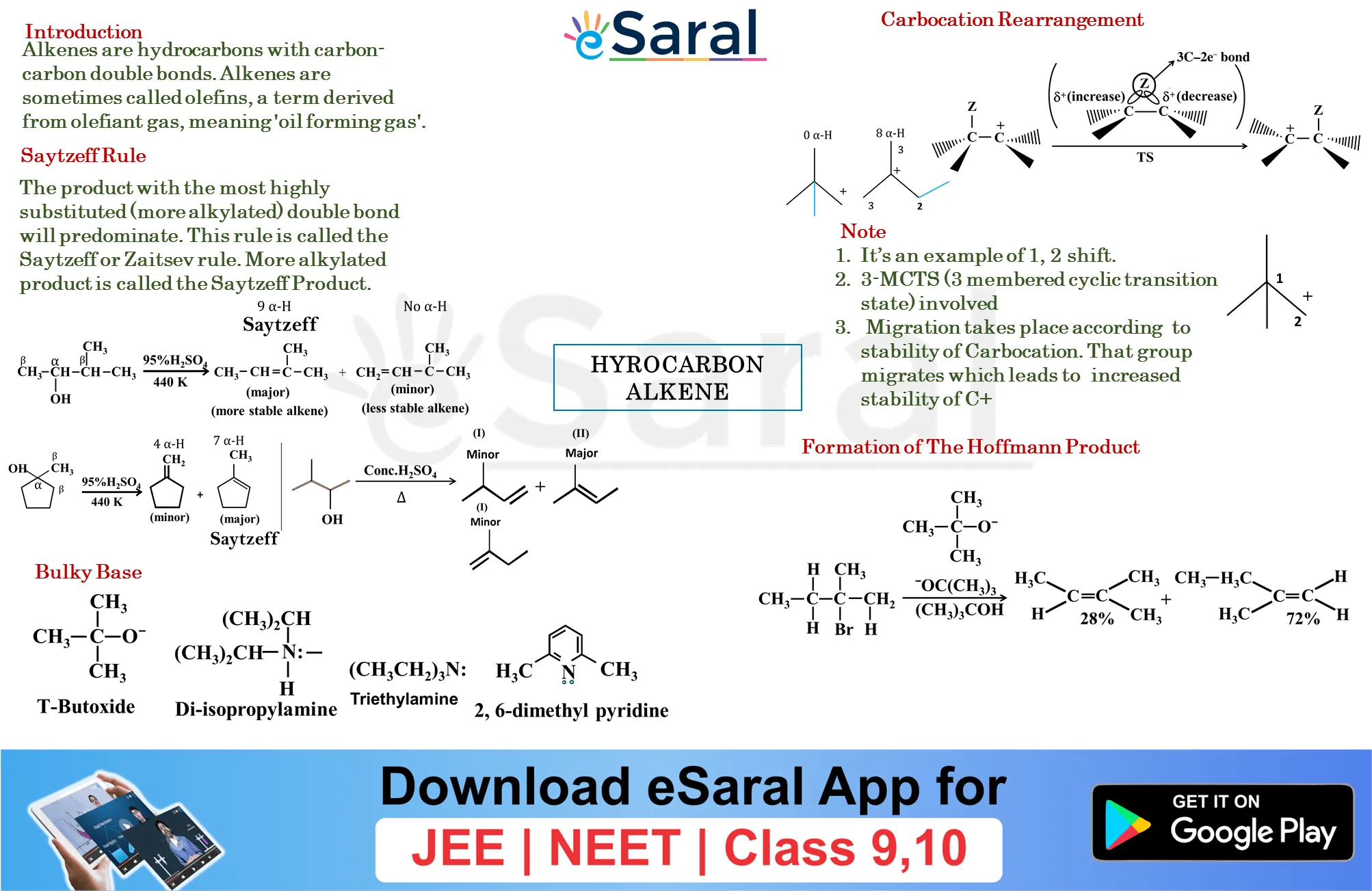
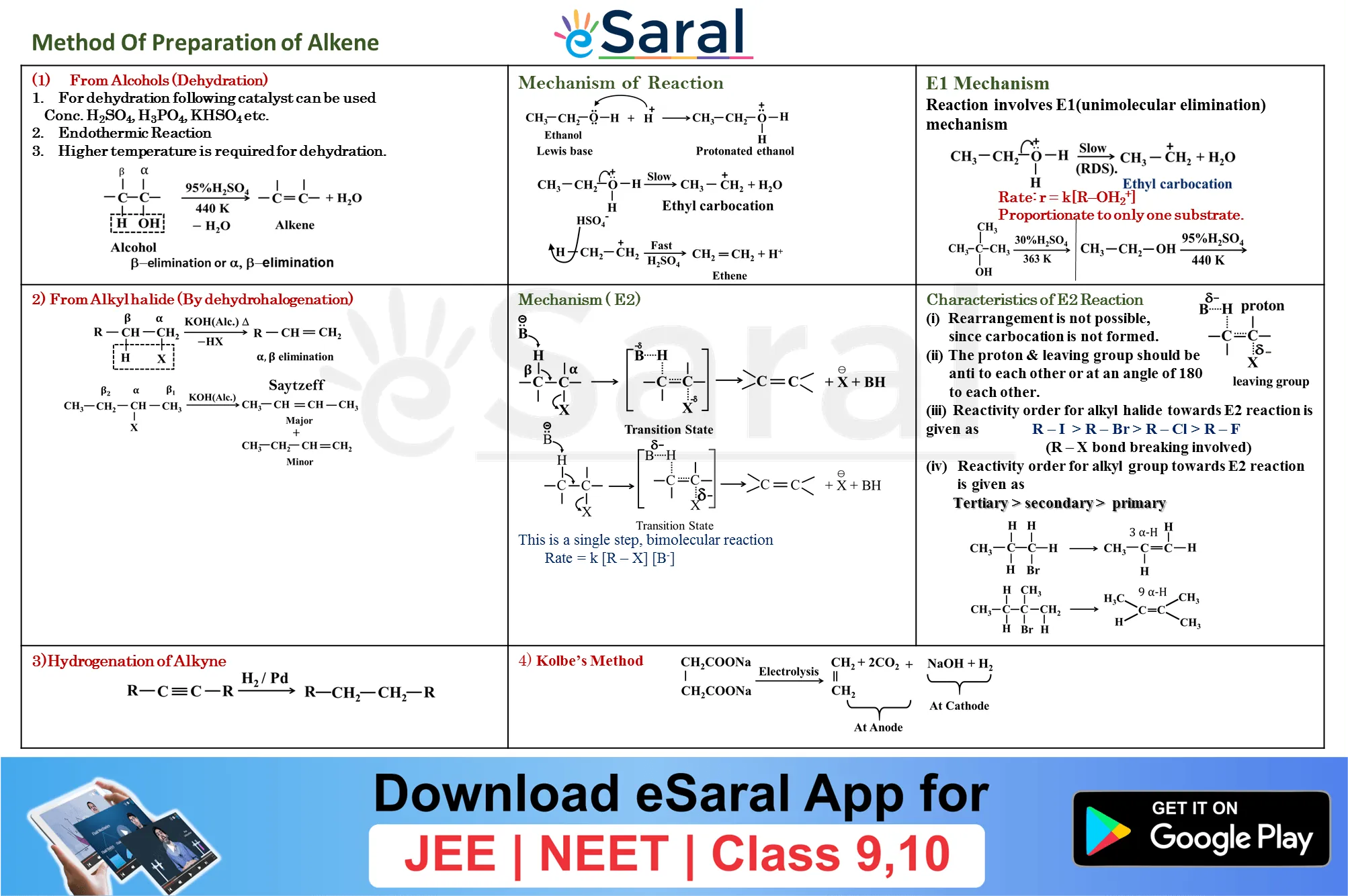
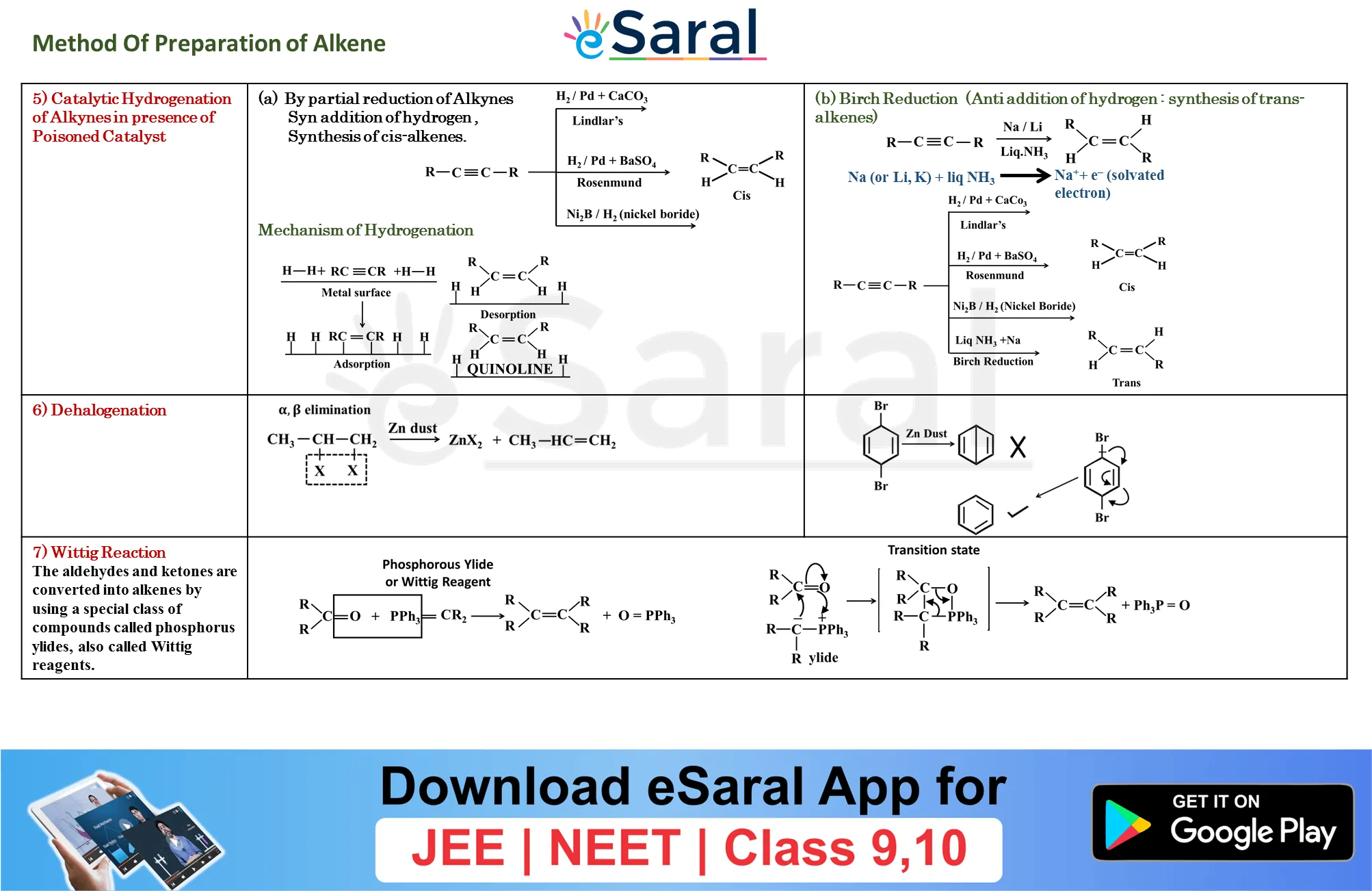
Hydrocarbons Alkene PART 2
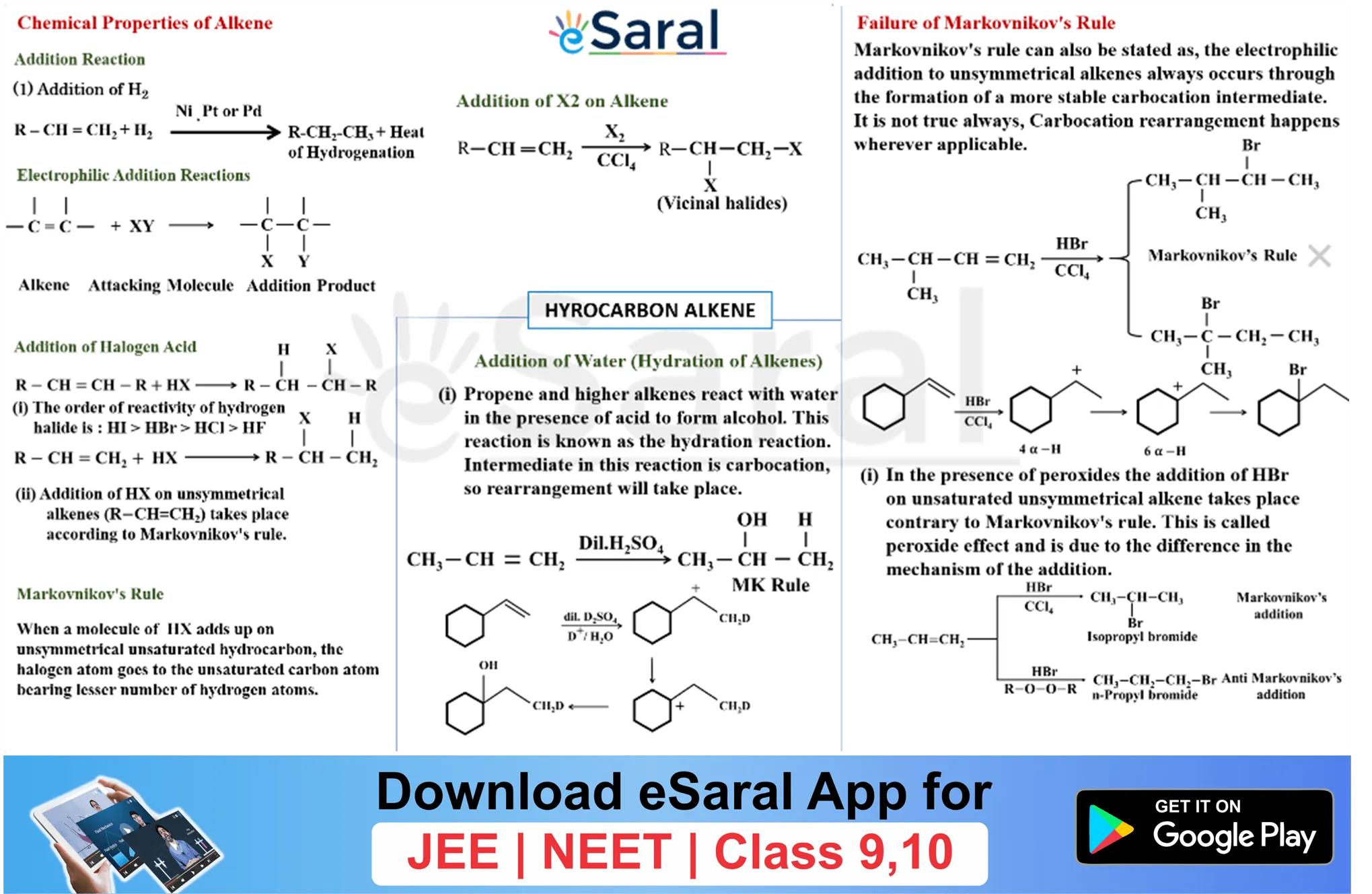
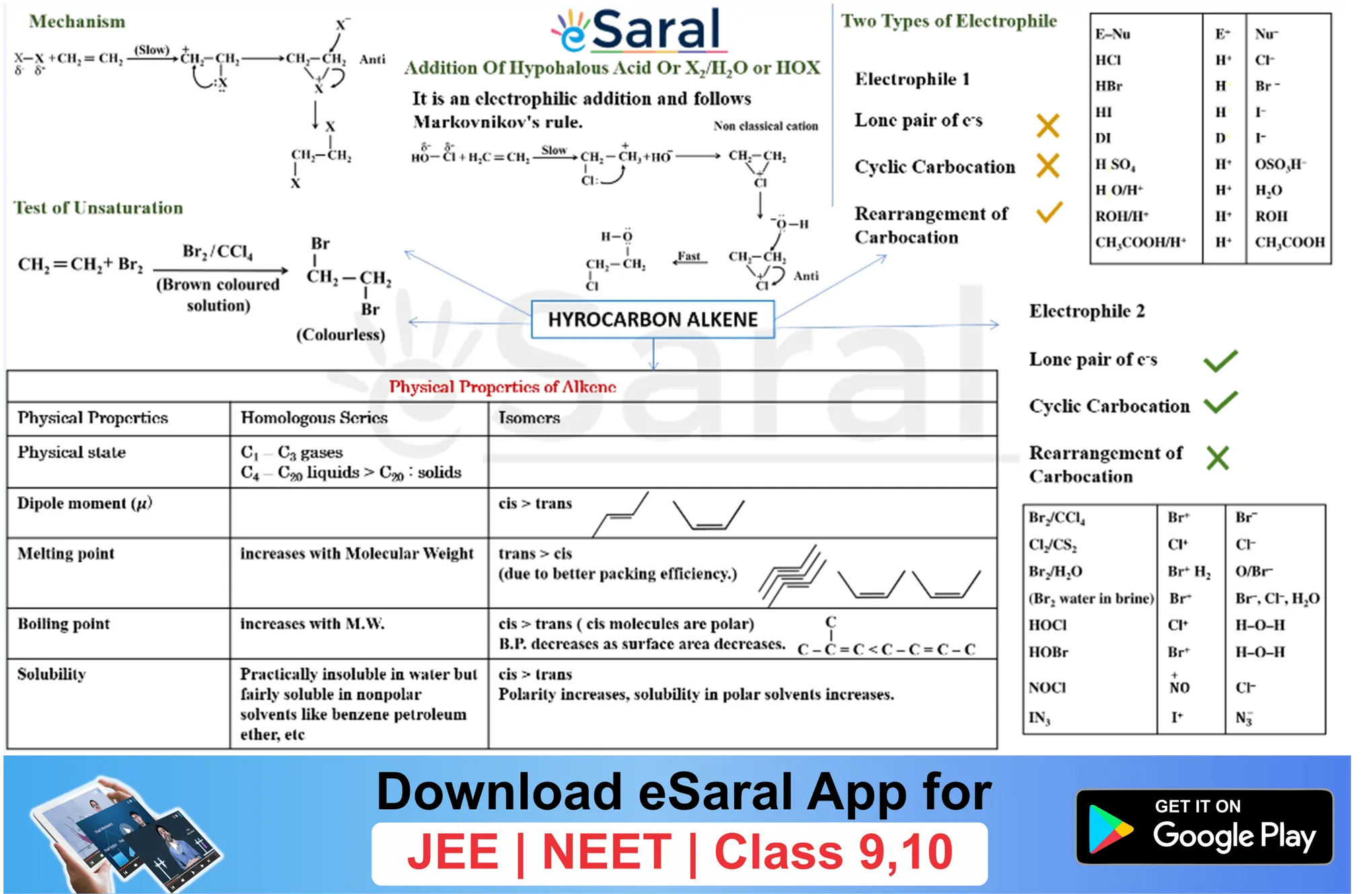
Hydocarbons Alkene PART-3
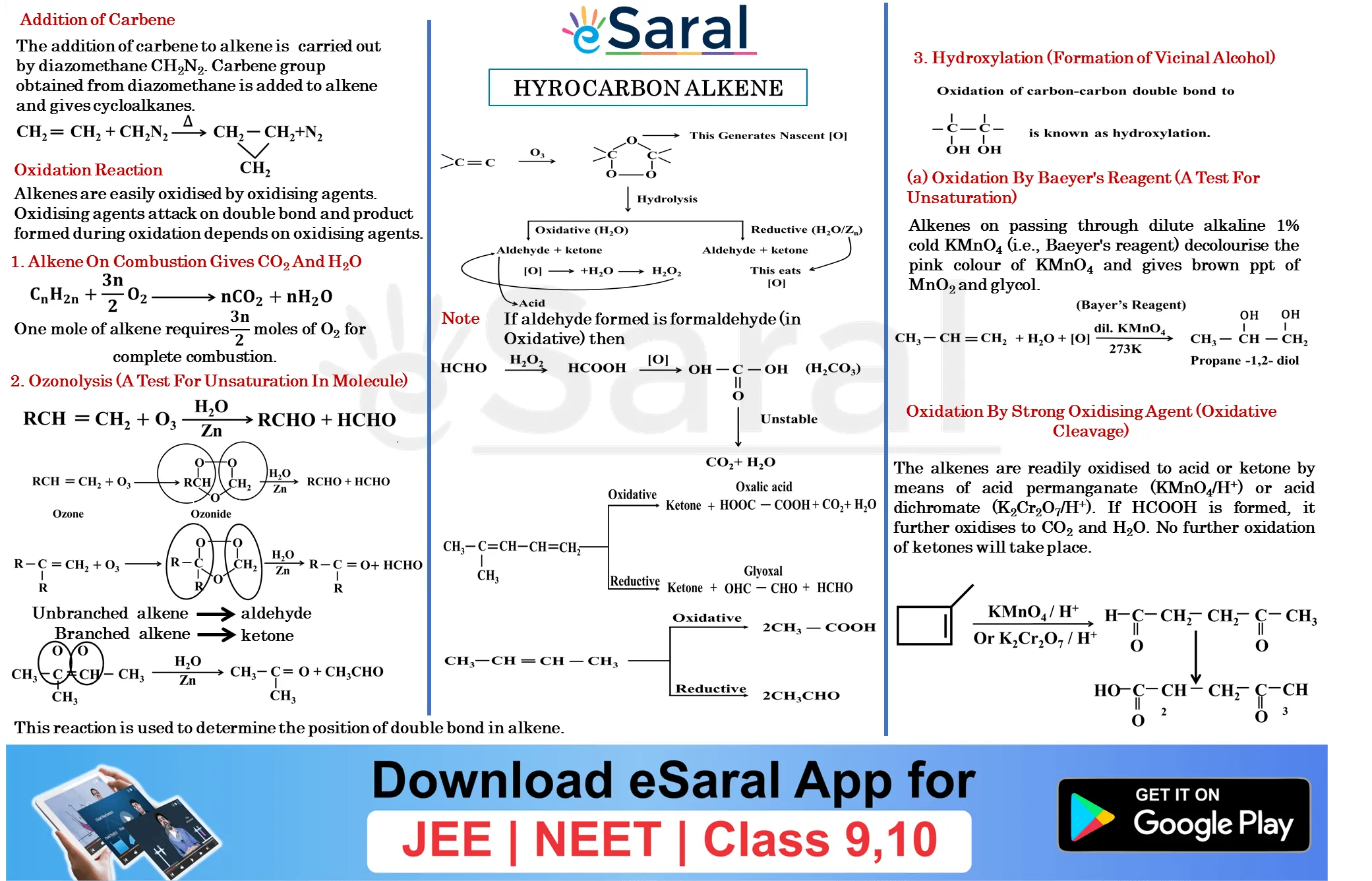
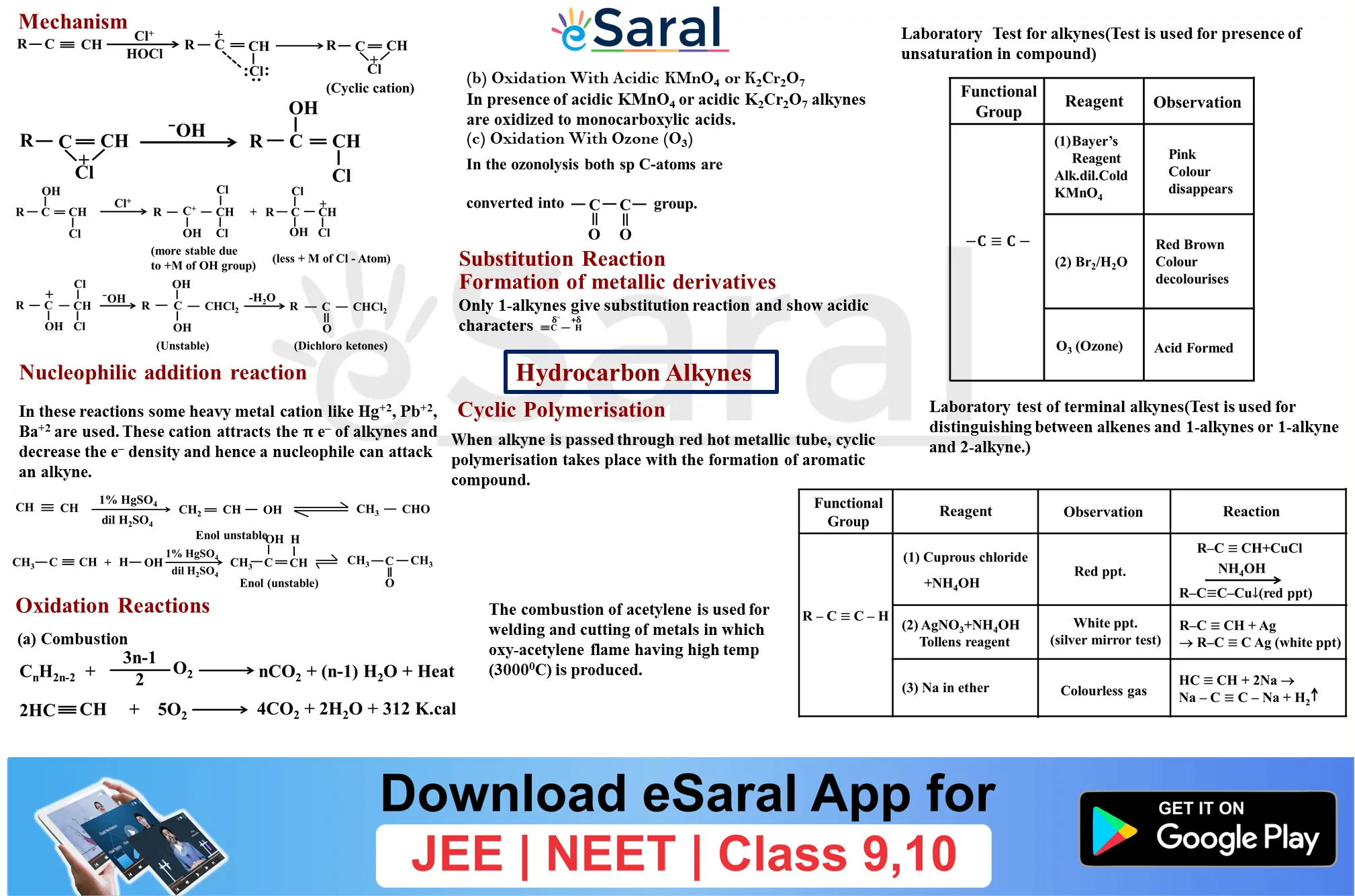
Hydrocarbon Alkyne
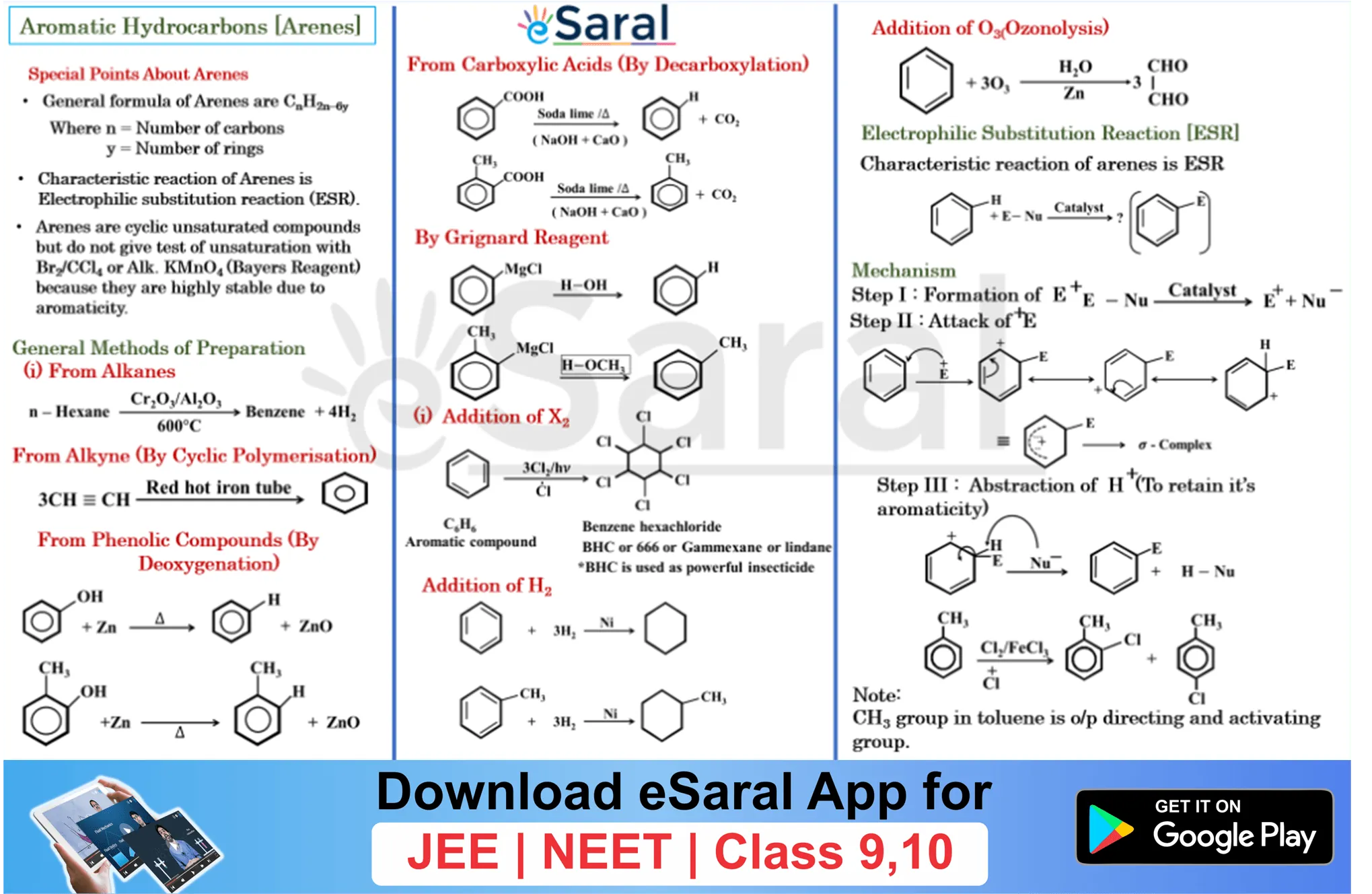
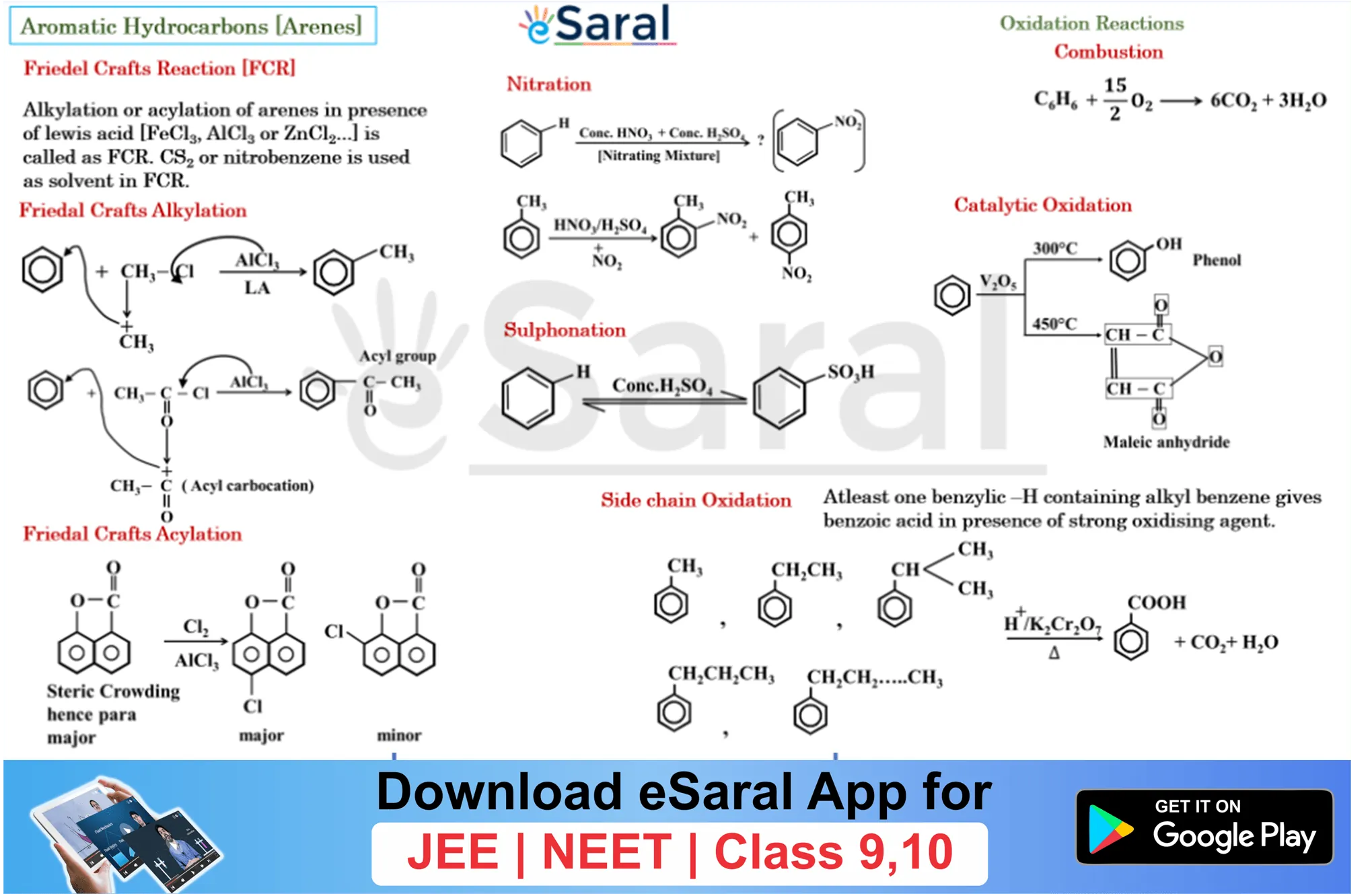
Aromatic Hydrocarbons
CLICK HERE for Complete Physics Revision | Class 11, 12, JEE, NEET
Frequently Asked Questions
Find answers to common questions.
What is the most commonly tested reaction from the alkene section in JEE?
Ozonolysis and Markovnikov's rule are the two most frequently tested alkene reactions in JEE Main. Questions either ask for the ozonolysis products of a given alkene or present the products and ask students to identify the parent alkene. Practising both forward and reverse ozonolysis problems is essential.
Is the hydrocarbons mind map enough for NEET revision?
Mind maps are excellent for last-stage revision but should not replace NCERT reading. NEET Chemistry is almost entirely NCERT-based, so read the chapter first, then use the mind map to check whether you remember every concept branch. Combining both methods takes under 3 hours for the full hydrocarbons chapter
How many questions from hydrocarbons appear in JEE Main each year?
JEE Main typically includes 6–10 questions from the hydrocarbons chapter across all sessions in a year. Alkenes and aromatic hydrocarbons each contribute 2–3 questions on average, making them the highest-priority sub-topics. NTA's official question papers from 2019–2024 confirm this trend consistently.
How is eSaral's approach to teaching hydrocarbons different from other platforms?
eSaral's chemistry faculty — trained at IIT Bombay and ranked among India's top competitive exam educators — teach reaction mechanisms the way JEE Advanced setters think, not just how NCERT presents them. The 5-layer doubt-solving system means no question goes unanswered between study sessions. Students who joined eSaral's dropper batch have cleared JEE with ranks inside the top 1,000, with the teaching approach built around the same Kota-quality rigour, delivered online at accessible prices.
What is the difference between Lindlar's catalyst and Na in liquid NH₃ in alkyne reactions?
Lindlar's catalyst reduces an alkyne to a cis (syn) alkene through syn addition of hydrogen. Sodium in liquid ammonia (Birch-type conditions) reduces an alkyne to a trans (anti) alkene via an anti addition mechanism. This distinction is a classic JEE MCQ trap and is highlighted clearly in the alkyne mind map.
Do I need to study aromatic hydrocarbons for NEET?
Yes. NEET includes 1–2 questions on aromatic hydrocarbons each year, focused on EAS reactions, directive influence, and basic aromaticity (Hückel's rule). The aromatic hydrocarbons mind map available on this page covers all NEET-relevant content in a single downloadable sheet.