Aromatic Compound - JEE Mains Previous Year Questions
Practice JEE Main Aromatic Compounds previous year questions with detailed solutions covering benzene derivatives, diazonium salts, amines, aromatic reactions, and important organic chemistry concepts.

eSaral › JEE › JEE Main ›Aromatic Compound - JEE Mains Previous Year Questions

🚀 Checkout eSaral Courses
JEE Main Previous Year Papers Questions of Chemistry With Solutions are available at eSaral. Simulator Previous Years AIEEE/JEE Mains Questions 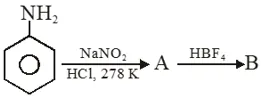 the compounds 'A' and 'B' respectively are :- (1) Nitrobenzene and chlorobenzene (2) Nitrobenzene and fluorobenzene (3) Phenol and benzene (4) Benzene diazonium chloride and fluorobenzene [AIEEE-2010]
  (1) Fluorobenzene and phenol (2)Benzene diazonium chloride and benzonitrile (3) Nitrobenzene and chlorobenzene (4) Phenol and bromobenzene [AIEEE-2011]
 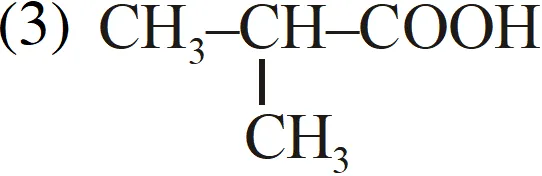 (4) $\mathrm{CH}_{3} \mathrm{CH}_{2} \mathrm{COOH}$ [JEE(Main)-2013]
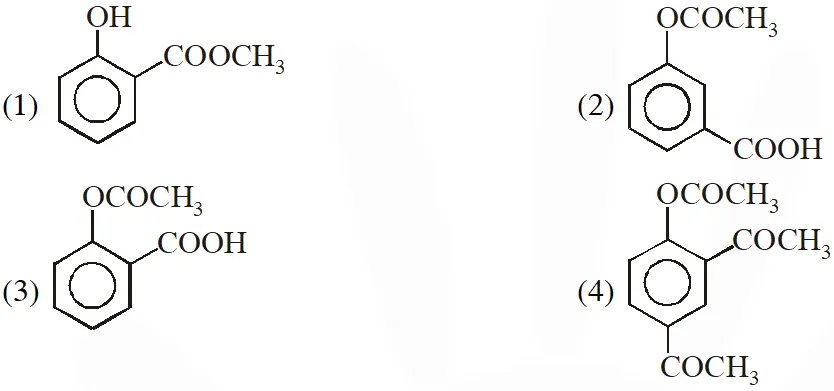 [JEE(Main)-2014]
Aromatic Compounds is part of a larger Chemistry collection, which you can explore through the JEE Mains PYQ chapter-wise PDF download archive.
Chapter practice builds concepts, but timed papers build speed. Once you're done here, move to our JEE Main exam papers to attempt Aromatic Compounds in a real, timed setting
Frequently Asked Questions
Find answers to common questions.
How many questions from aromatic compounds appear in JEE Main each year?
JEE Main typically has 1–2 questions per session from aromatic compounds and their reactions. Over the AIEEE-JEE Main history (2002–2024), diazonium salt reactions and EAS directing effects have been the most frequently tested subtopics. Making this chapter error-free is a reliable way to secure marks in Chemistry.
What is the Balz-Schiemann reaction and why is it important for JEE Main?
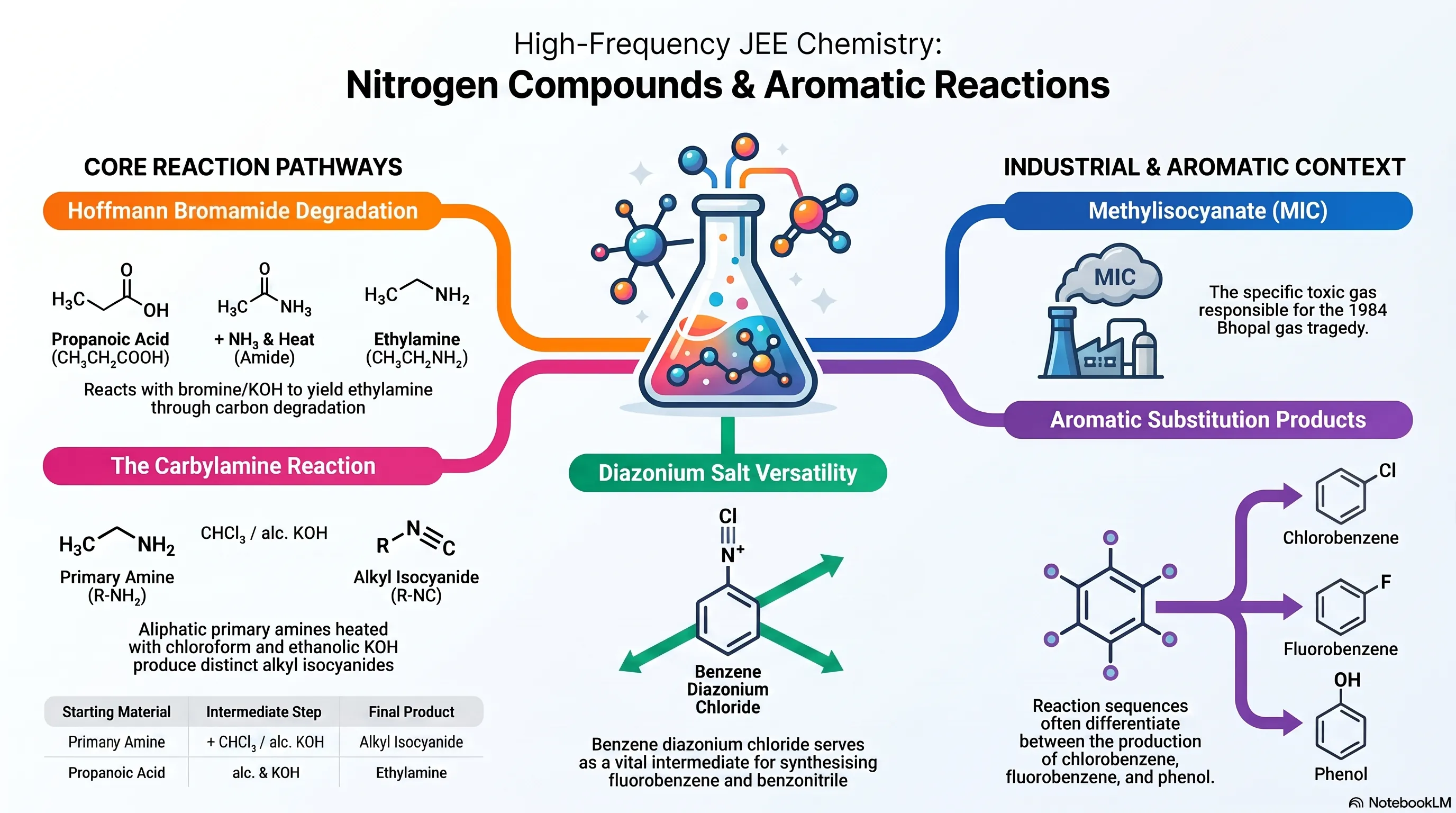
The Balz-Schiemann reaction converts a diazonium salt to fluorobenzene. The sequence is: aniline + NaNO₂ + HCl (0–5°C) → benzene diazonium chloride + HBF₄ → benzene diazonium fluoroborate → heat → fluorobenzene + N₂ + BF₃. It is important because it is the only reliable method to introduce fluorine into a benzene ring, and JEE Main has tested this reaction in AIEEE 2010 and related years.
What is the difference between the Sandmeyer reaction and the Gattermann reaction?
Both replace the diazonium group (–N₂⁺) with a halogen, but they differ in reagents. The Sandmeyer reaction uses cuprous halides (CuCl, CuBr, CuCN) as catalysts with the corresponding halide acid, while the Gattermann reaction uses copper powder (Cu) with HCl or HBr. The Sandmeyer reaction is more commonly tested in JEE Main.
Is the Carbylamine reaction given by secondary amines?
No. The Carbylamine reaction (isocyanide test) is given only by primary amines — both aliphatic and aromatic. When a primary amine reacts with CHCl₃ and alcoholic KOH, it forms a foul-smelling isocyanide. Secondary and tertiary amines do not react under these conditions, making this reaction a useful qualitative test to distinguish primary amines from others.
How is Hofmann bromamide degradation different from other amine formation reactions?
In the Hofmann bromamide degradation, a primary amide (RCONH₂) reacts with Br₂ in aqueous or alcoholic KOH to give a primary amine with one fewer carbon atom than the amide. This carbon loss distinguishes it from other reactions like Gabriel synthesis or reductive amination, where no carbon atoms are removed. JEE Main 2013 directly tested this carbon-counting logic.