Circular Motion Notes Class 11th - IIT JEE
Circular Motion Notes Class 11: Study key concepts of uniform and non-uniform circular motion, centripetal force, acceleration, and rotational dynamics with concise notes for JEE preparation.
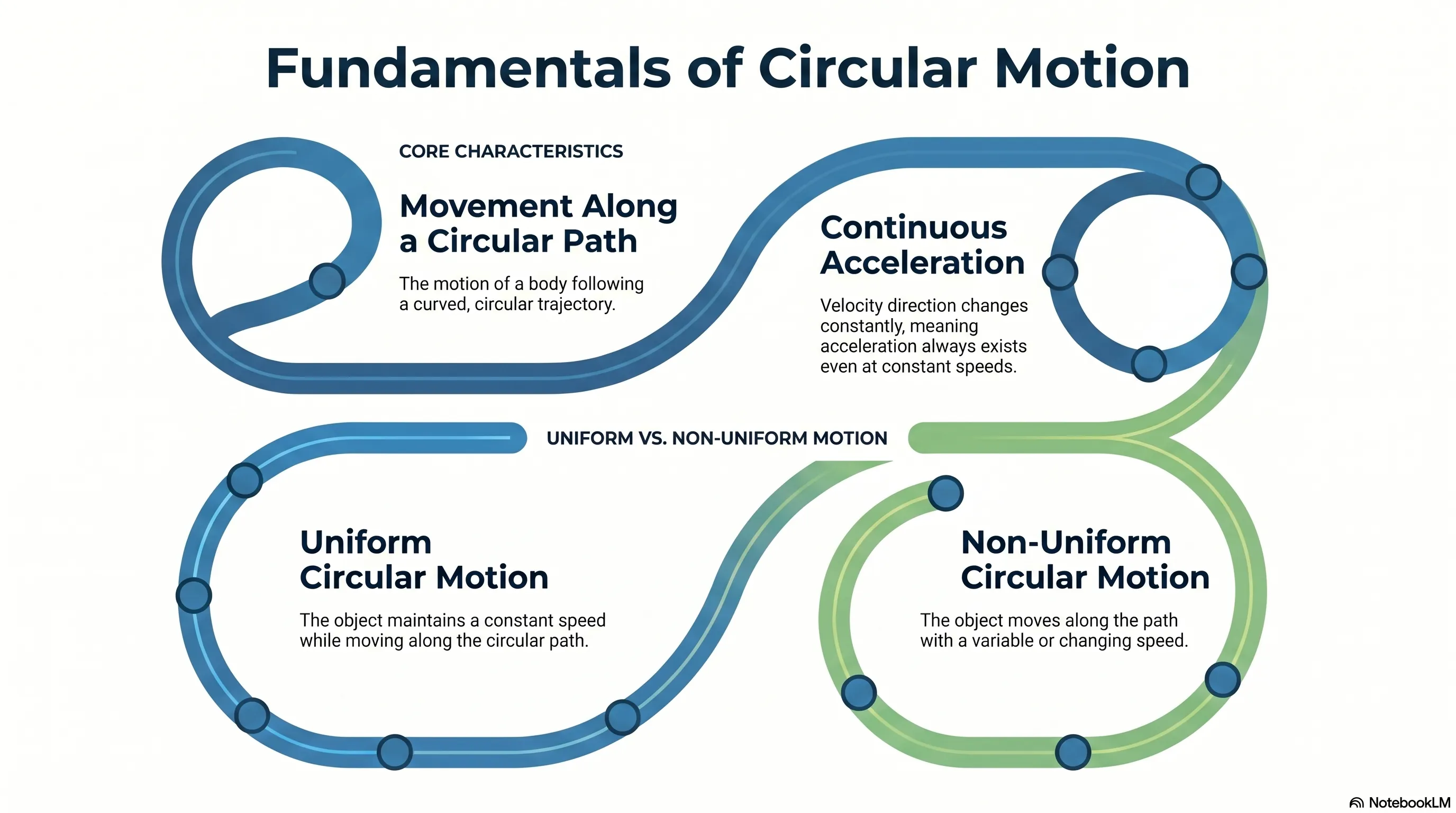
Table of Contents

eSaral › Class 11›Circular Motion Notes Class 11th - IIT JEE

What Is Circular Motion? — Core Definitions
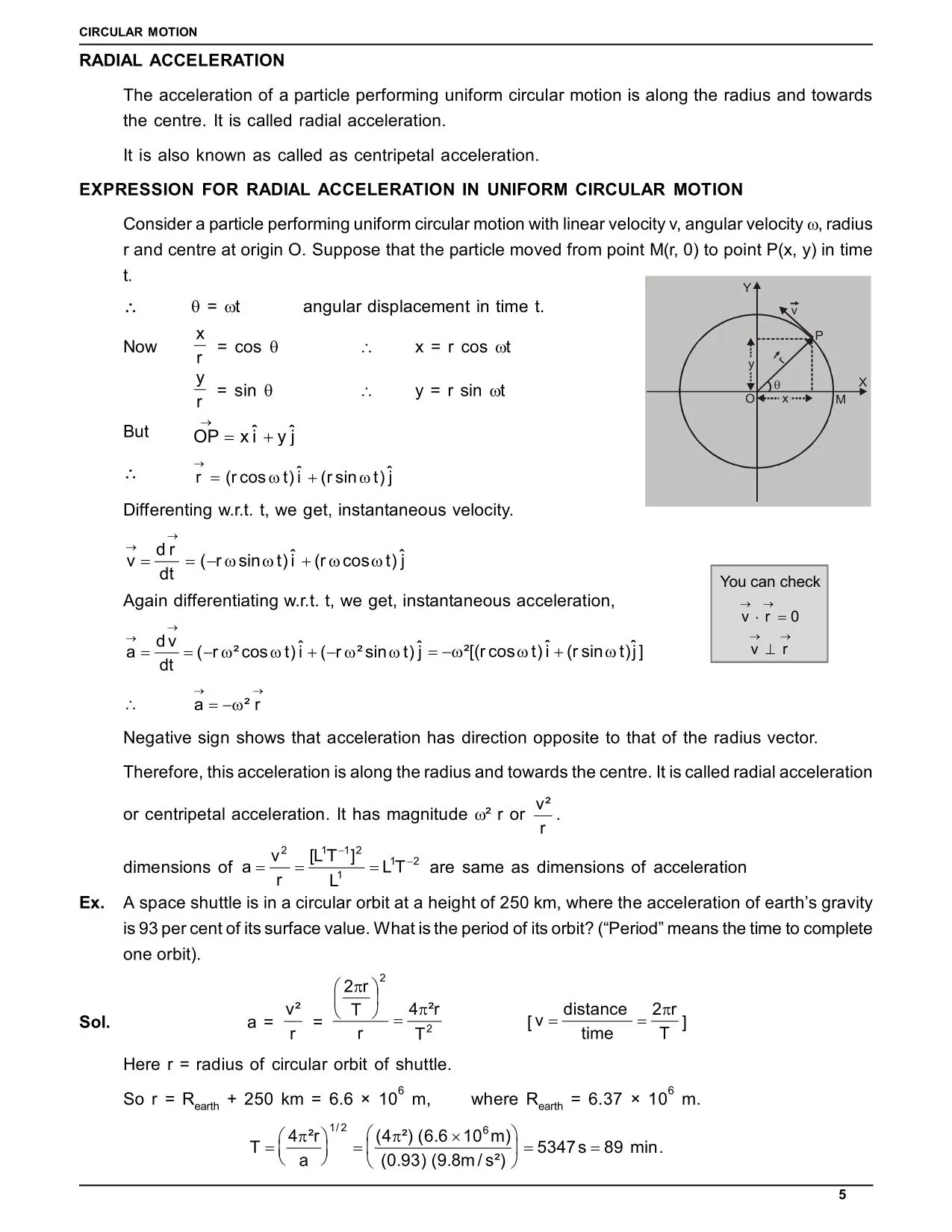
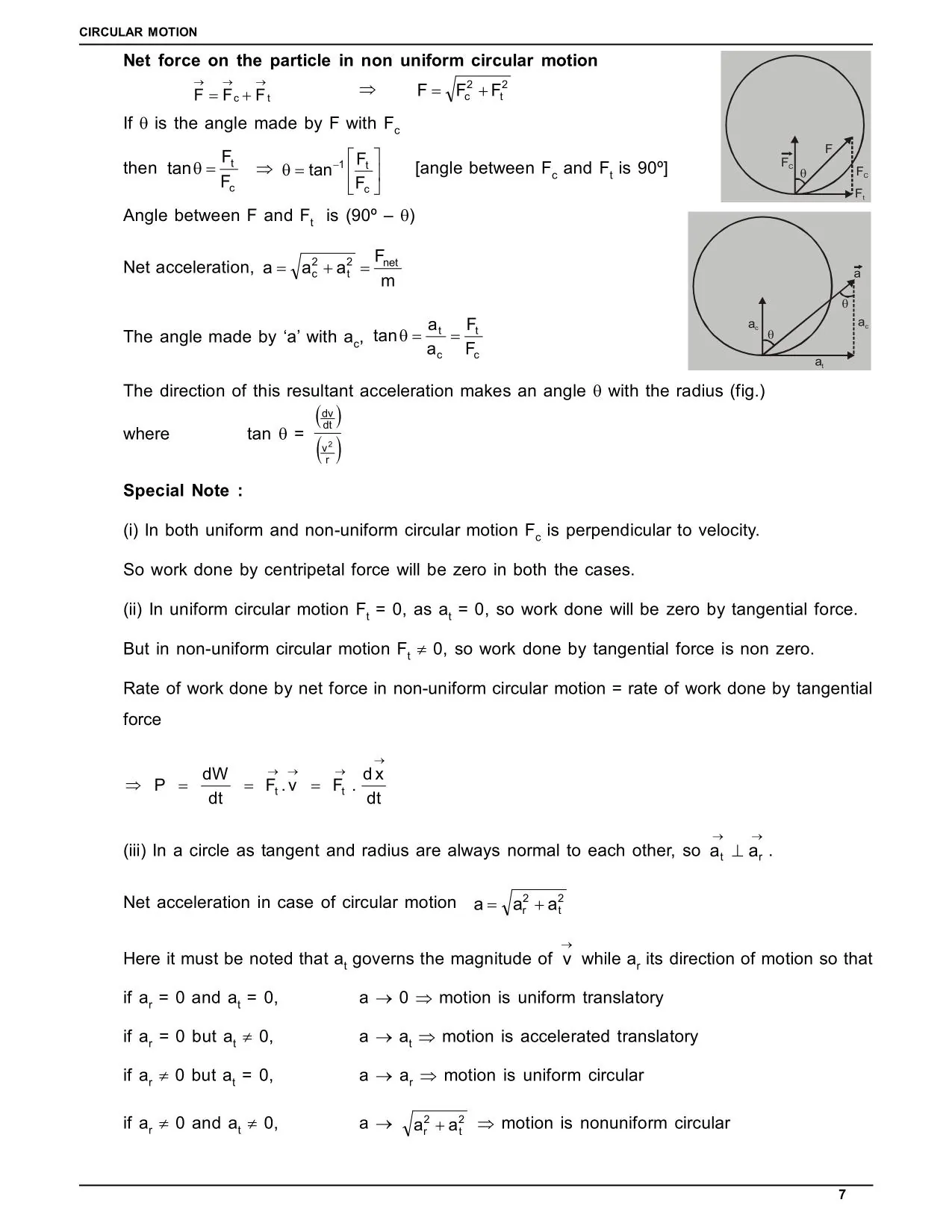
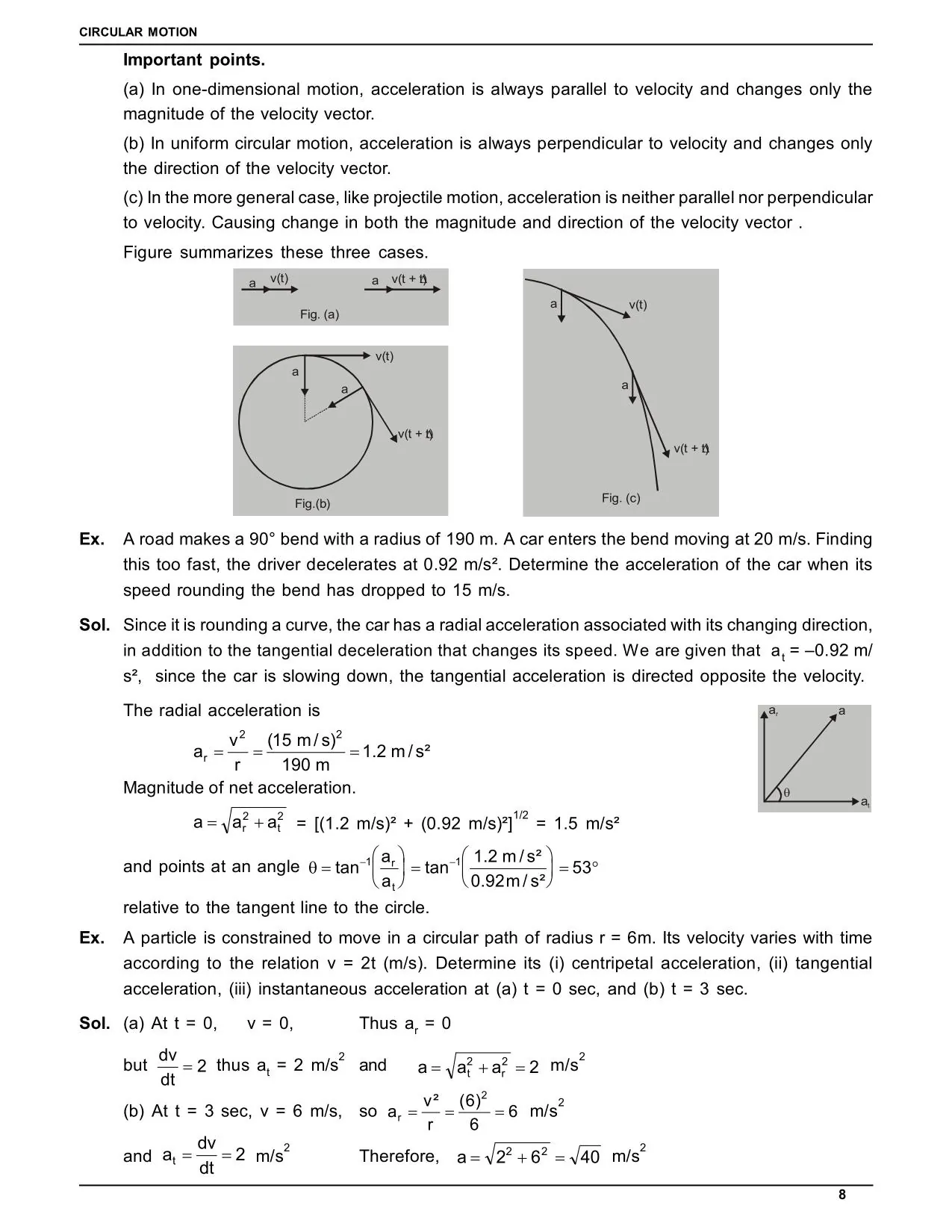
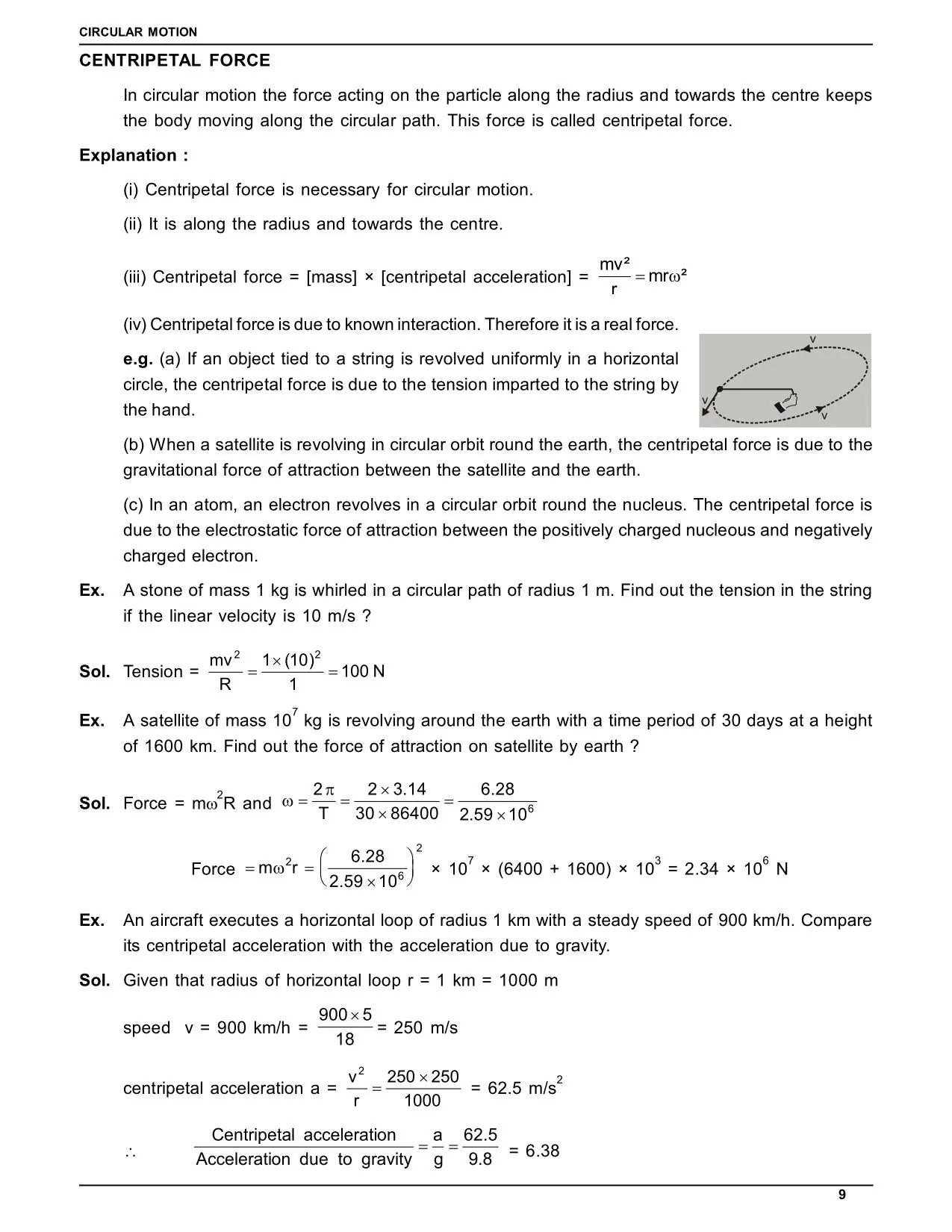
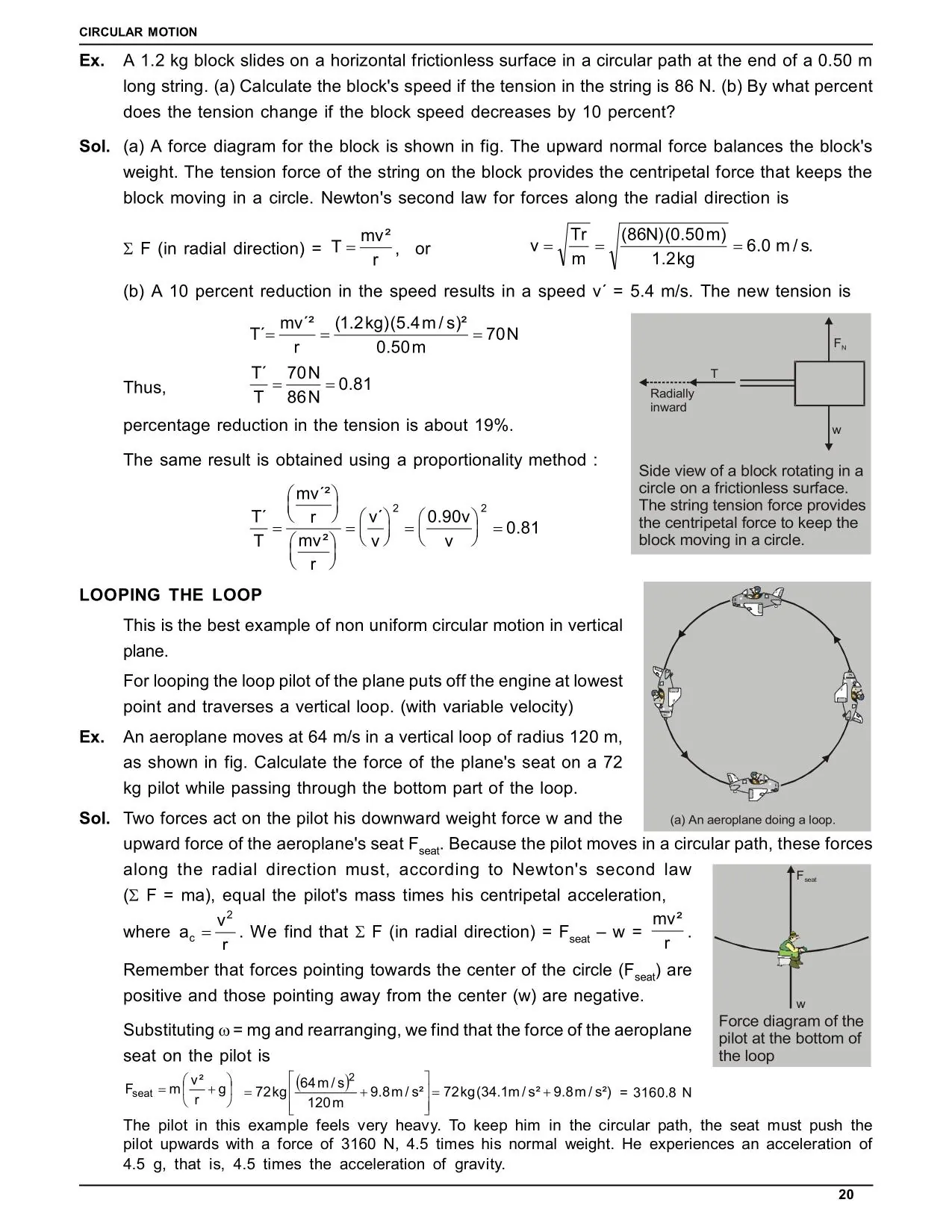
Circular motion is the motion of a body along a circular path. The speed may be constant (uniform circular motion) or variable (non-uniform circular motion), but the direction of velocity changes continuously — which means acceleration always exists, even at constant speed.
Circular Motion Notes
India's Best Exam Preparation for Class 11th - Download Now
India's Best Exam Preparation for Class 11th - Download Now
.
India's Best Exam Preparation for Class 11th - Download Now
India's Best Exam Preparation for Class 11th - Download Now
India's Best Exam Preparation for Class 11th - Download Now
India's Best Exam Preparation for Class 11th - Download Now
Frequently Asked Questions
Find answers to common questions.
What are the most important topics in circular motion for JEE Main?
The most important topics are centripetal force and acceleration, vertical circular motion (minimum speed conditions), and banking of roads. These three subtopics account for roughly 8–12 marks in JEE Main each year. Master the force diagrams and energy conservation approach for each scenario, and you will solve most circular motion questions in under two minutes.
What is the difference between centripetal and centrifugal force?
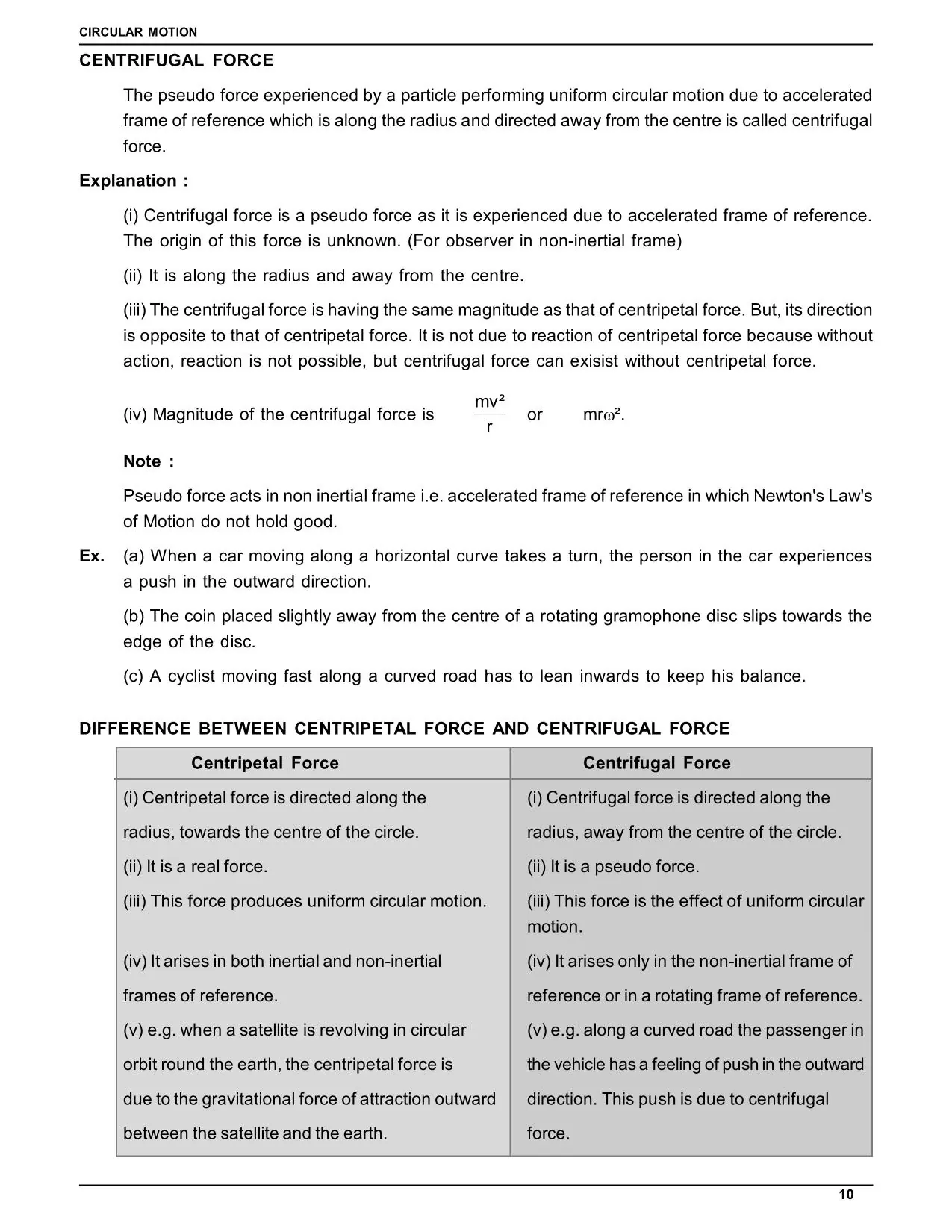
Centripetal force is a real net force directed towards the centre of the circular path — it is provided by real agents like tension, gravity, or friction. Centrifugal force is a pseudo-force that appears only in a rotating (non-inertial) reference frame, directed away from the centre. In JEE problems solved from the ground frame, you will never use centrifugal force.
What is the minimum speed required to complete a vertical circle?
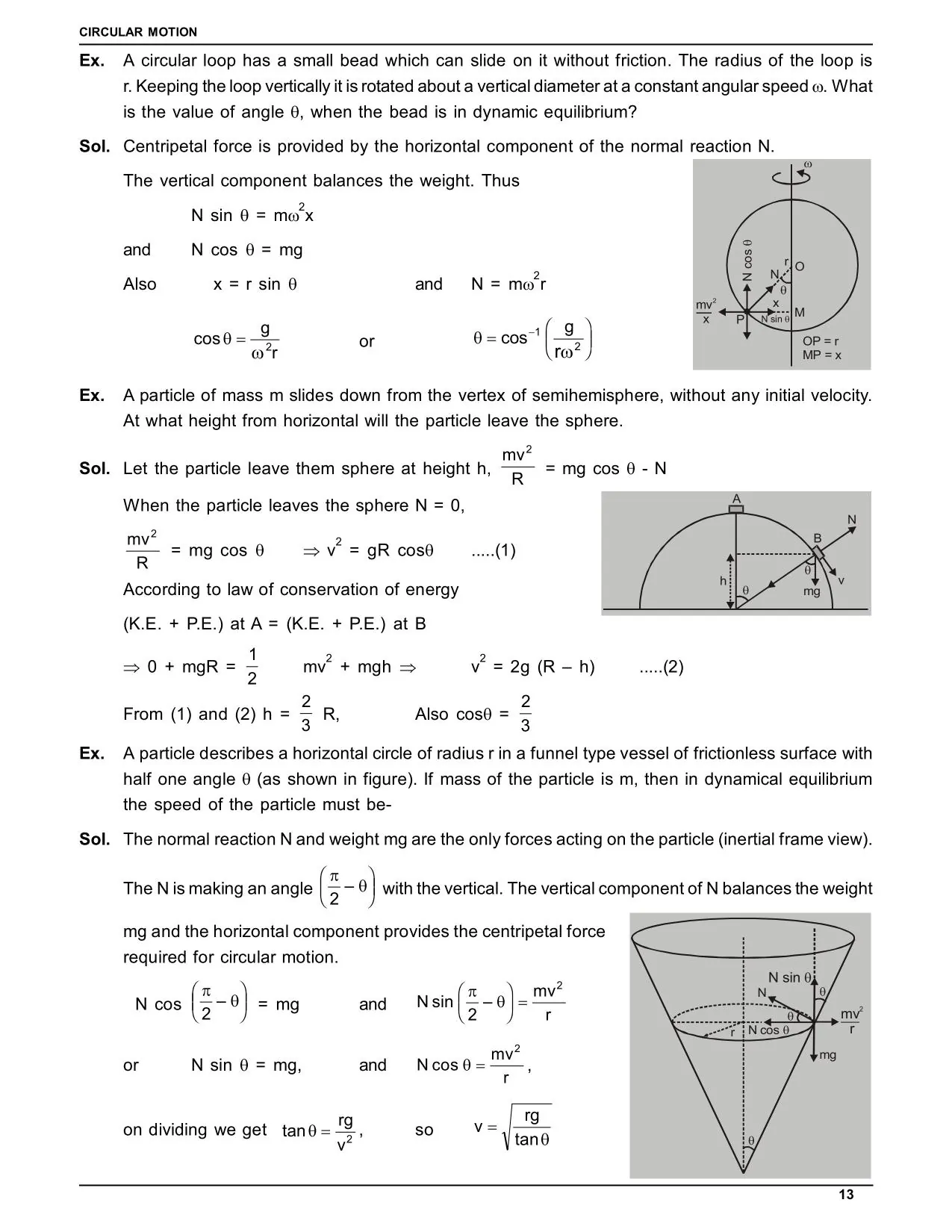
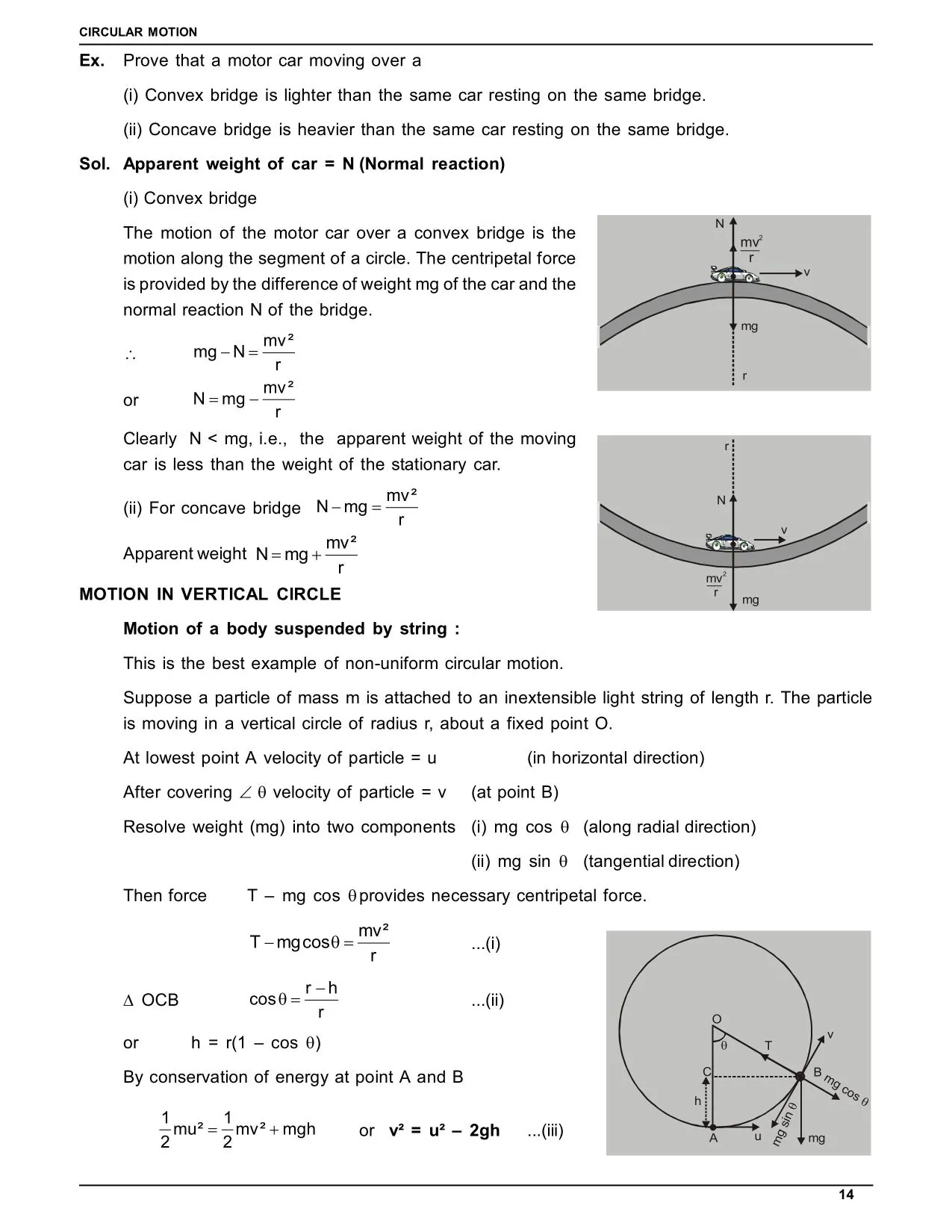
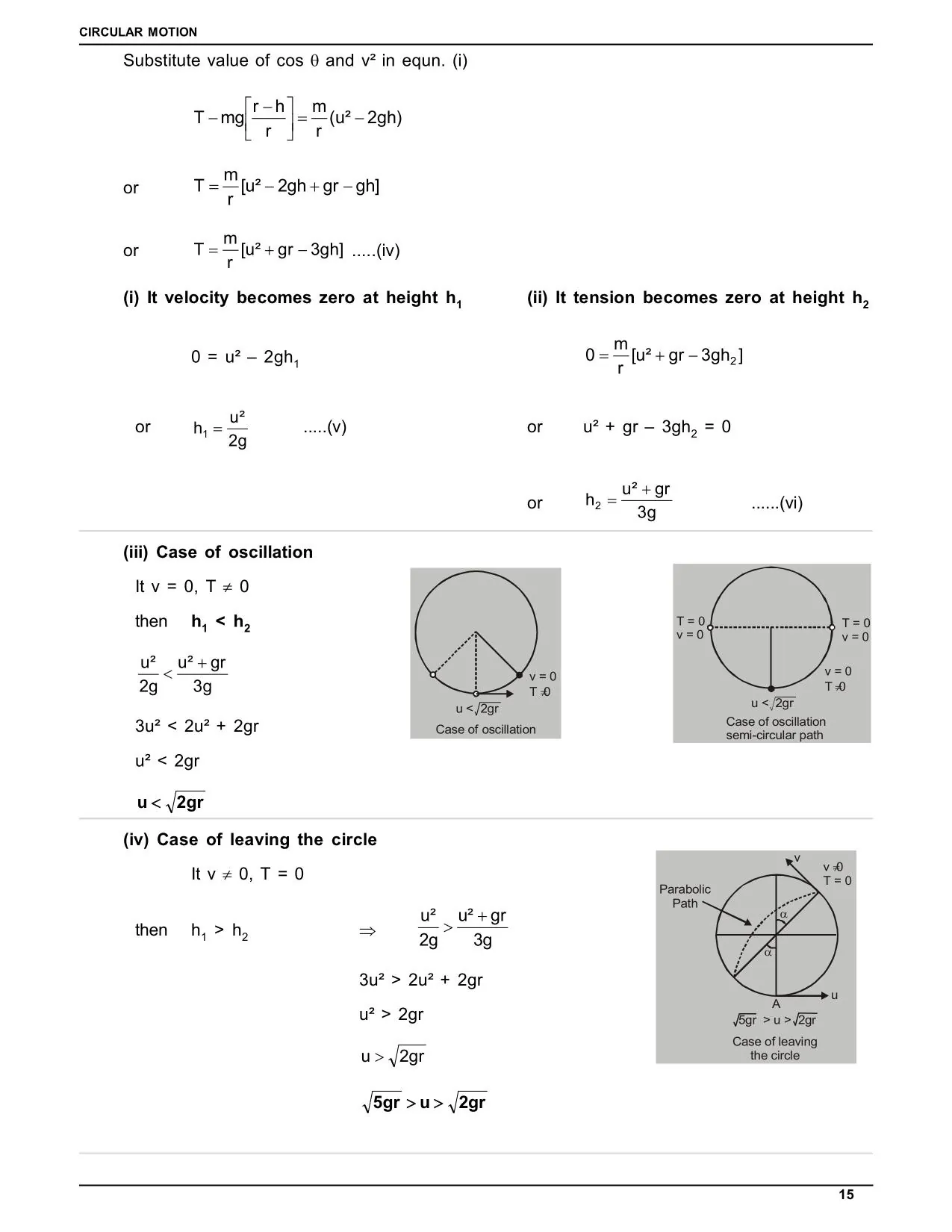
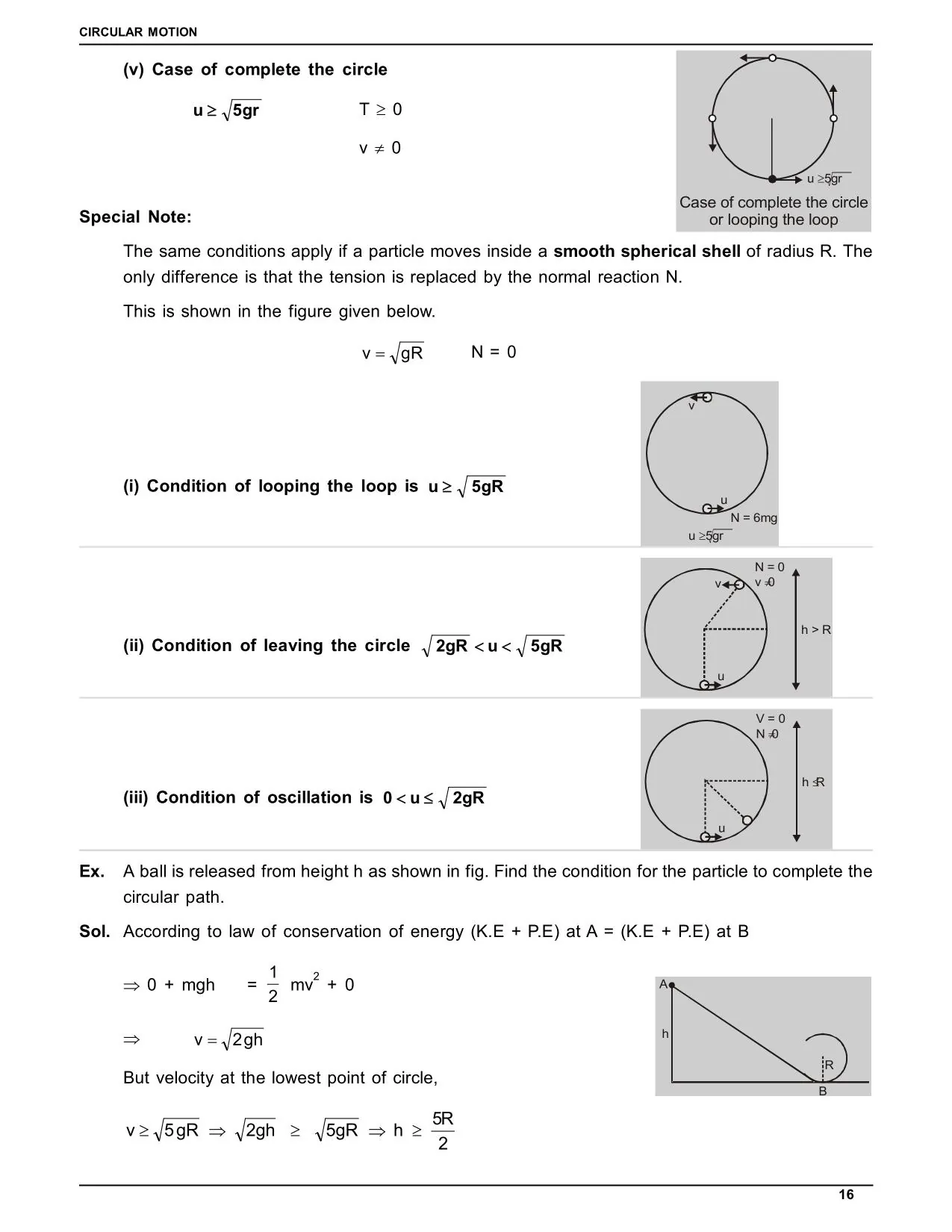
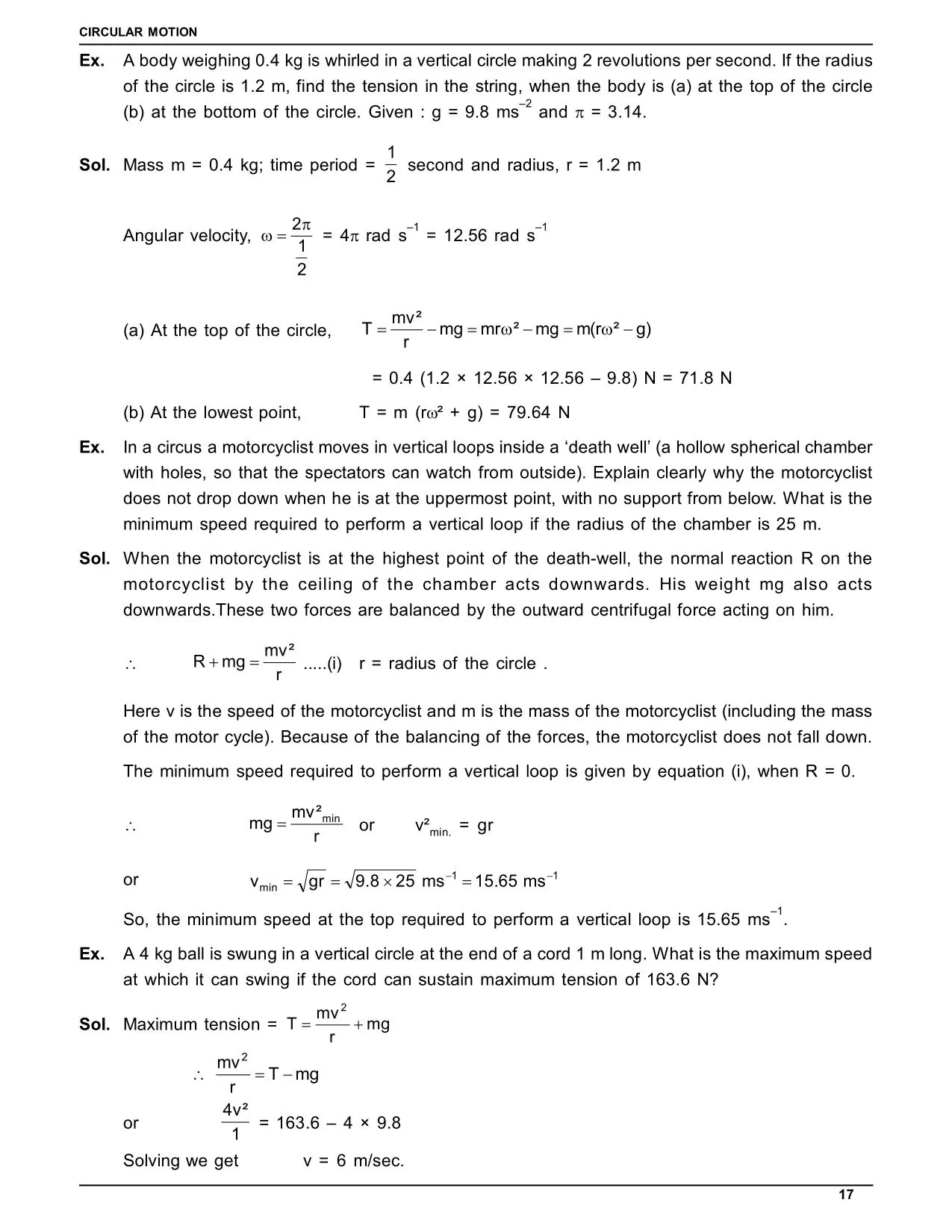
For a particle on a string, the minimum speed at the top of the vertical circle is √(gr), where g is gravitational acceleration and r is the radius. Using energy conservation, the minimum speed at the bottom of the circle must be at least √(5gr). These conditions apply when the string or rod just becomes taut at the topmost point.
How is banking of roads related to circular motion?
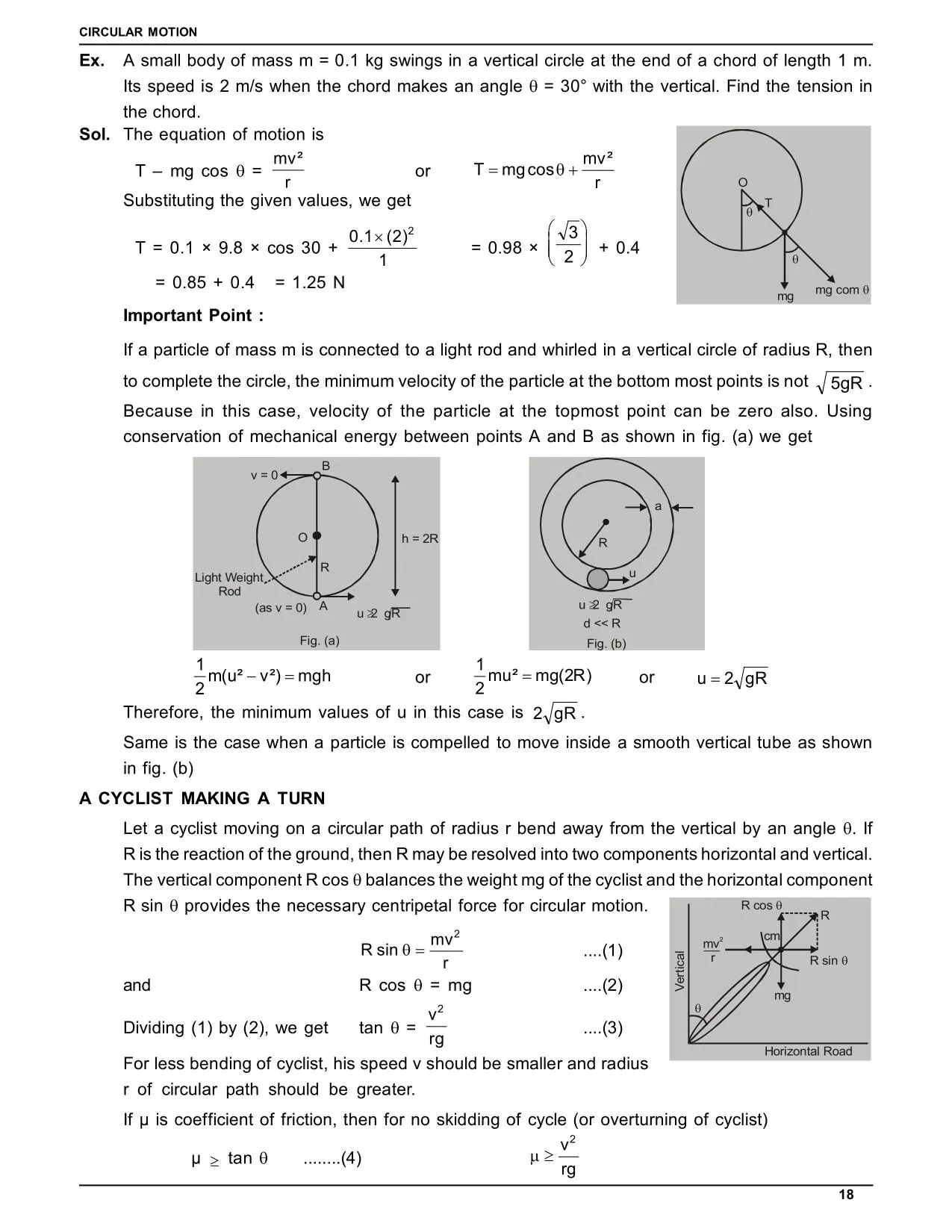
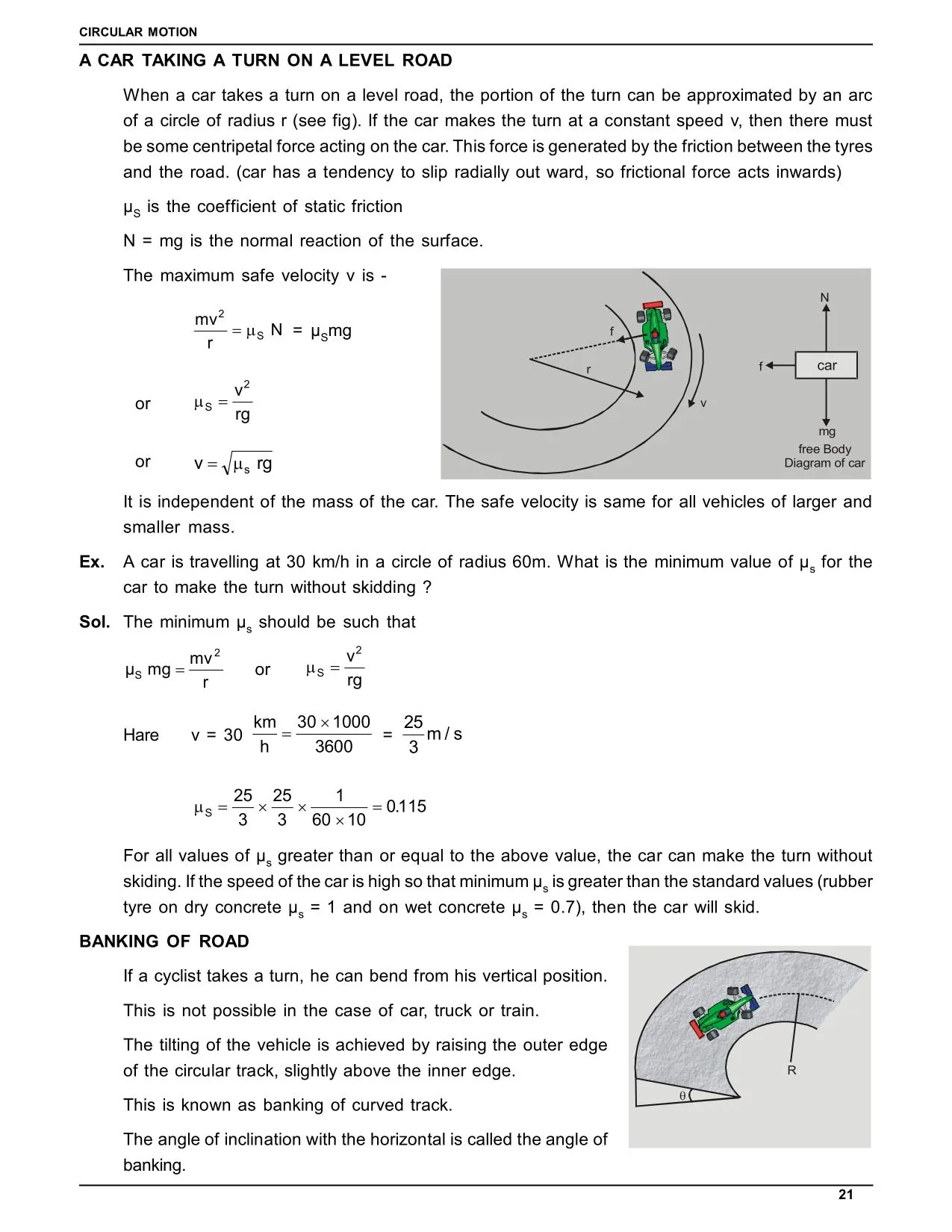
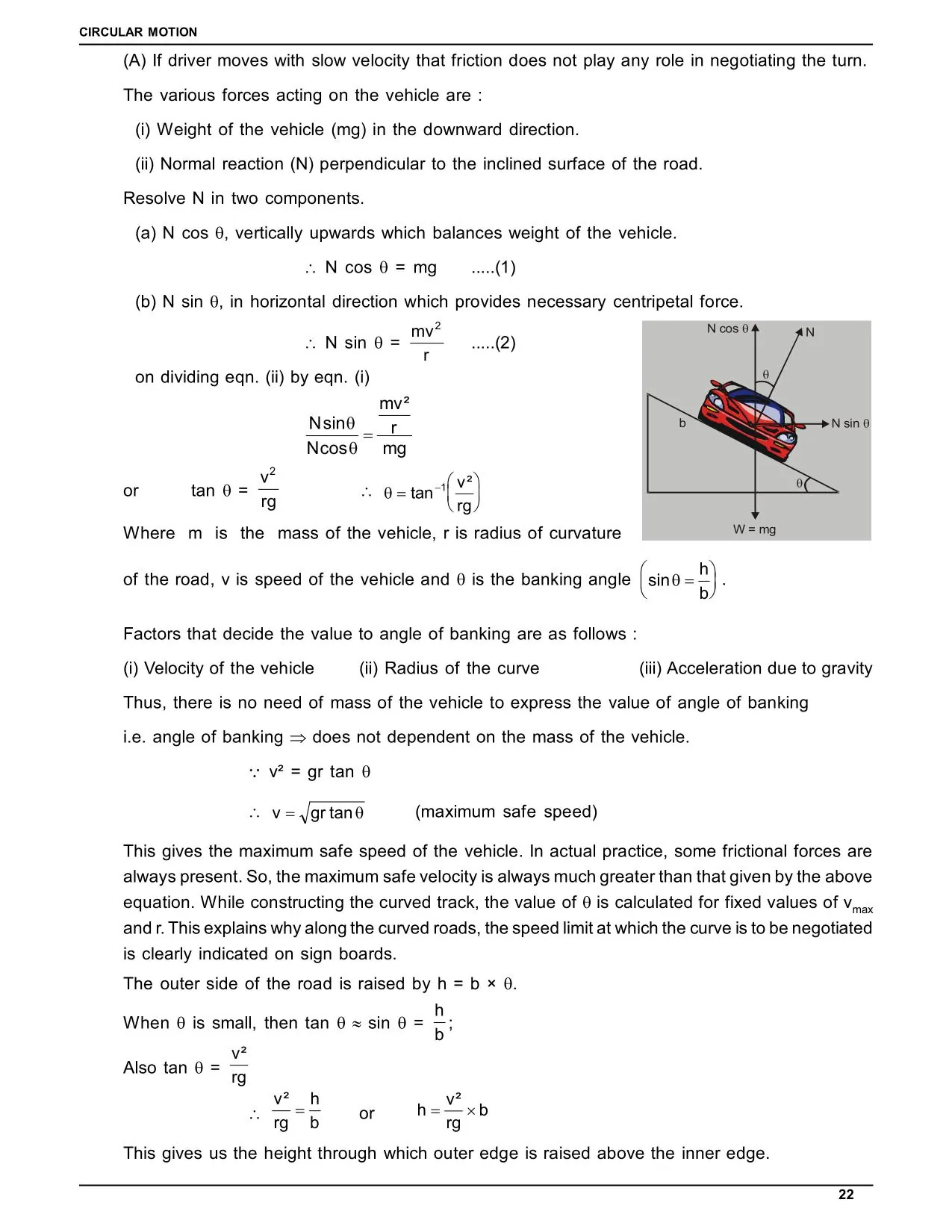
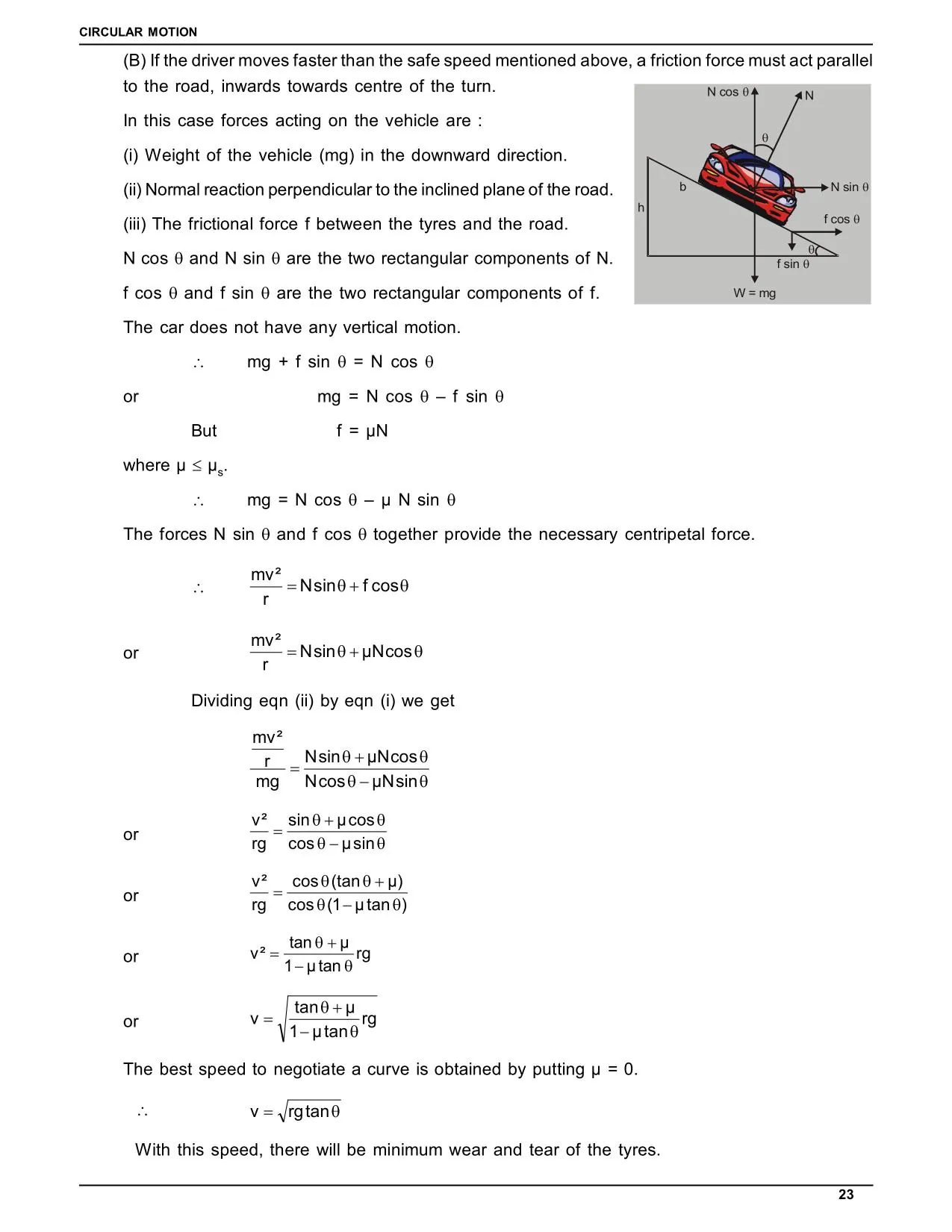
Banking of roads uses an inclined road surface so that a component of the normal force acts as centripetal force, reducing the friction needed for safe turning. The ideal banking angle θ satisfies tan θ = v²/rg, where v is the vehicle speed and r is the turn radius. This is a direct application of Newton's second law in circular motion.
Is circular motion in Class 11 Physics important for NEET?
Yes. NEET Physics includes questions on uniform circular motion, centripetal acceleration, and banking of roads under the Laws of Motion and Work-Energy unit. Typically 1–2 NEET questions touch on circular motion concepts each year. The same notes used for JEE preparation cover all NEET requirements for this topic.