Class 11 Physics Chapter 2 Notes : Unit and Measurement
Units and Measurement is a foundational Class 11 Physics chapter that explains standard units, measurement accuracy, significant figures, errors, and dimensional analysis essential for solving JEE and NEET numerical problems.
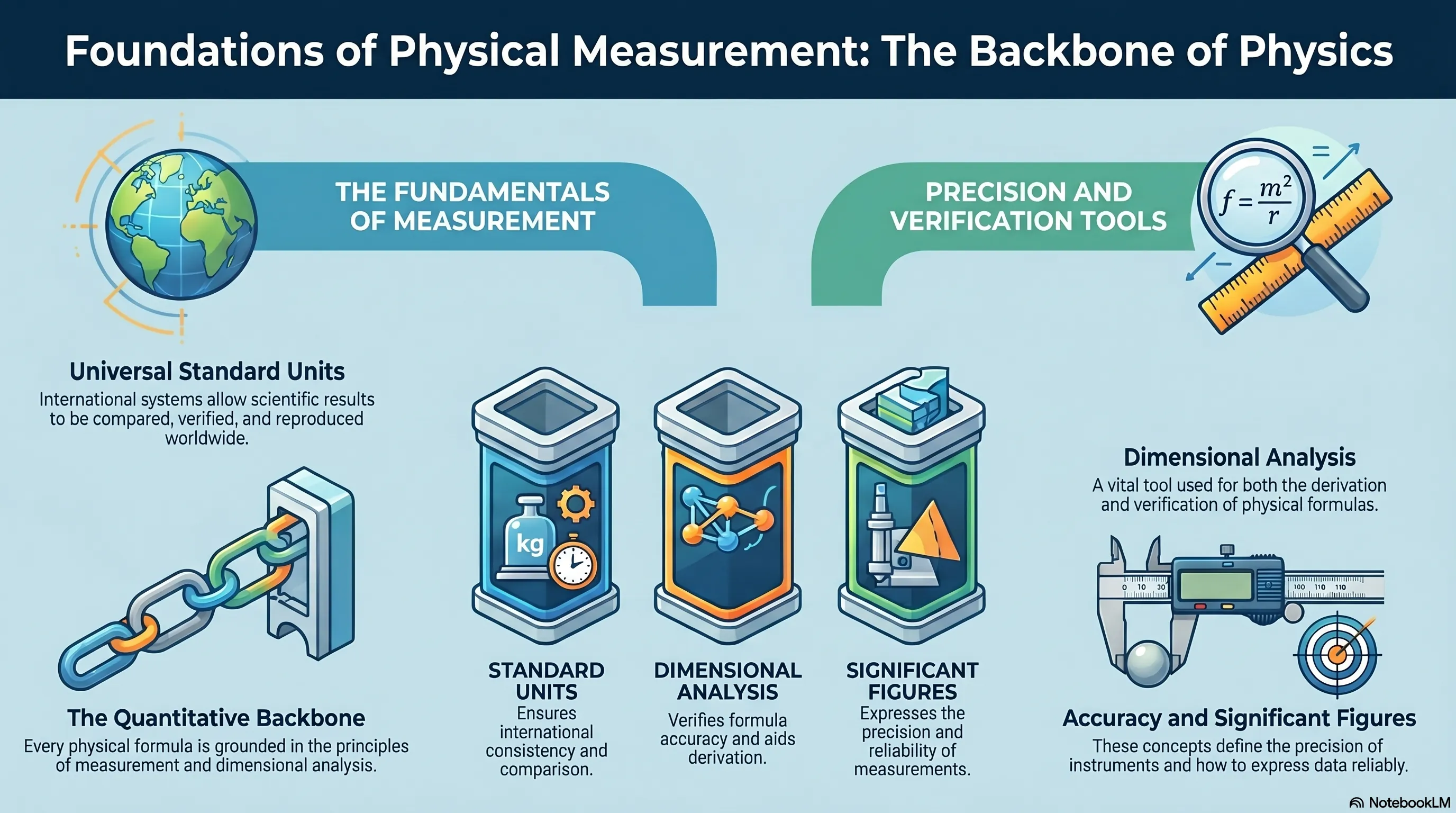
Table of Contents

eSaral › Class 11› Unit and Measurement

🚀 Checkout eSaral Courses
Why Measurement Matters in Physics
Physics is built on the ability to measure physical quantities accurately and express them in universally accepted units. Without a standard system of measurement, results from different laboratories across the world cannot be compared, verified, or reproduced.
Chapter 2 of Class 11 Physics (NCERT) introduces students to:
- The need for measurement in science
- Standard units and international systems
- Accuracy, precision, and errors in instruments
- Significant figures to express precision
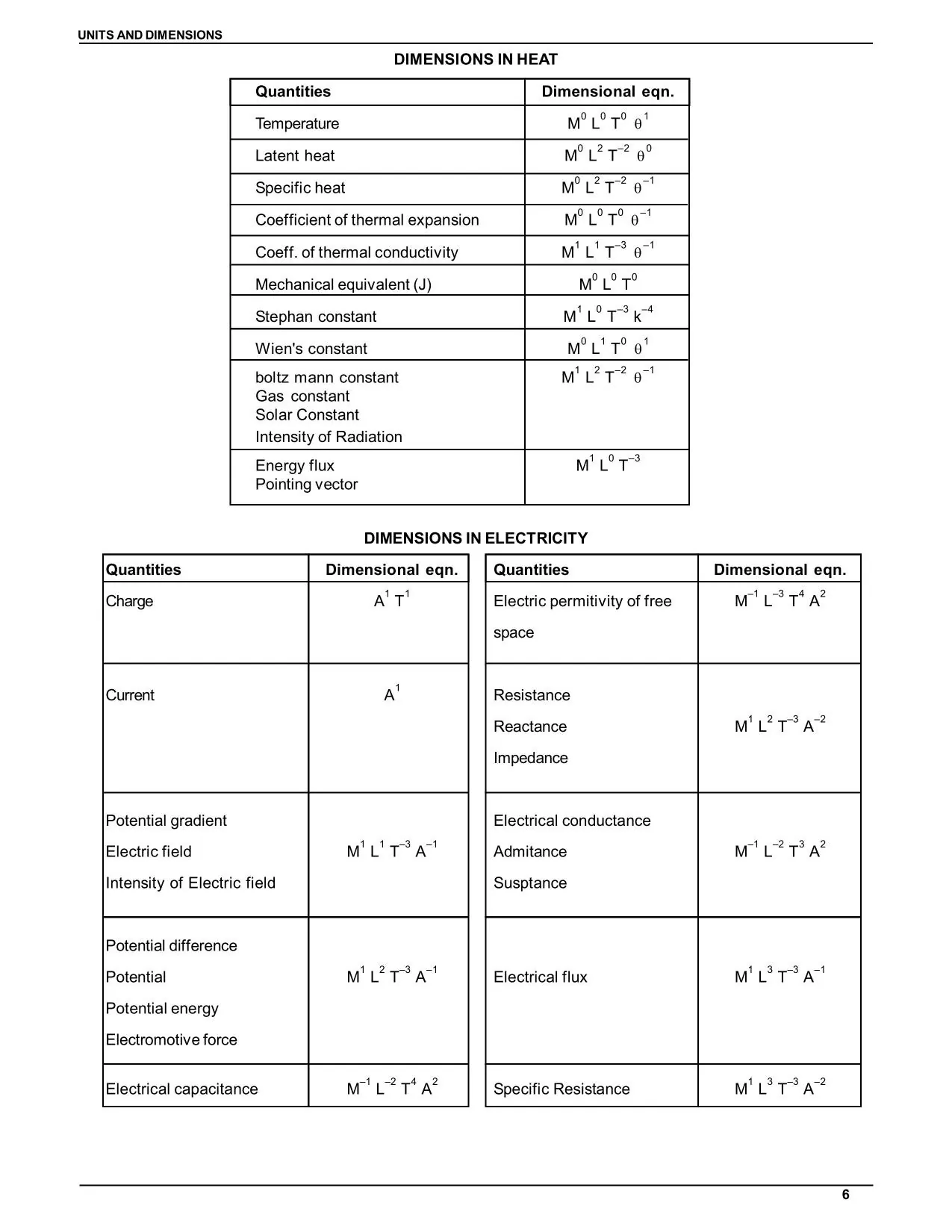
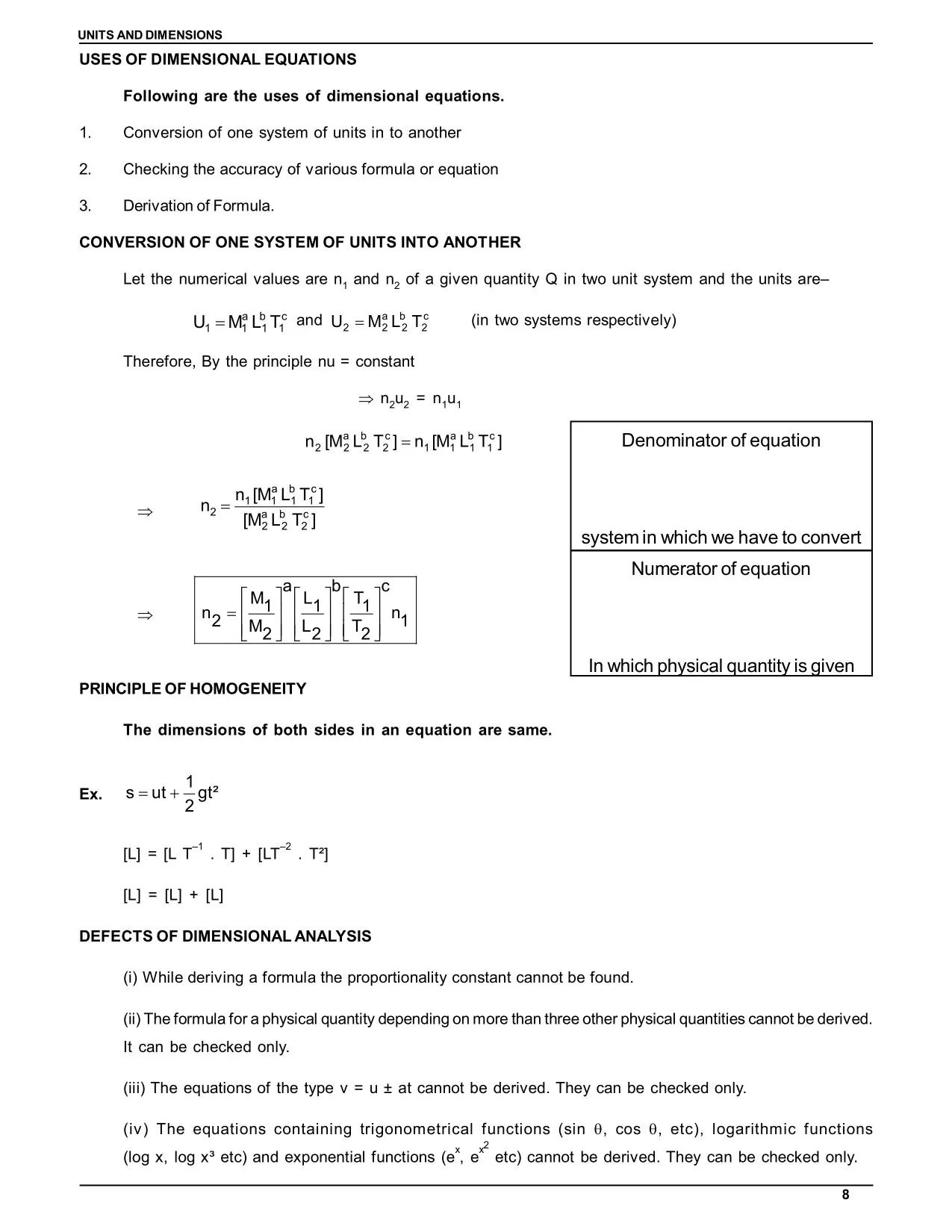
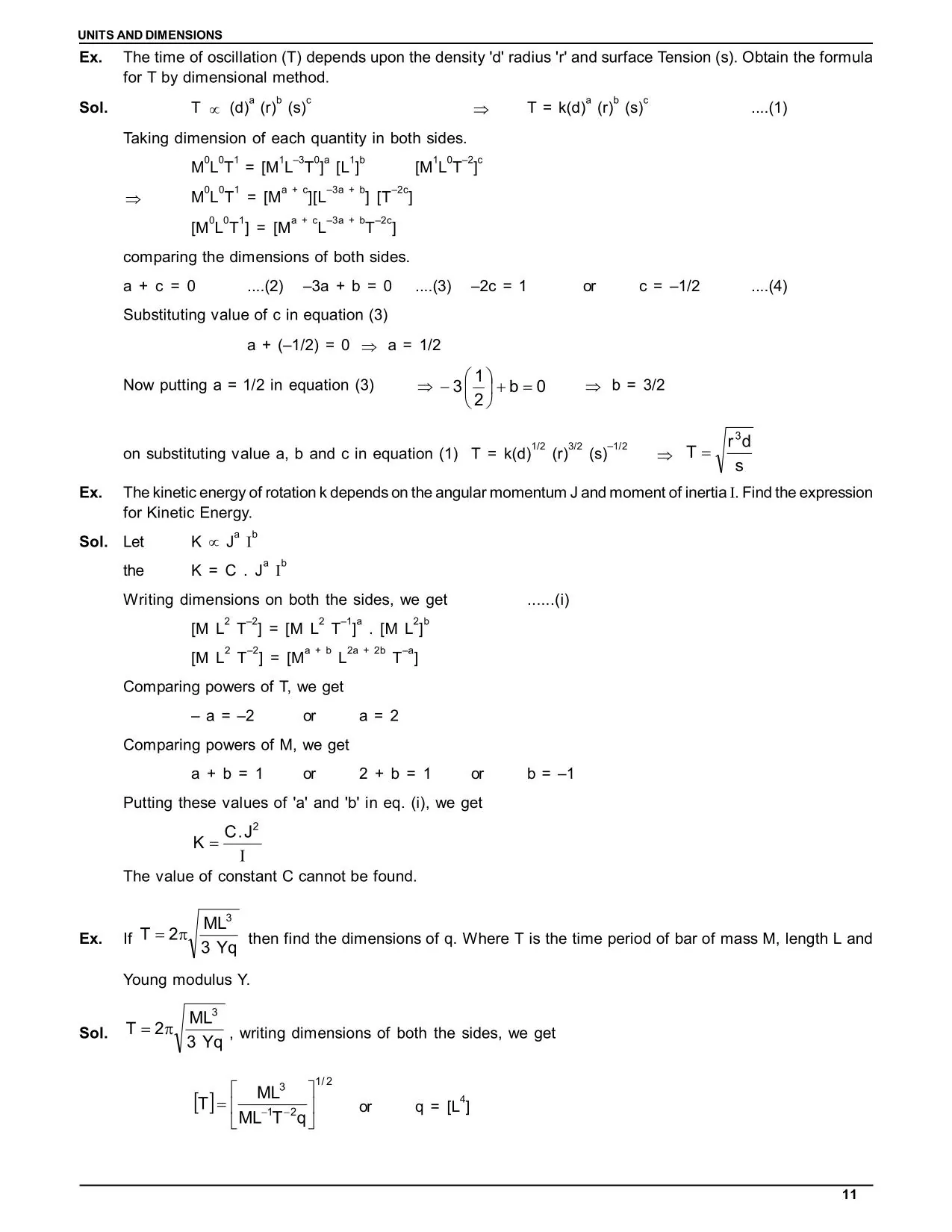
- Dimensional analysis as a verification and derivation tool
This chapter forms the backbone of all quantitative physics — every formula you use in mechanics, electromagnetism, or thermodynamics is grounded in the ideas introduced here. Students who master Units and Measurement find it significantly easier to verify formulas during JEE and NEET problem-solving.
India's Best Exam Preparation for Class 11th - Download Now
Class 11 Physics Chapter 2 Notes
India's Best Exam Preparation for Class 11th - Download Now
India's Best Exam Preparation for Class 11th - Download Now
India's Best Exam Preparation for Class 11th - Download Now
India's Best Exam Preparation for Class 11th - Download Now
🚀 Checkout eSaral Courses
Frequently Asked Questions
Find answers to common questions.
What are the 7 fundamental quantities in SI units?
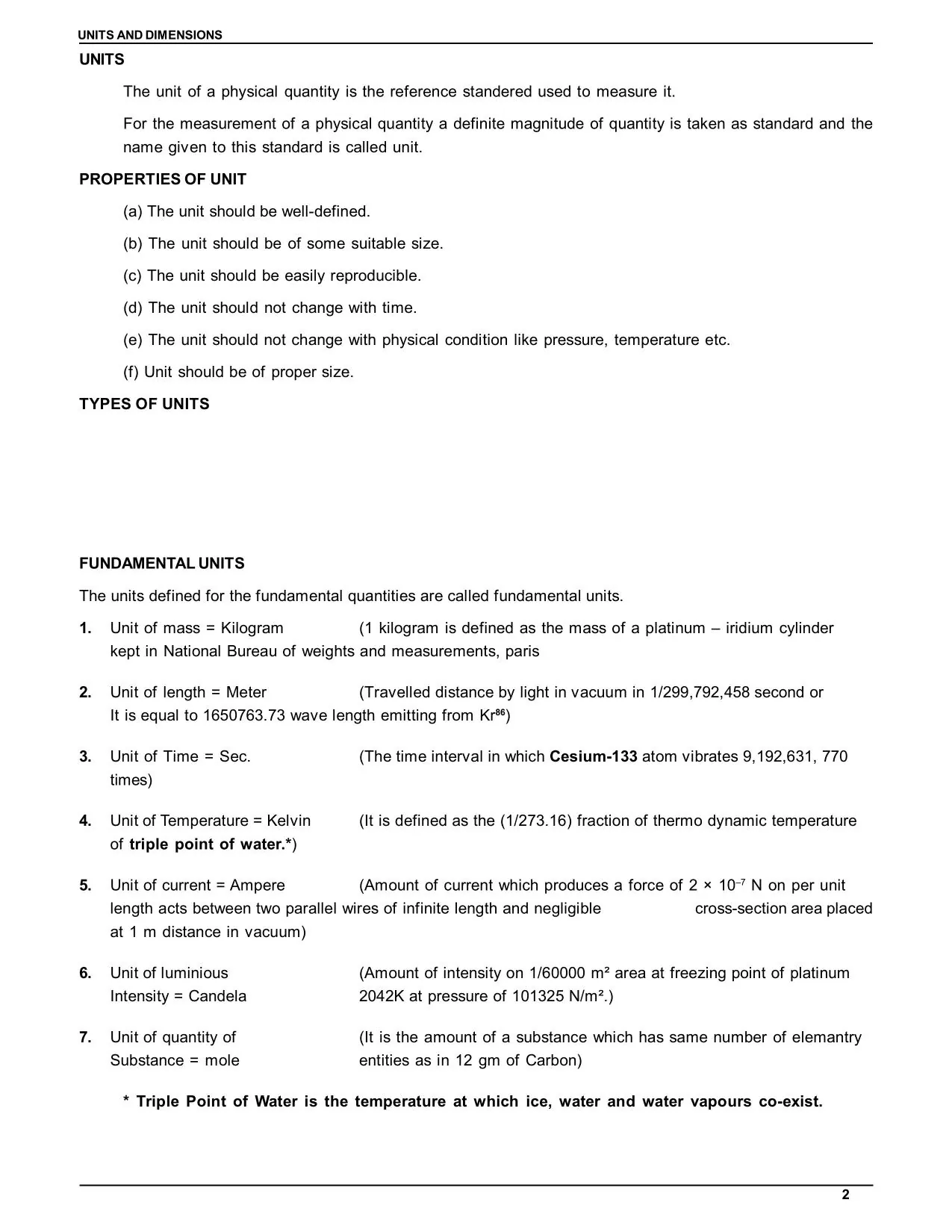
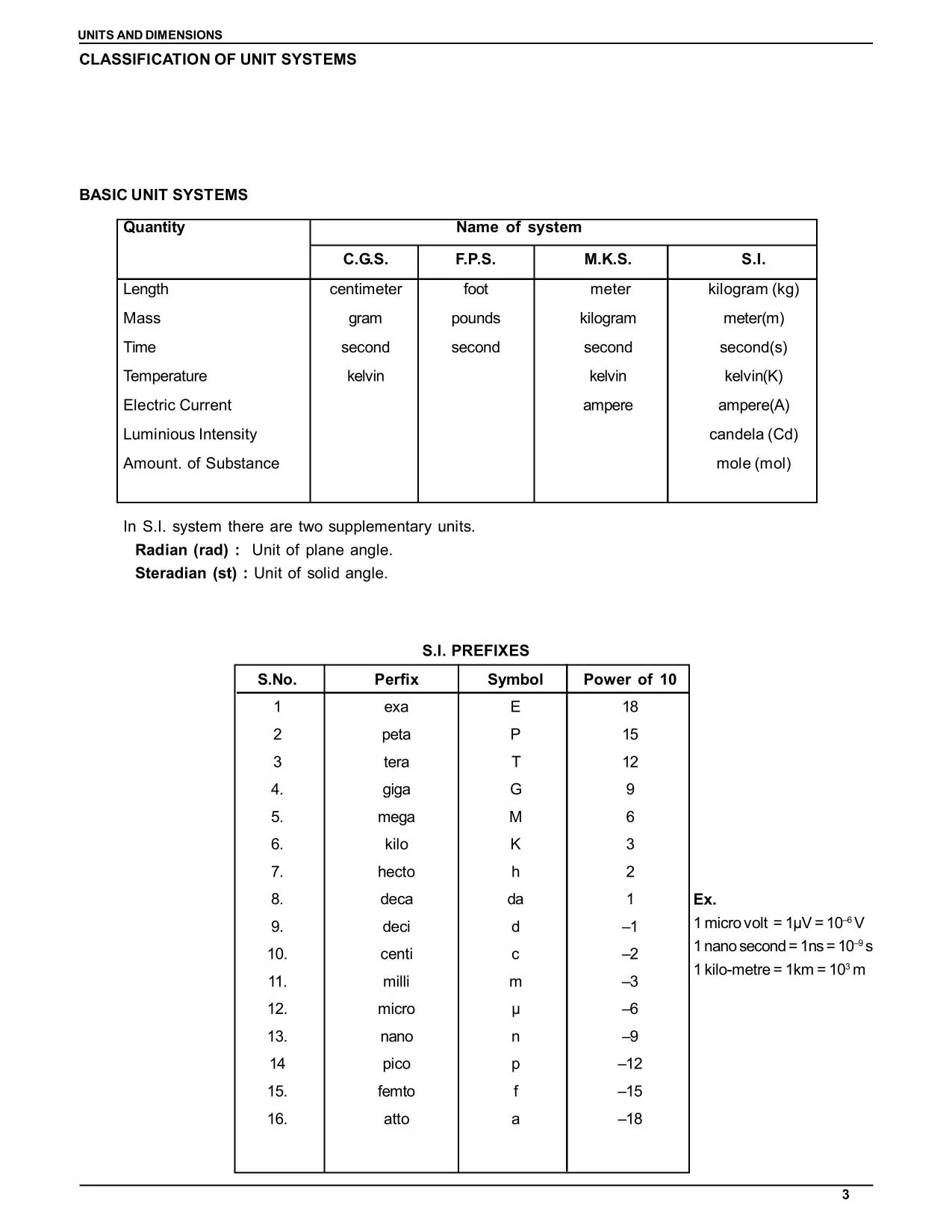
The seven fundamental SI quantities are: length (metre), mass (kilogram), time (second), electric current (ampere), thermodynamic temperature (kelvin), amount of substance (mole), and luminous intensity (candela). All other physical quantities are derived from combinations of these seven base units.
What is the difference between accuracy and precision in measurement?
Accuracy refers to how close a measured value is to the true value. Precision refers to how close repeated measurements are to each other, regardless of the true value. A measurement can be precise but inaccurate (consistently wrong in the same direction — systematic error) or accurate but imprecise (correct on average but scattered).
How do you calculate percentage error in physics?
Percentage error = (Mean Absolute Error / Mean Value) × 100. First, calculate the mean of all readings. Then find the absolute error for each reading. Average those absolute errors to get the mean absolute error. Divide by the mean value and multiply by 100. This tells you the reliability of your measurement as a percentage.
What is dimensional analysis in Physics?
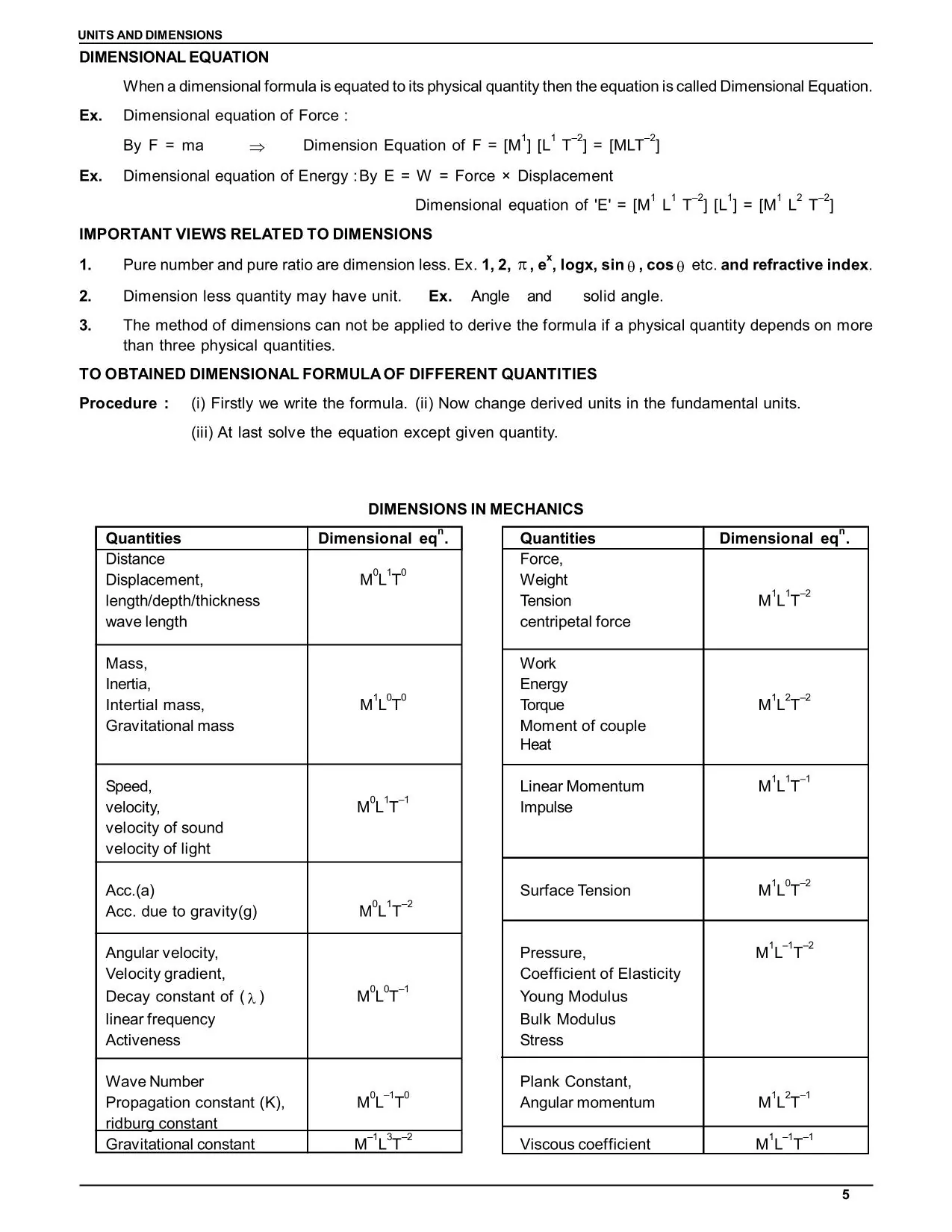
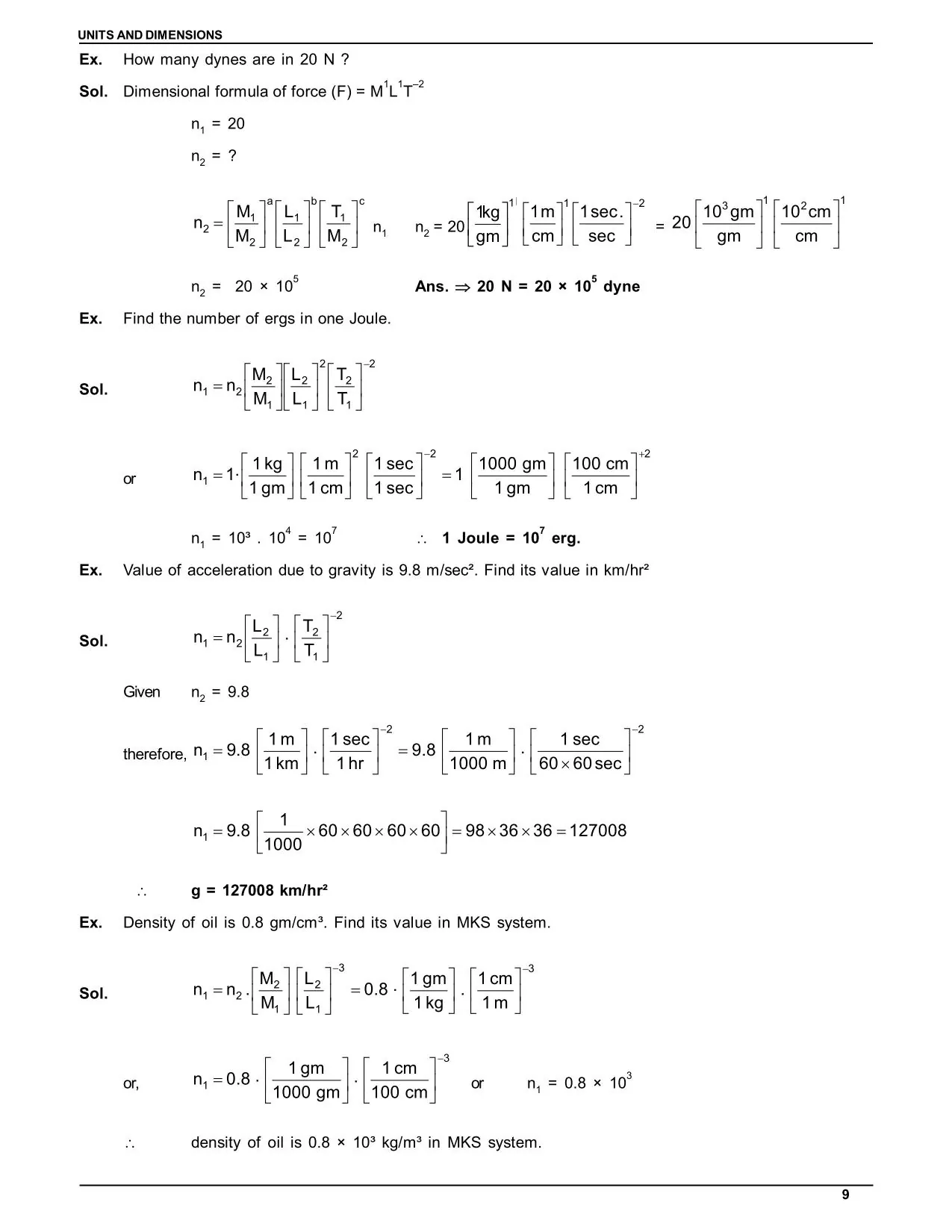
Dimensional analysis is a method used to check the correctness of equations, derive relationships between physical quantities, and convert units from one system to another.
Why are significant figures important?
Significant figures help express the precision of measurements and prevent overestimating the accuracy of calculated results