Mind Map for Biomolecules Part 1 Revision - Class 12, JEE, NEET
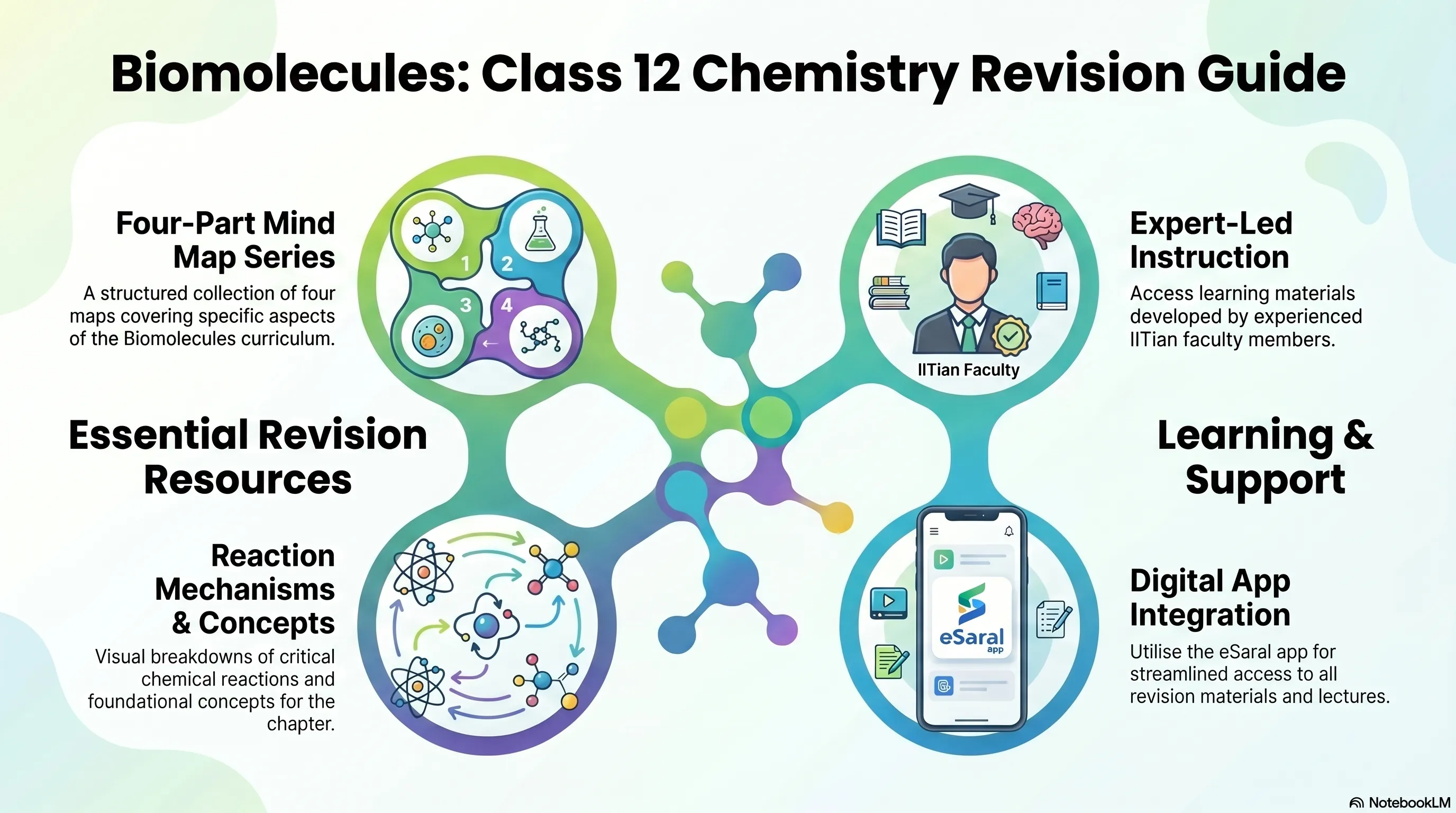
Mind maps for Biomolecules Part 1 provide a quick revision of key concepts, reaction mechanisms, and important topics in biomolecules through four downloadable visual summaries.

eSaral › Class 12 › Mind Map for Biomolecules Part 1 Revision

🚀 Checkout eSaral Courses
Here are the mind maps for to revise important reaction mechanisms, key concepts and more in Biomolecules.
It's easy to gloss over the exact formula while reading through this — the chemical formula of glucose page spells it out clearly.
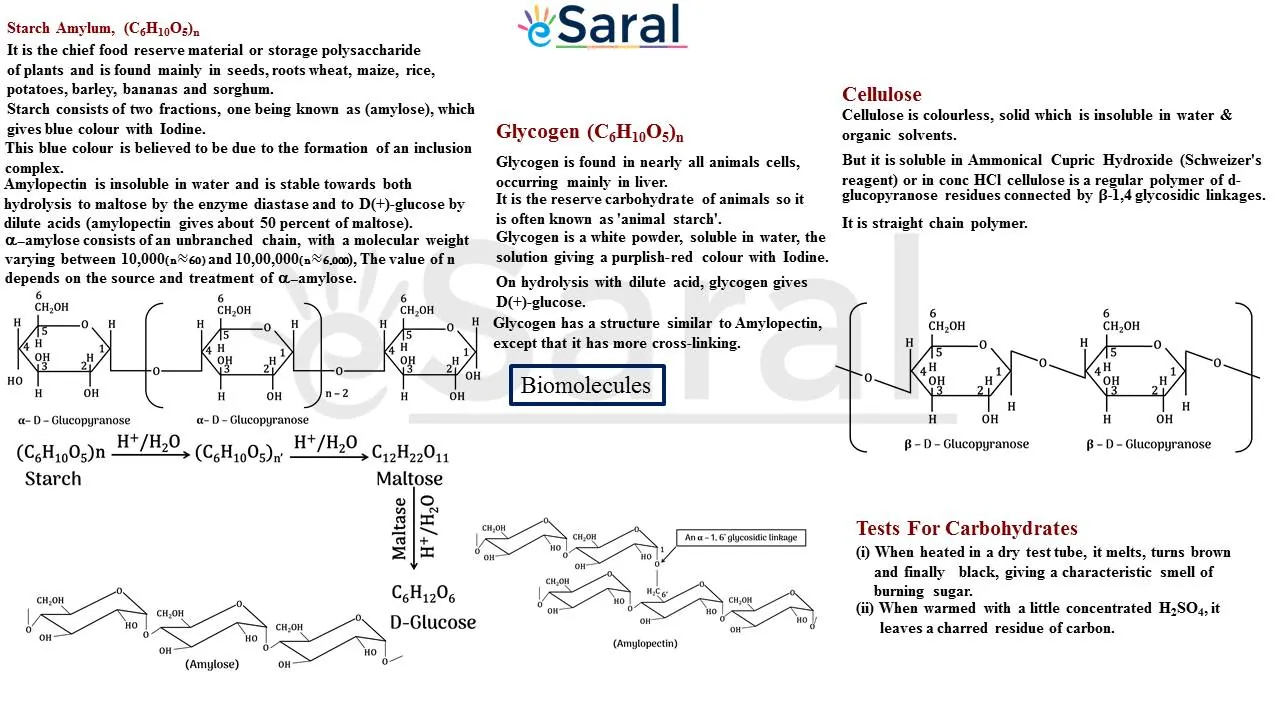
MIND MAP - 1
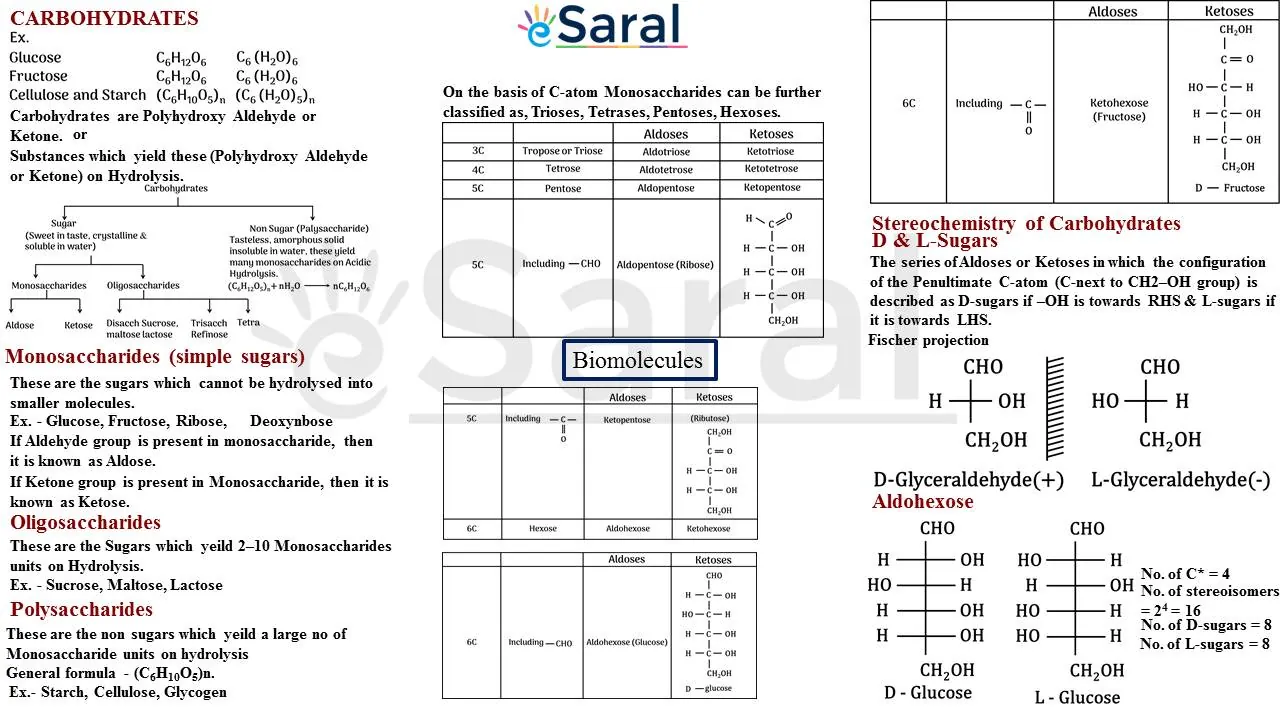
MIND MAP - 2
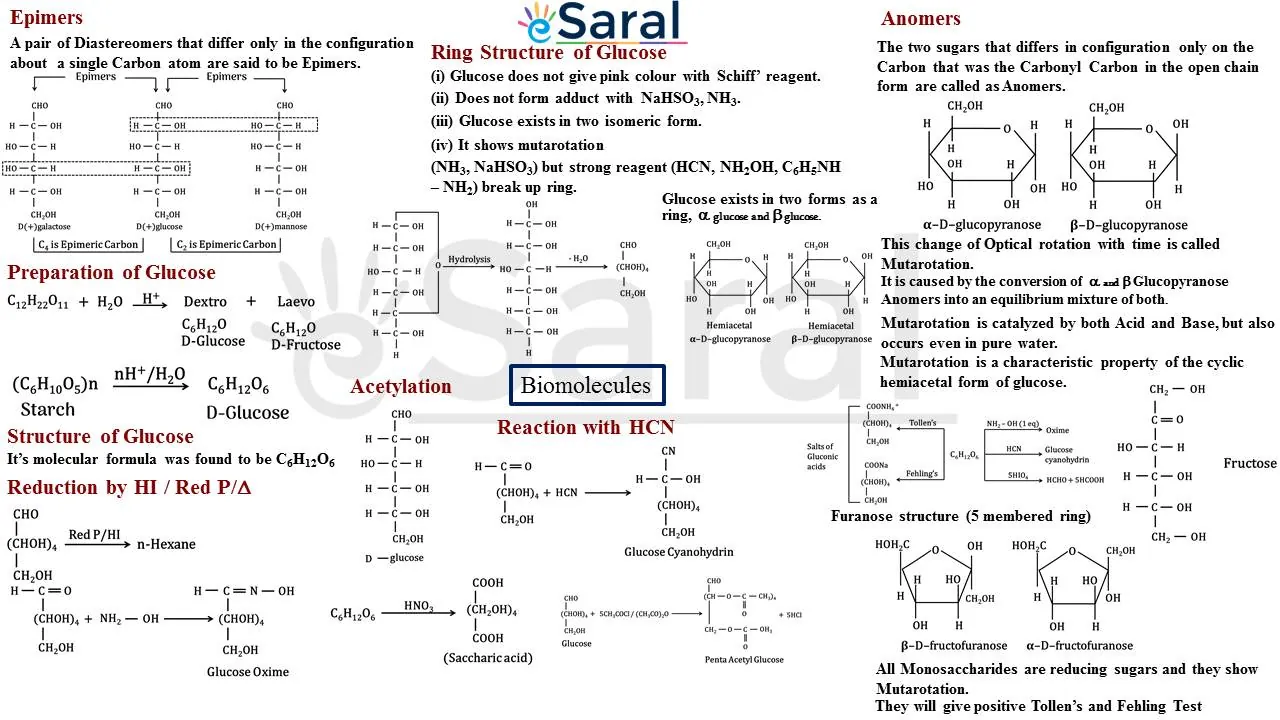
MIND MAP - 3
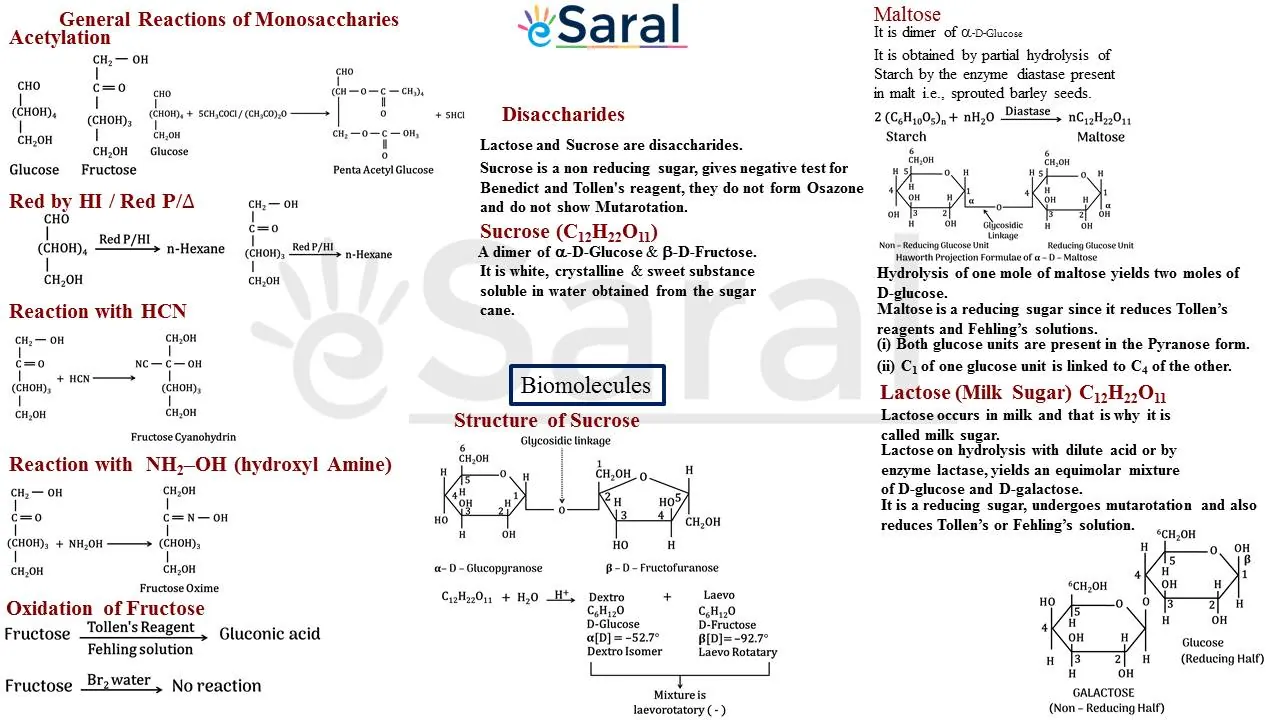
MIND MAP - 4
Download eSaral App & Learn with Kota's Top IITian Faculties.
Frequently Asked Questions
Find answers to common questions.
Which topics in Biomolecules are most important for NEET 2025?
Carbohydrates (reducing sugars, anomers), protein structure and denaturation, and nucleic acid base pairing are the three highest-yield areas for NEET 2025. NTA has asked at least one question from protein denaturation in four of the last five NEET papers. Cover these three clusters first using Mind Maps 1, 2, and 3 before moving to lipids and vitamins.
Are biomolecules important for JEE Main?
Biomolecules carries low-to-moderate weightage in JEE Main — typically 1–2 questions per paper from Chapter 14. However, since these are relatively straightforward definition-based questions, most students who revise using structured notes or mind maps score full marks on them. It is a reliable source of easy marks that should not be skipped.
How long does it take to revise Biomolecules using these mind maps?
A focused student can complete all four mind maps in 90–120 minutes. Spend roughly 25–30 minutes per map: 10 minutes reading and tracing the branches, 10 minutes writing key points from memory, and 10 minutes checking gaps against NCERT. This approach is recommended by eSaral's Kota-trained faculty for last-week revision before NEET or JEE Main.
What is the difference between a reducing sugar and a non-reducing sugar?
A reducing sugar has a free aldehyde or ketone group that can reduce Fehling's or Tollens' reagent. All monosaccharides and most disaccharides (maltose, lactose) are reducing sugars. Sucrose is the classic non-reducing disaccharide because both anomeric carbons are involved in the glycosidic bond, leaving no free reducing group. This distinction appears in NEET almost every year.
How does denaturation of proteins work?
Denaturation is the disruption of a protein's secondary, tertiary, or quaternary structure without breaking the primary peptide bonds. Heat, strong acids/bases, heavy metals, and organic solvents all cause denaturation by disrupting hydrogen bonds, disulfide bridges, and hydrophobic interactions. The protein loses its biological activity. Denaturation is usually irreversible in biological systems, though some proteins can refold (renaturation) under mild conditions.