Carboxylic Acid & its Derivatives Notes for Class 12, IIT JEE & NEET
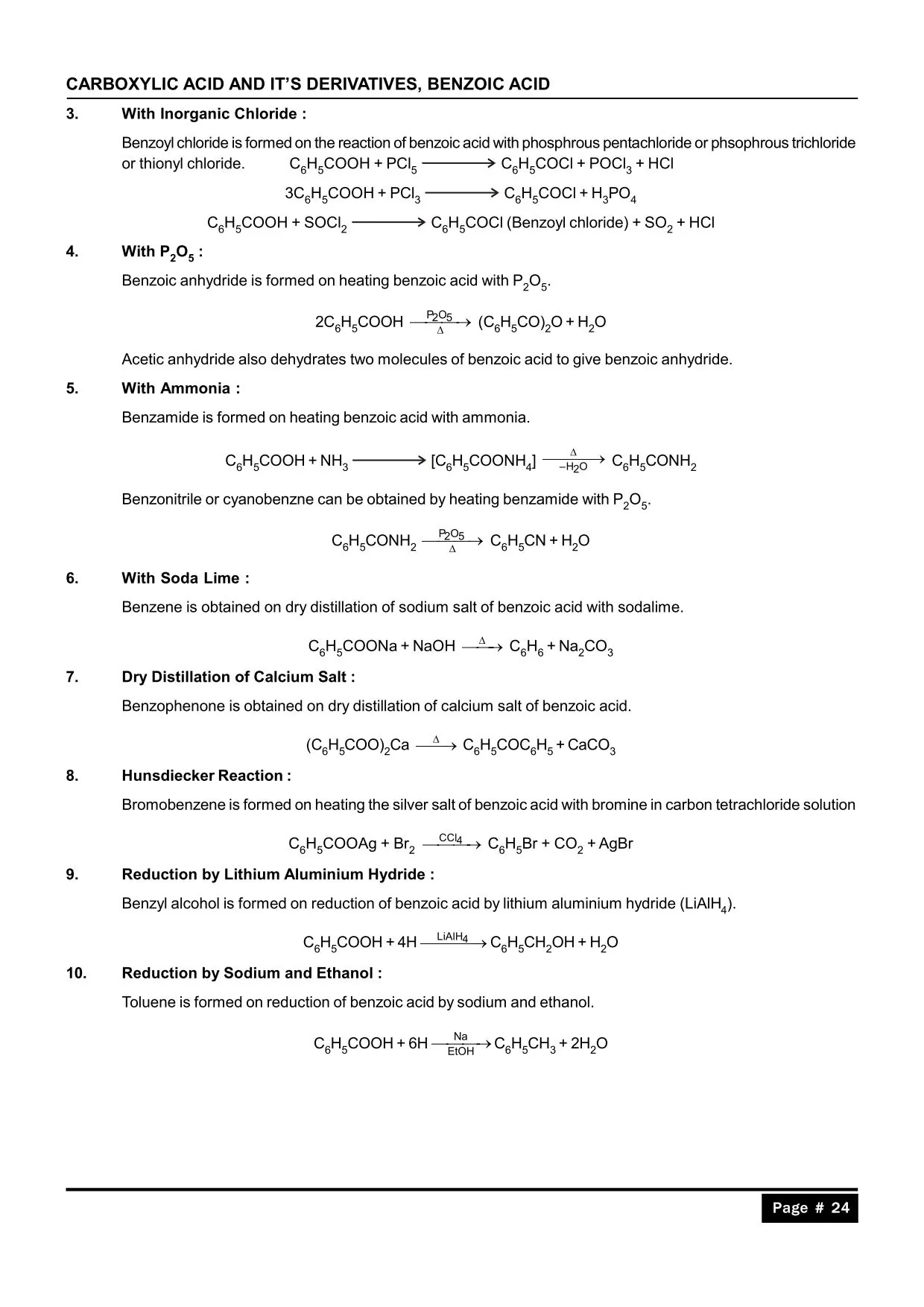
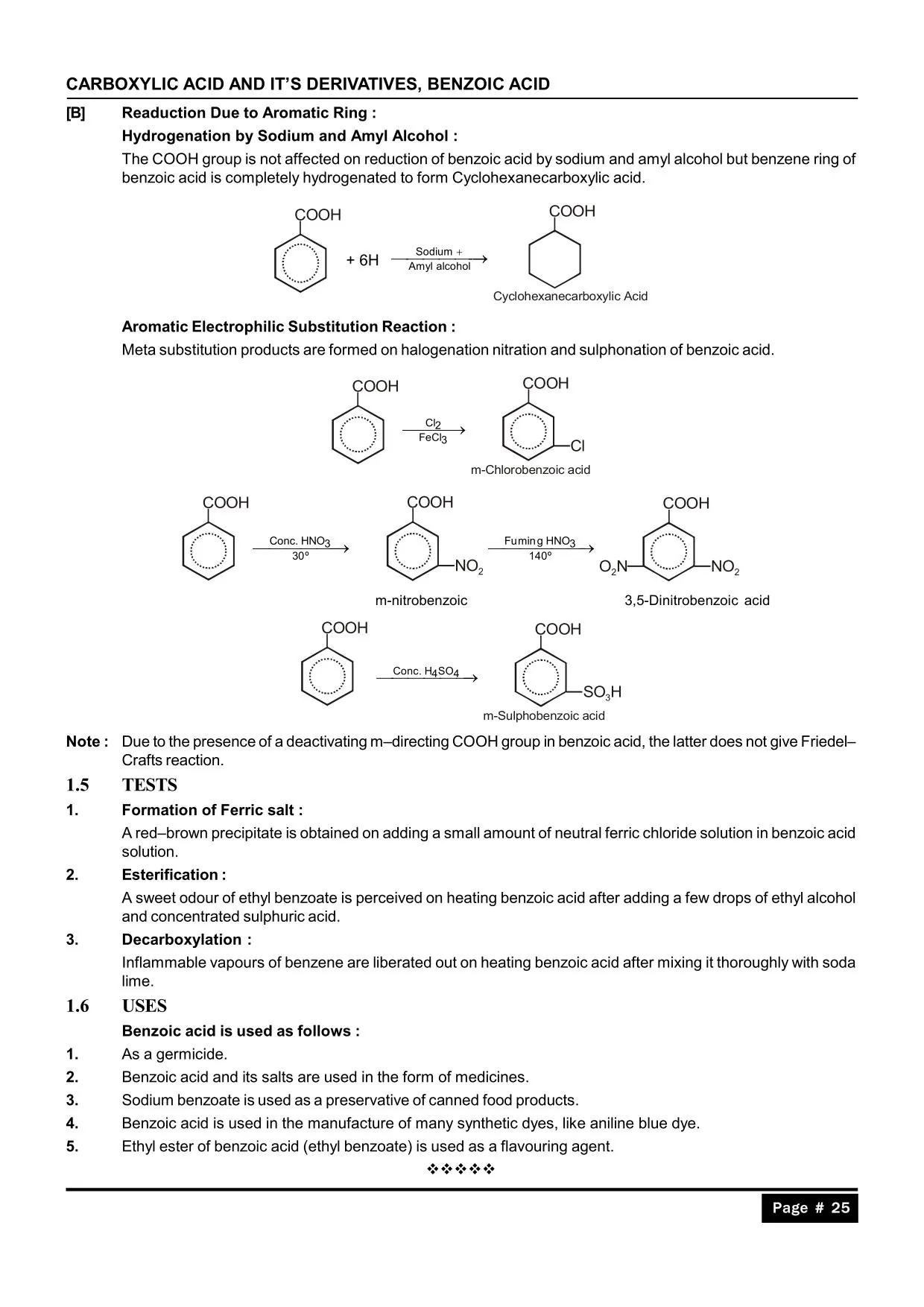
Carboxylic Acids and Their Derivatives are important organic compounds containing the –COOH functional group, with notes covering their structure, properties, reactions, preparation methods, and JEE/NEET-focused concepts for quick revision.
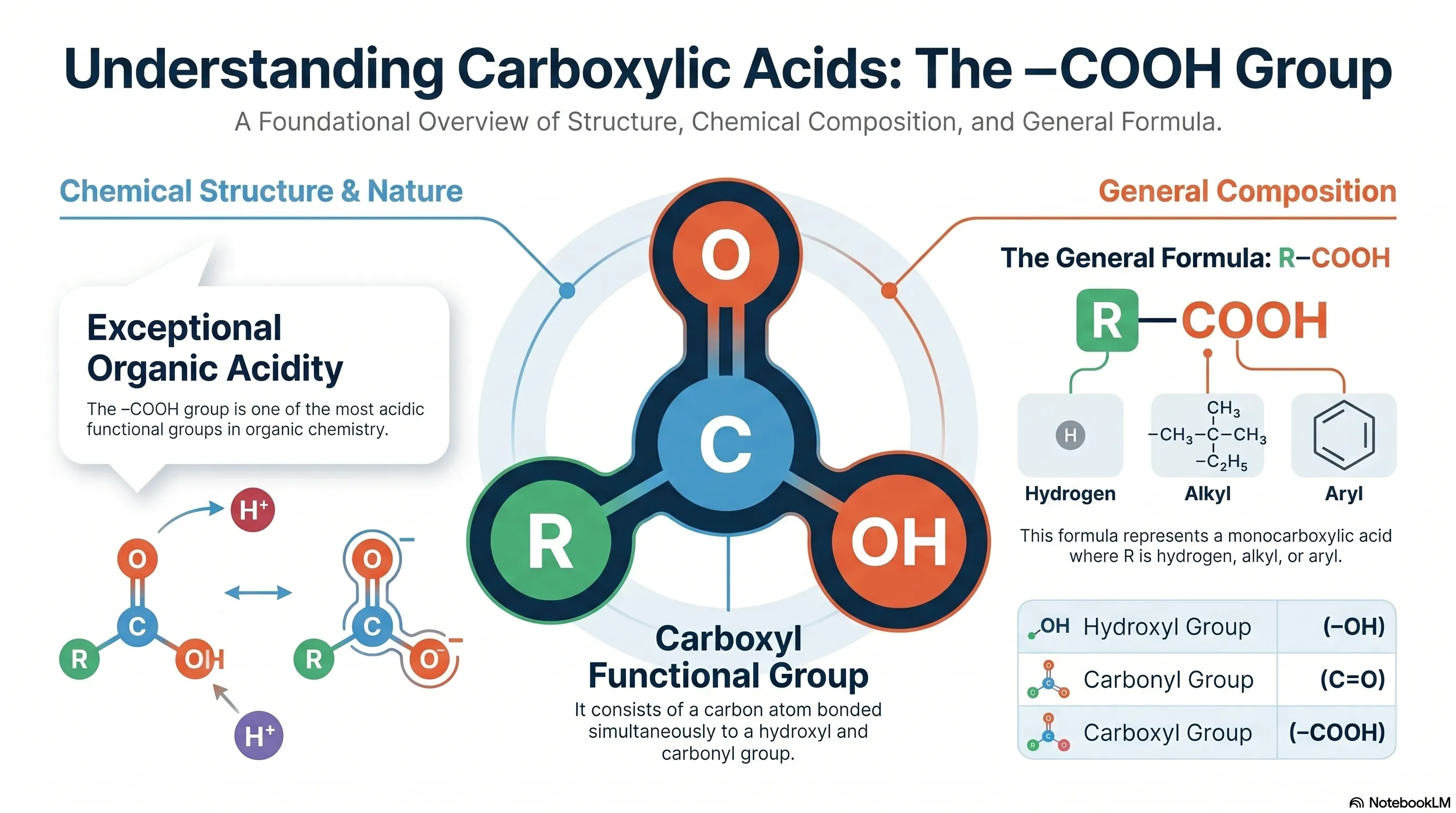
Table of Contents

eSaral › Class 12 >Carboxylic Acid & its Derivatives Notes for Class 12

What Are Carboxylic Acids?
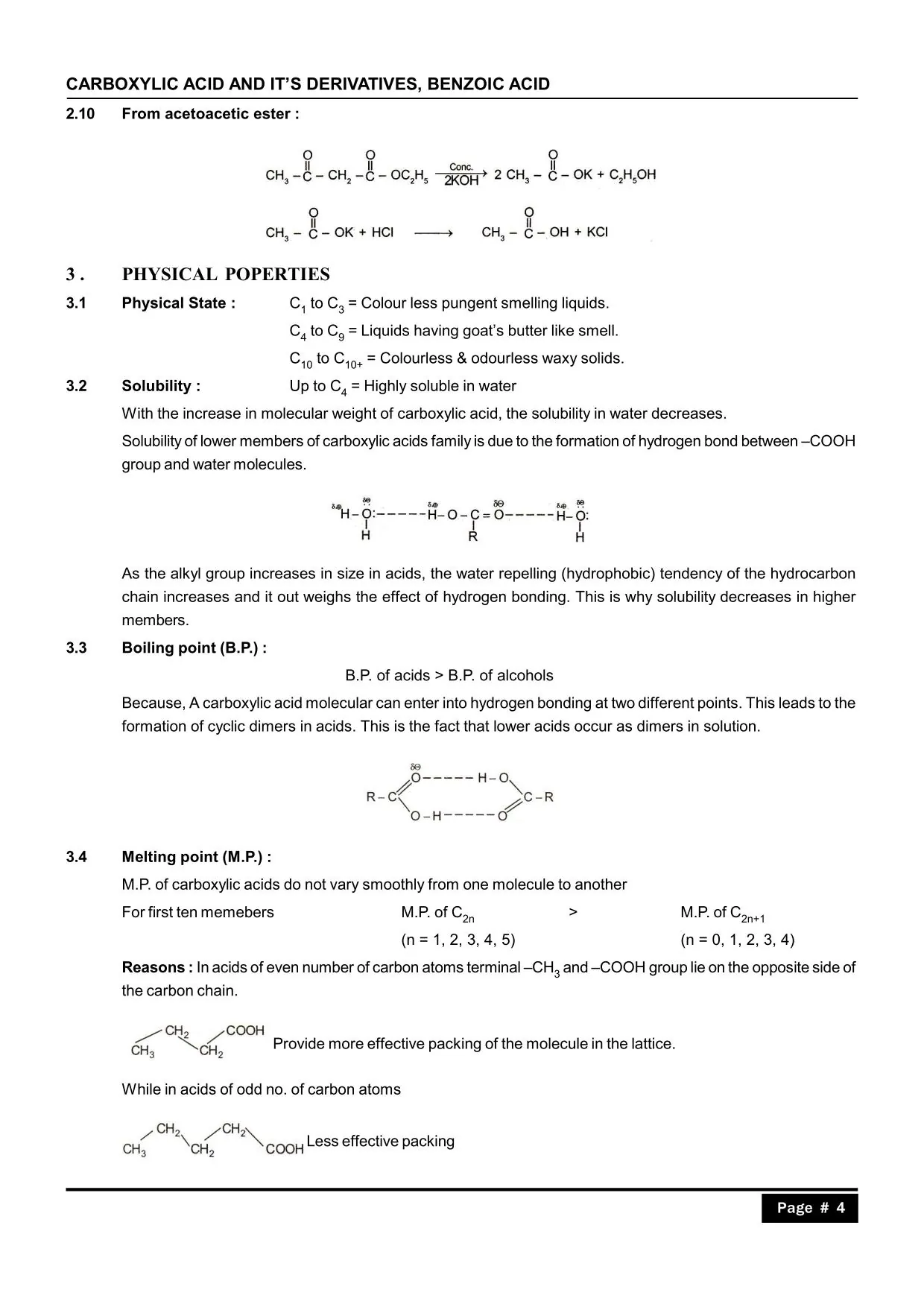
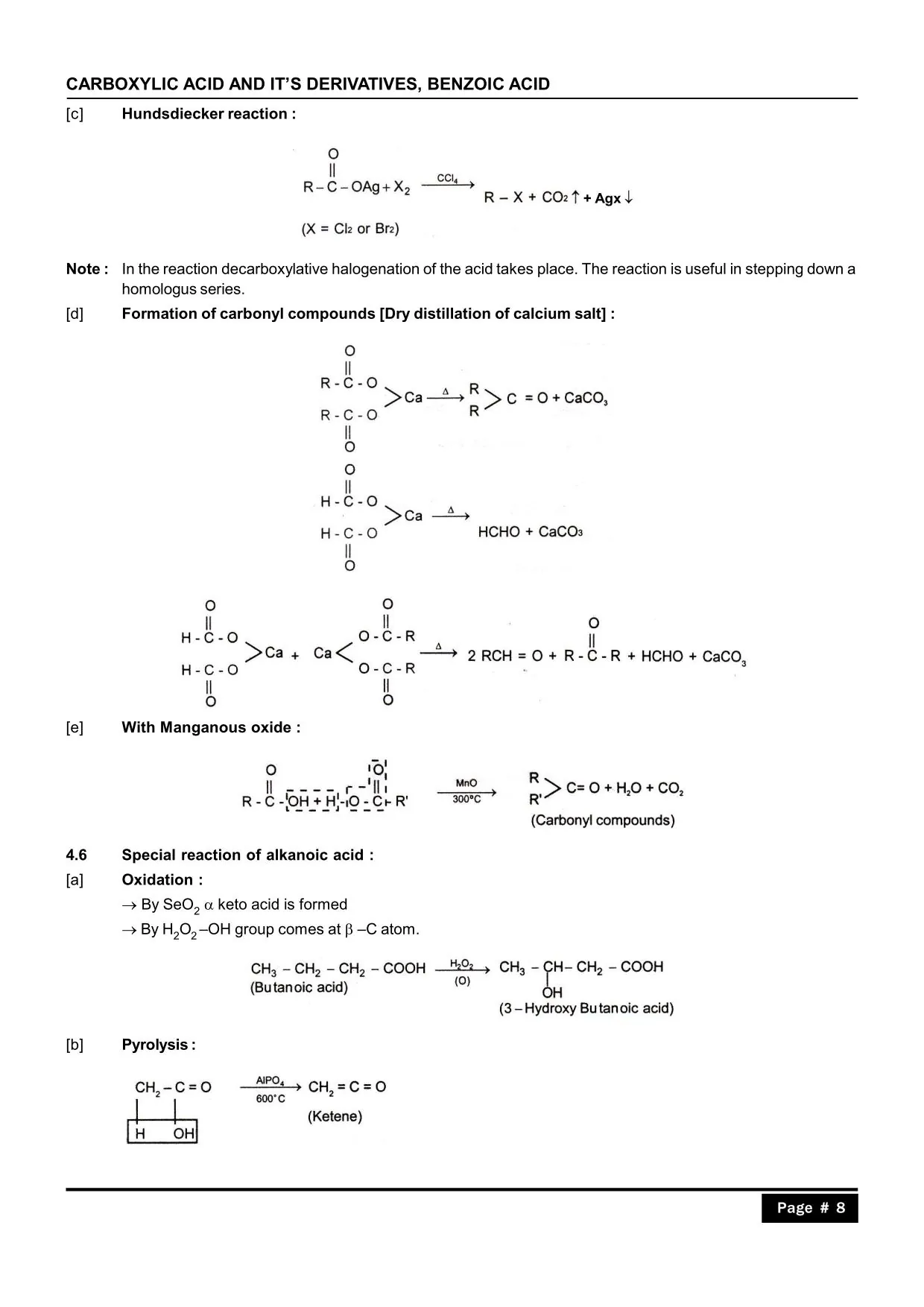
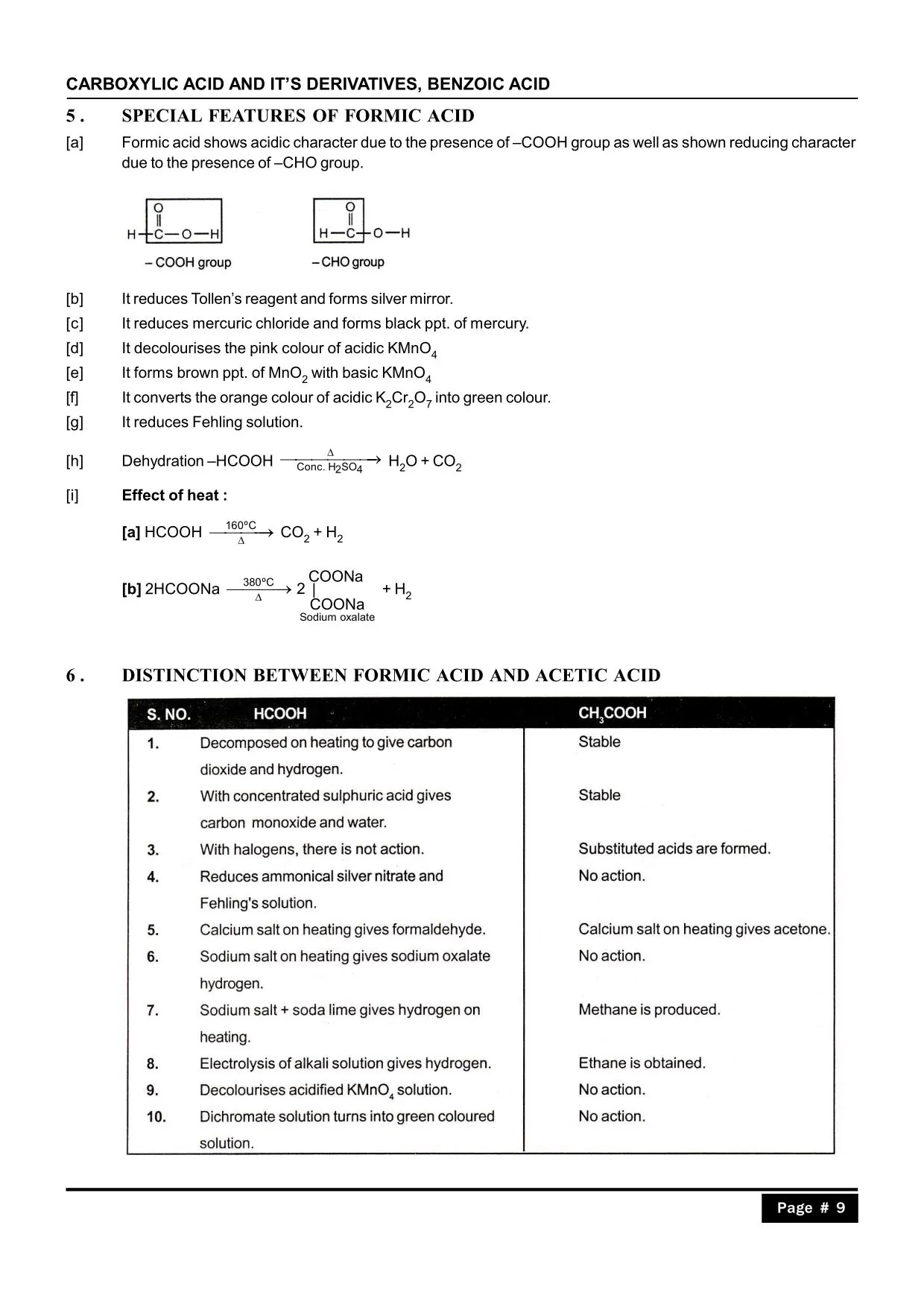
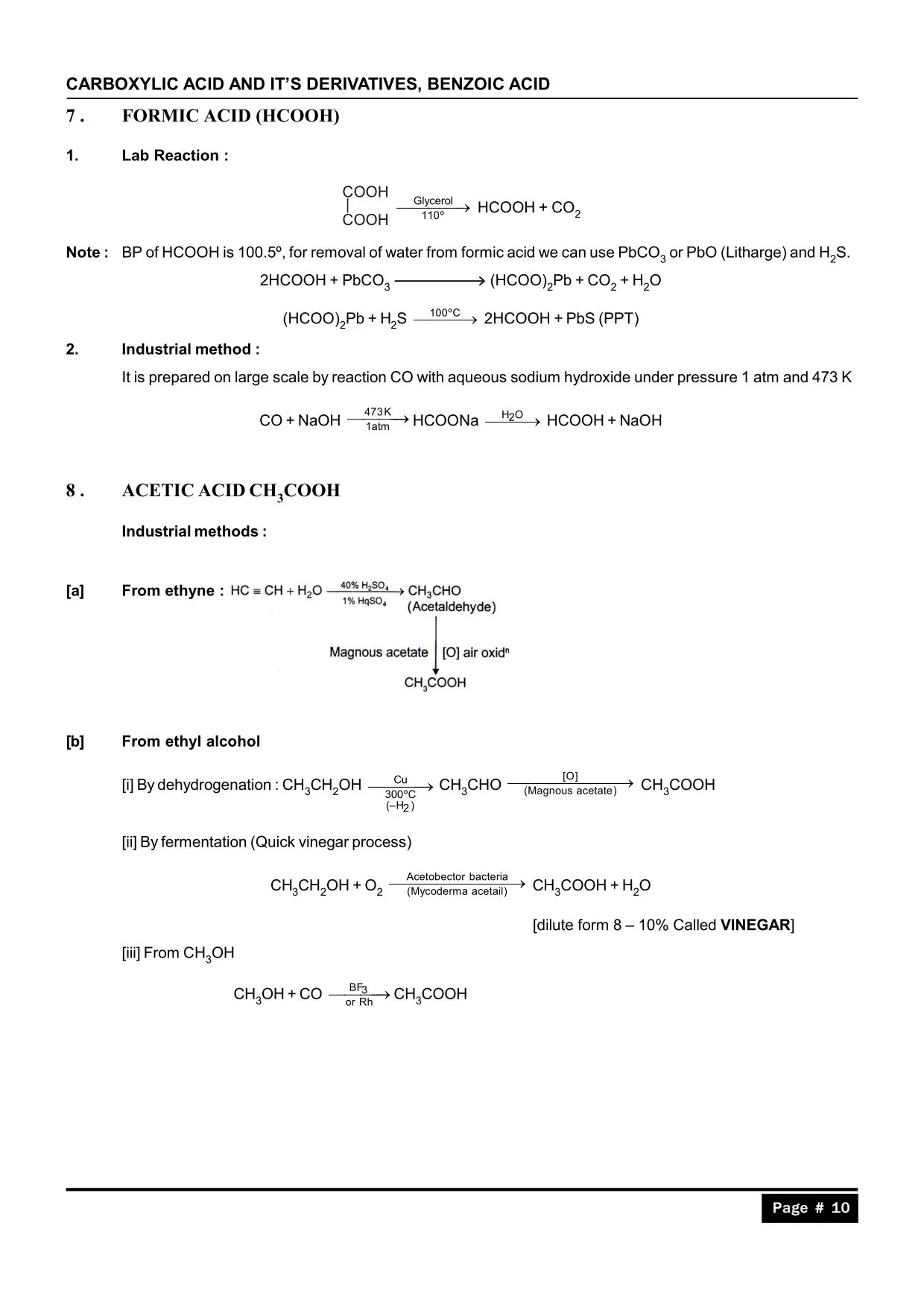
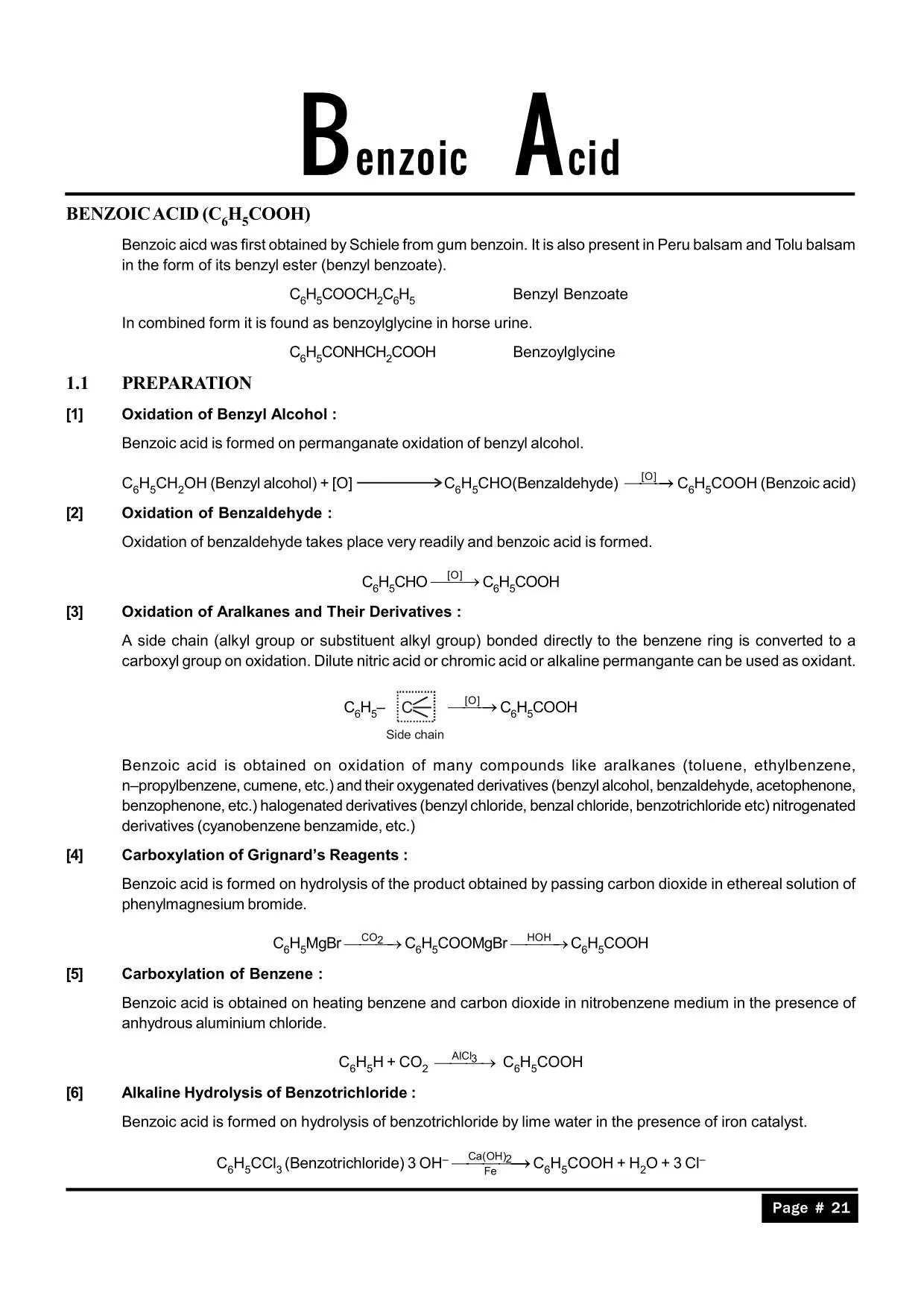
Carboxylic acids are organic compounds that contain the carboxyl functional group, written as –COOH. The carbon of the –COOH group is bonded to a hydroxyl group (–OH) and a carbonyl group (C=O) simultaneously, making it one of the most acidic functional groups in organic chemistry.
The general formula for a monocarboxylic acid is R–COOH, where R is a hydrogen atom or an alkyl/aryl group.
Carboxylic Acid & its Derivatives Notes
Frequently Asked Questions
Find answers to common questions.
What is a carboxylic acid and why is it acidic?
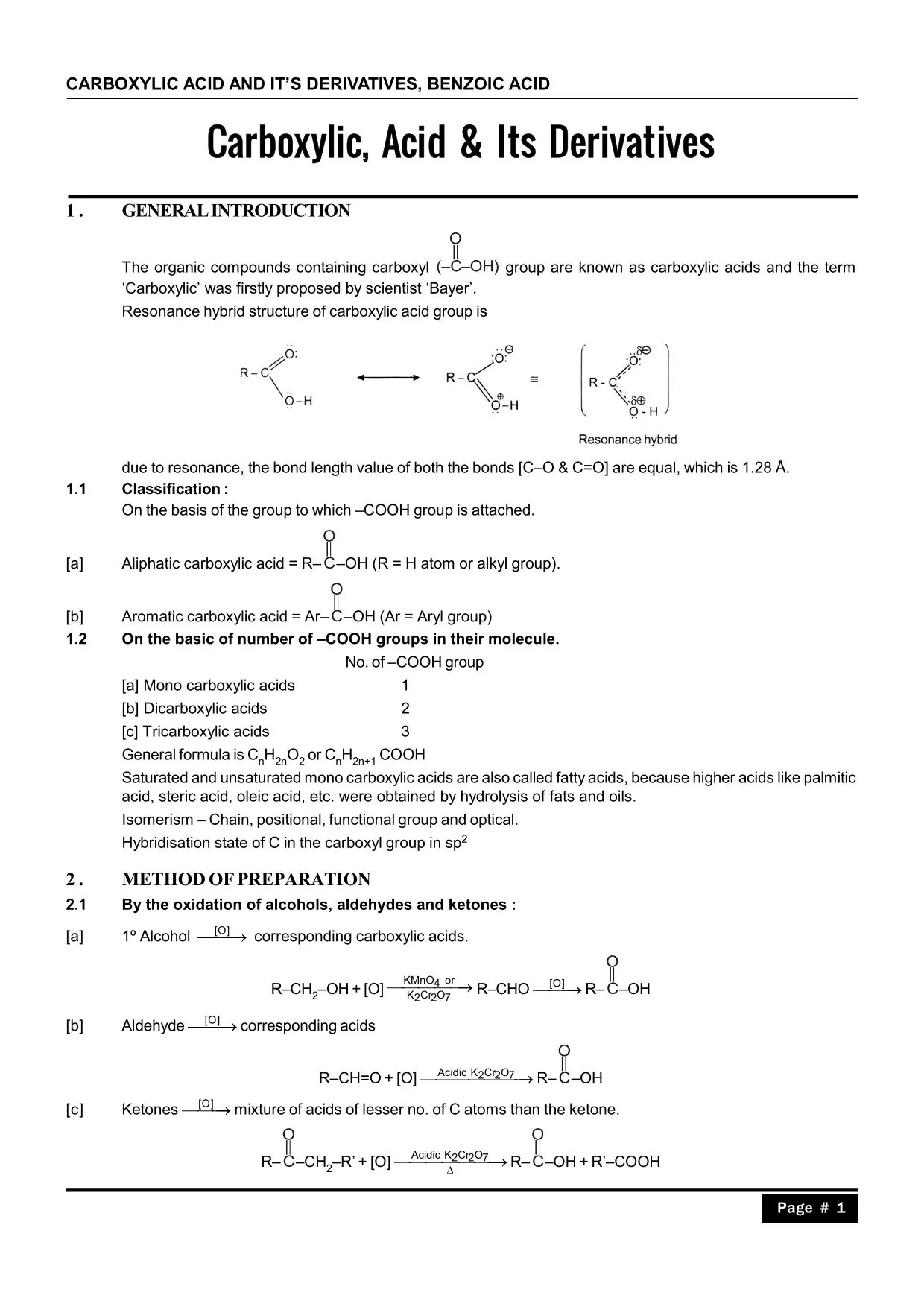
A carboxylic acid is an organic compound containing the –COOH (carboxyl) functional group. It is acidic because the carboxylate anion (RCOO⁻) formed after proton loss is stabilised by resonance — the negative charge delocalises equally over both oxygen atoms. This resonance stabilisation makes carboxylic acids significantly more acidic than alcohols or phenols.
What are the four main derivatives of carboxylic acid?
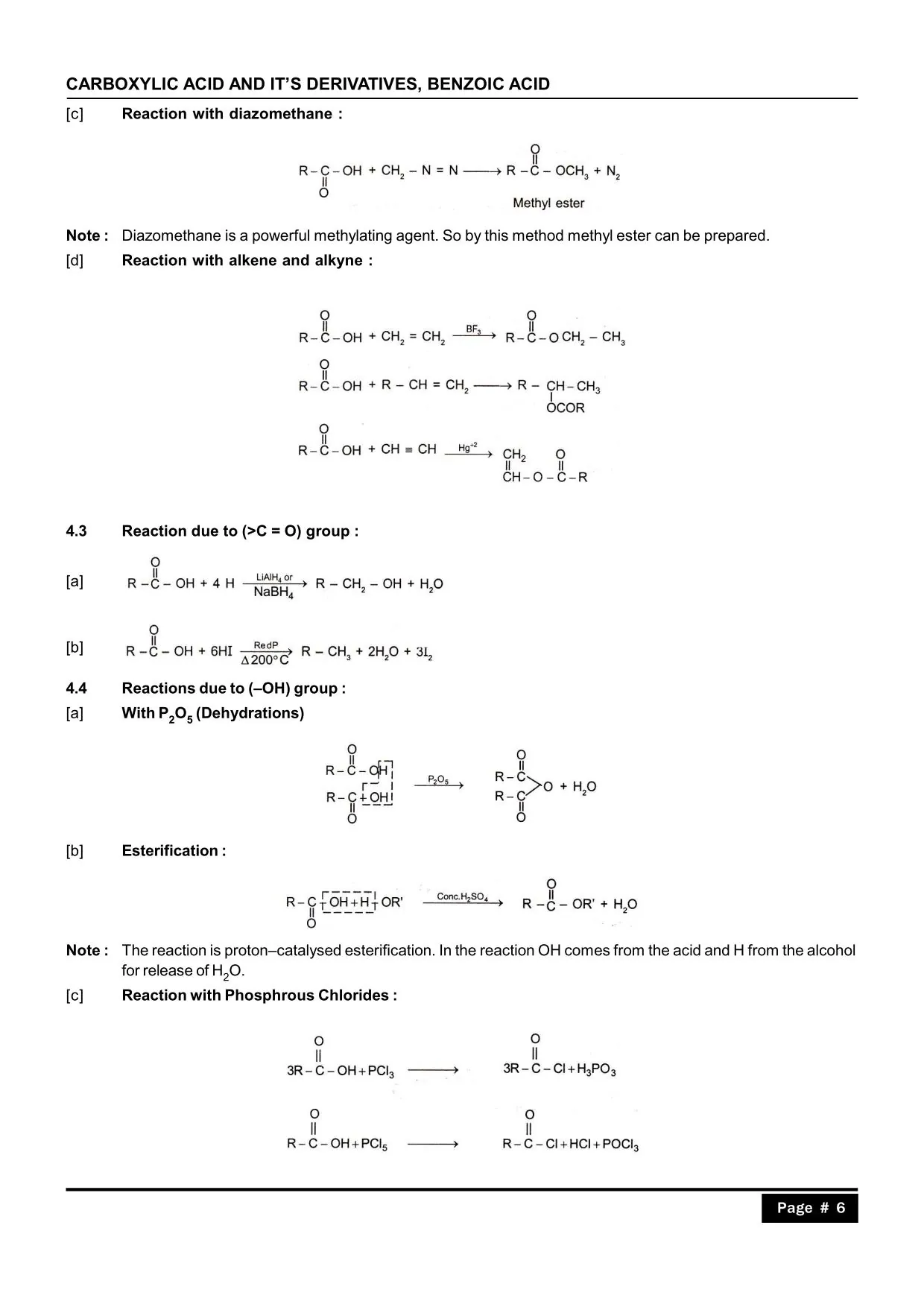
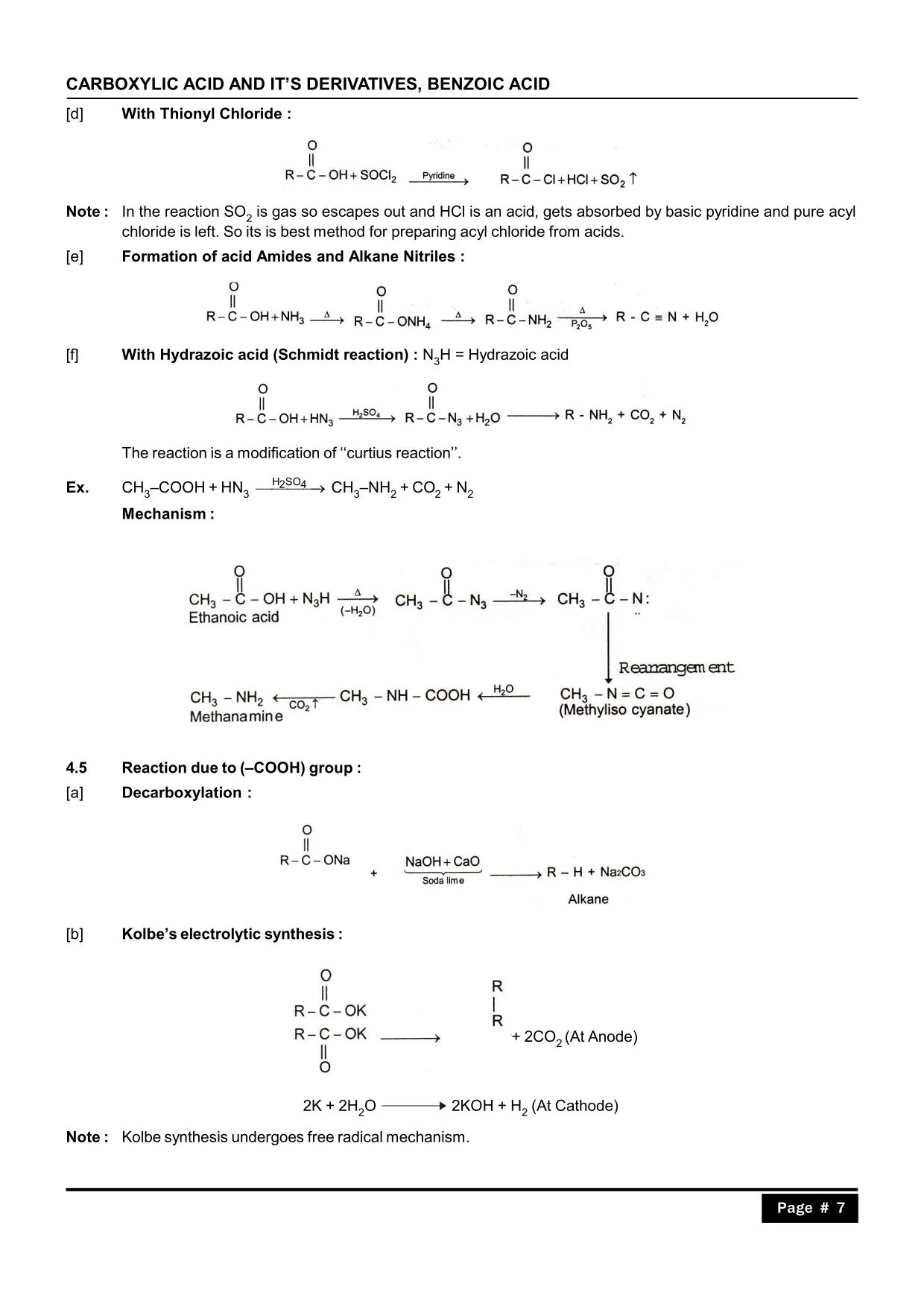
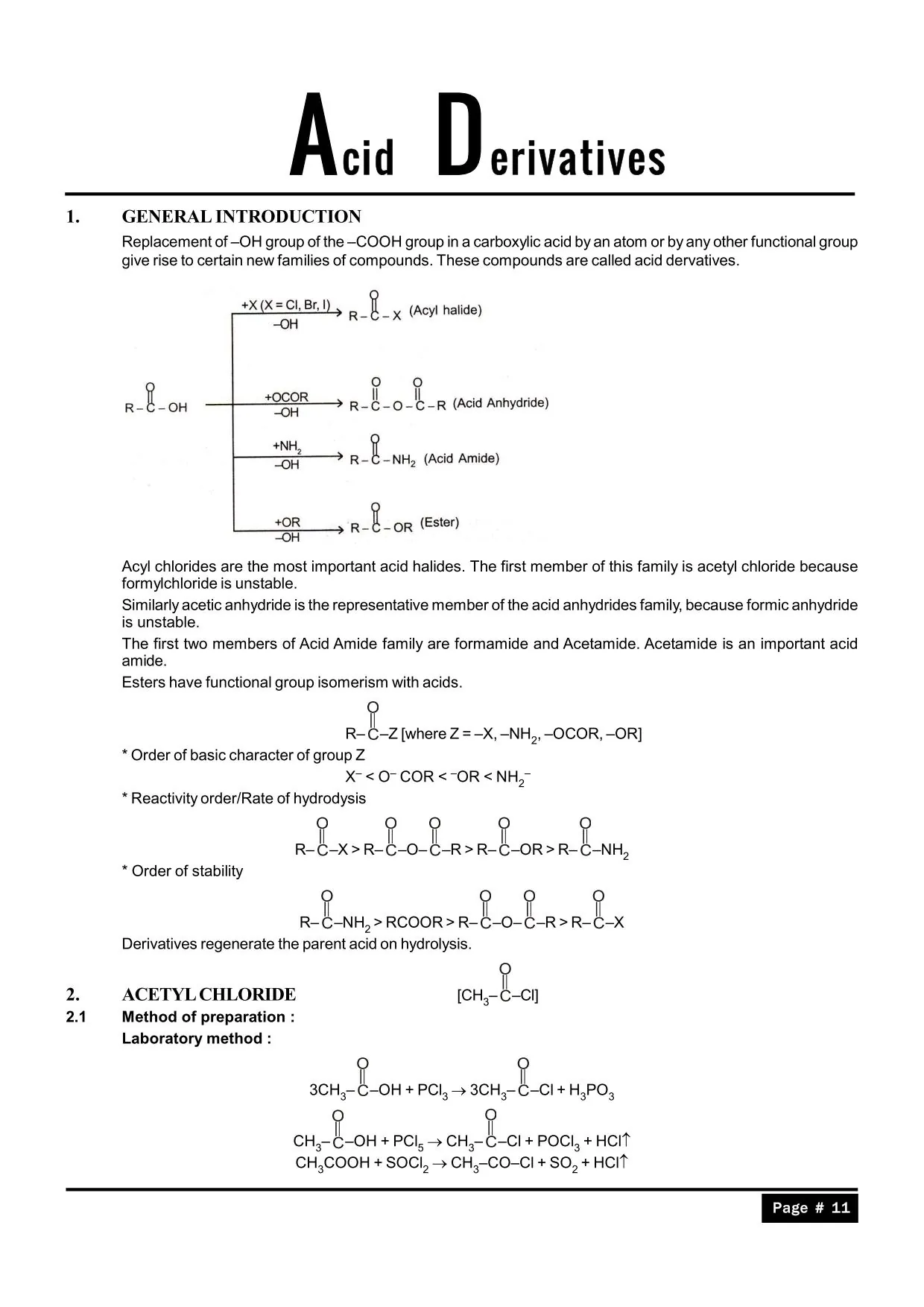
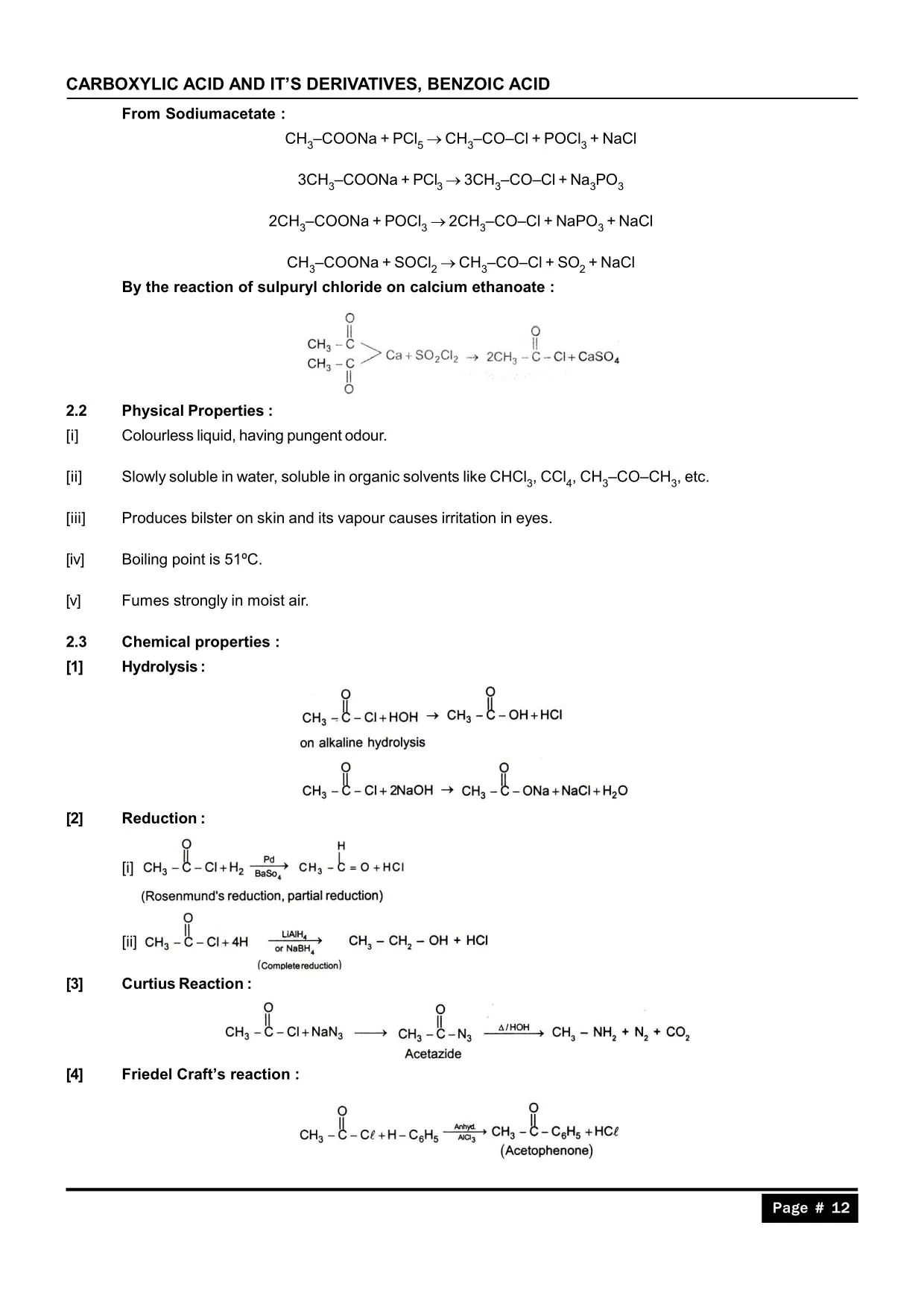
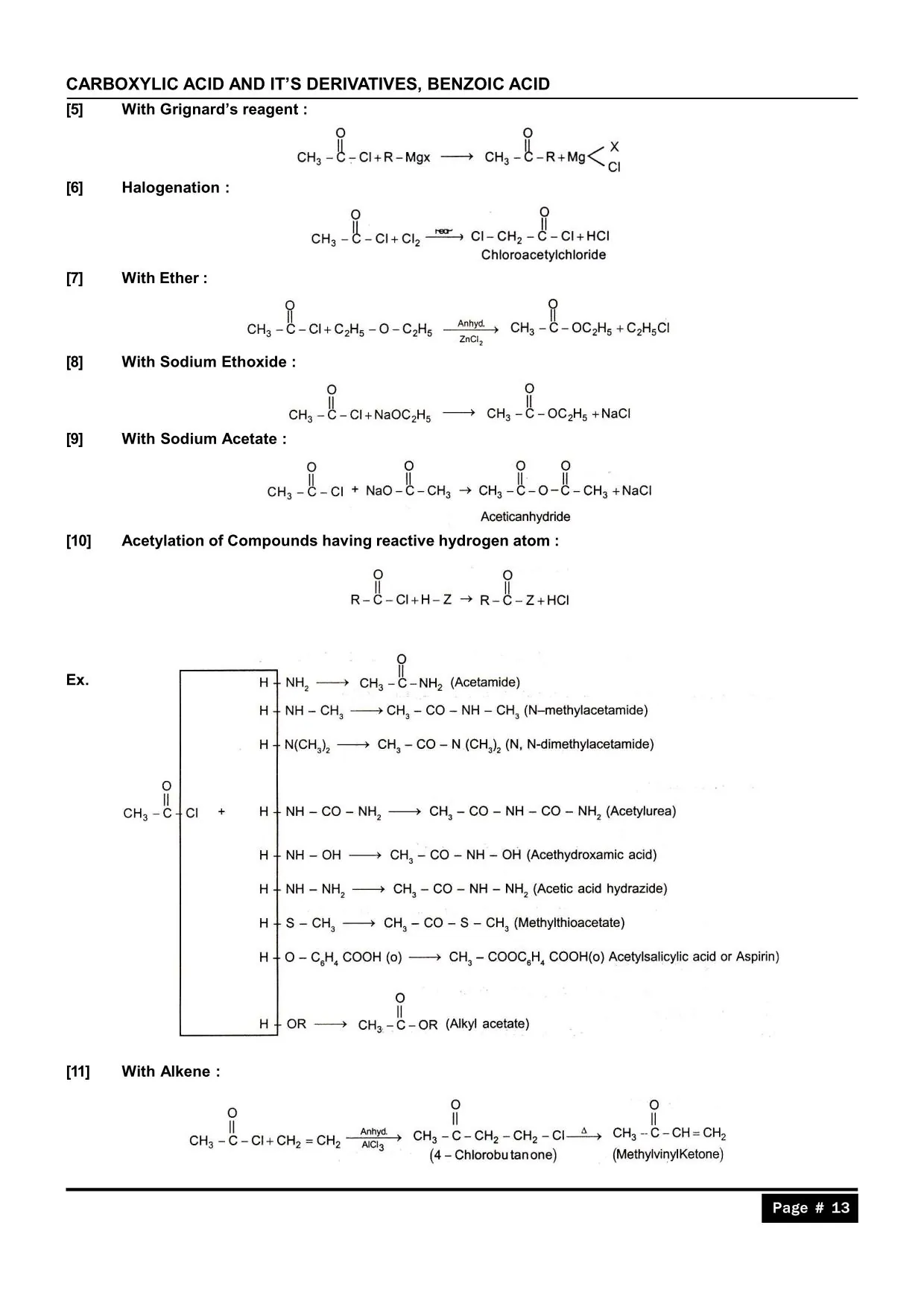
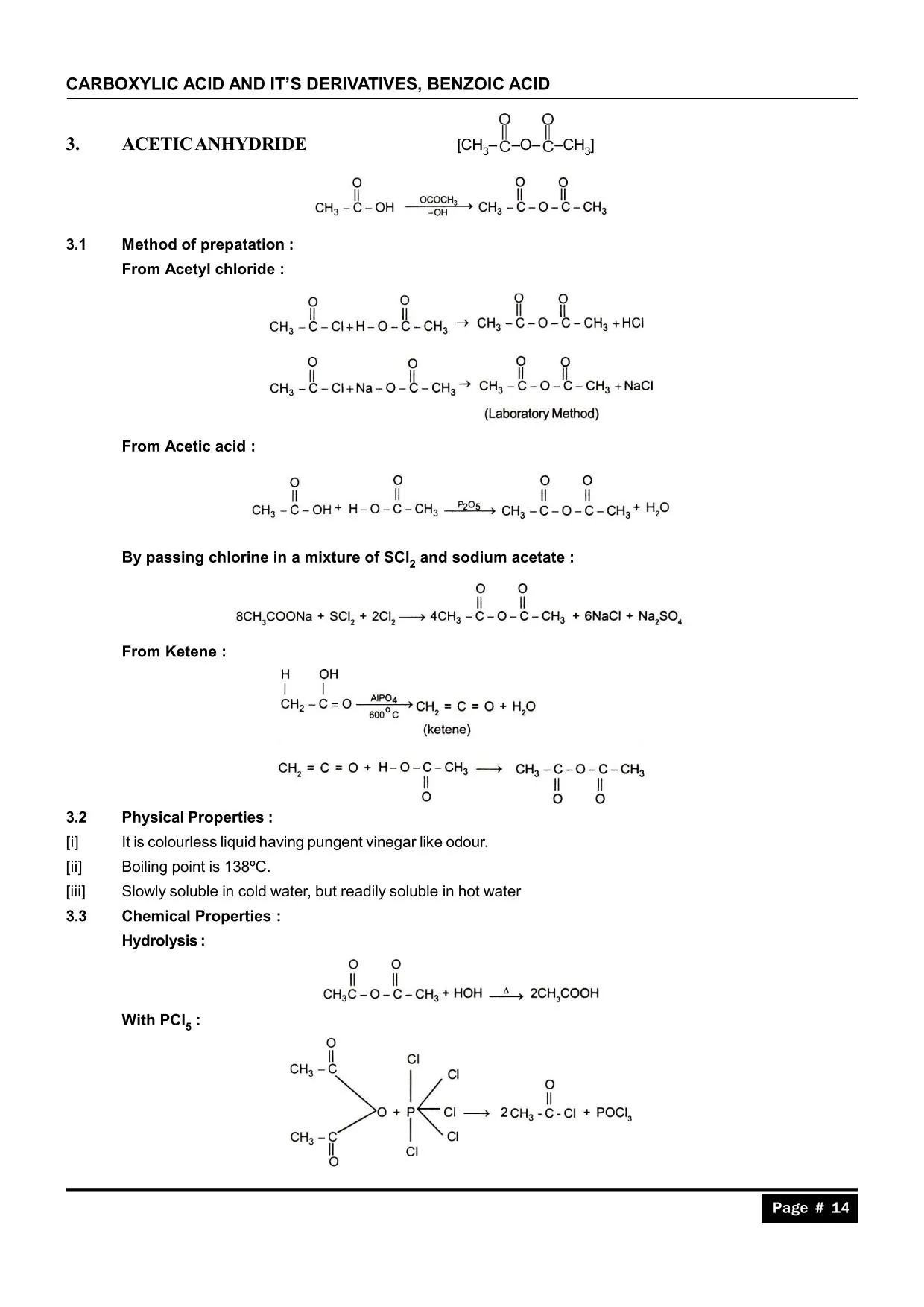
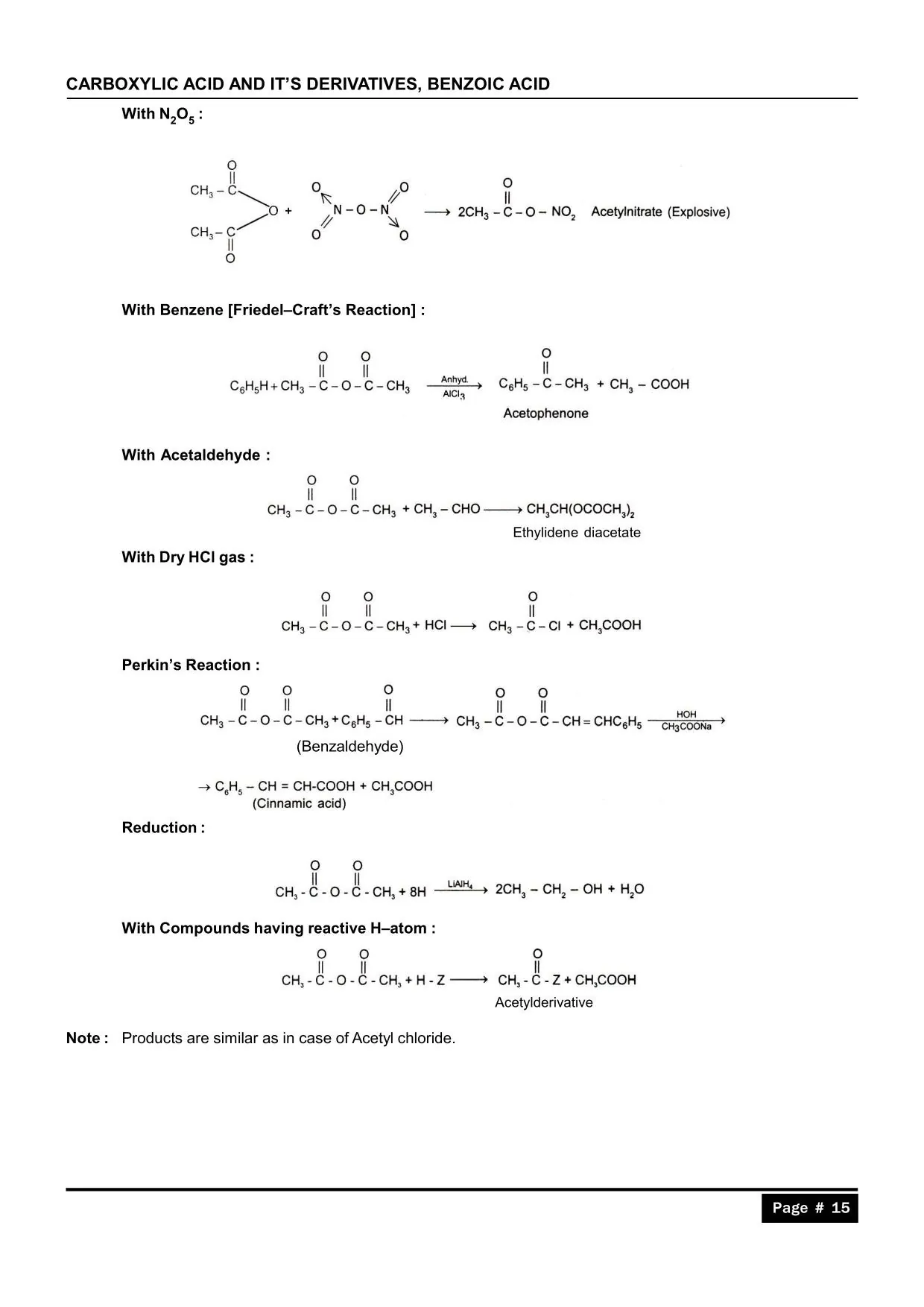
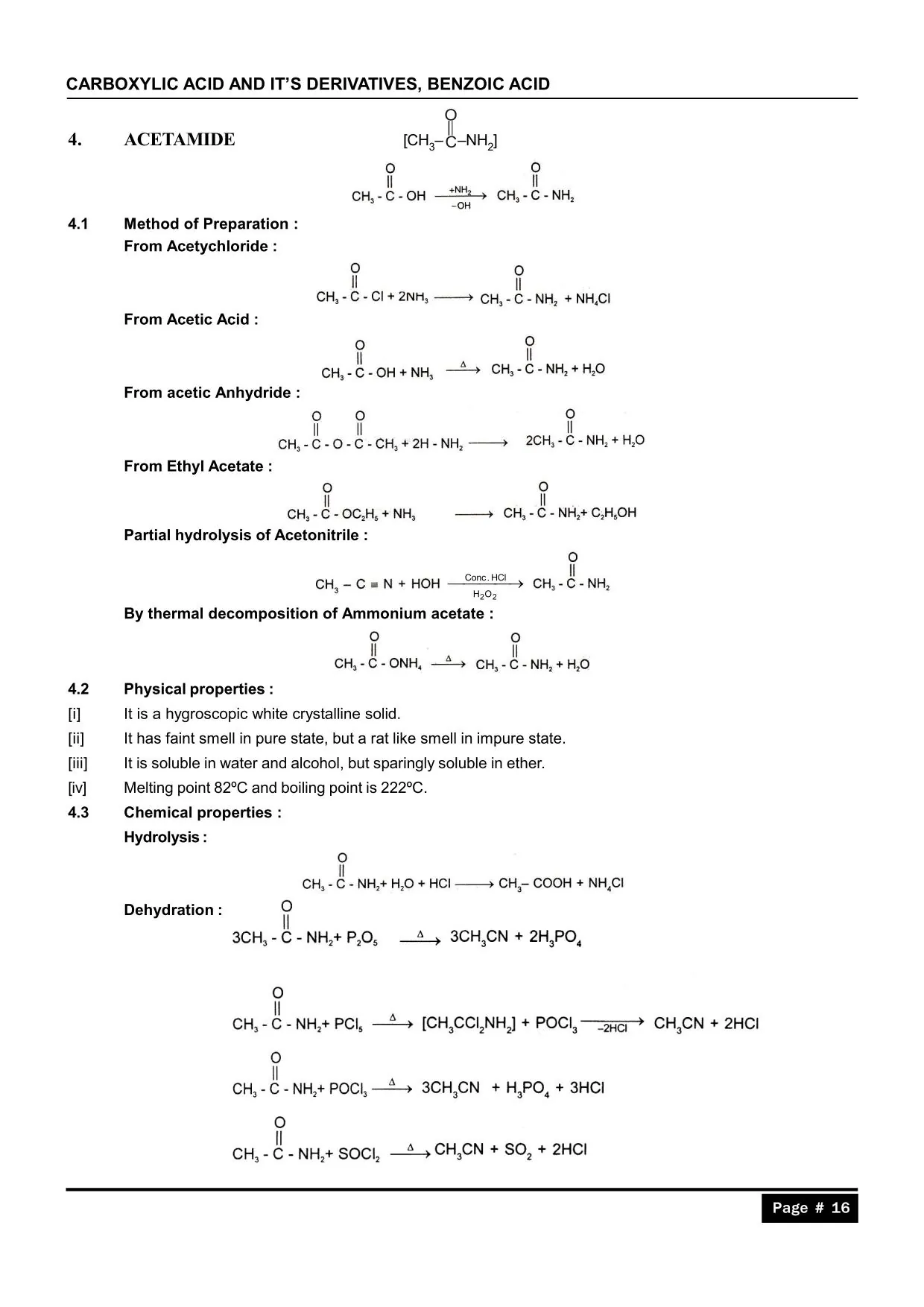
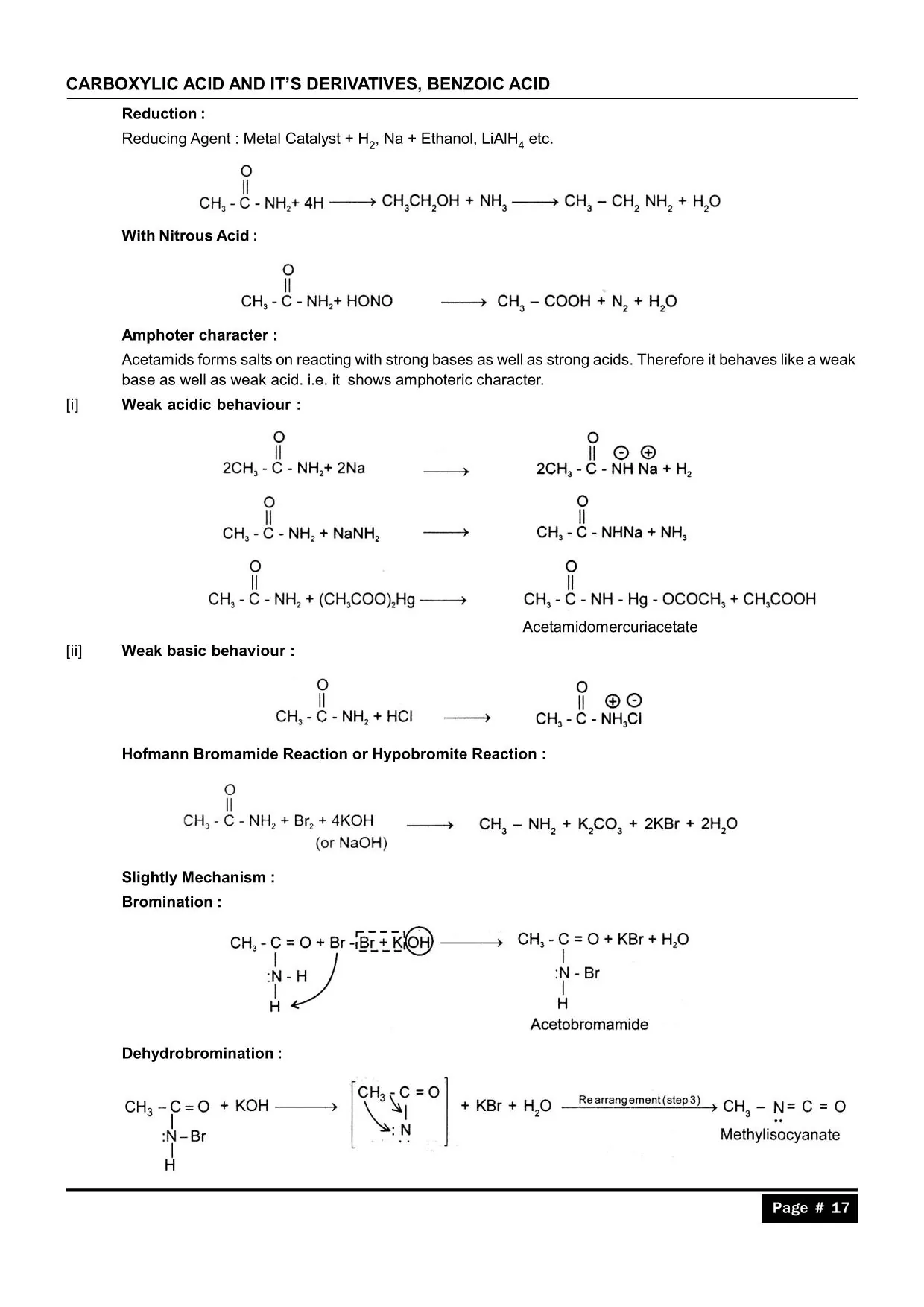
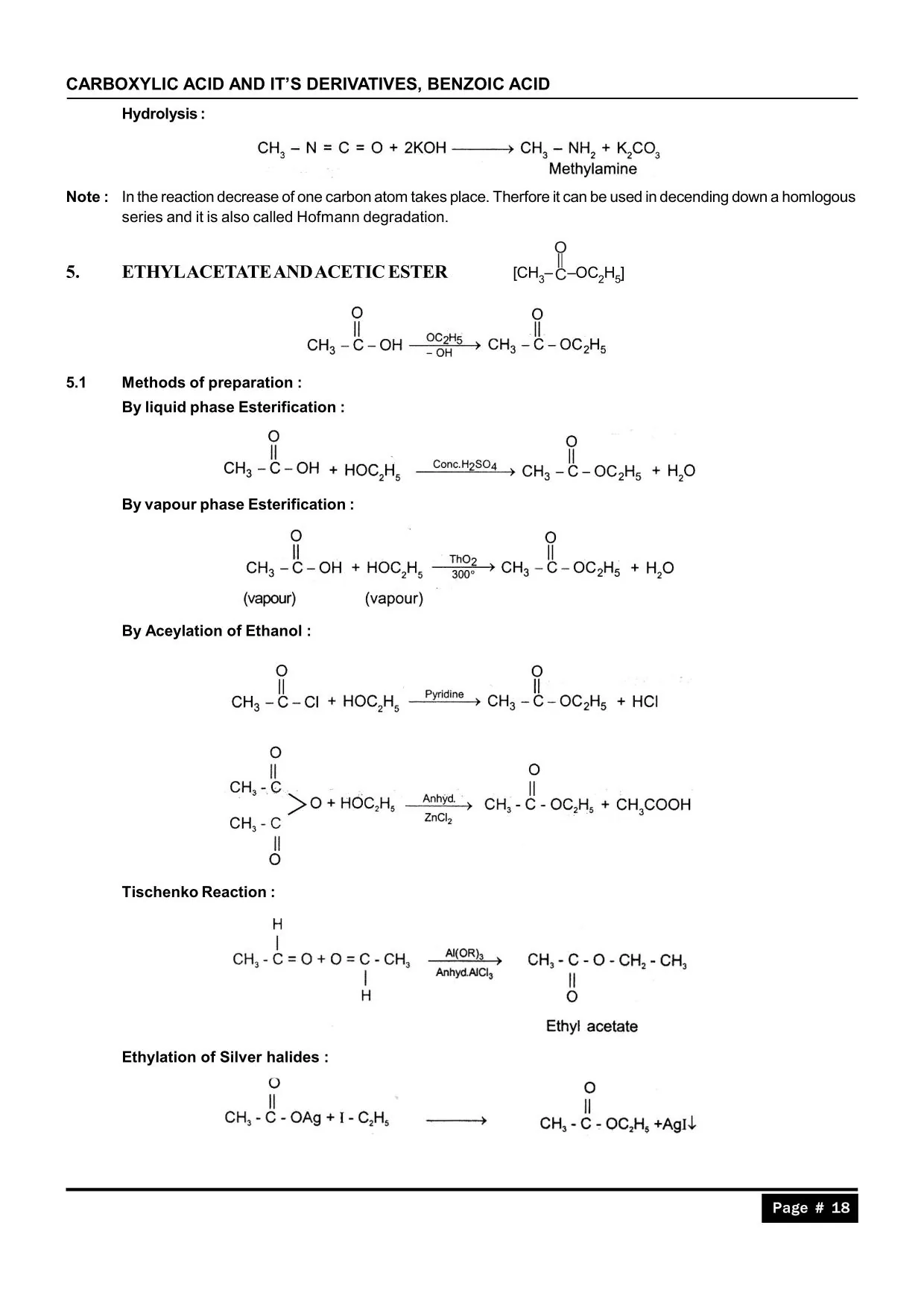
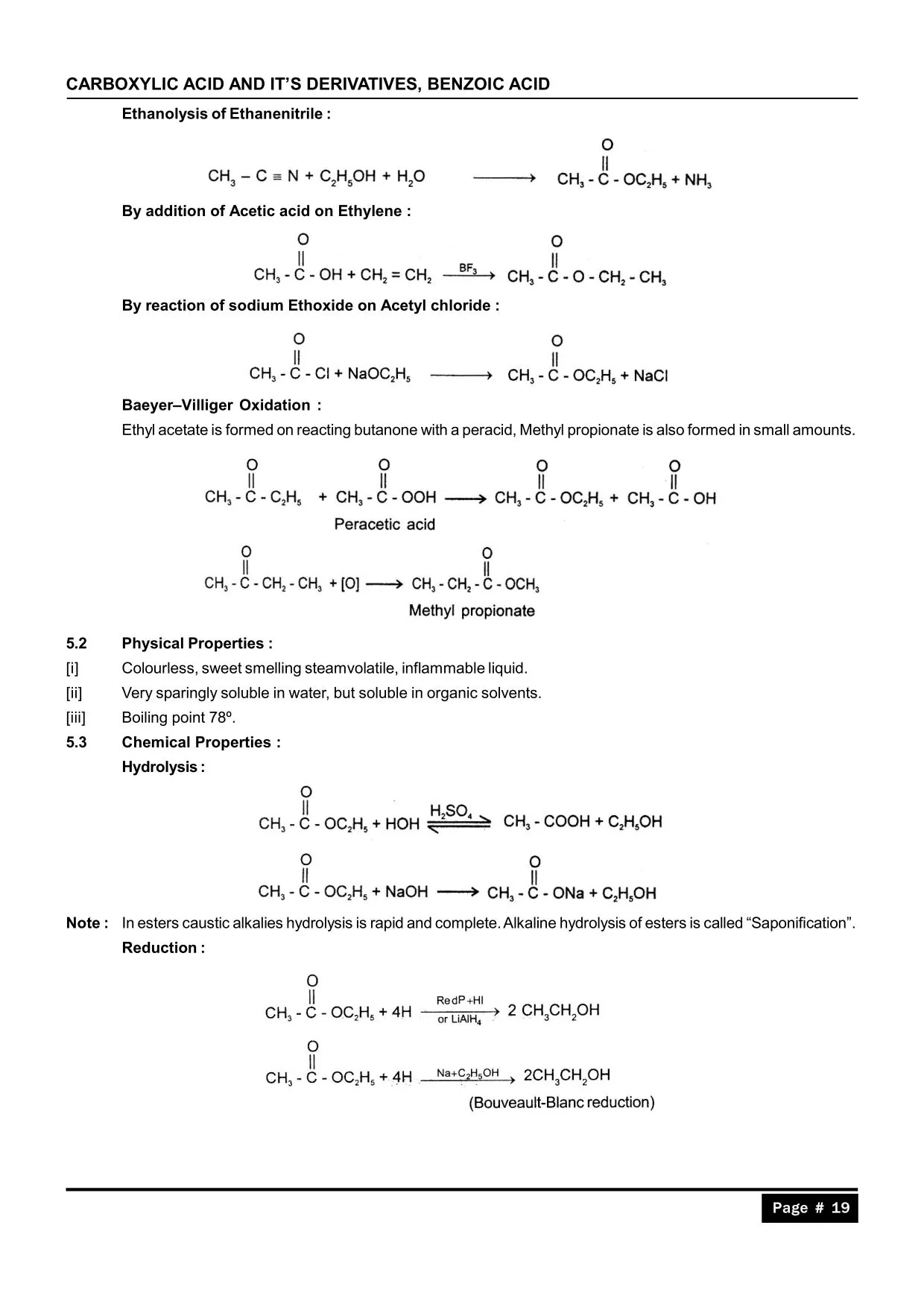
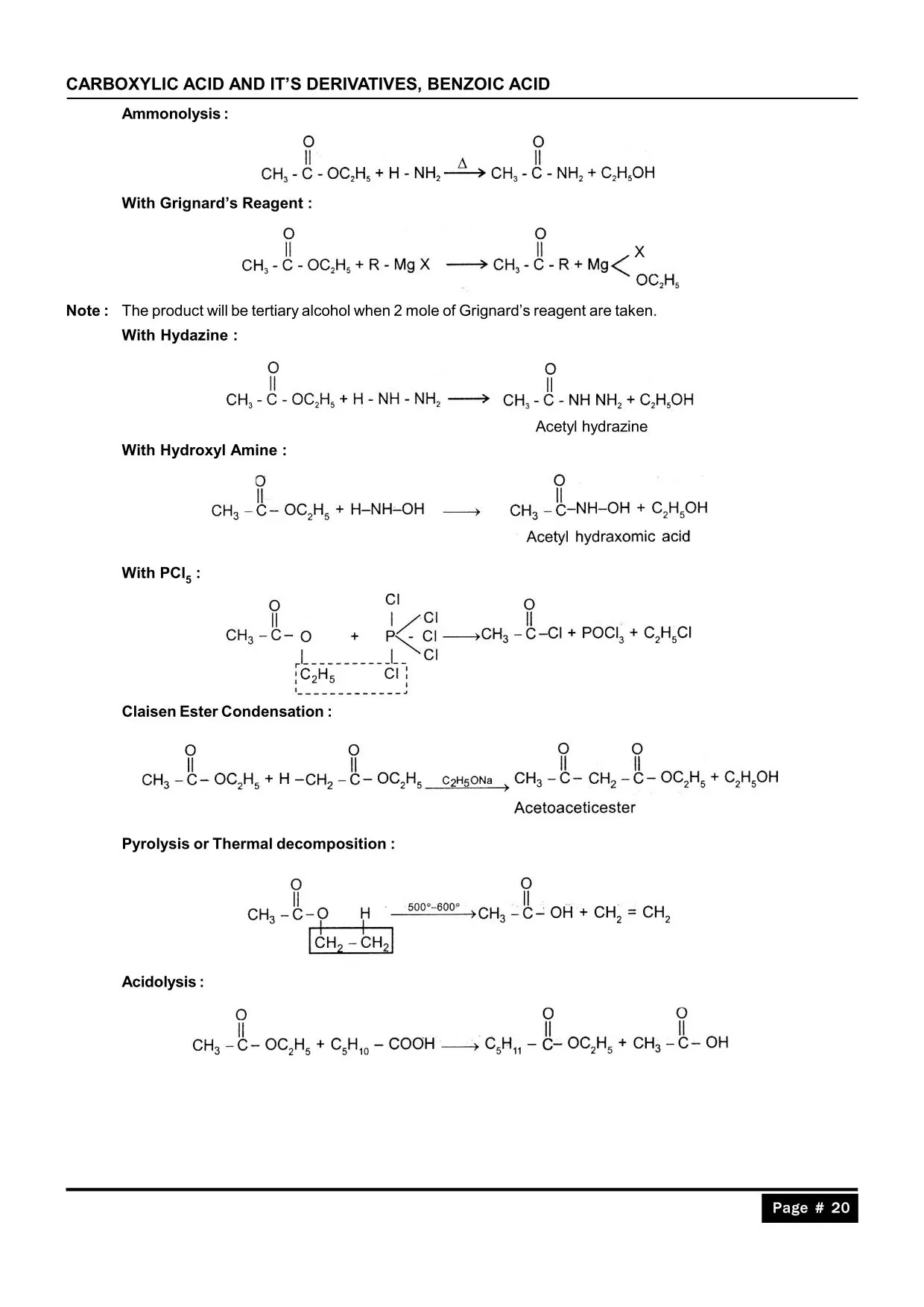
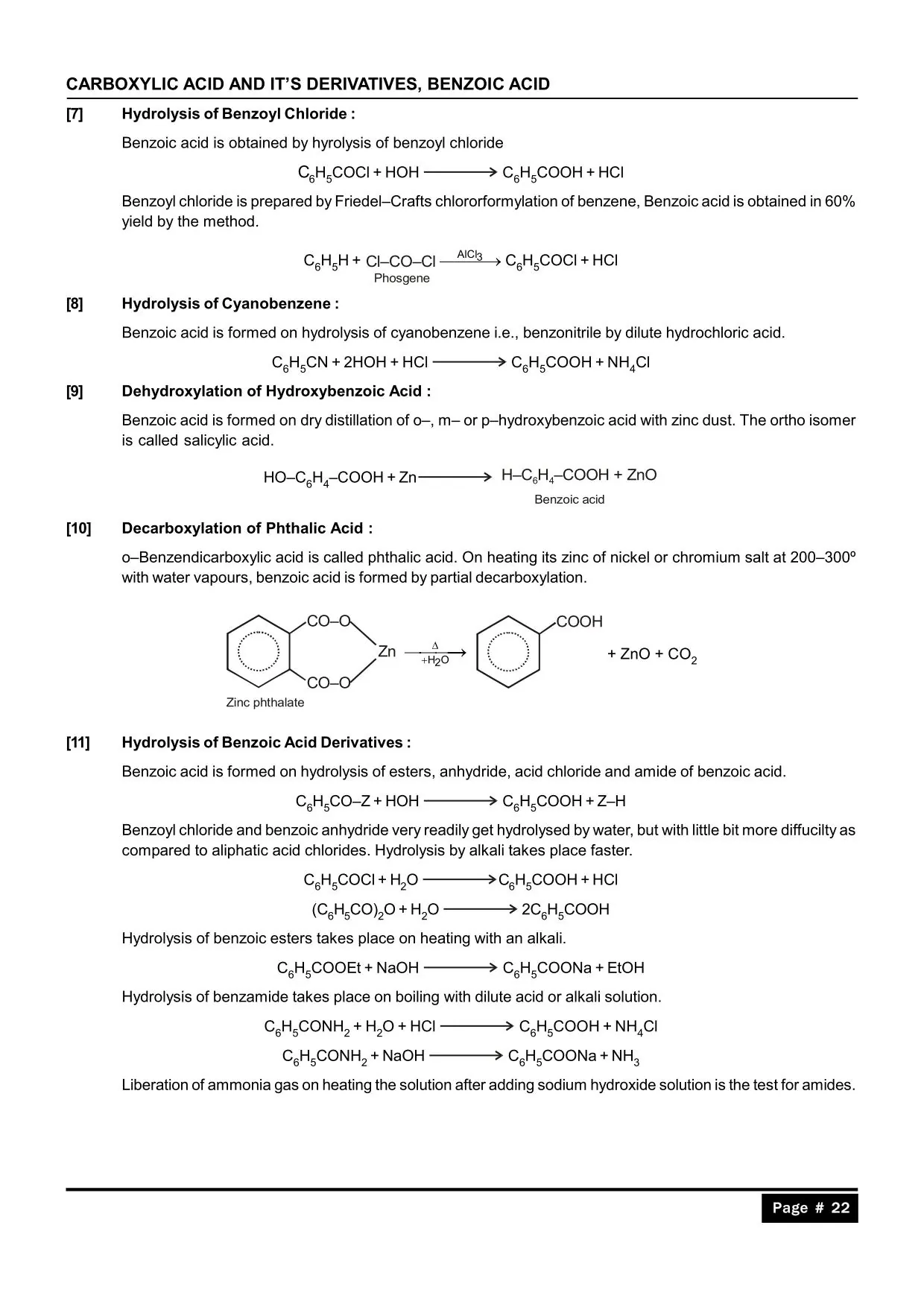
The four main derivatives are acid chlorides (RCOCl), acid anhydrides (RCO–O–OCR), esters (RCOOR'), and amides (RCONH₂). All are formed by replacing the –OH group of the carboxyl group with Cl, OCOR, OR', or NH₂ respectively. They all undergo nucleophilic acyl substitution, but at different rates depending on leaving group ability.
Which carboxylic acid derivative is most reactive?
Acid chlorides (acyl chlorides) are the most reactive carboxylic acid derivatives. The chloride ion (Cl⁻) is an excellent leaving group, which makes the tetrahedral intermediate collapse rapidly. The reactivity order is: acid chloride > anhydride > ester > amide. This order appears frequently in JEE Main multiple-choice questions.
What is the Hell–Volhard–Zelinsky (HVZ) reaction?
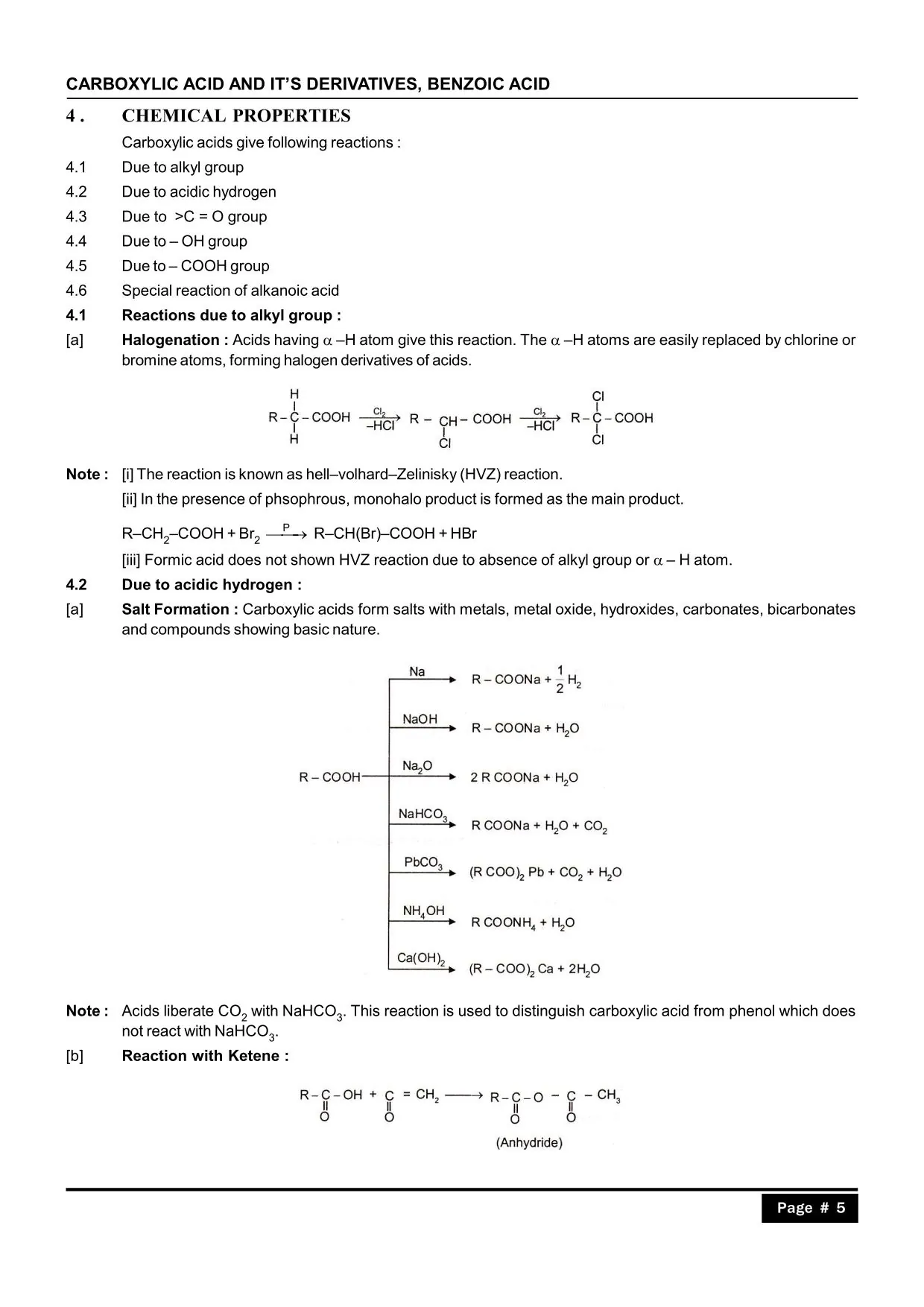
The HVZ reaction introduces a halogen at the α-carbon of a carboxylic acid using Cl₂ or Br₂ in the presence of red phosphorus. It works only on carboxylic acids that have at least one α-hydrogen. The mechanism proceeds through an acyl halide intermediate. It does not work on formic acid (no α-H) or on esters and amides.
How does acidity change with substituents on carboxylic acids — and why does this matter for JEE?
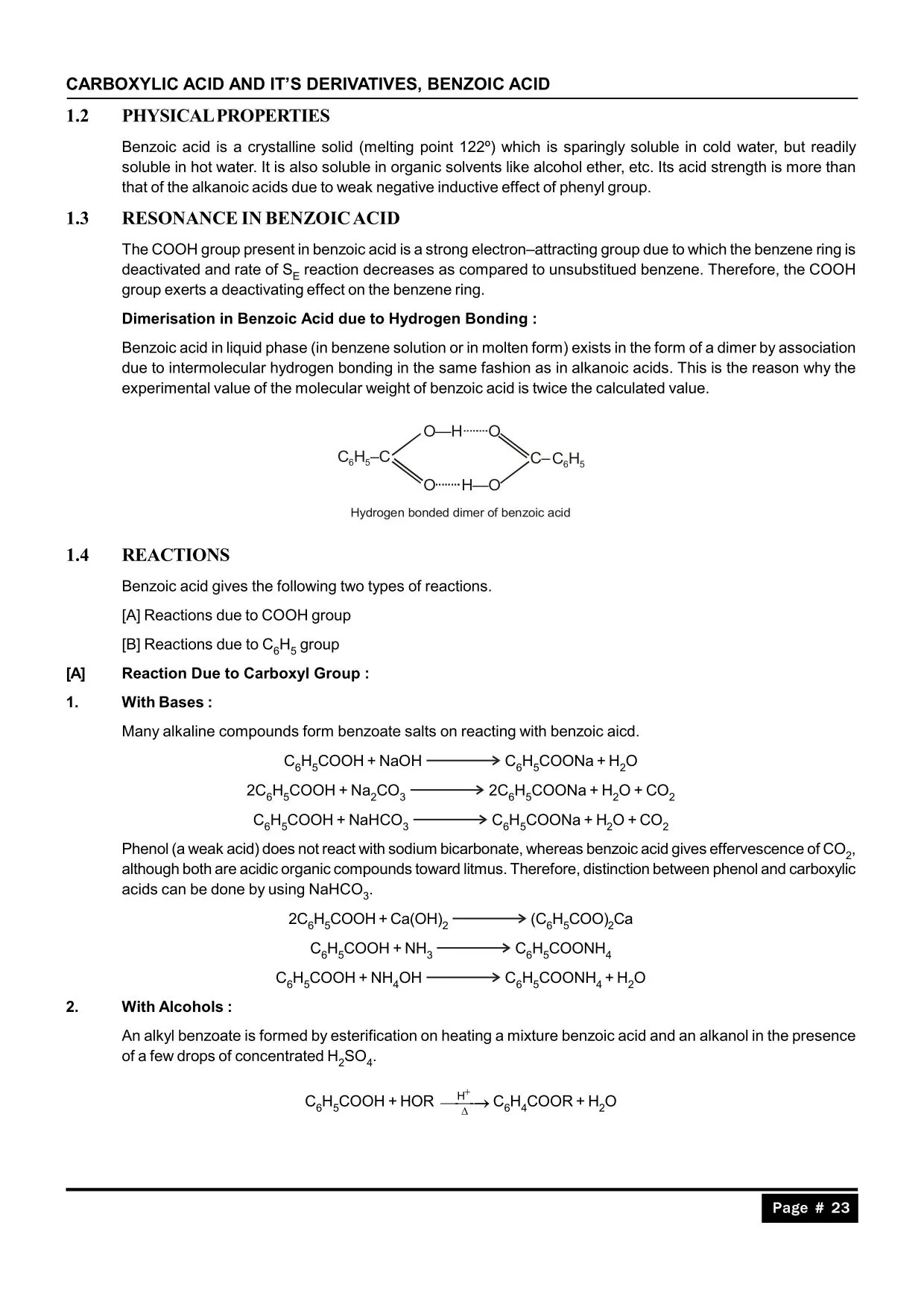
Electron-withdrawing groups (–F, –Cl, –NO₂, –CN) on the α-carbon increase acidity by stabilising the carboxylate anion through inductive withdrawal of electron density. Electron-donating groups (–CH₃, –C₂H₅) decrease acidity. For example, trichloroacetic acid (pKa ~0.66) is far stronger than acetic acid (pKa ~4.75). JEE Main regularly asks students to arrange acids in order of increasing pKa.