System of Particles and Rotational Motion Class 11 Notes for IIT JEE & NEET
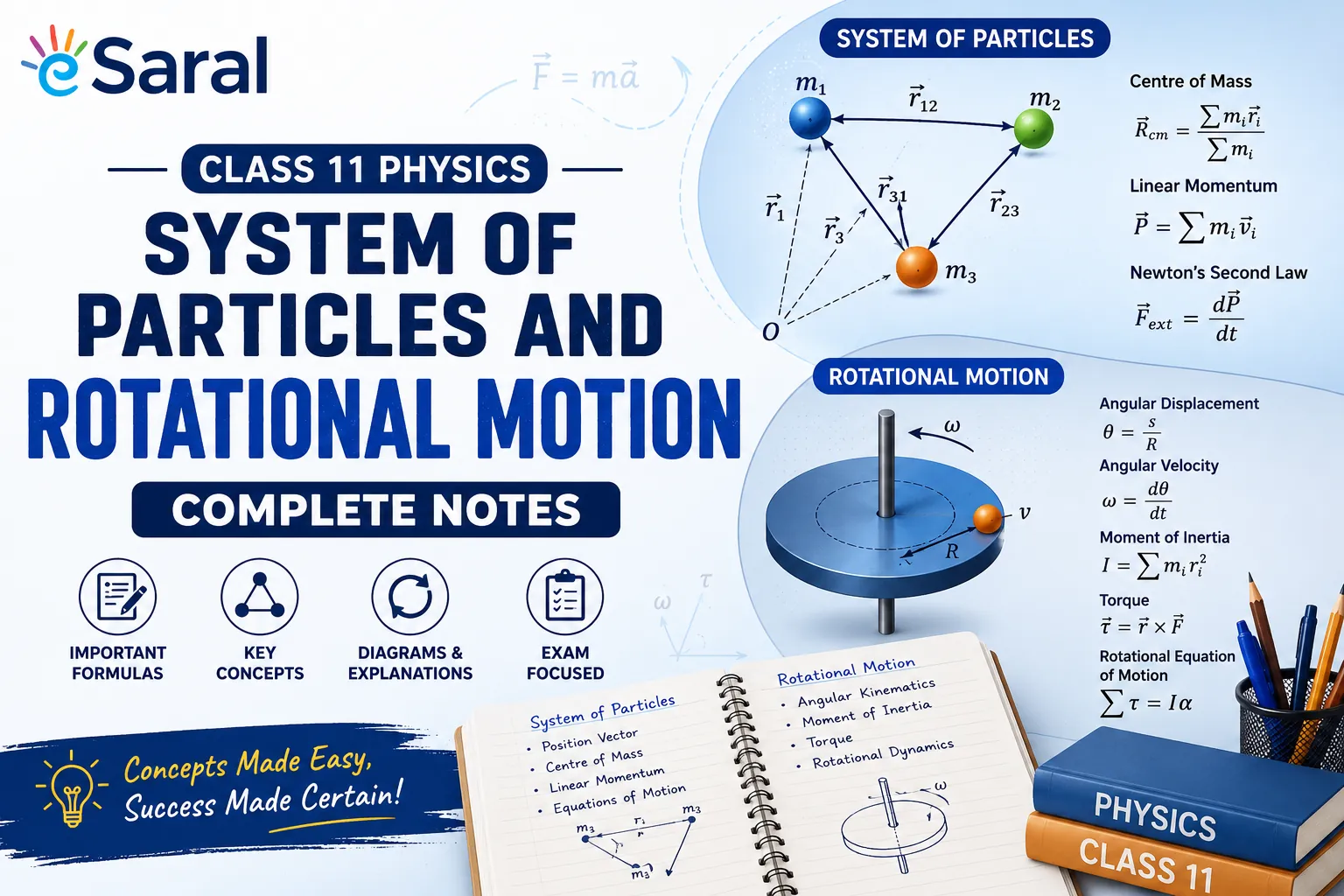

eSaral › Class 11 › Physics Notes › System of Particles and Rotational Motion Notes for JEE & NEET

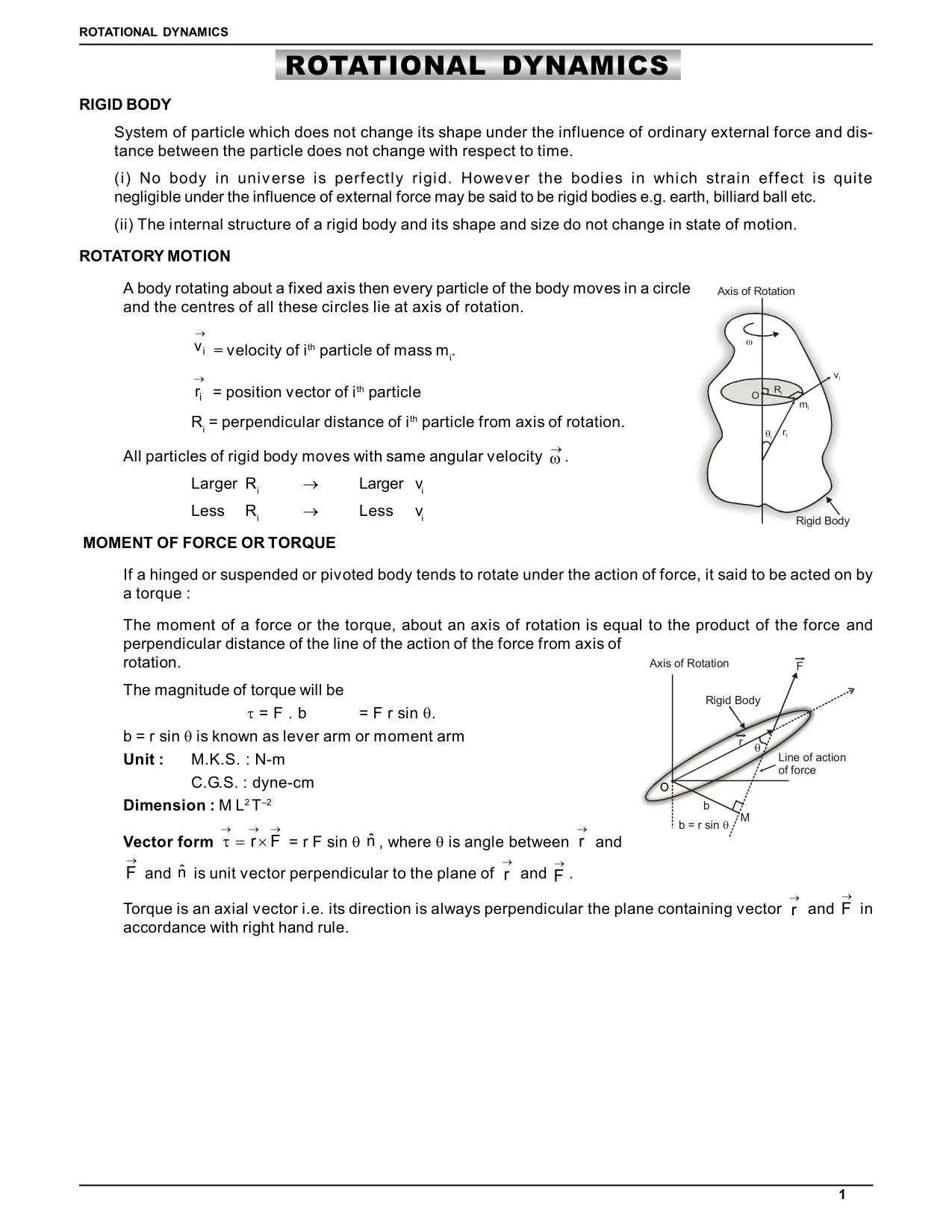
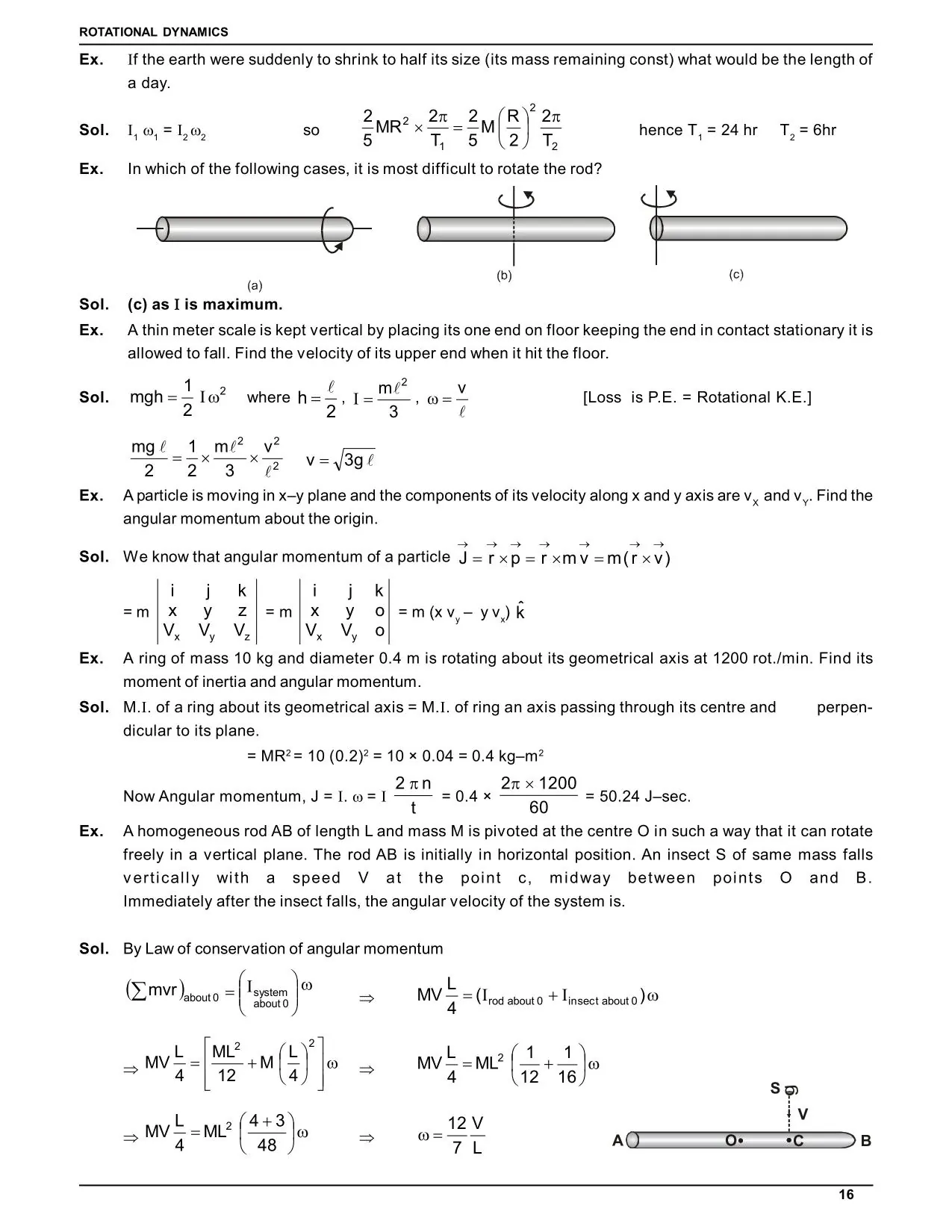
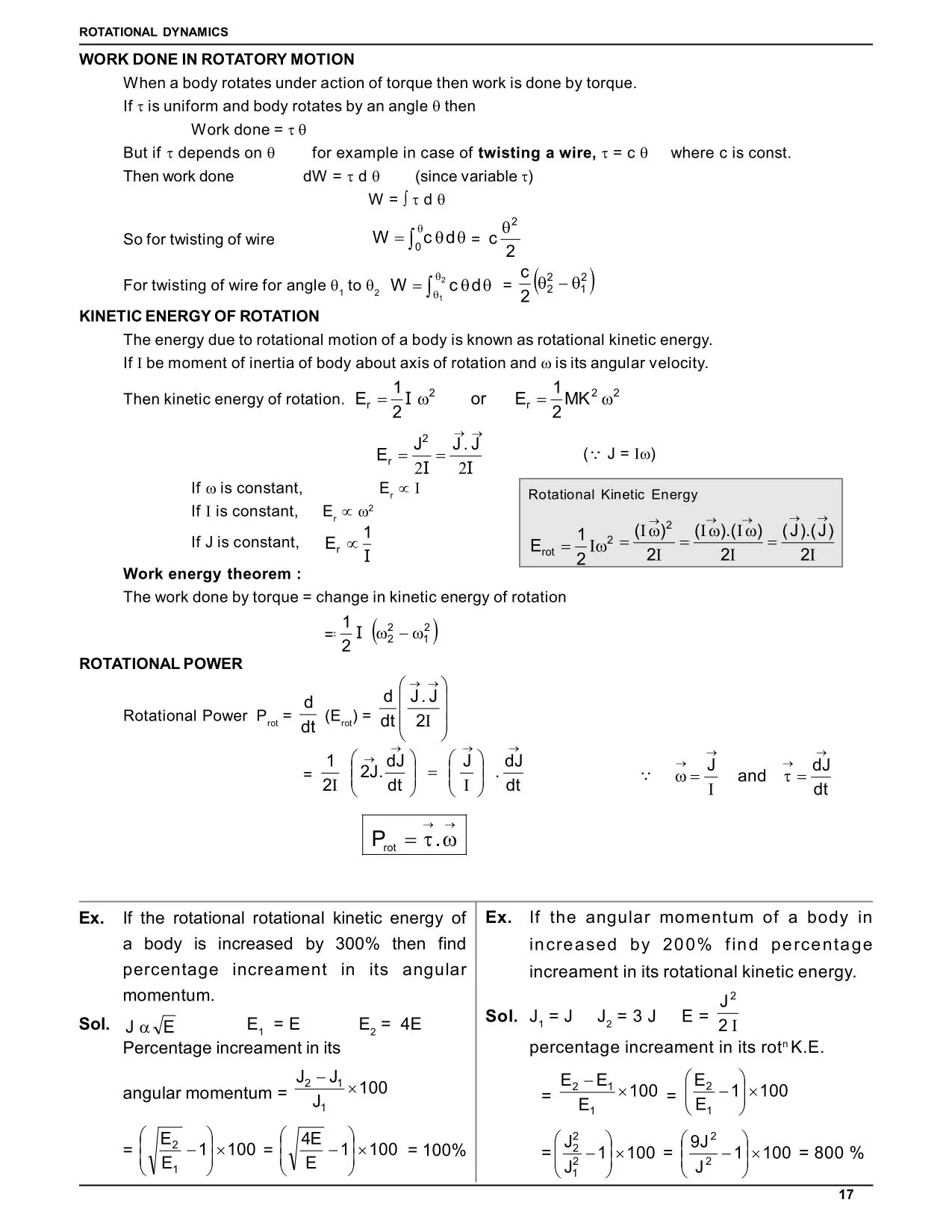
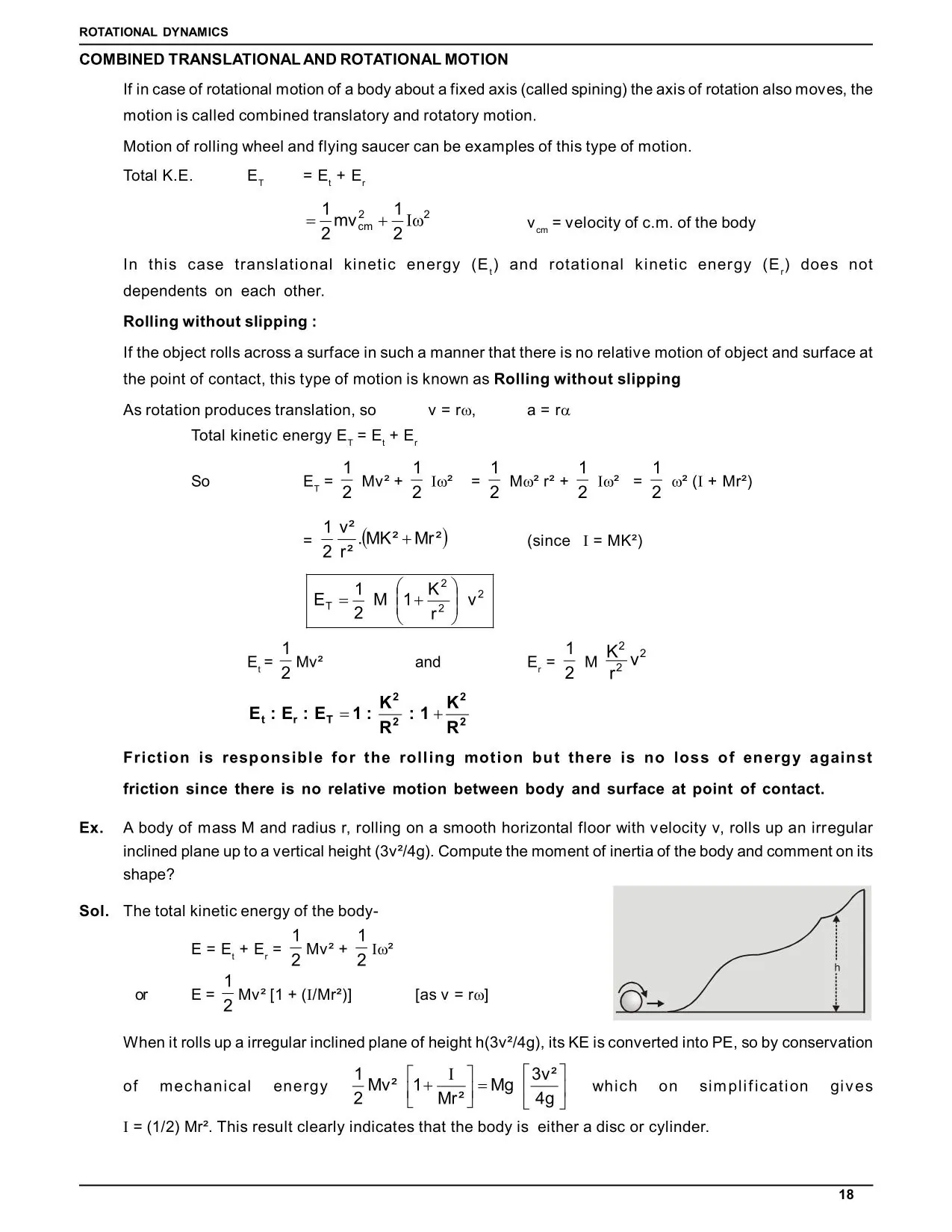
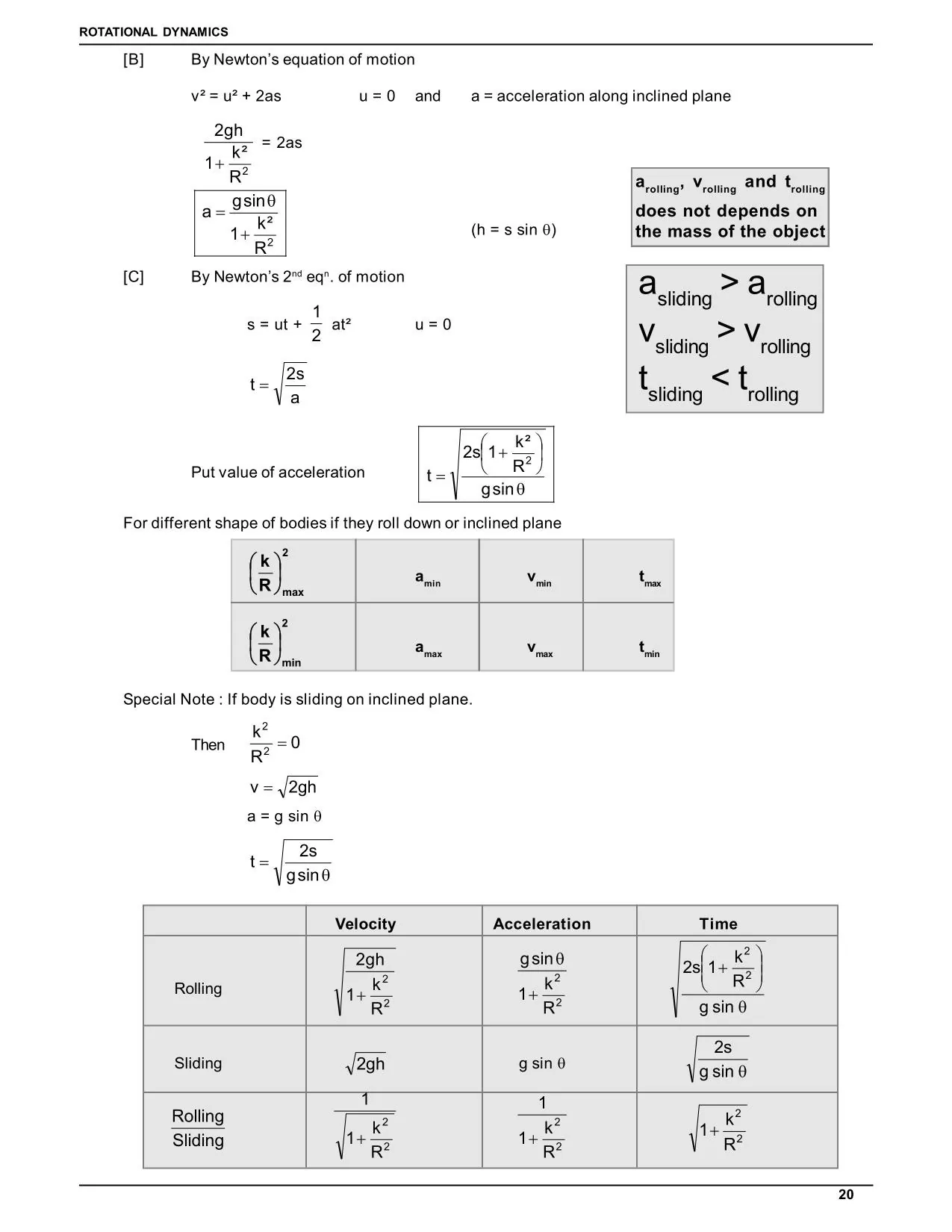
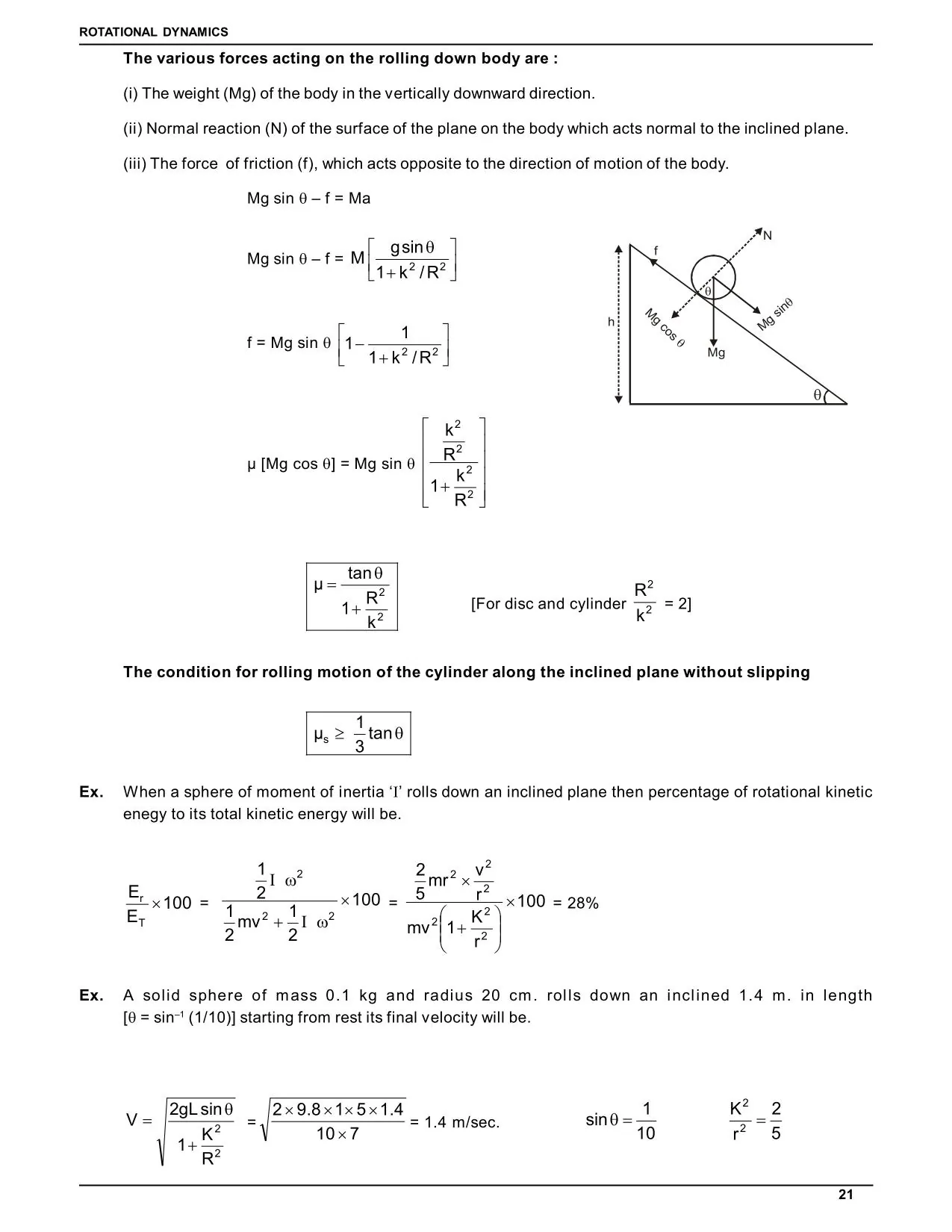
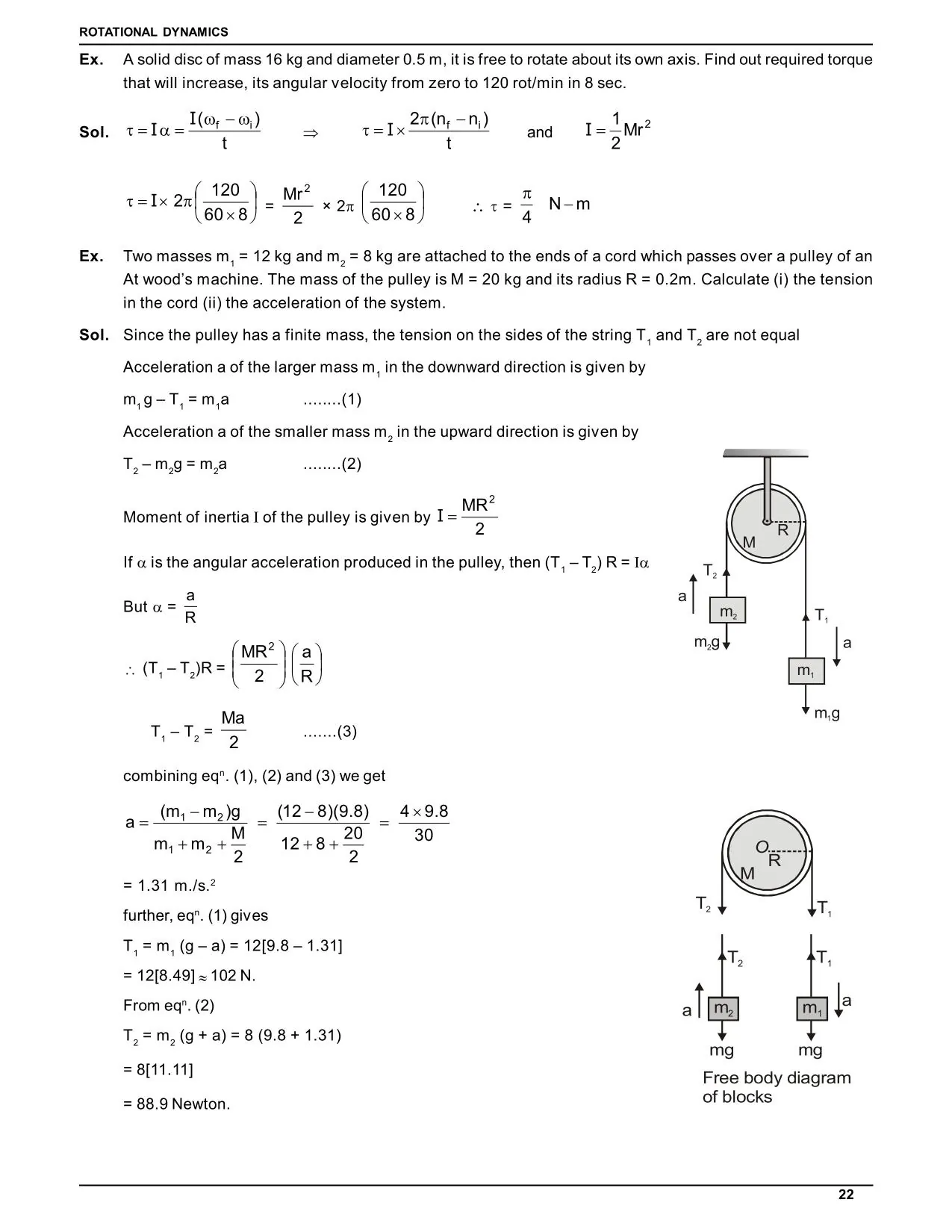
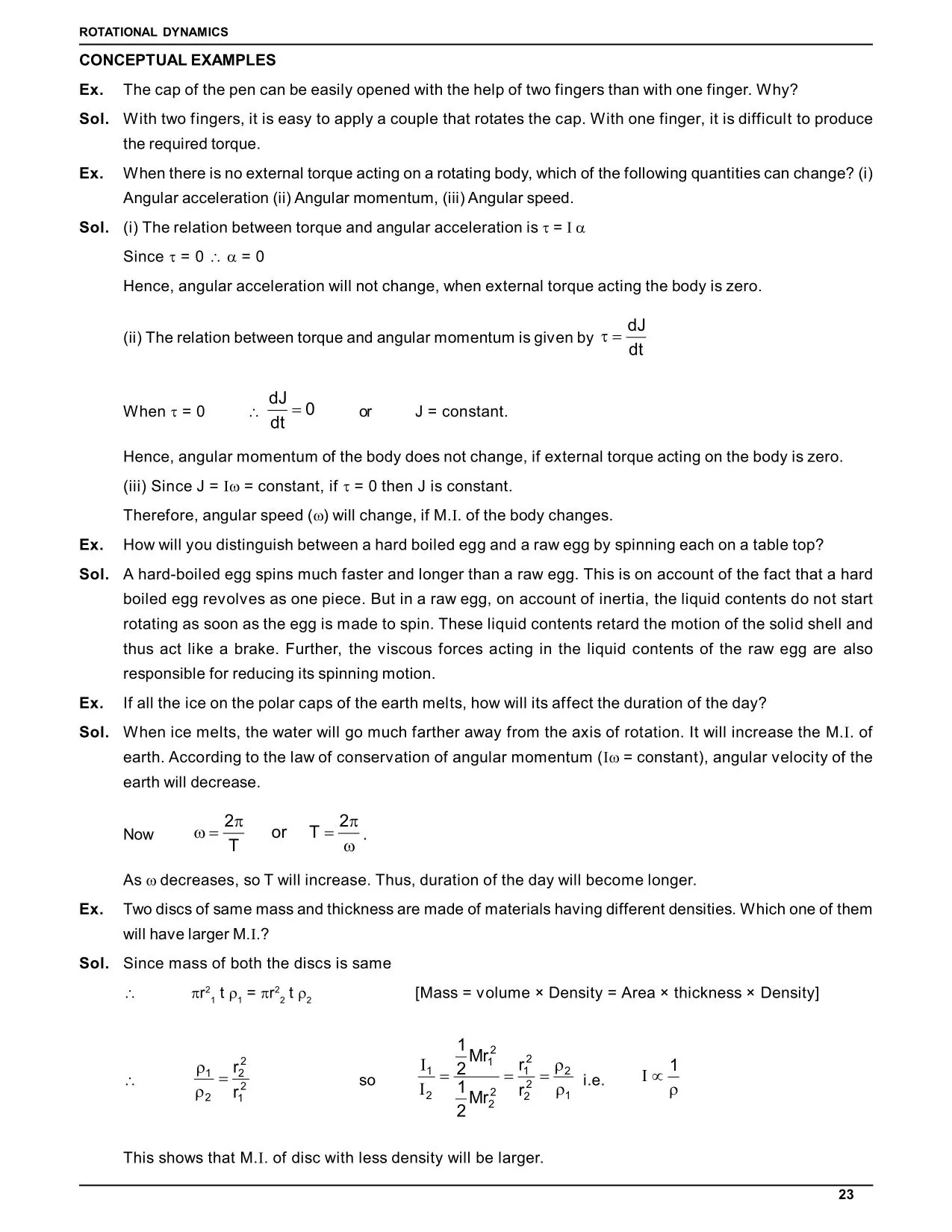
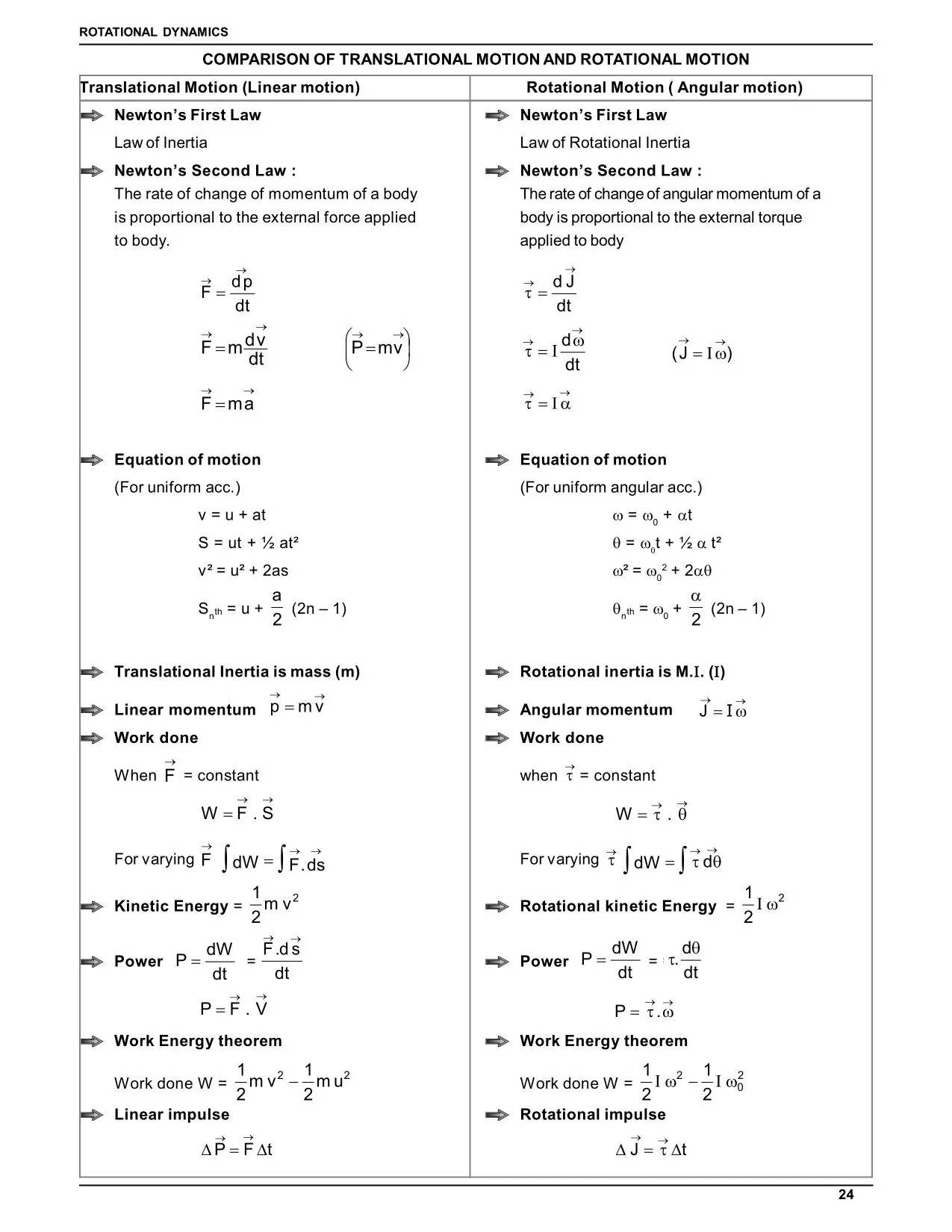
System of Particles and Rotational Motion Class 11 is one of the important chapters when it comes to understanding the basics of circular motion. We are all aware of the definitions of rotational motion, the center of mass, and the center of gravity, etc. Rotational motion refers to objects that are rotating in a curved path and comprises torque, the moment of inertia, angular velocity, angular displacement, angular acceleration, and angular momentum. System of Particles and Rotational Motion Class 11 notes are given below:
India's Best Exam Preparation for Class 11th - Download Now
India's Best Exam Preparation for Class 11th - Download Now
India's Best Exam Preparation for Class 11th - Download Now
India's Best Exam Preparation for Class 11th - Download Now
India's Best Exam Preparation for Class 11th - Download Now
India's Best Exam Preparation for Class 11th - Download Now
India's Best Exam Preparation for Class 11th - Download Now
eSaral has already come up with an amazing revision series of Physics where you can easily revise your chapter within minutes with all the important formulae and key points. This revision series is free for all. Click Here for Complete Physics Revision Series by Saransh Gupta Sir (AIR-41) About Saransh Gupta Sir Computer Science Graduate from IIT Bombay. Cracked IIT-JEE with AIR-41 and AIEEE (JM) with AIR-71 in 2006. He is the author of JEE Mentorship Book “StrateJEE”. He taught Physics for 5 years at Allen and was loved immensely by all the students. Many of his students bagged success with flying colors in JEE & NEET Exams. eSaral brings you detailed Class 11th Physics study material. eSaral provides a series of detailed chapter-wise notes for all the Subjects of classes 11th and 12th. These notes will also help you in your IIT JEE & NEET preparations.
India's Best Exam Preparation for Class 11th - Download Now
We hope these Physics Notes for Class 11 will help you understand the important topics and remember the key points from the exam point of view. Get Complete Physics Notes for Physics Class 11 for easy learning and understanding. For free video lectures and complete study material, Download eSaral APP. About eSaral At eSaral, we are offering a complete platform for IIT-JEE & NEET preparation. The main mission behind eSaral is to provide education to every student in India by eliminating the Geographic and Economic factors, as a nation’s progress and development depend on the availability of quality education to everyone. With the blend of education & technology, the eSaral team made the learning personalized & adaptive for everyone.
Before moving deeper into circular and rotational dynamics, refresh how vector direction changes in two-dimensional motion, especially for velocity and centripetal acceleration.
Frequently Asked Questions
Find answers to common questions.
What is the parallel axis theorem in simple terms?
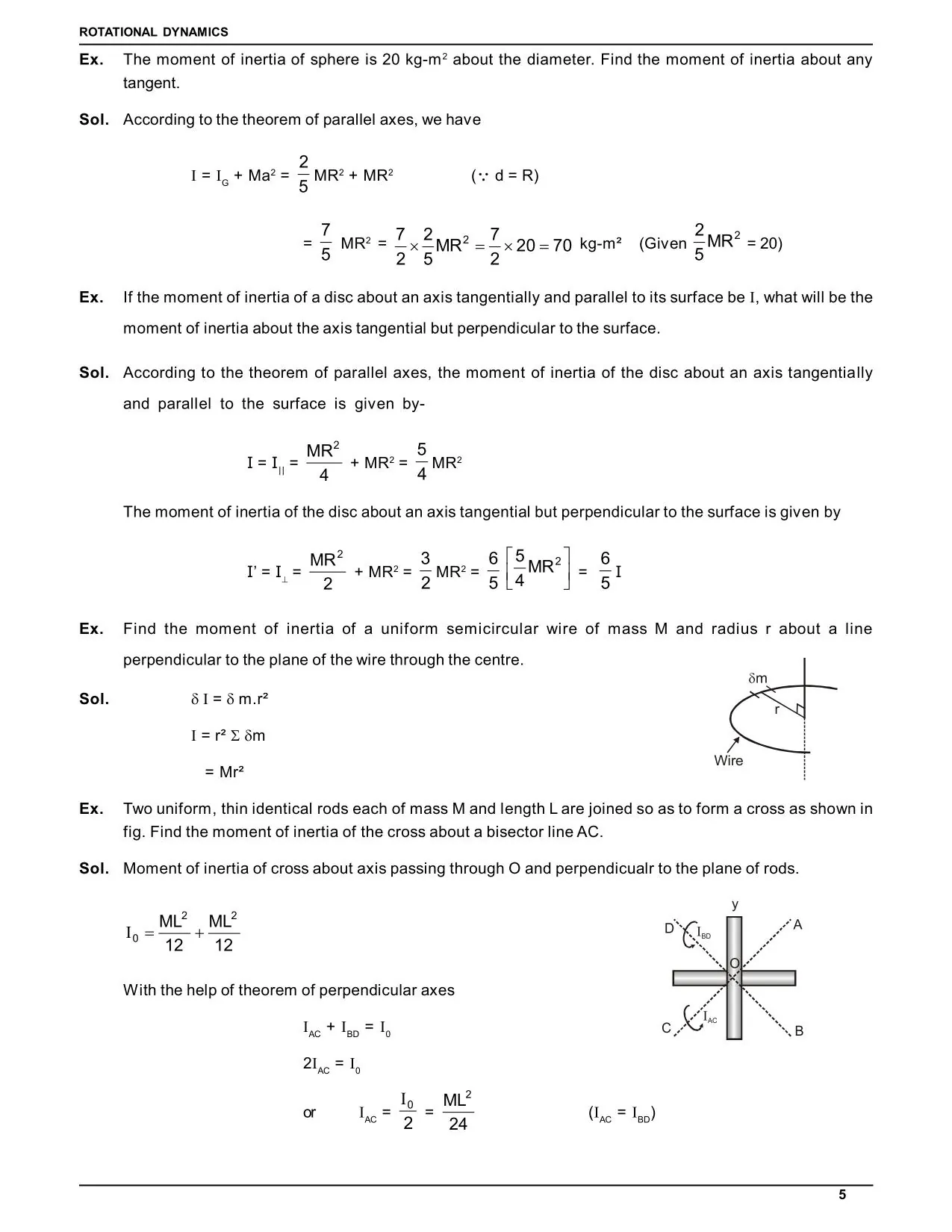
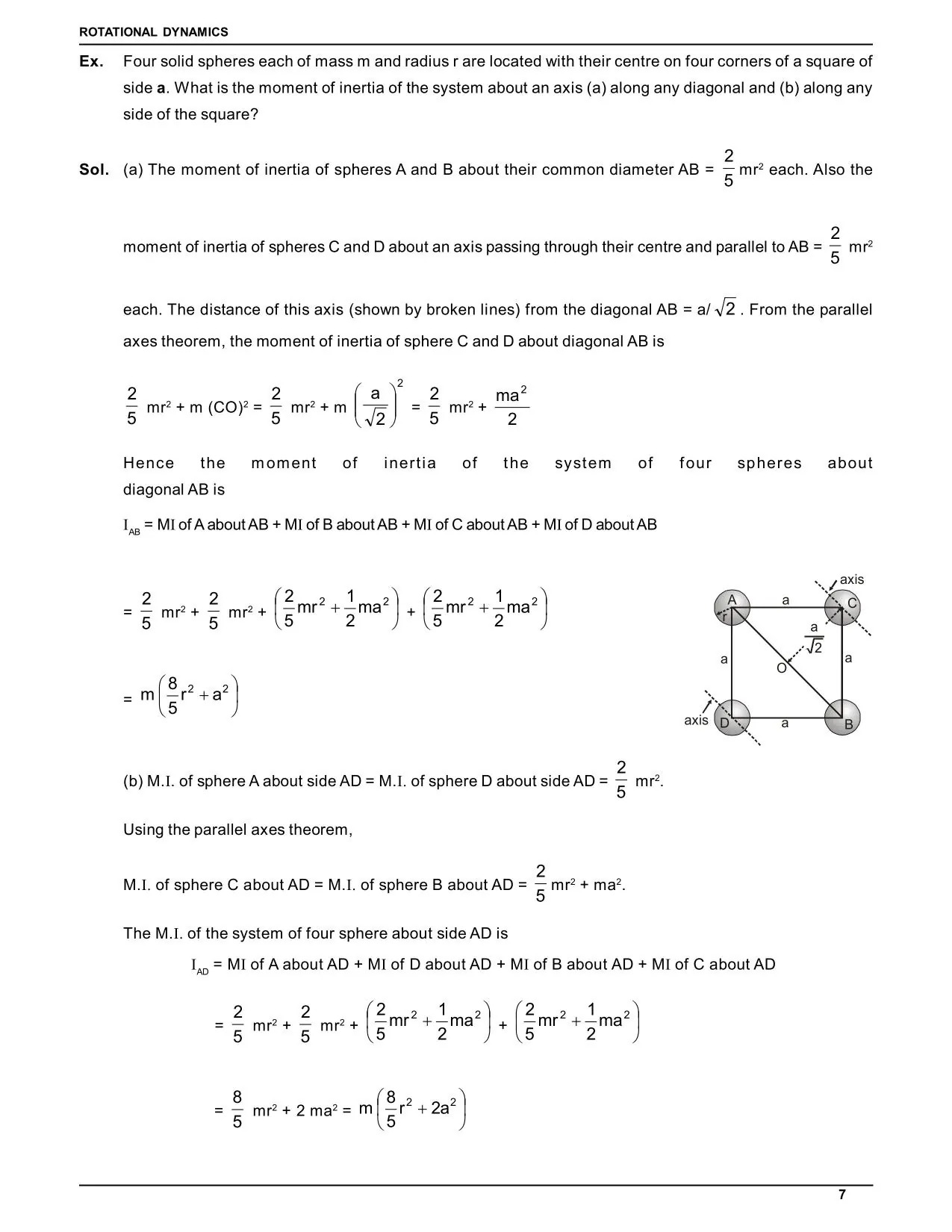
The parallel axis theorem states that if you know the moment of inertia of a body about an axis through its centre of mass (I_cm), you can find I about any parallel axis at distance d using I = I_cm + Md². For example, the moment of inertia of a disc about a tangent parallel to its diameter = ½MR² + MR² = (3/2)MR².
What is the moment of inertia, and why does it matter for NEET?
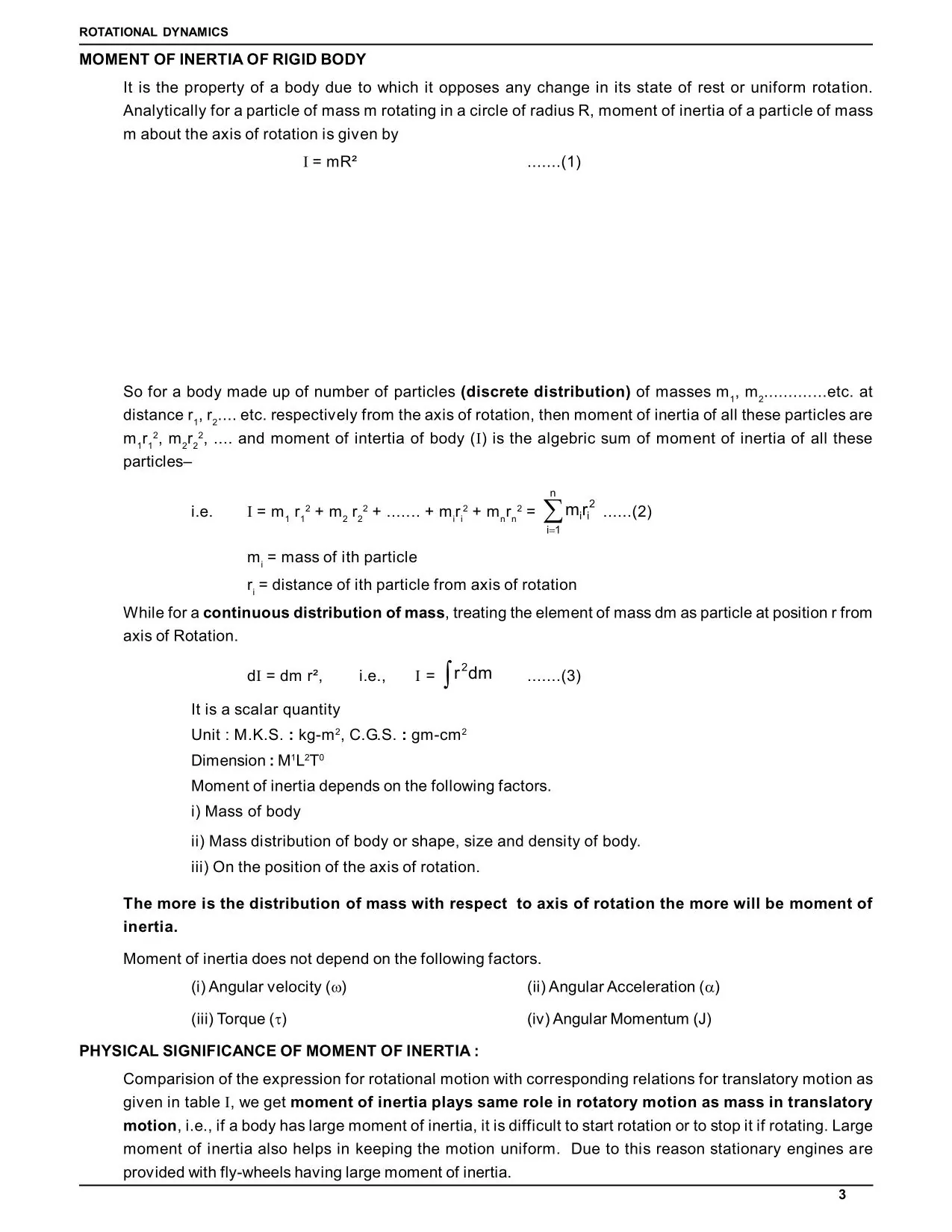
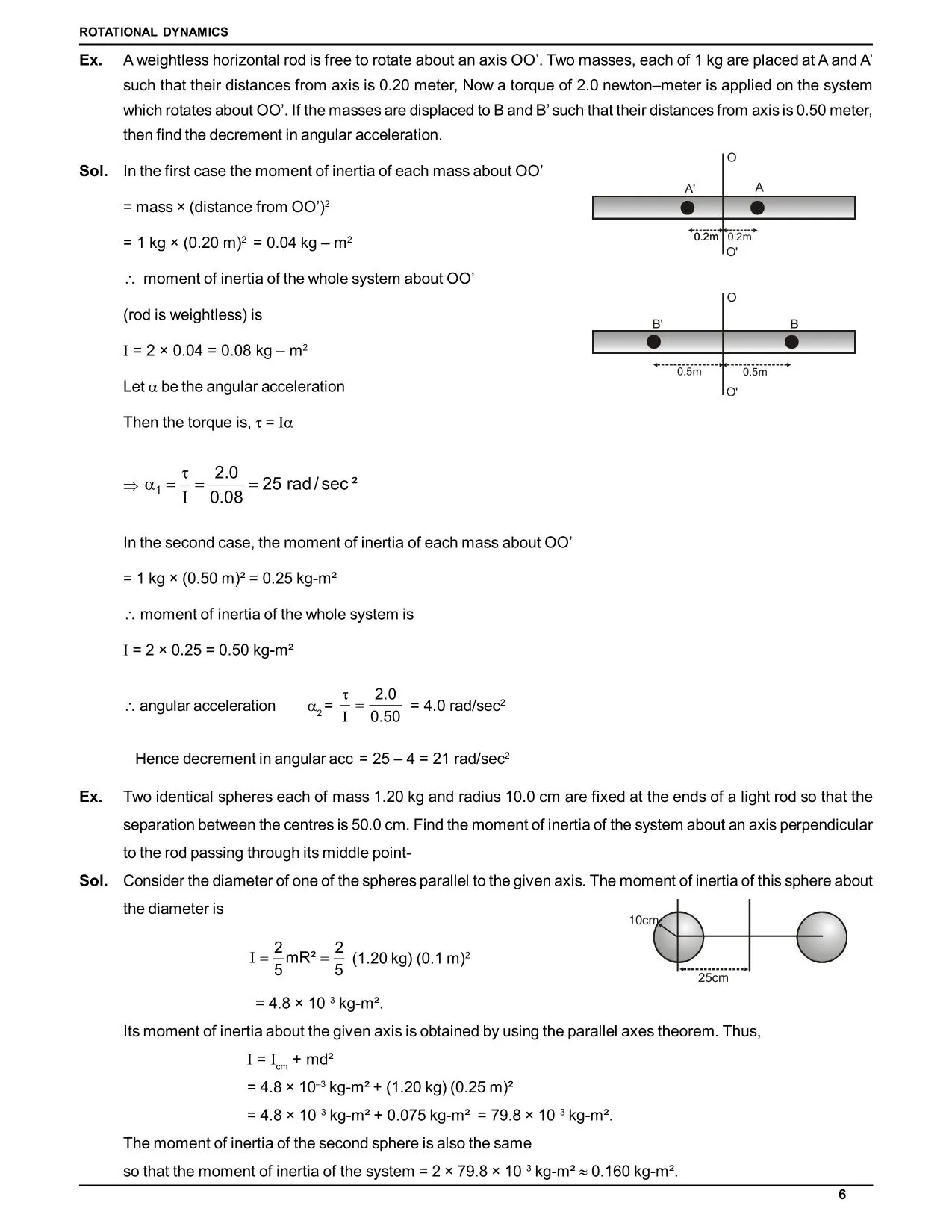
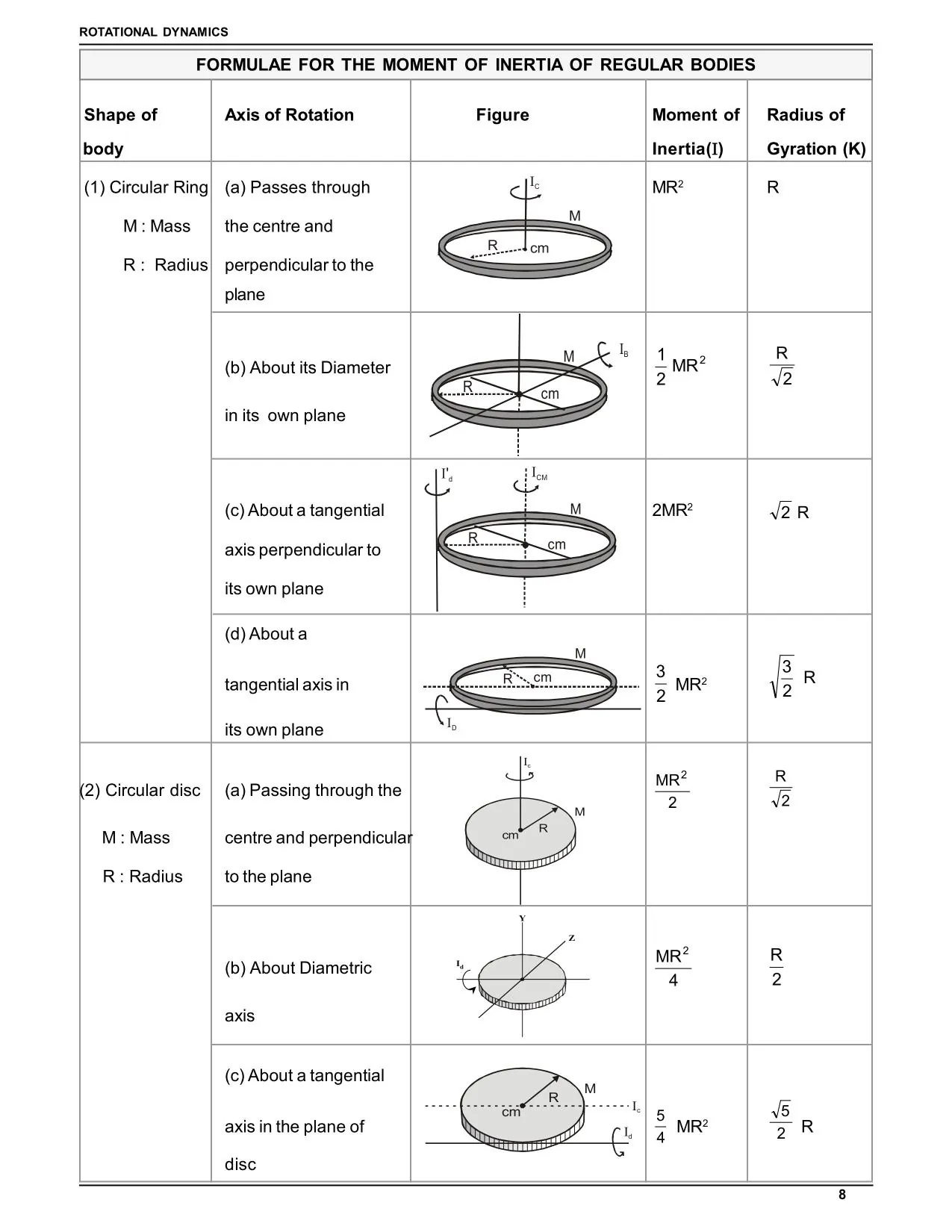
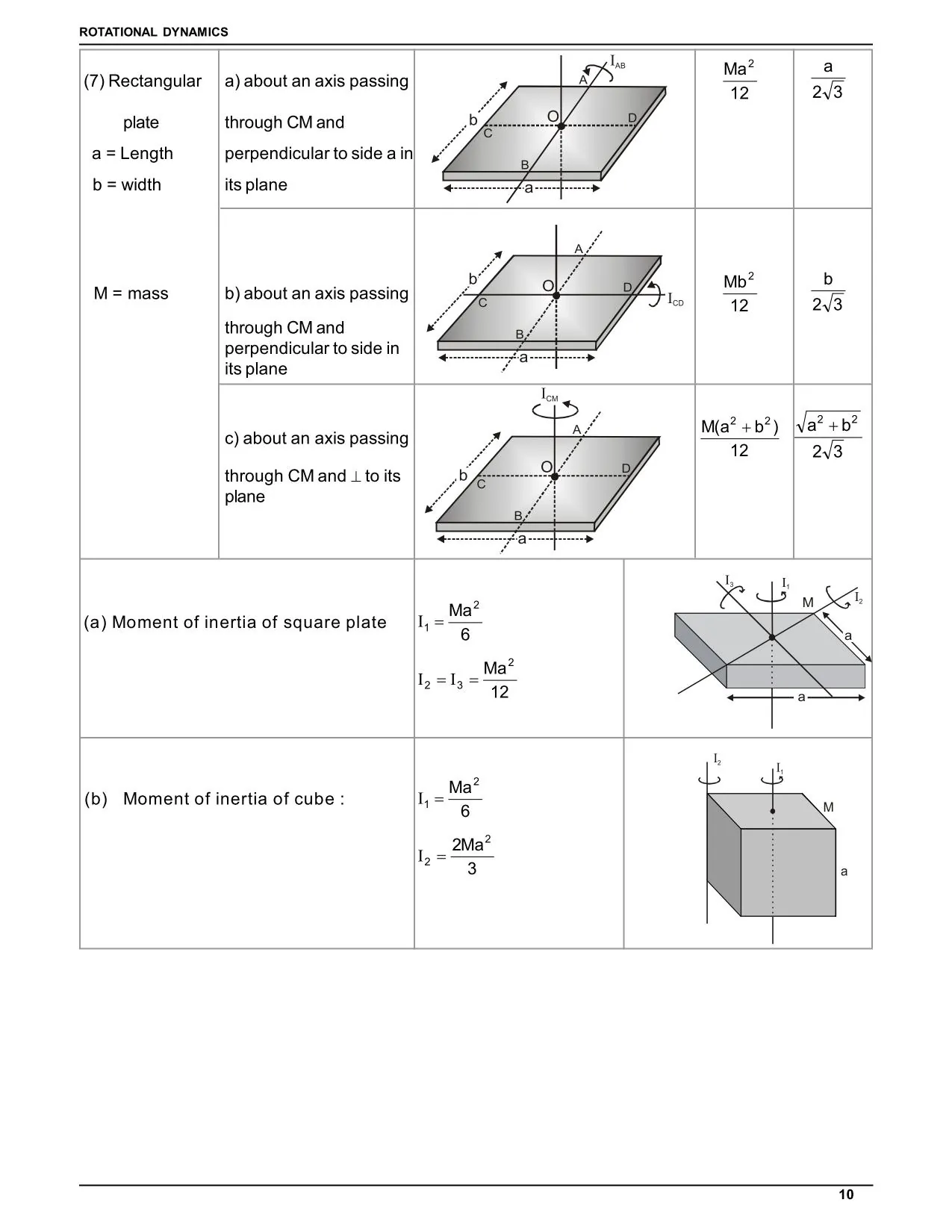
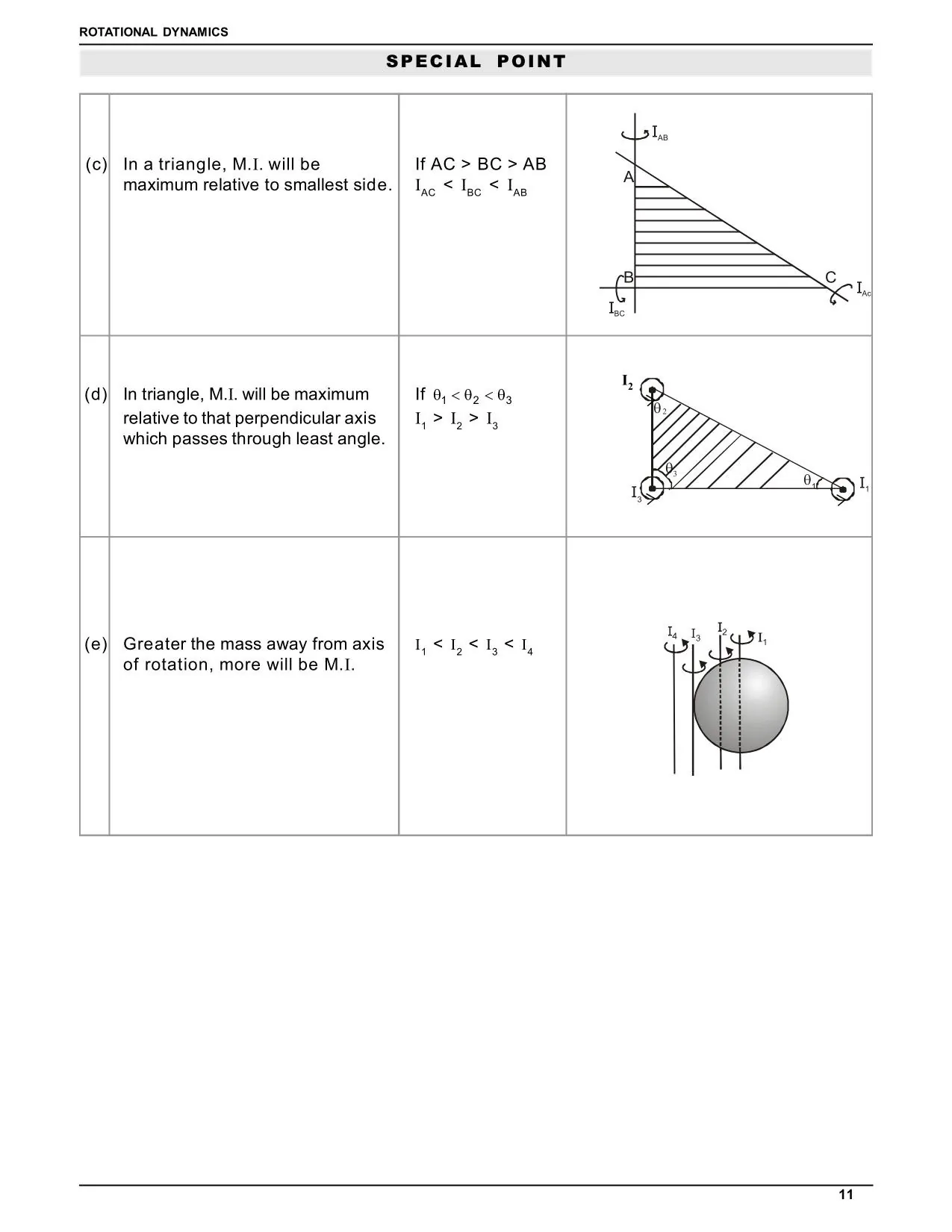
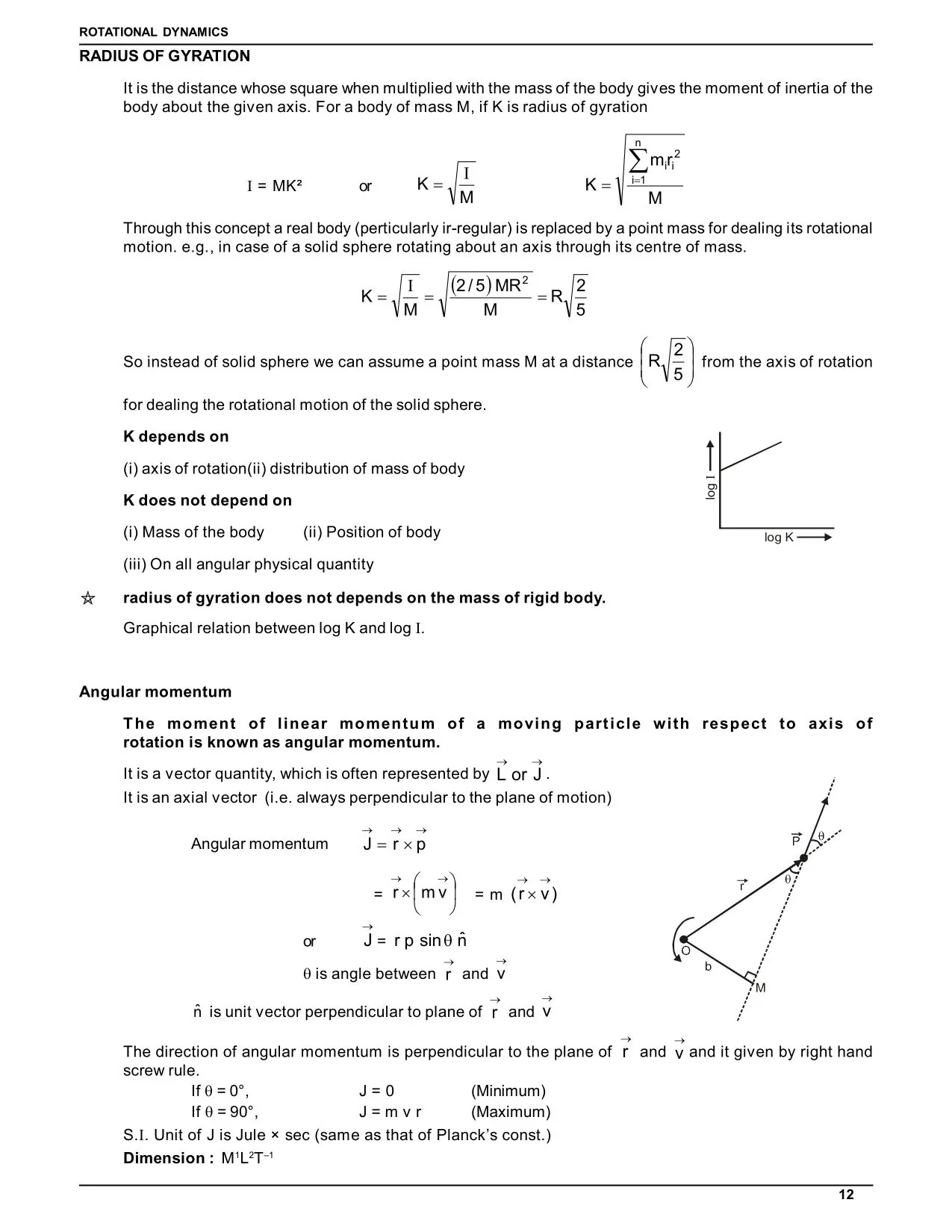
Moment of inertia (I = Σmᵢrᵢ²) measures a body's resistance to angular acceleration, similar to how mass measures resistance to linear acceleration. For NEET, you need to memorise I values for a ring, disc, solid sphere, hollow sphere, and rod. NEET typically asks direct recall or one-step application questions based on τ = Iα or L = Iω.
What are the most important topics in System of Particles and Rotational Motion for JEE?
The highest-weightage topics for JEE are moment of inertia (including standard body values and axis theorems), rolling motion (pure rolling conditions and energy), conservation of angular momentum, and torque problems involving non-uniform rotation. Mastering the parallel axis theorem and rolling-without-slipping problems alone can secure 2–3 marks in JEE Main.
Is this chapter tough for Class 11 boards?
For CBSE boards, the chapter is moderately difficult. Questions are usually direct formula applications — calculating moment of inertia, finding the velocity of a rolling body, or applying the parallel axis theorem. If you understand the analogy between linear and rotational quantities (mass↔I, force↔torque, velocity↔ω, momentum↔L), the chapter becomes structured and predictable. Solving all NCERT examples and exercises is sufficient for board-level performance.
What is the difference between torque and force?
Force causes linear acceleration (F = ma); torque causes angular acceleration (τ = Iα). Torque depends not just on the magnitude of the force but also on the perpendicular distance from the axis (moment arm) and the direction of the force. A large force applied close to the axis can produce less torque than a smaller force applied farther away.
How is angular momentum conserved?
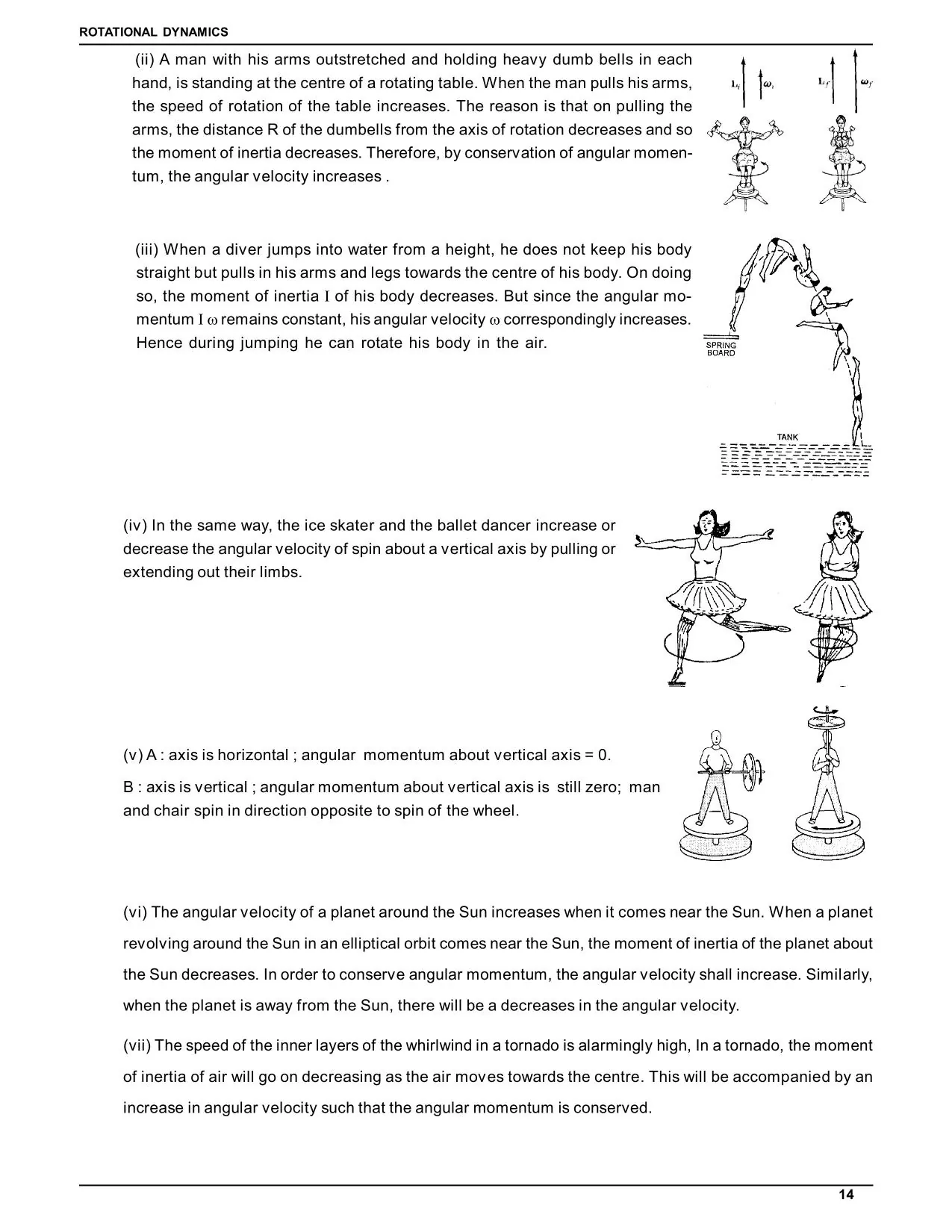
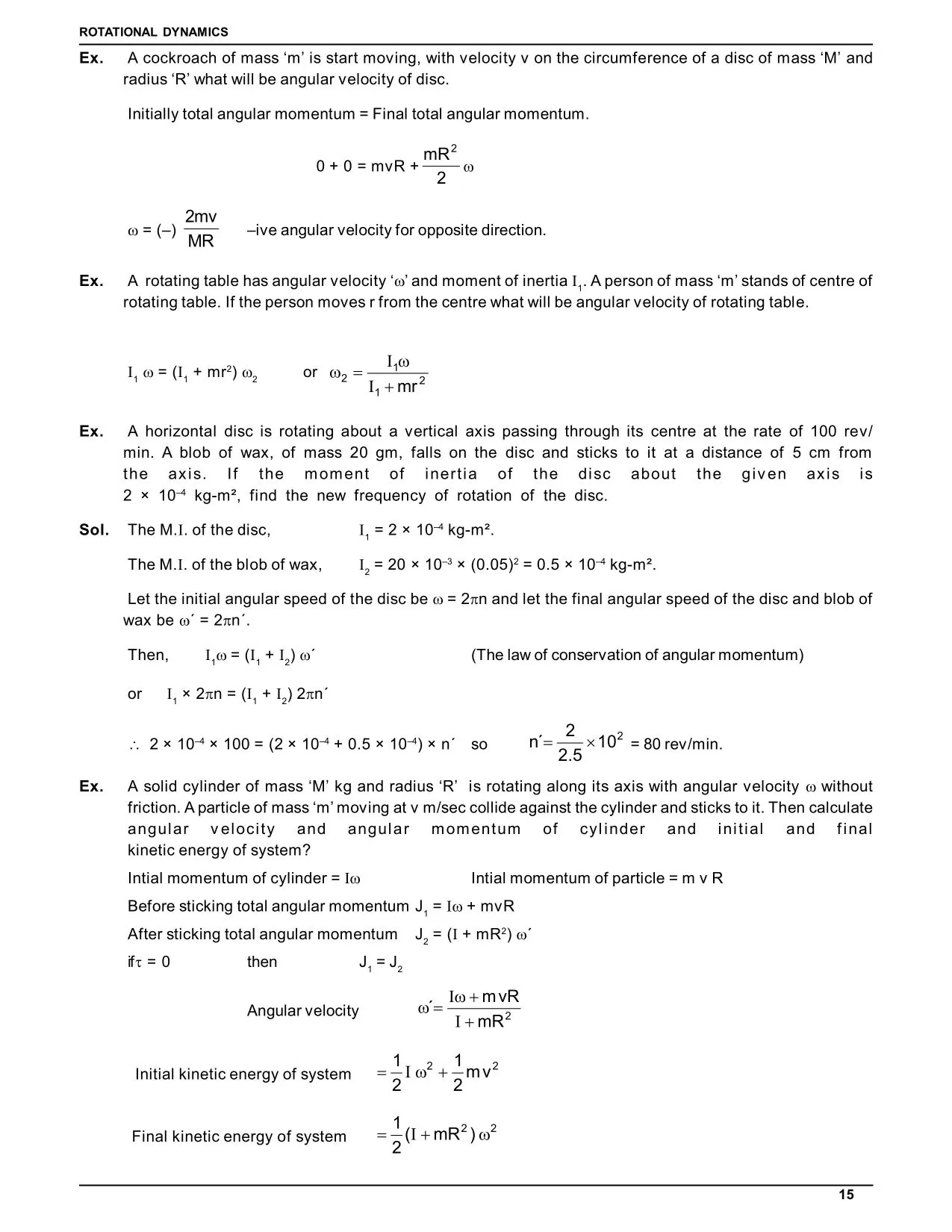
Angular momentum is conserved when no net external torque acts on the system. Mathematically, if τ_net = 0, then dL/dt = 0, so L = Iω = constant. A classic example: a spinning skater who pulls in their arms reduces their moment of inertia (I), so their angular velocity (ω) must increase to keep Iω constant.