Class 11 Laws of Motion Notes for IIT JEE & NEET

eSaral › Class 11 Physics Notes › Laws of Motion Notes for JEE & NEET
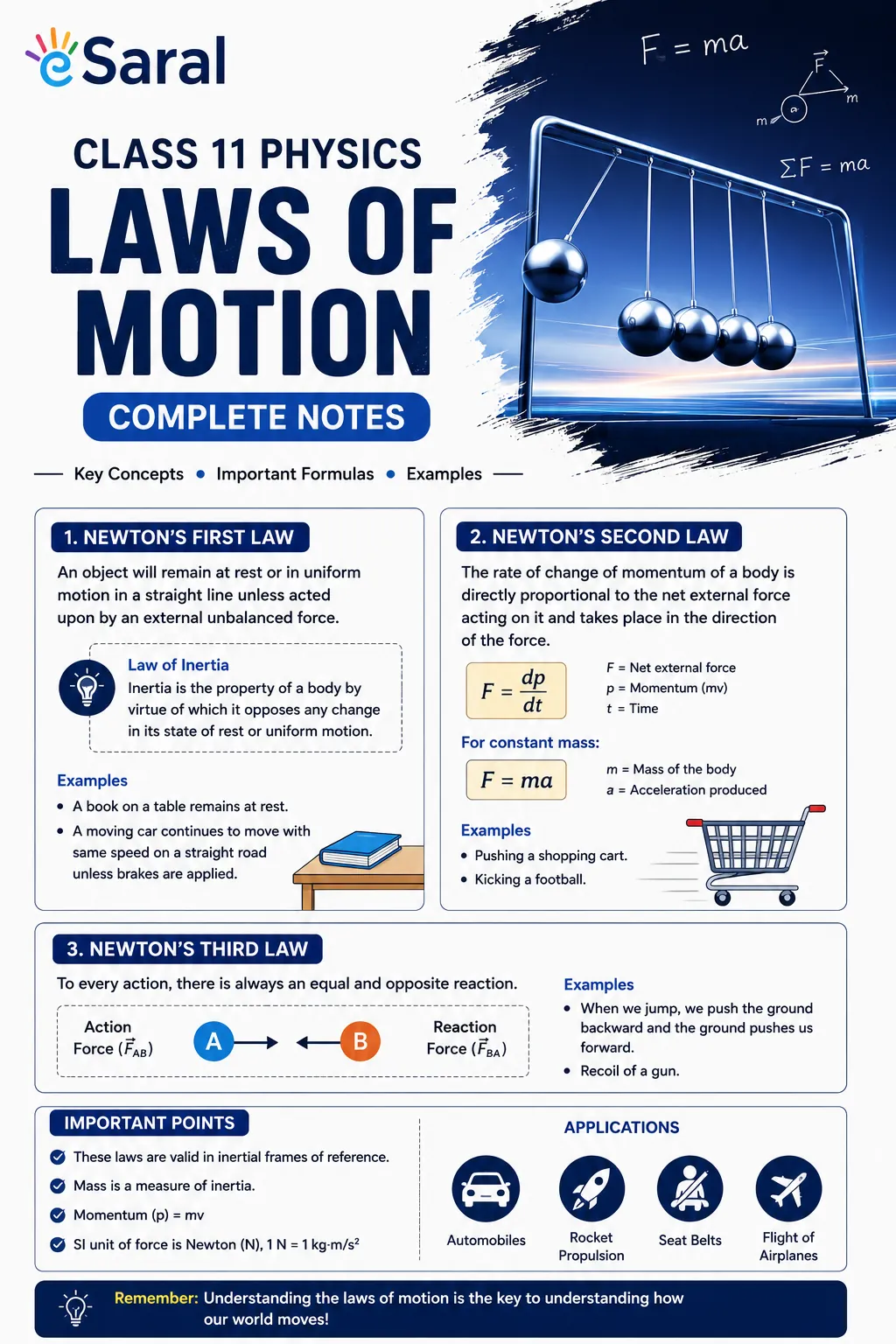
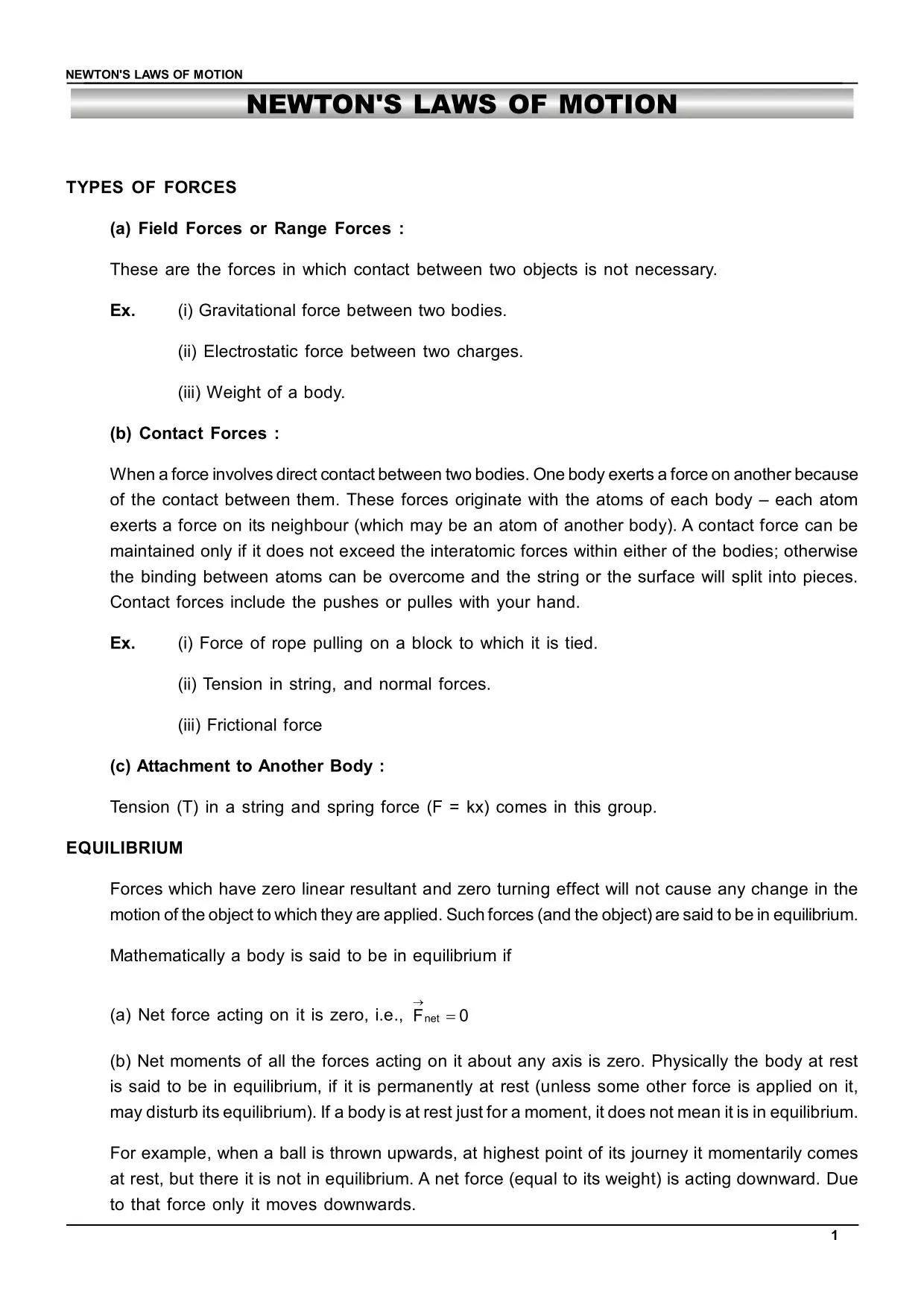
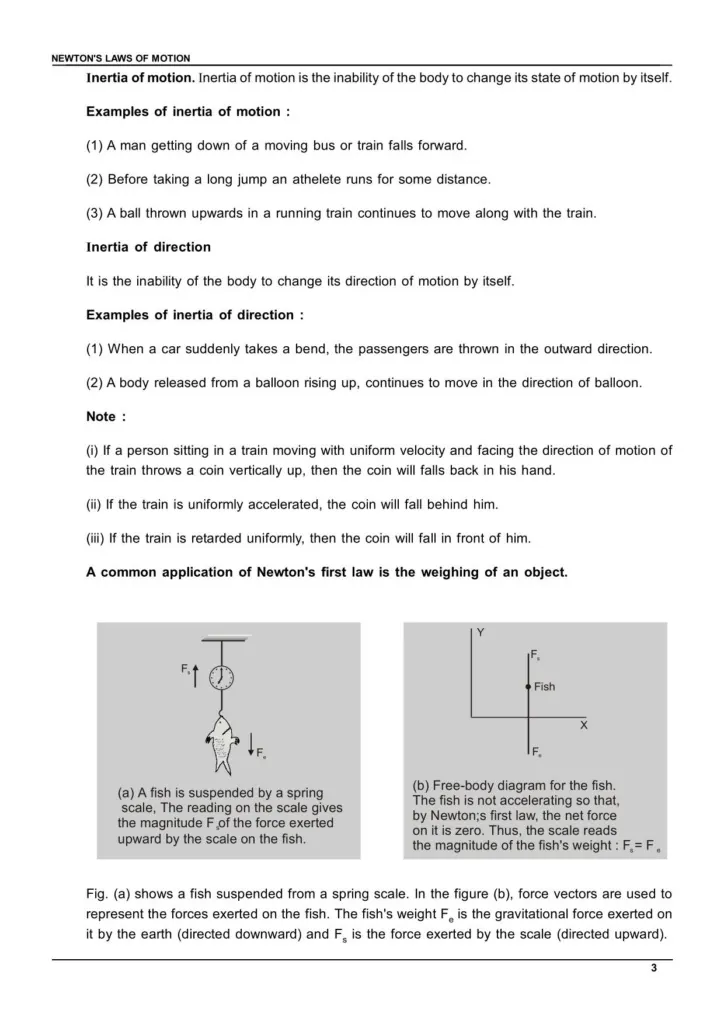
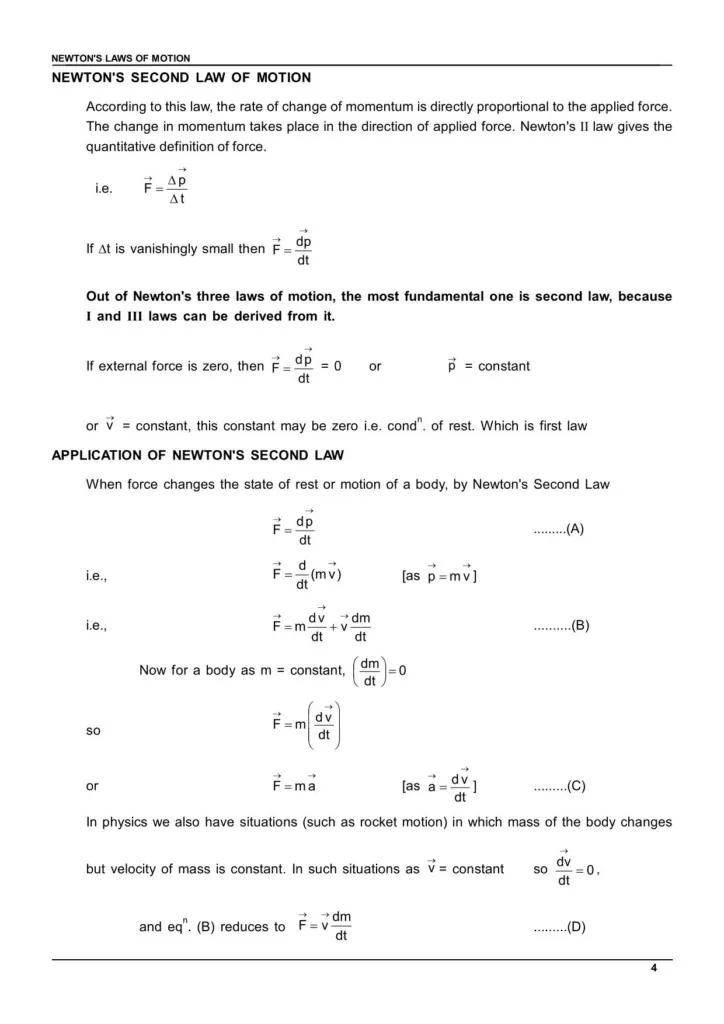
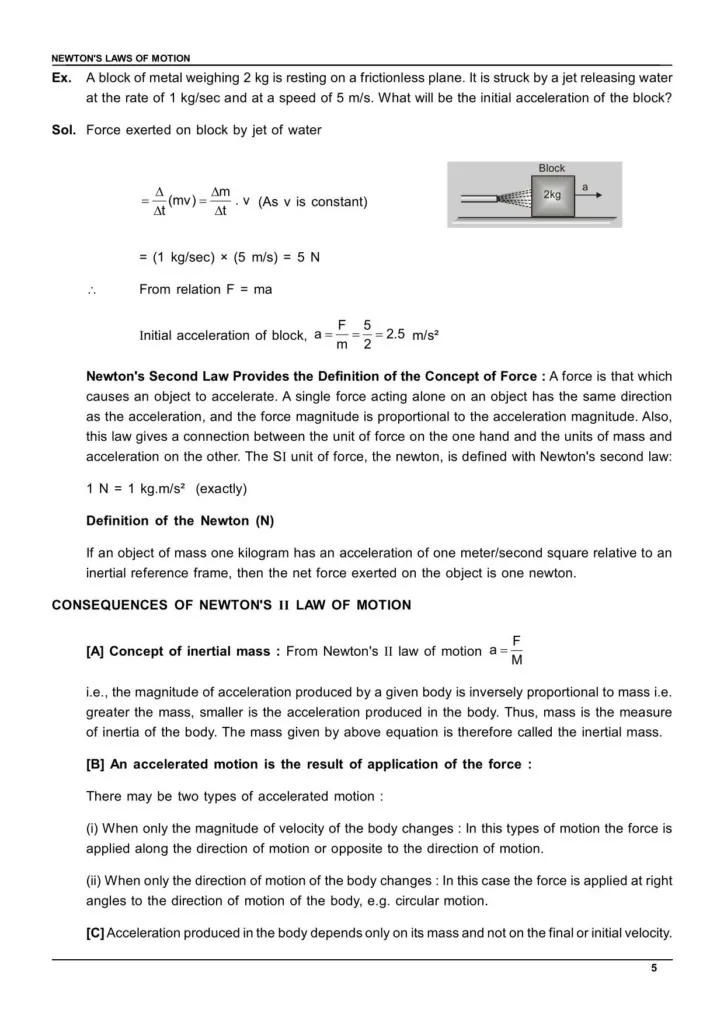
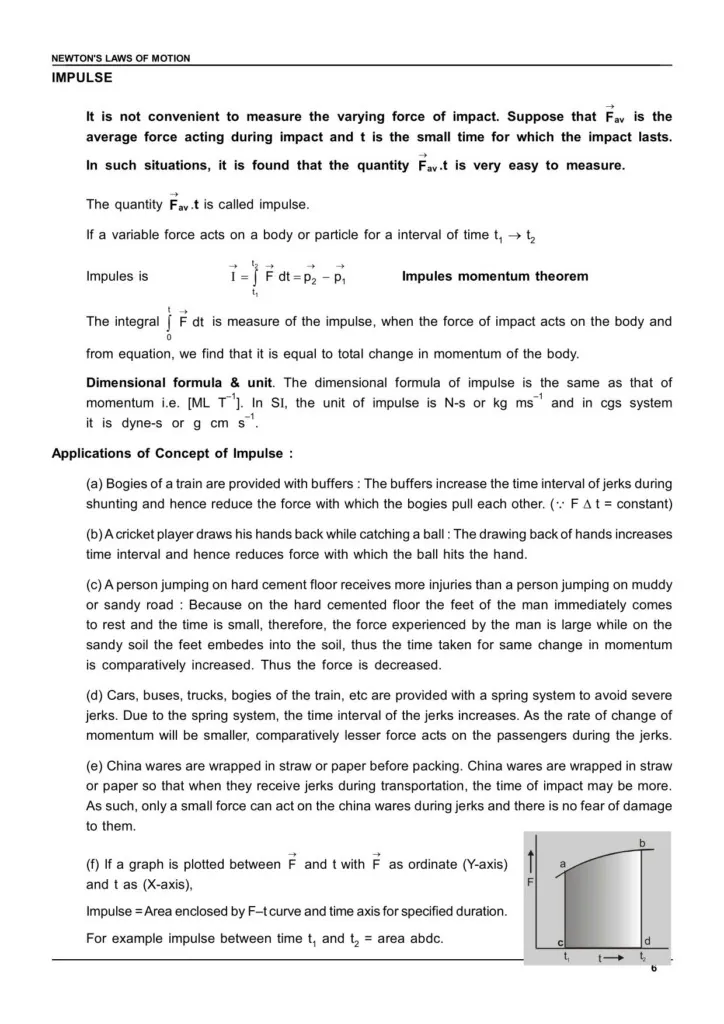
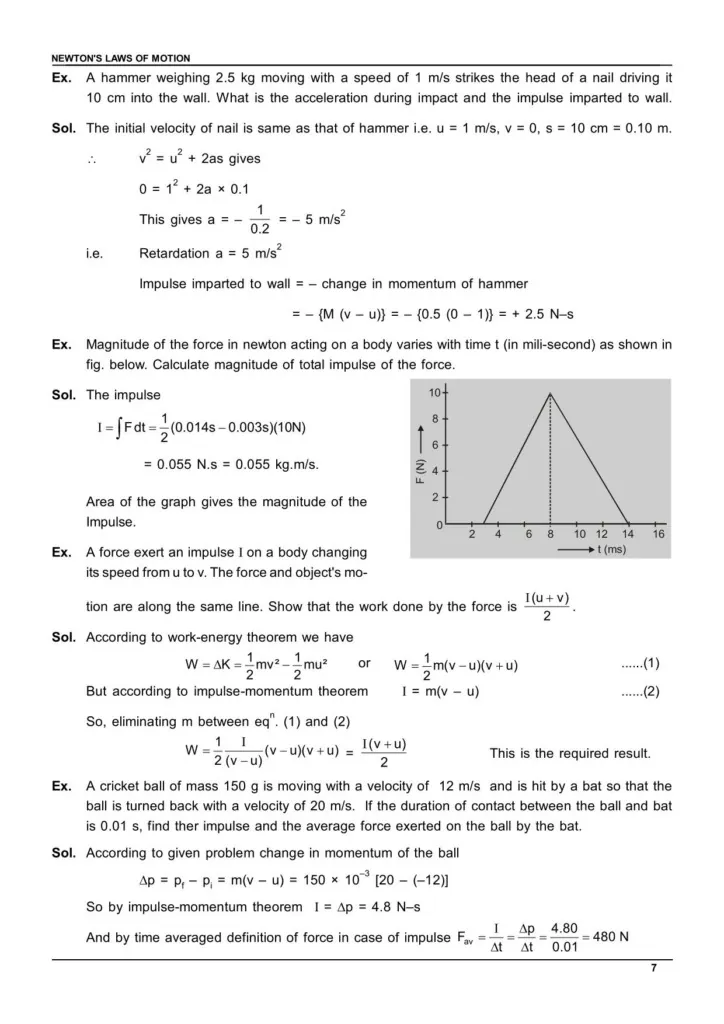
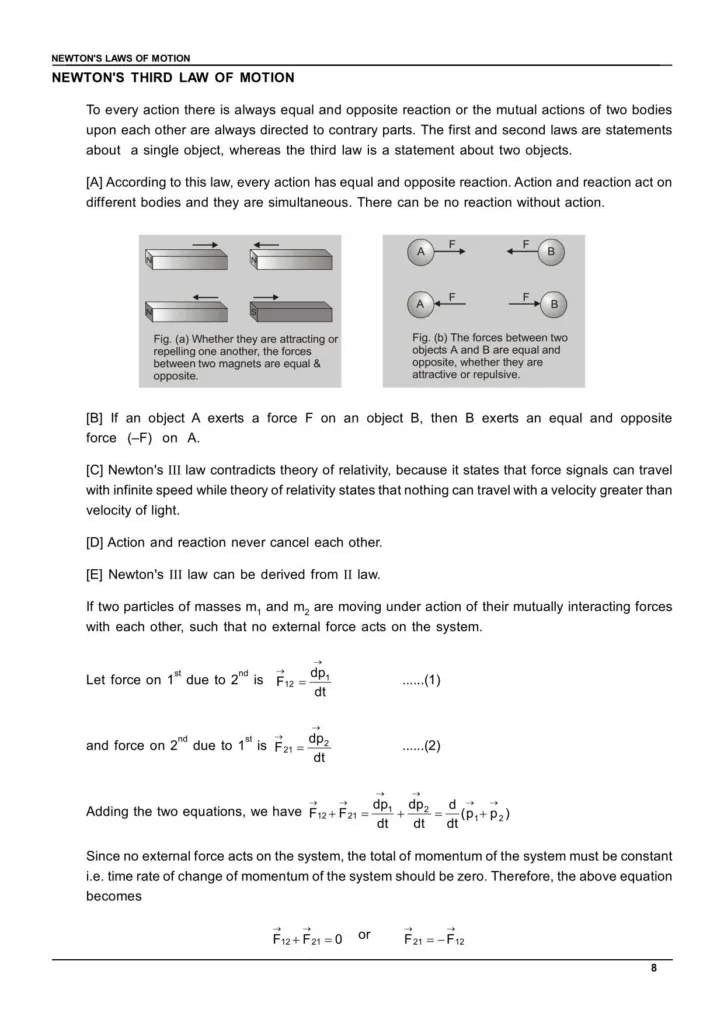
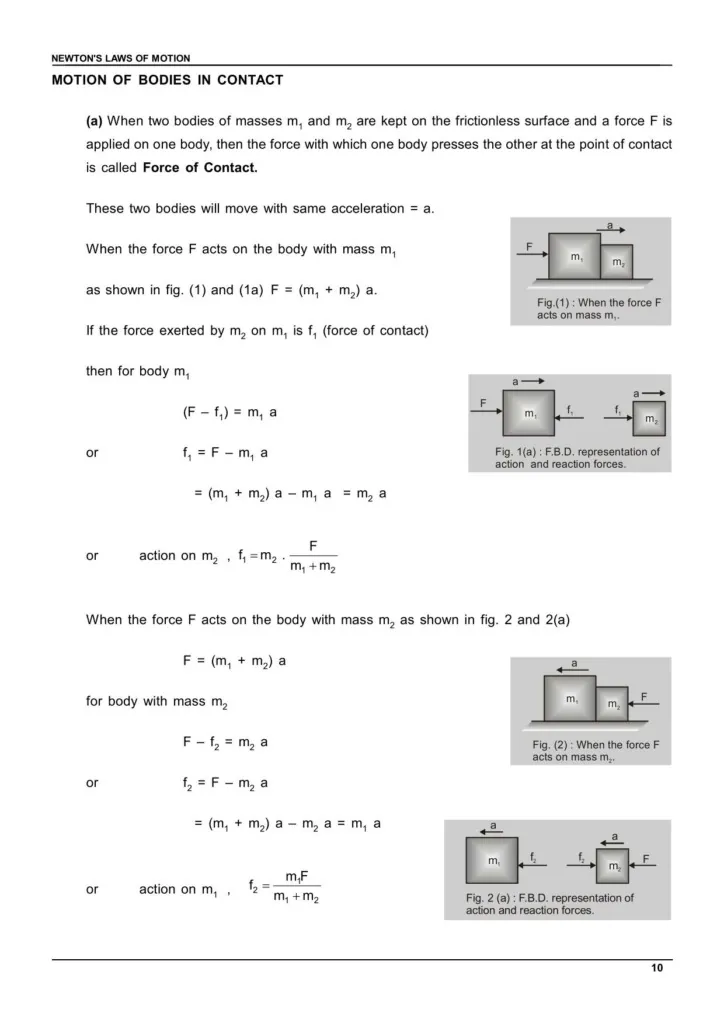
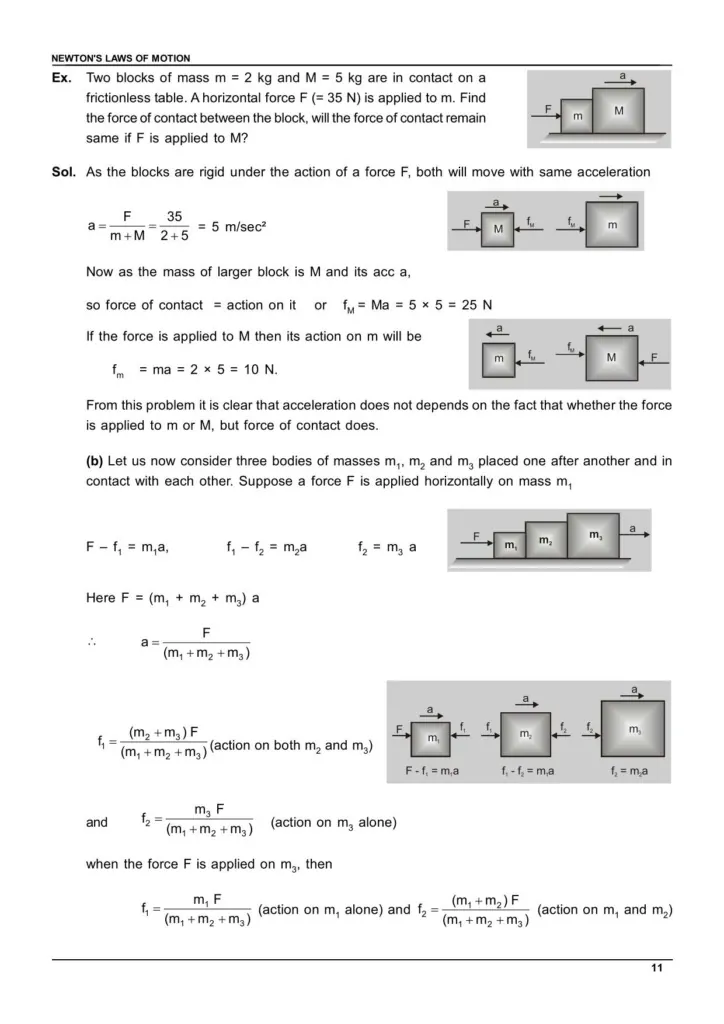
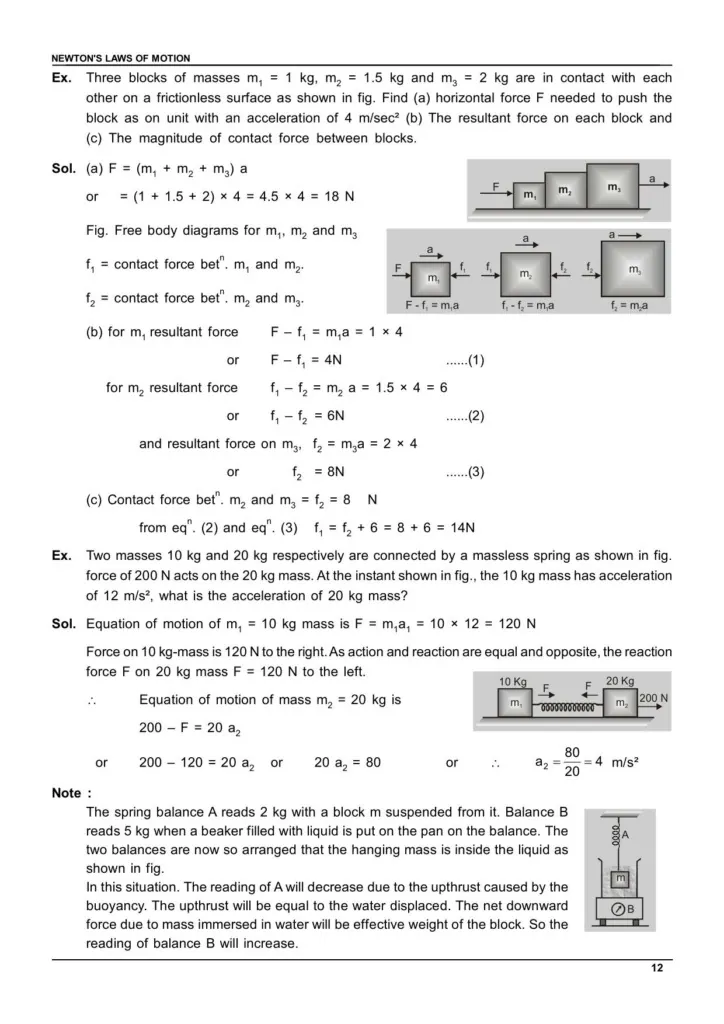
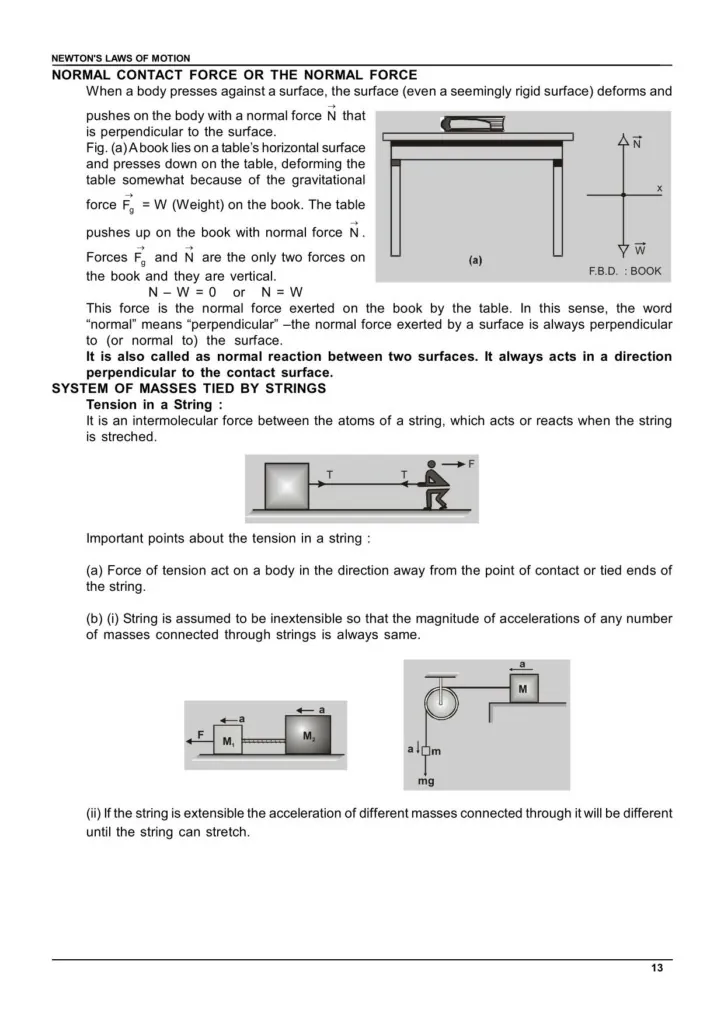
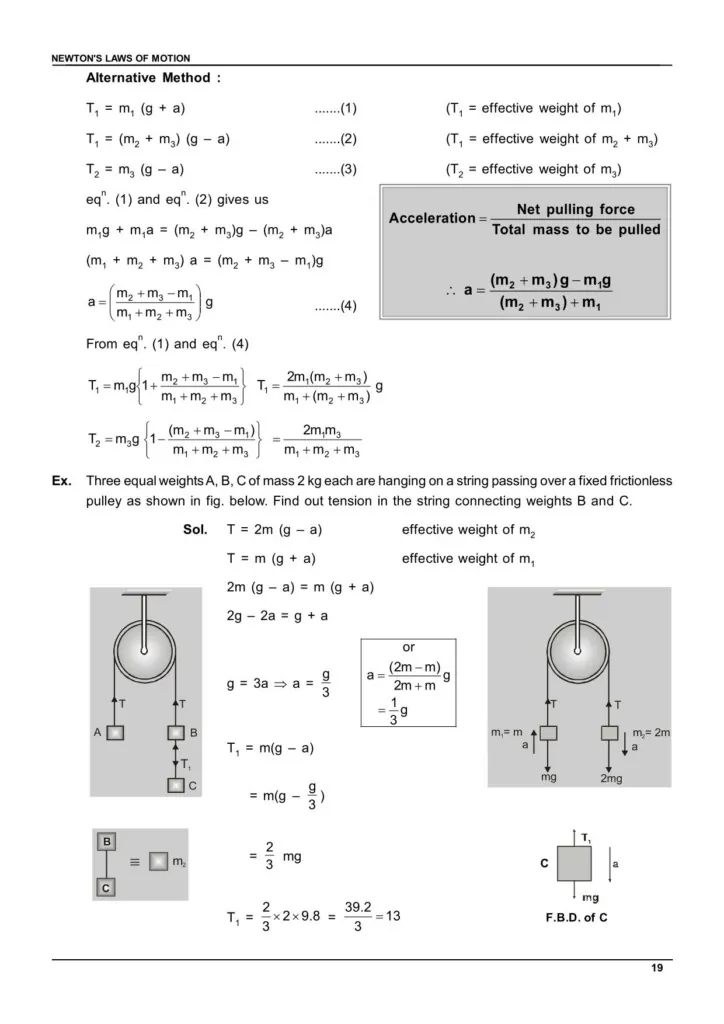
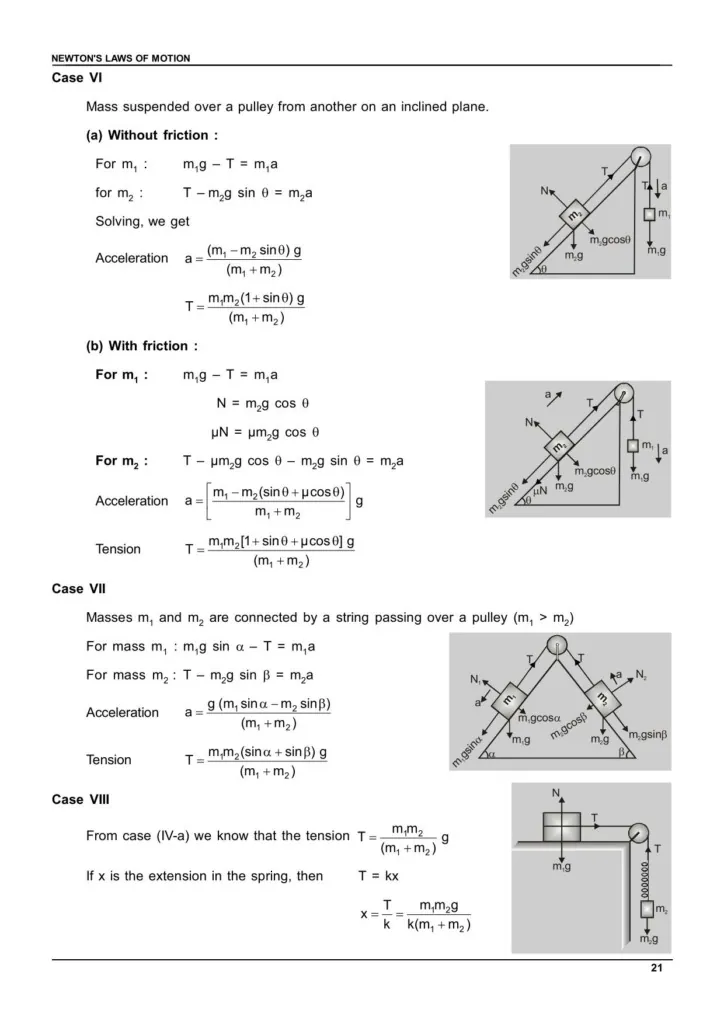
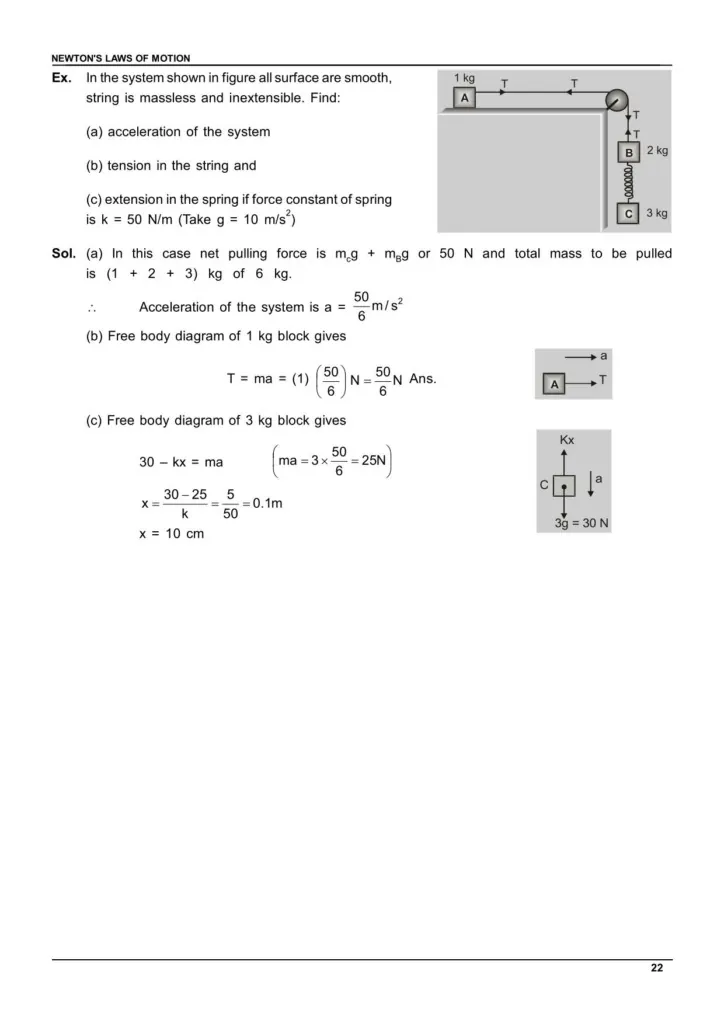
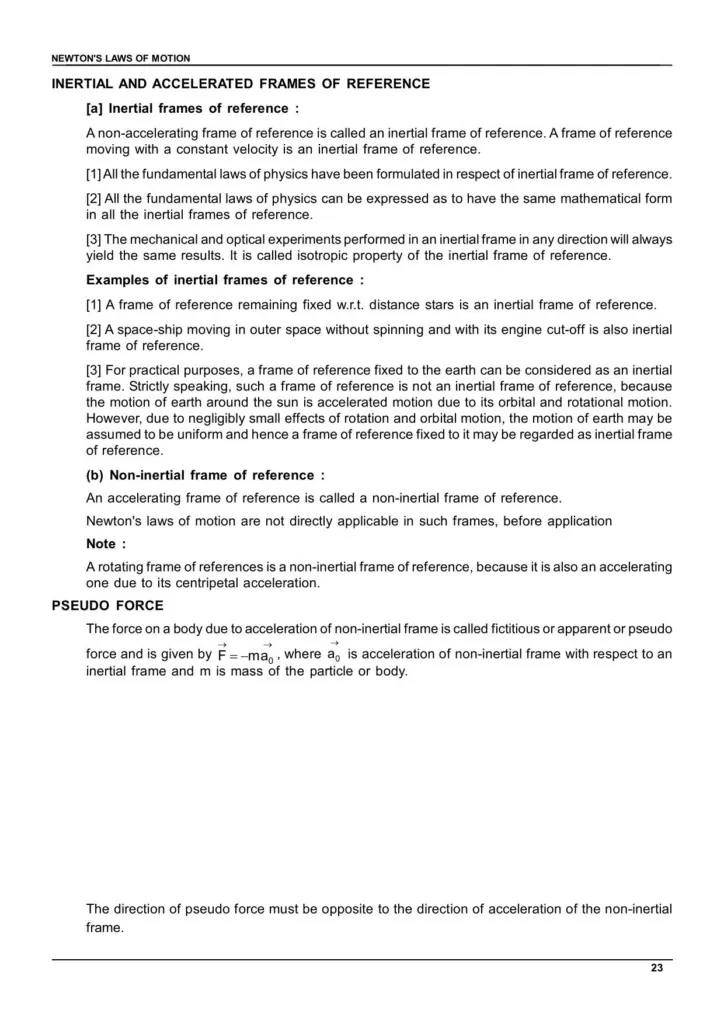
In this chapter, students will get to learn about moving bodies and the factors that act on these bodies. Also, get to learn about the direction of these moving bodies, their corresponding motion, the effect of gravitational force on these bodies, etc. eSaral provides complete, comprehensive chapter-wise notes for Class 11 Physics. Here you'll get Class 11 Laws of Motion Notes. These notes are also helpful in JEE and NEET Exams. These notes comprise proper images with diagrams. Let's study in detail the Laws of Motion in this article.
India's Best Exam Preparation for Class 11th - Download Now
India's Best Exam Preparation for Class 11th - Download Now
India's Best Exam Preparation for Class 11th - Download Now
India's Best Exam Preparation for Class 11th - Download Now
India's Best Exam Preparation for Class 11th - Download Now
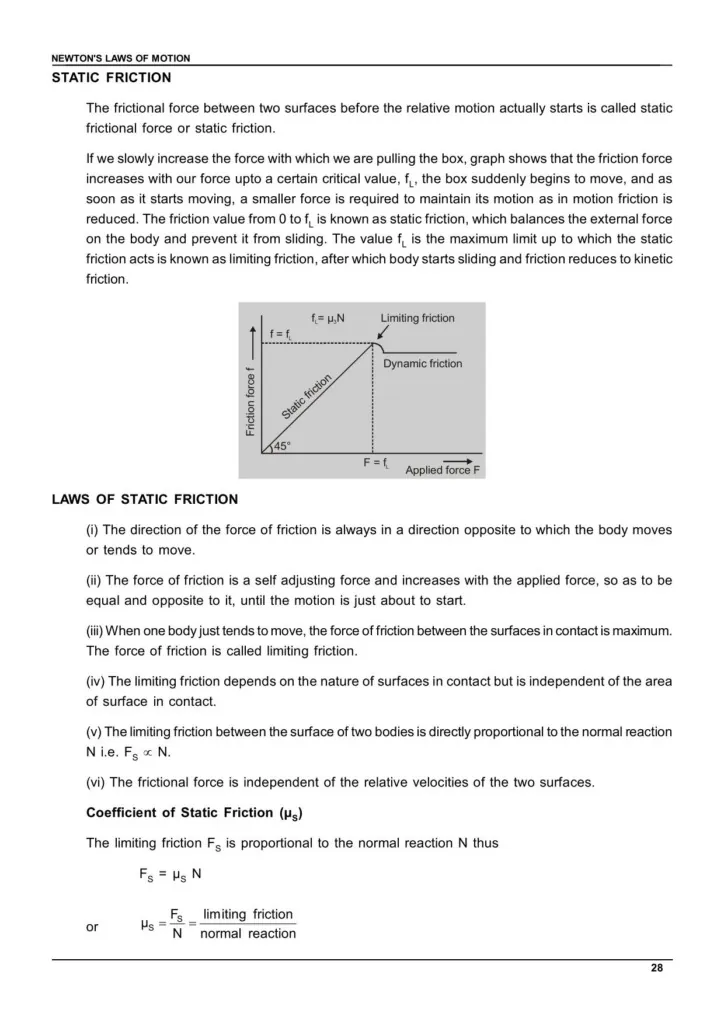
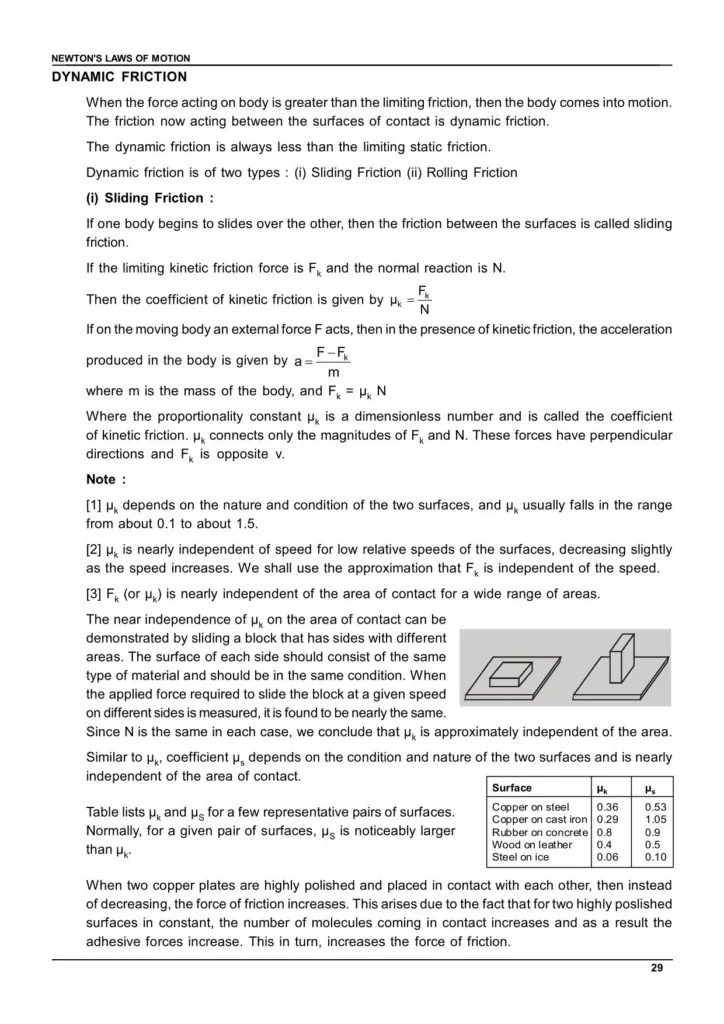
India's Best Exam Preparation for Class 11th - Download Now
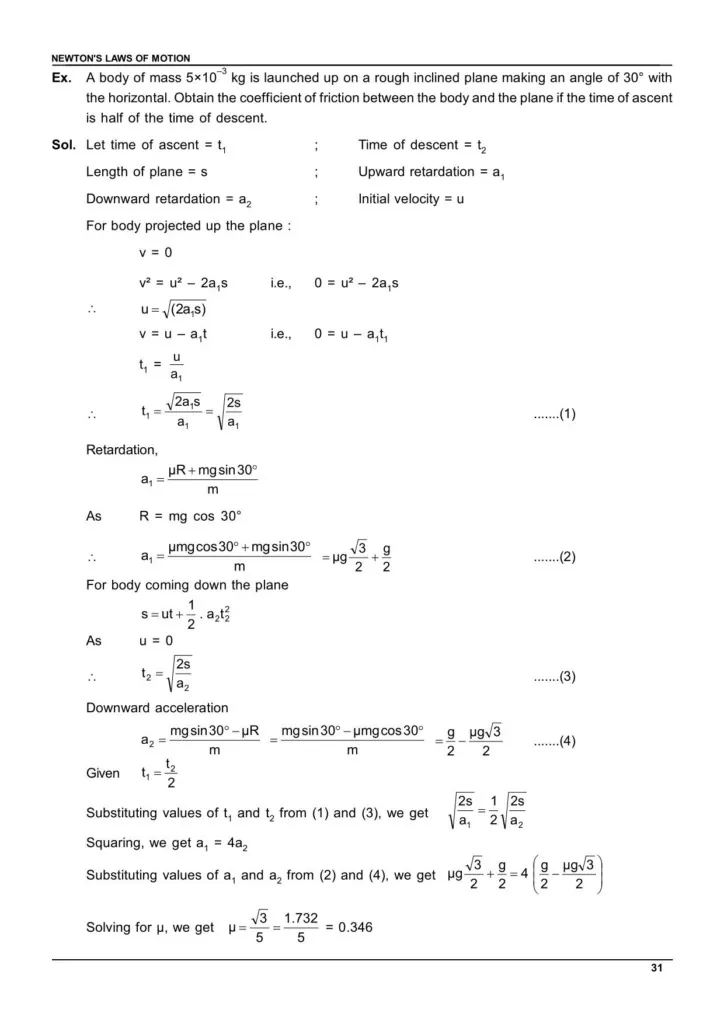
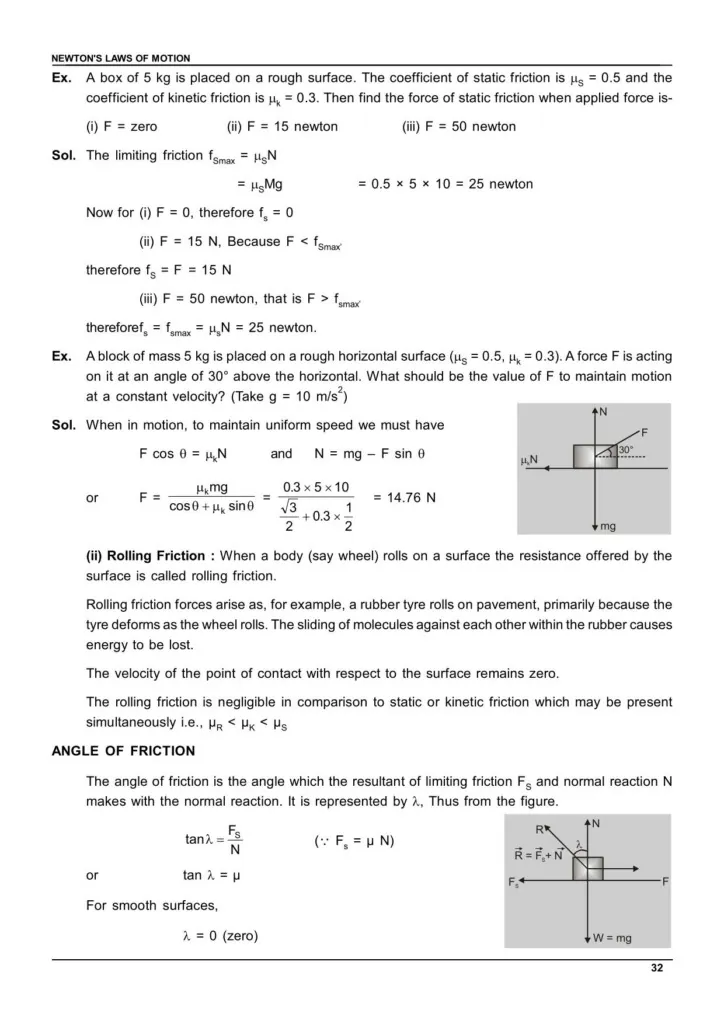
India's Best Exam Preparation for Class 11th - Download Now
eSaral has already come up with an amazing revision series of Physics where you can easily revise your chapter within minutes with all the important formulae and key points. This revision series is free for all. Click Here for Complete Physics Revision Series by Saransh Gupta Sir (AIR-41). About Saransh Gupta Sir: Computer Science Graduate from IIT Bombay. Cracked IIT-JEE with AIR-41 and AIEEE (JM) with AIR-71 in 2006. He is the author of the JEE Mentorship Book “StrateJEE”. He taught Physics for 5 years at Allen and was loved immensely by all the students. Many of his students bagged success with flying colours in JEE & NEET Exams. eSaral brings you detailed Class 11th Physics study material. eSaral provides a series of detailed chapter-wise notes for all the Subjects of class 11th and 12th.
India's Best Exam Preparation for Class 11th - Download Now
These notes will also help you in your IIT JEE & NEET preparations. We hope these Physics Notes for Class 11 will help you understand the important topics and remember the key points from an exam point of view. Get Complete Physics Notes for Physics Class 11 for easy learning and understanding. For free video lectures and complete study material, download the eSaral APP. About eSaral: At eSaral, we are offering a complete platform for IIT-JEE & NEET preparation. The main mission behind eSaral is to provide education to every student in India by eliminating the Geographic and Economic factors, as a nation’s progress and development depends on the availability of quality education to everyone. With the blend of education & technology, the eSaral team made the learning personalized & adaptive for everyone.
Free-body diagrams often require forces to be resolved along perpendicular axes, so a quick revision of vector components and two-dimensional motion is useful before solving NLM problems.
Frequently Asked Questions
Find answers to common questions.
Is Laws of Motion important for NEET?
Yes. NEET typically asks 1–2 questions from this chapter annually. The focus is on conceptual clarity — Newton's laws, friction coefficients, and circular motion basics. Derivation-heavy parts like variable mass are less relevant for NEET but all formula applications are fair game.
How many questions come from Laws of Motion in JEE Main?
Typically 1 to 2 questions appear from Laws of Motion in JEE Main every year, contributing roughly 4–8 marks. The chapter combines frequently with friction and circular motion in multi-concept problems. Based on NTA's pattern analysis, questions are mostly from FBD applications and friction on inclined planes.
What are the three laws of motion in simple words?
Newton's First Law says a body stays at rest or in motion unless a force acts on it. The Second Law says force equals mass times acceleration (F = ma). The Third Law says every action has an equal and opposite reaction. These three laws form the entire foundation of classical mechanics taught from Class 9 through JEE Advanced.
What is an inertial frame of reference?
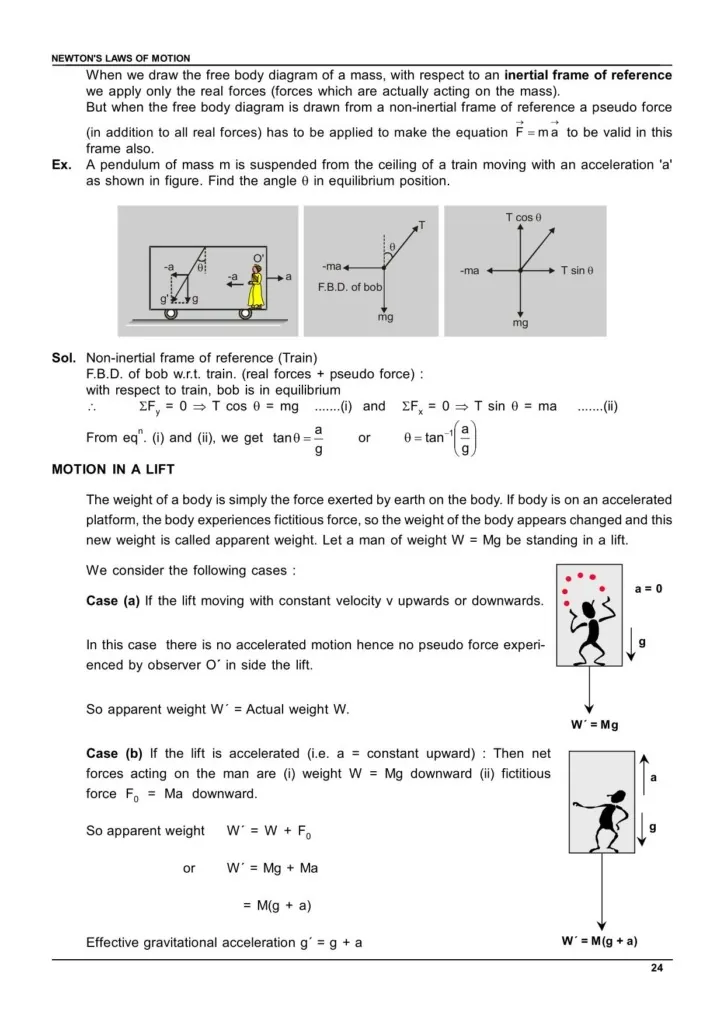
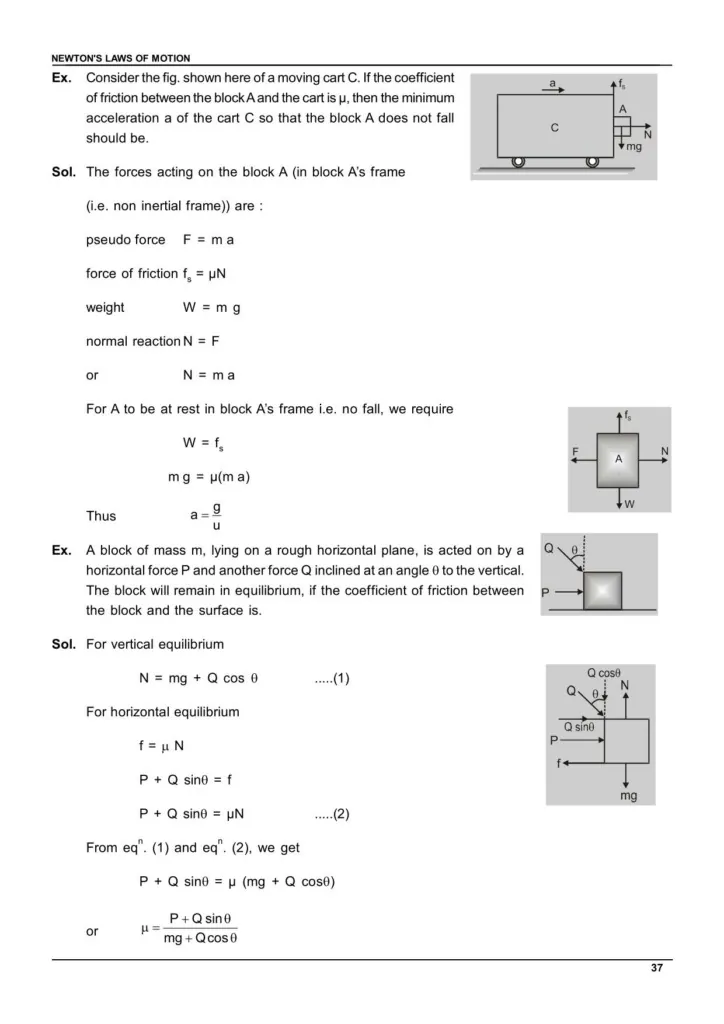
An inertial frame of reference is any frame that is at rest or moving with constant velocity — one where Newton's laws hold without adding pseudo forces. A non-inertial frame (like an accelerating car) requires adding a pseudo force equal to −ma to apply Newton's second law. Most JEE problems use ground as the inertial frame by default.
How do you solve a circular motion problem in JEE?
First, identify what real force is acting as the centripetal force (tension, normal, gravity, or friction). Draw the FBD. Apply Newton's Second Law toward the centre: ΣF = mv²/r. For vertical circles, check the minimum speed condition at the top: v_min = √(rg). Never add centripetal force as a separate force in your FBD.
What is the difference between static and kinetic friction?
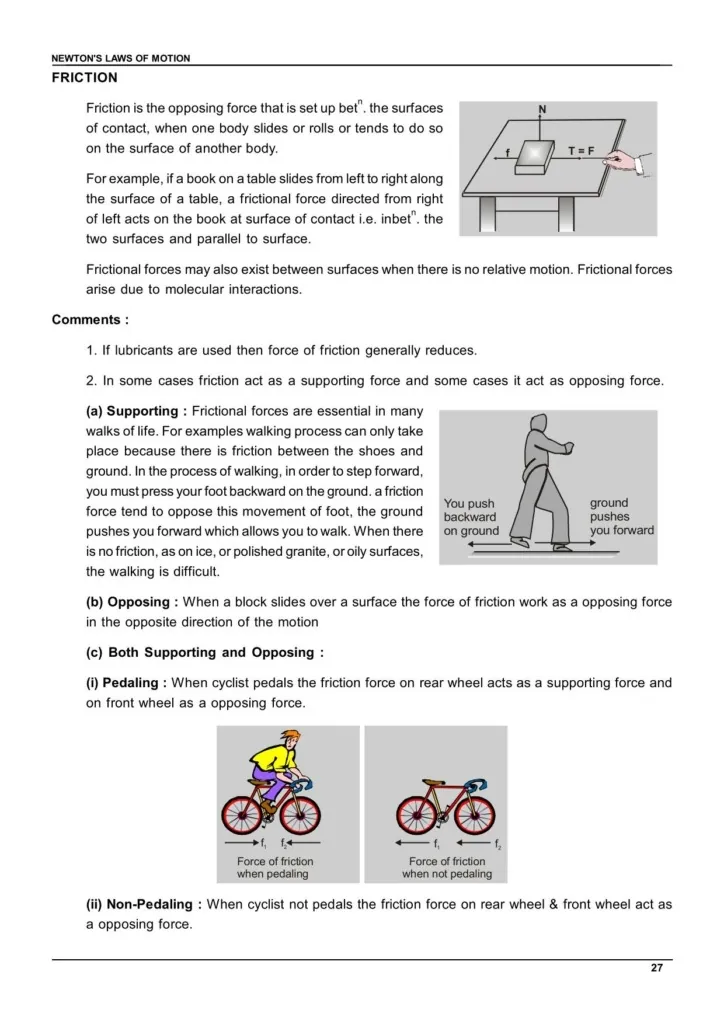
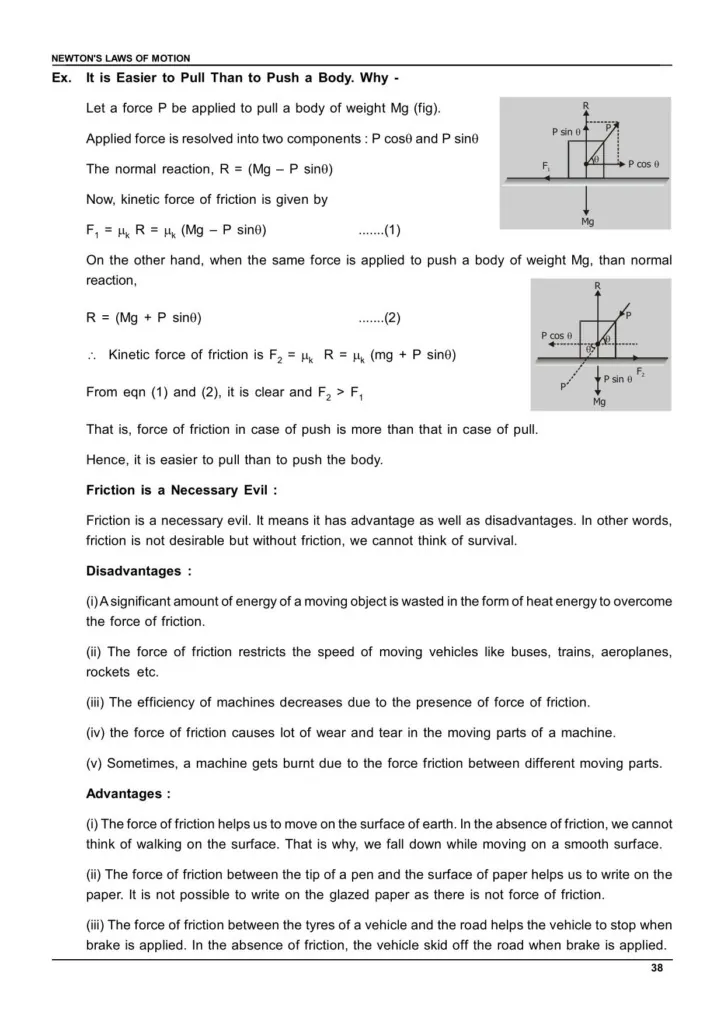
Static friction prevents motion from starting and self-adjusts from zero up to a maximum value of μₛN. Kinetic friction acts when surfaces are already sliding and has a fixed value equal to μₖN. Since μₖ < μₛ for any surface pair, it is always easier to keep an object moving than to start it moving.