Alternating Current Class 12 Notes for IIT JEE | NEET

eSaral > Class 12 Physics Notes > Alternating Current

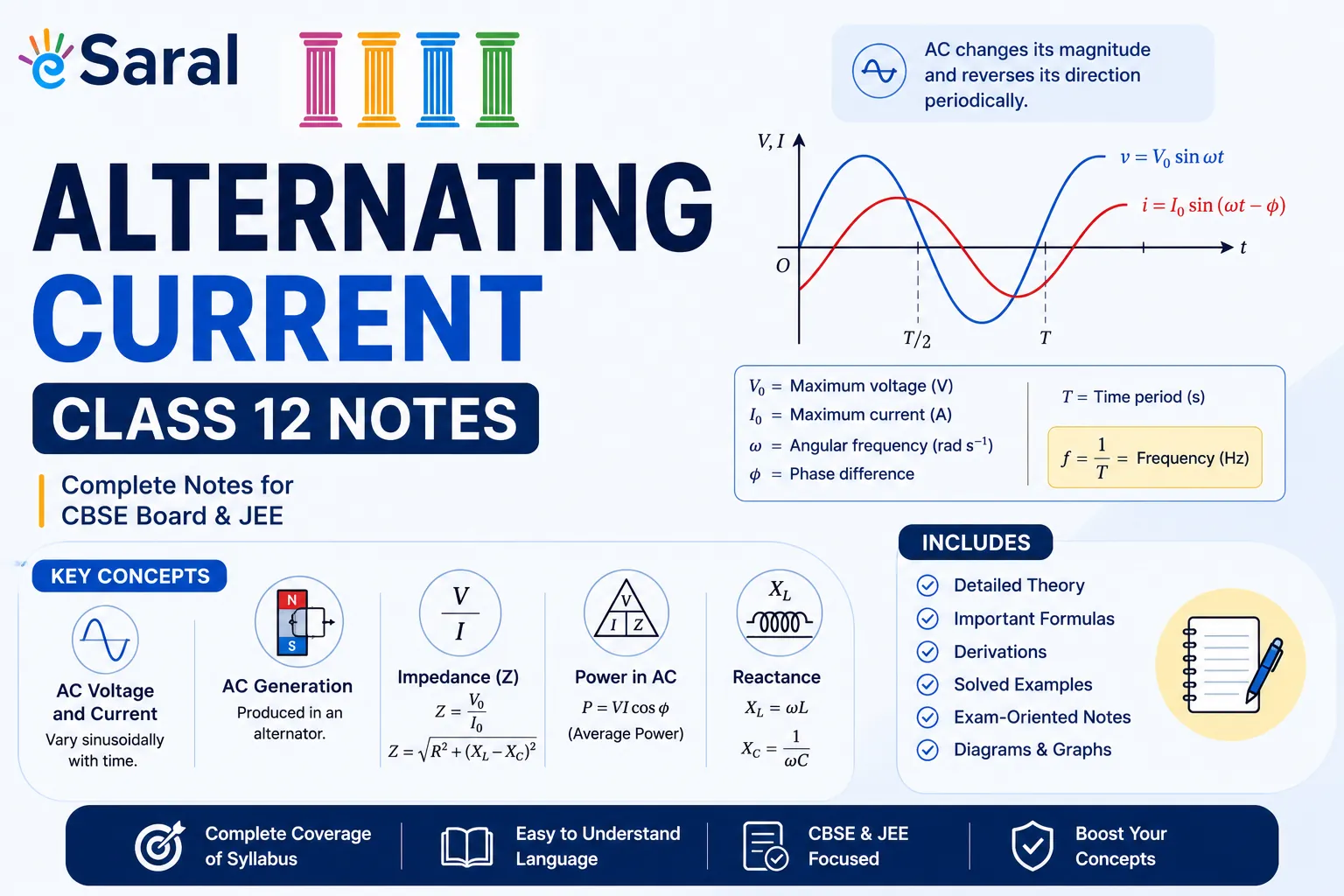
Here are Alternating Current Class 12 Notes to prepare for Boards as well as JEE & NEET. In this chapter, you will learn how the current periodically changes direction. Know the benefits of AC Current and get to know what happens when Alternating Current passes through a Resistor. Also, get to know about the phase in this Chapter with detailed Explanation and Features of a Transformer.
India's Best Exam Preparation for Class 12th - Download Now
India's Best Exam Preparation for Class 12th - Download Now
India's Best Exam Preparation for Class 12th - Download Now
India's Best Exam Preparation for Class 12th - Download Now
India's Best Exam Preparation for Class 12th - Download Now
India's Best Exam Preparation for Class 12th - Download Now
India's Best Exam Preparation for Class 12th - Download Now
India's Best Exam Preparation for Class 12th - Download Now
eSaral has already come up with an amazing Revision Series of Physics where you can easily revise your chapter within minutes with all the important formulae and key points. This revision series is free for all. Click Here for Complete Physics Revision Series by Saransh Gupta Sir (AIR-41). About Saransh Gupta Sir: Computer Science Graduate from IIT Bombay. Cracked IIT-JEE with AIR-41 and AIEEE (JM) with AIR-71 in 2006. He is the author of the JEE Mentorship Book “StrateJEE”. He taught Physics for 5 years at Allen and was loved immensely by all the students. Many of his students bagged success with flying colours in JEE & NEET Exams.
eSaral brings you detailed Class 11th Physics study material. eSaral provides a series of detailed chapter-wise notes for all the Subjects of class 11th and 12th. These notes will also help you in your IIT JEE & NEET preparations. We hope these Physics Notes for Class 12 will help you understand the important topics and remember the key points from an exam point of view. Get Complete Physics Notes for Physics Class 12 for easy learning and understanding. For free video lectures and complete study material, download the eSaral APP. About eSaral:
At eSaral, we are offering a complete platform for IIT-JEE & NEET preparation. The main mission behind eSaral is to provide education to every student in India by eliminating the Geographic and Economic factors, as a nation’s progress and development depend on the availability of quality education to everyone. With the blend of education & technology, the eSaral team made the learning personalized & adaptive for everyone.
Frequently Asked Questions
Find answers to common questions.
What is resonance in an LCR circuit?
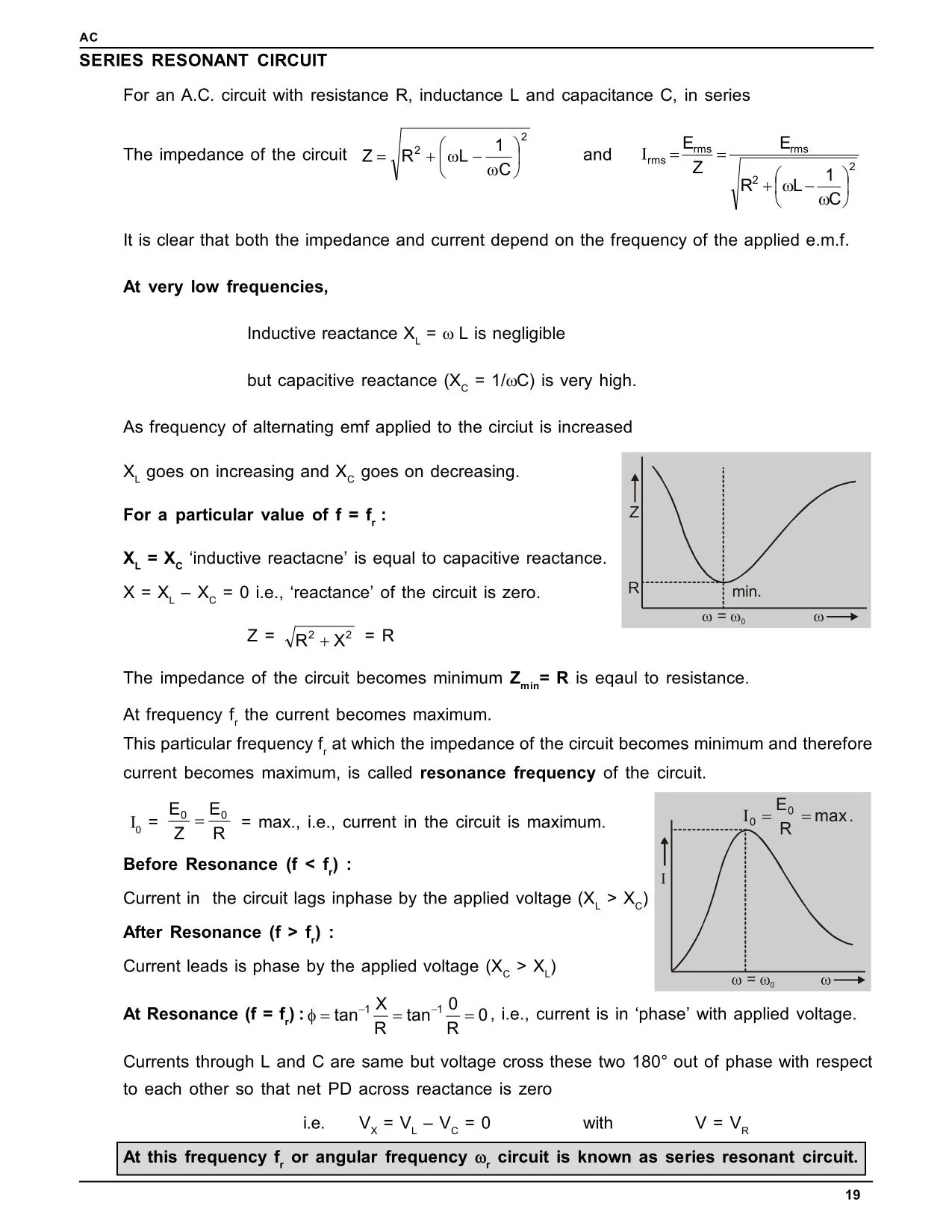
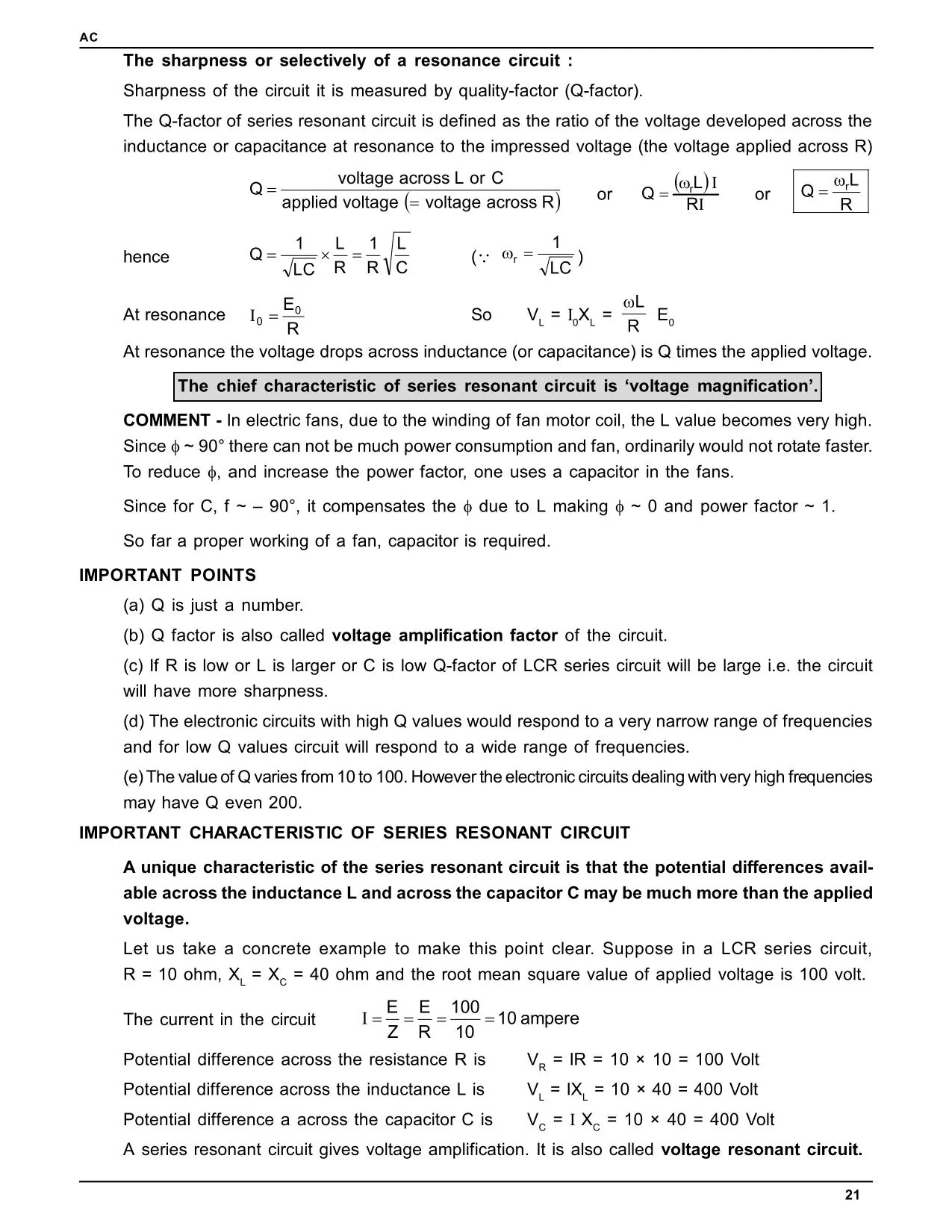
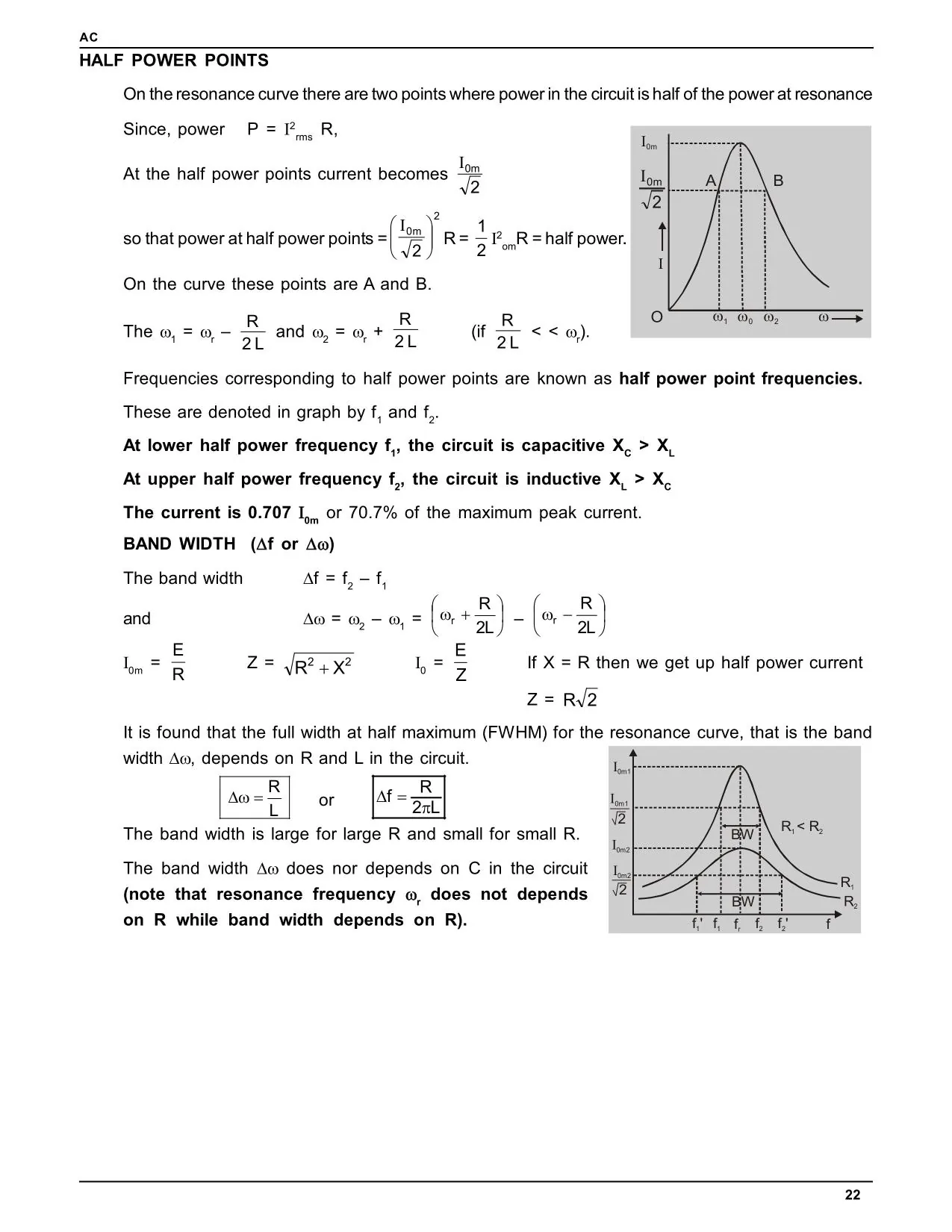
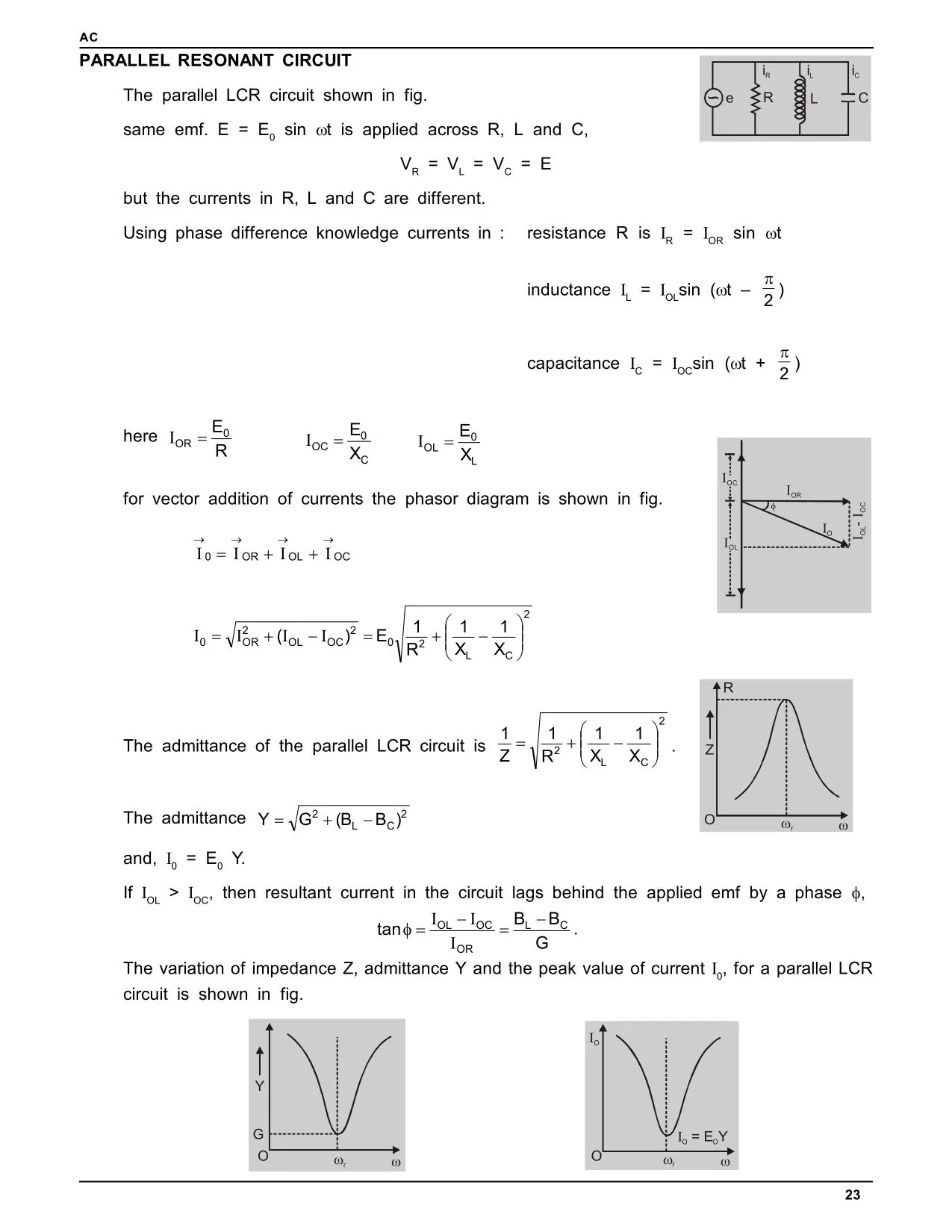
Resonance occurs when inductive reactance equals capacitive reactance: X_L = X_C, giving resonant frequency f₀ = 1/(2π√LC). At resonance, impedance is minimum (Z = R), current is maximum, and the phase difference between voltage and current is zero. The Q-factor determines how sharply peaked this resonance is — a higher Q means a more selective circuit.
What is the RMS value of AC and why is it important?
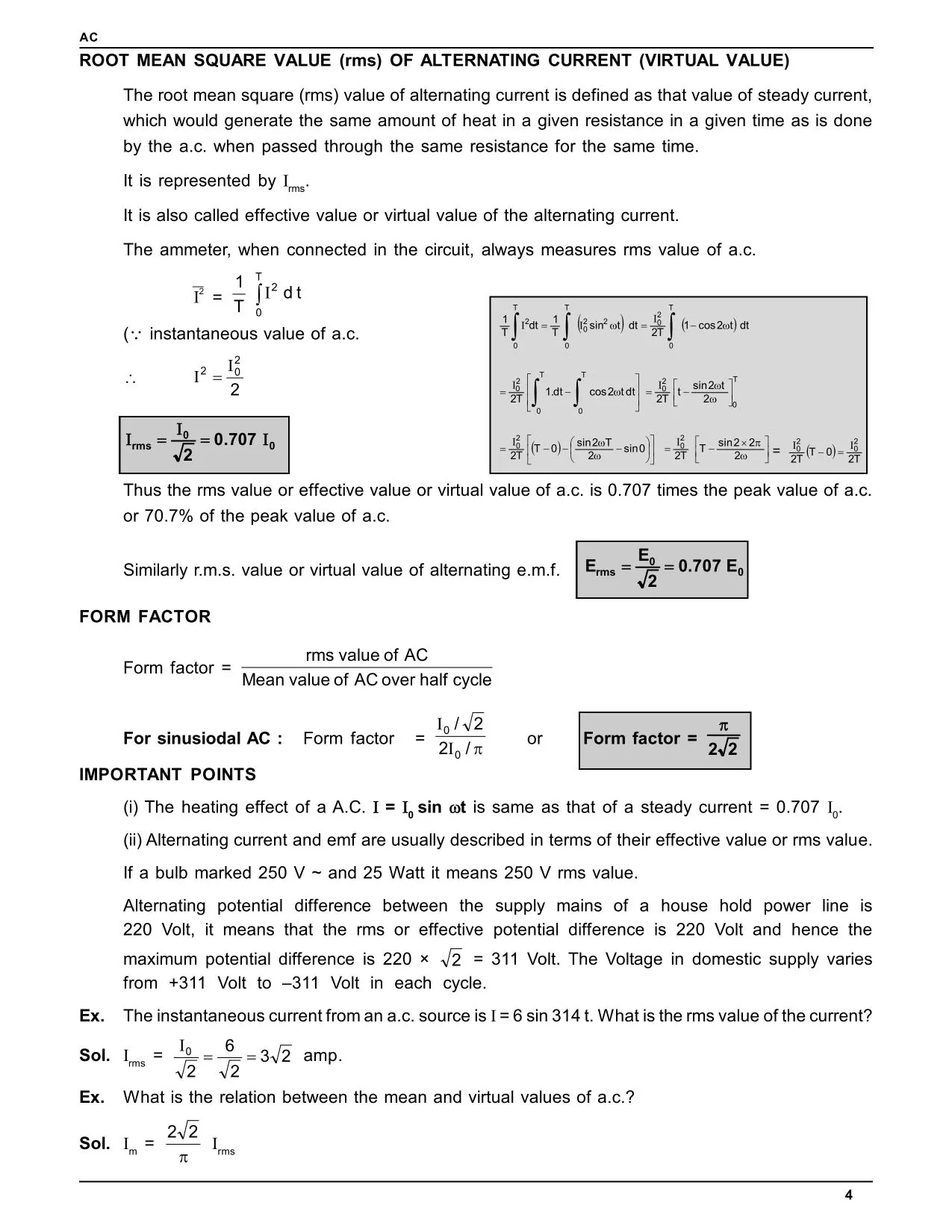
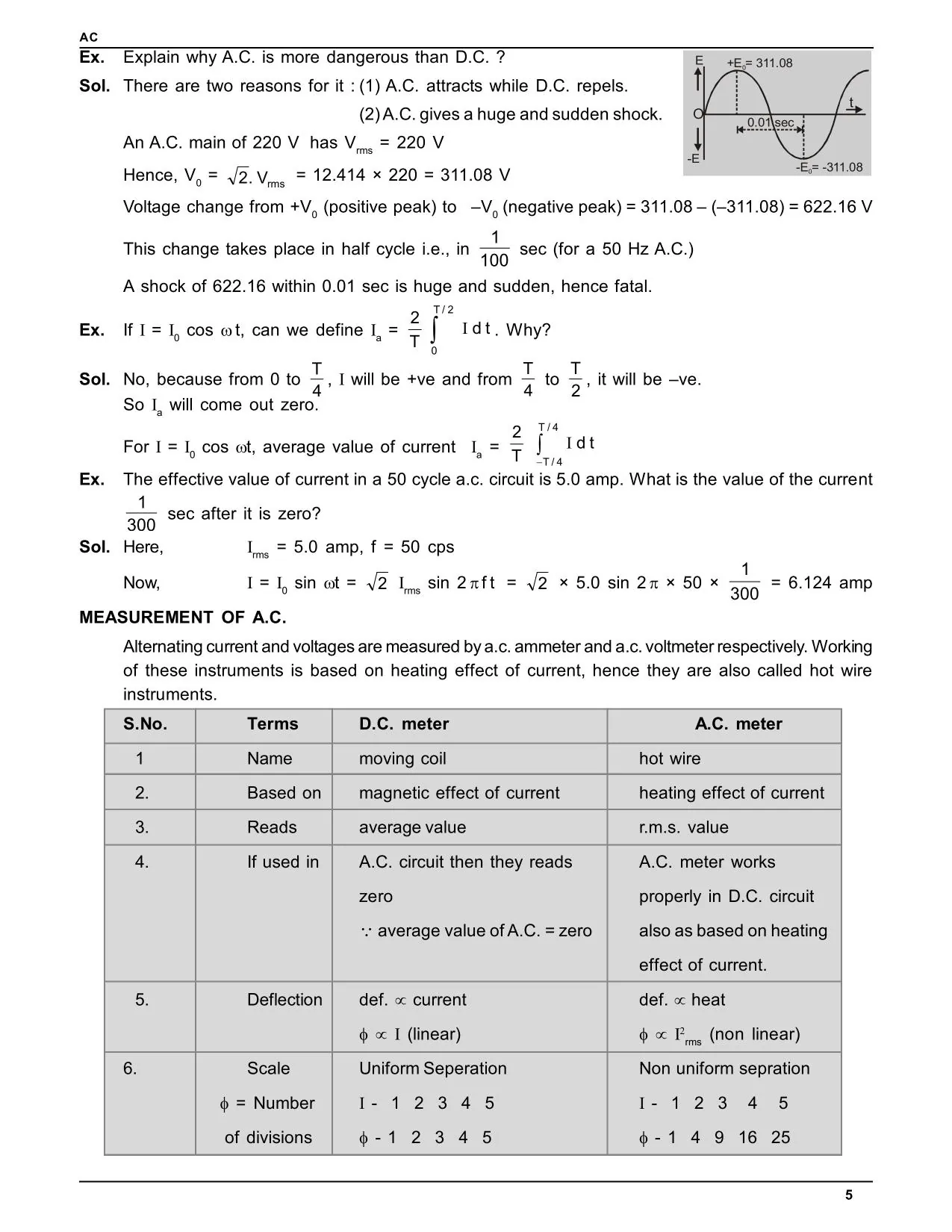
The RMS (Root Mean Square) value is I_rms = I₀/√2 ≈ 0.707 I₀. It represents the equivalent DC value that produces the same power (heating effect) in a resistor. All AC ratings — household supply (230 V), appliance specifications — are given as RMS values, not peak values. This makes it the practically significant measure of AC magnitude.
What is alternating current in Class 12 Physics?
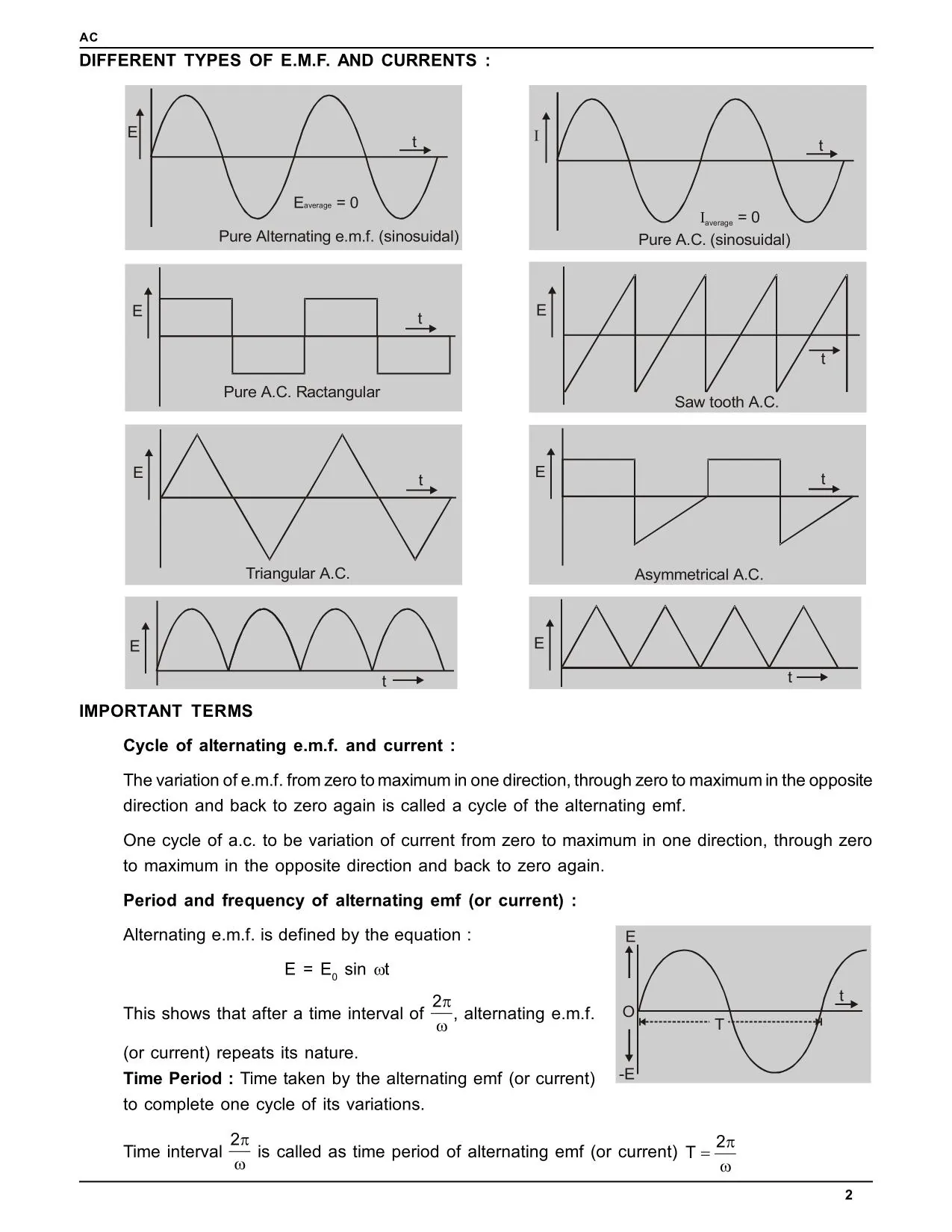
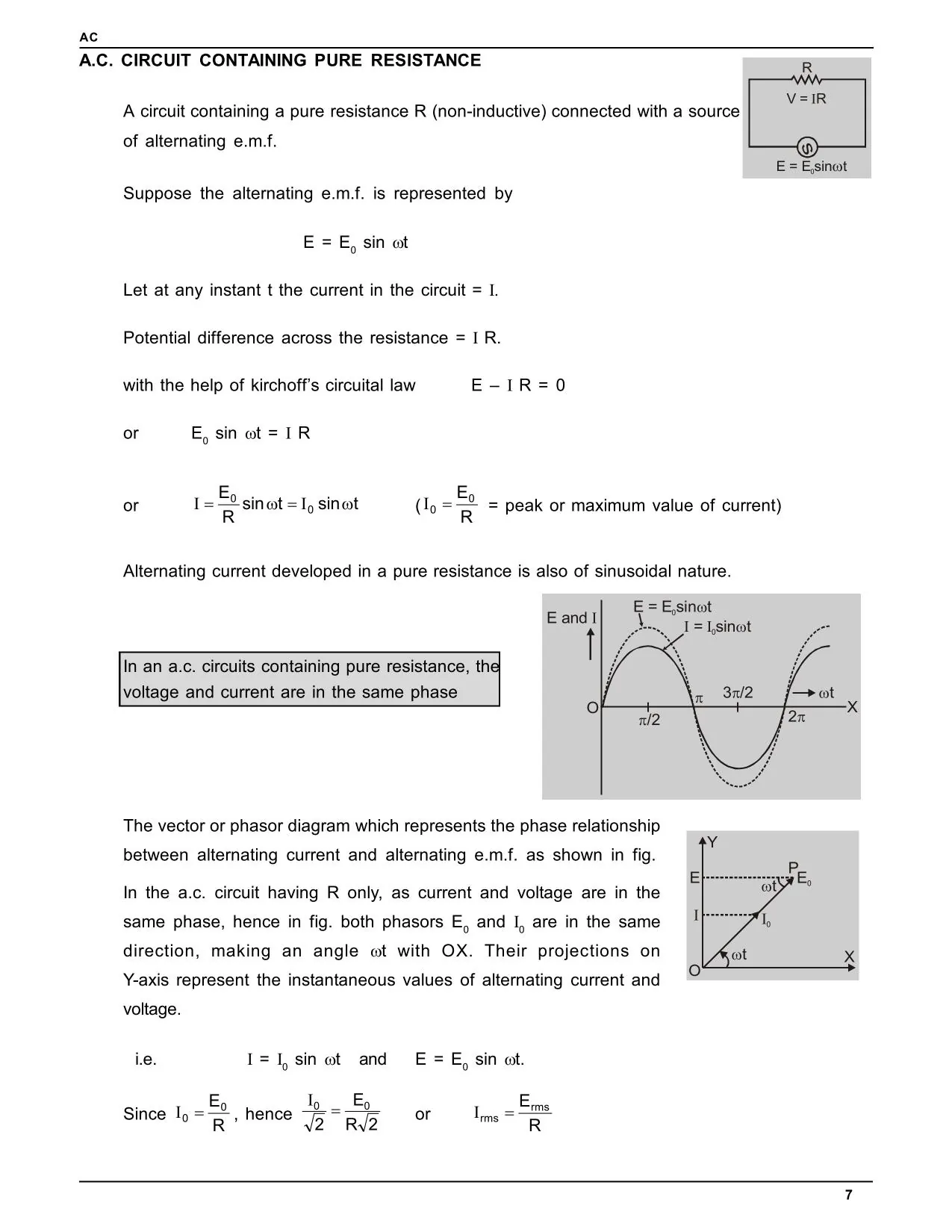
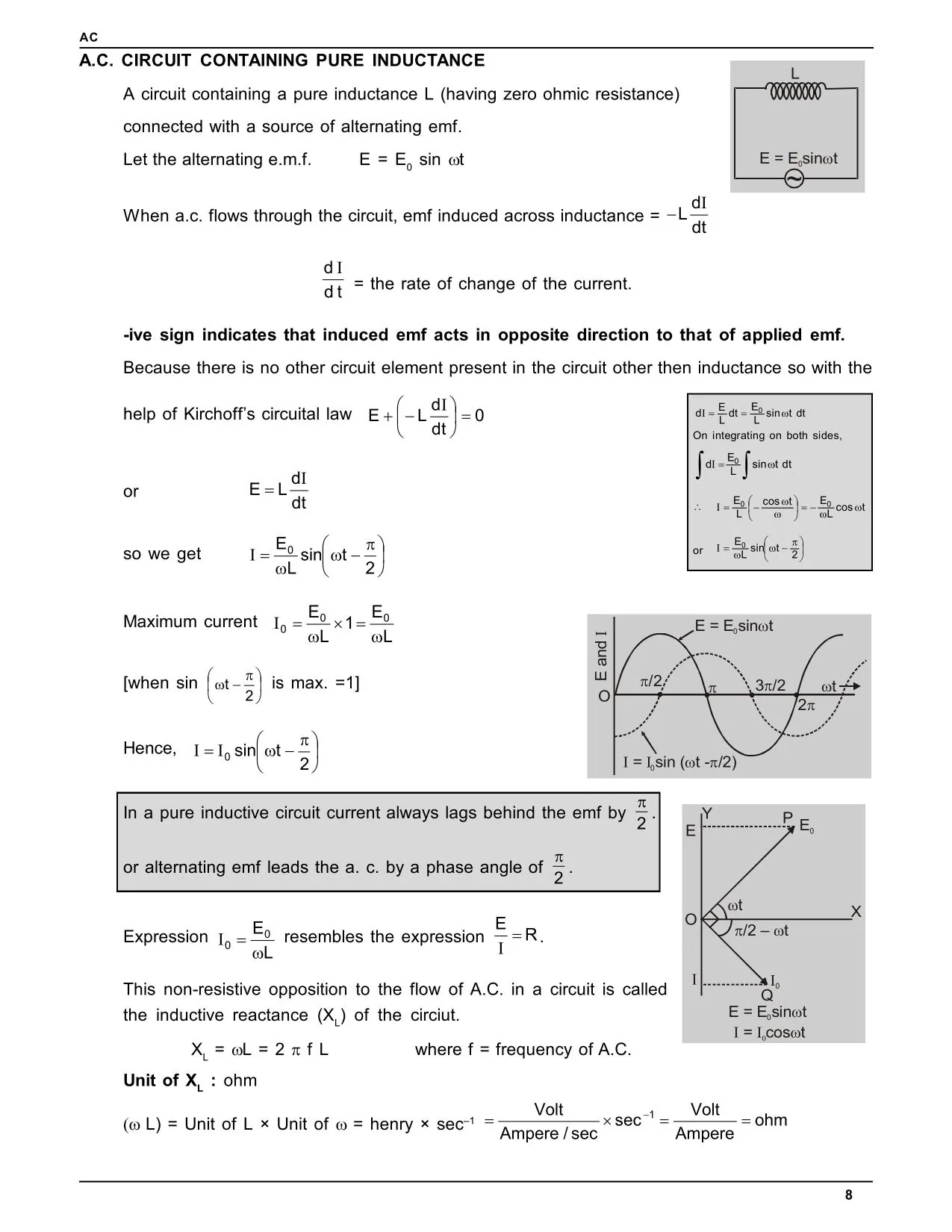
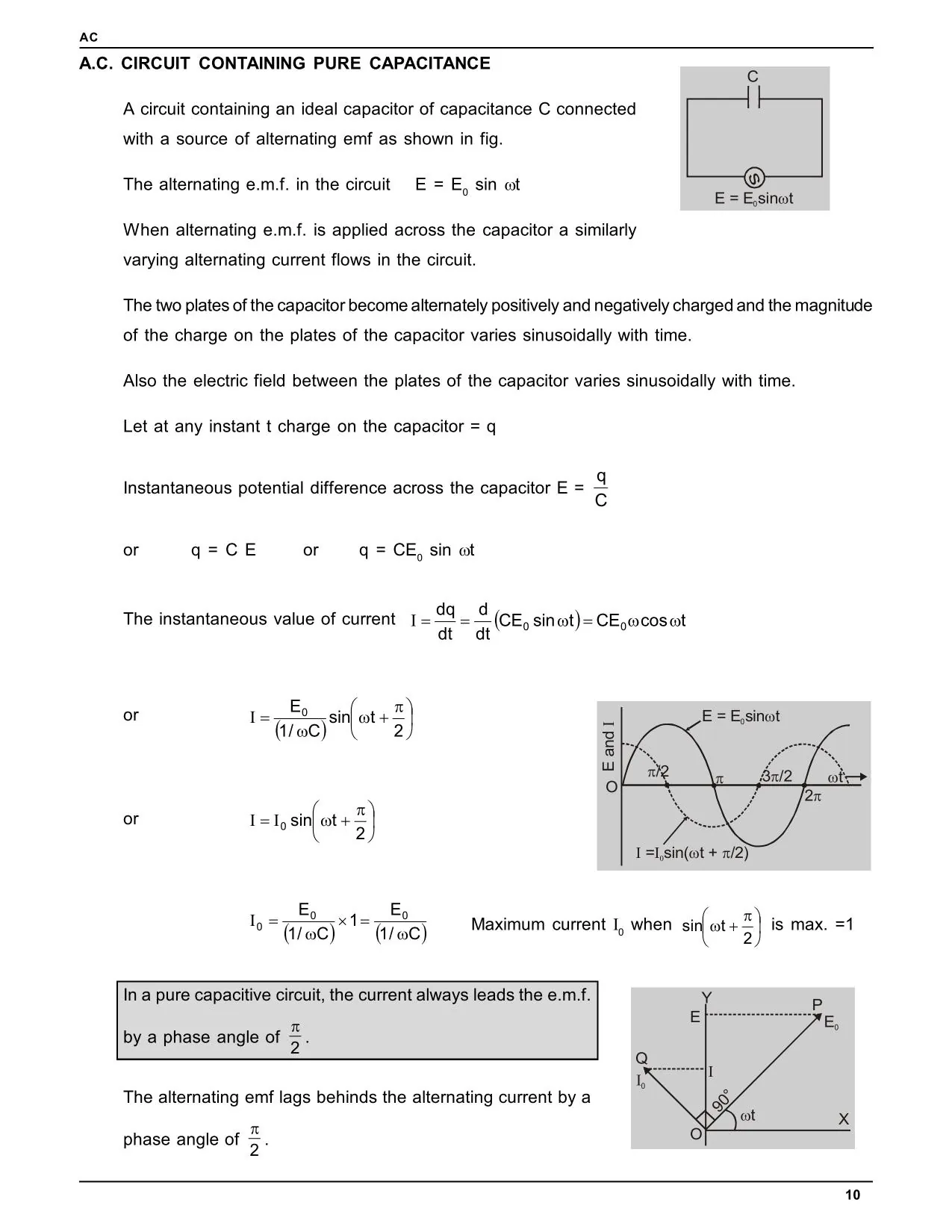
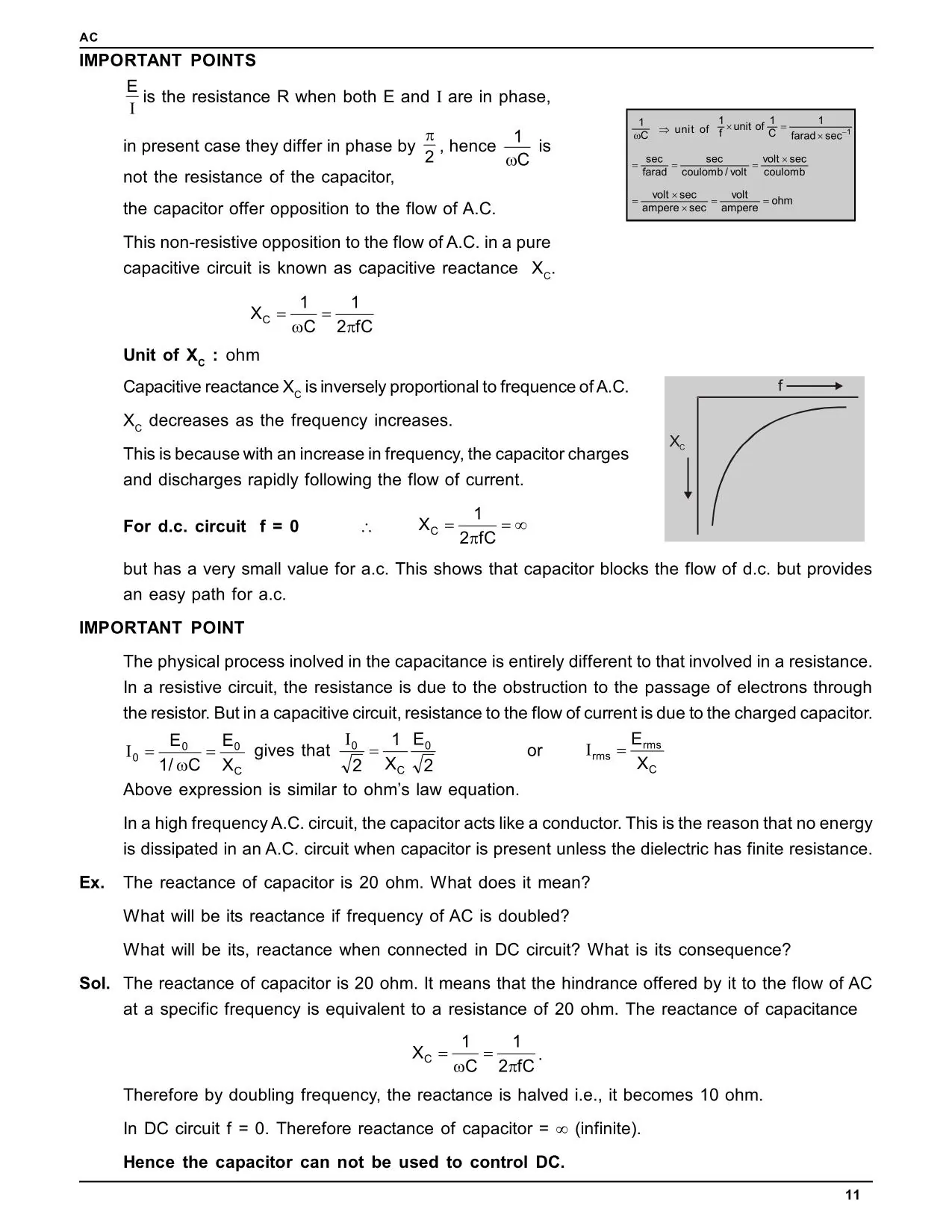
Alternating current is an electric current that periodically reverses its direction of flow, following a sinusoidal function i = I₀ sin(ωt). In Class 12, the chapter covers AC generation, phasor representation, behaviour of R, L, C elements under AC, series LCR circuits, resonance, and transformers. It is a core topic in both JEE and NEET syllabi.
Which topics of Alternating Current are most important for JEE Main?
For JEE Main, the highest-weightage topics in Alternating Current are: (1) LCR series circuit — impedance and resonance, (2) power factor and wattless current, (3) phasor diagram interpretation, and (4) AC through individual R, L, C elements. At least one question from this chapter appears in virtually every JEE Main session, according to NTA's paper trends since 2020.
How does a transformer work, and what are its losses?
A transformer transfers electrical energy between two coils via electromagnetic induction. The turns ratio N_s/N_p = V_s/V_p determines whether voltage steps up or down. Energy losses occur due to copper (I²R) losses in windings, eddy current losses in the iron core (reduced by lamination), hysteresis losses, and magnetic flux leakage. In JEE problems, transformers are treated as ideal unless stated otherwise.
What is the power factor in AC circuits?
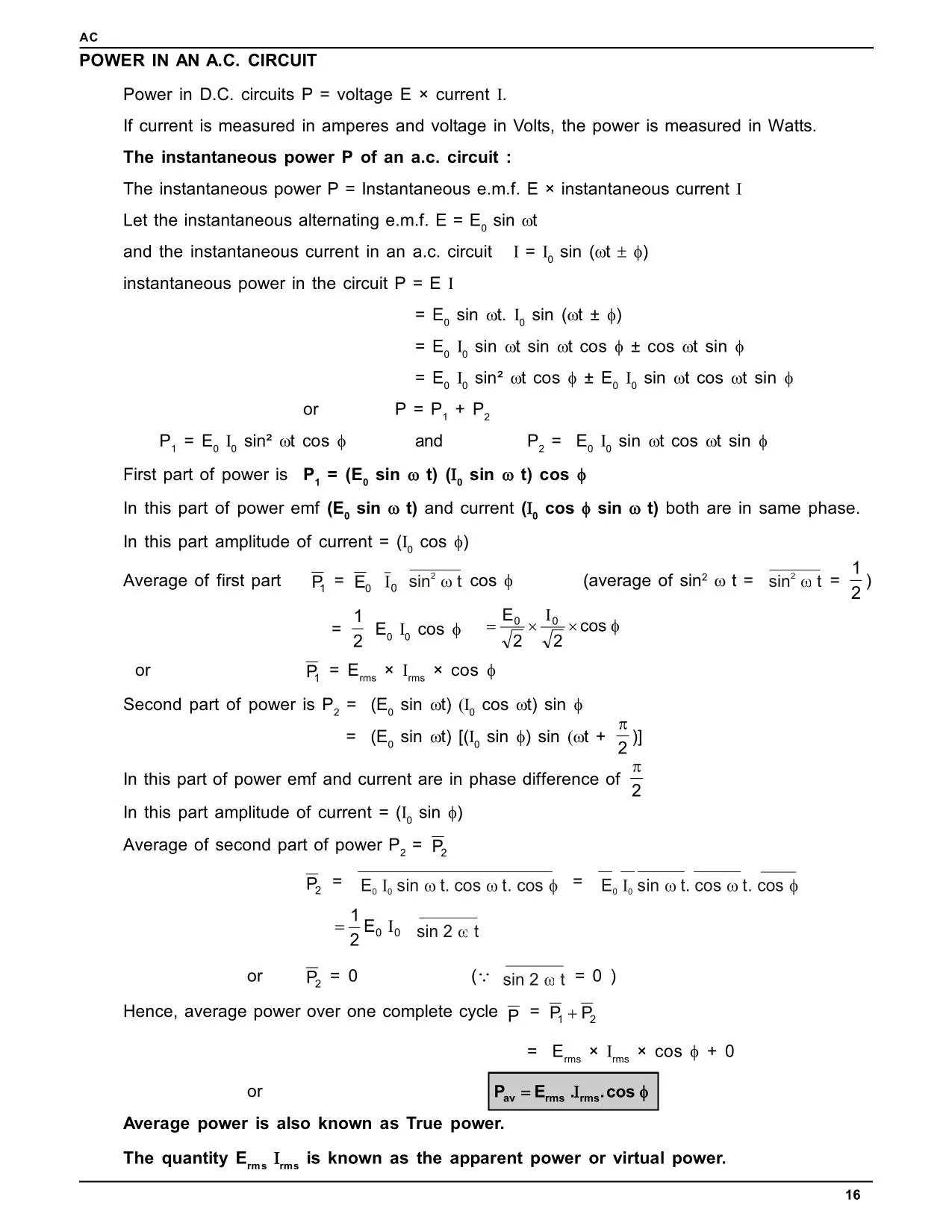
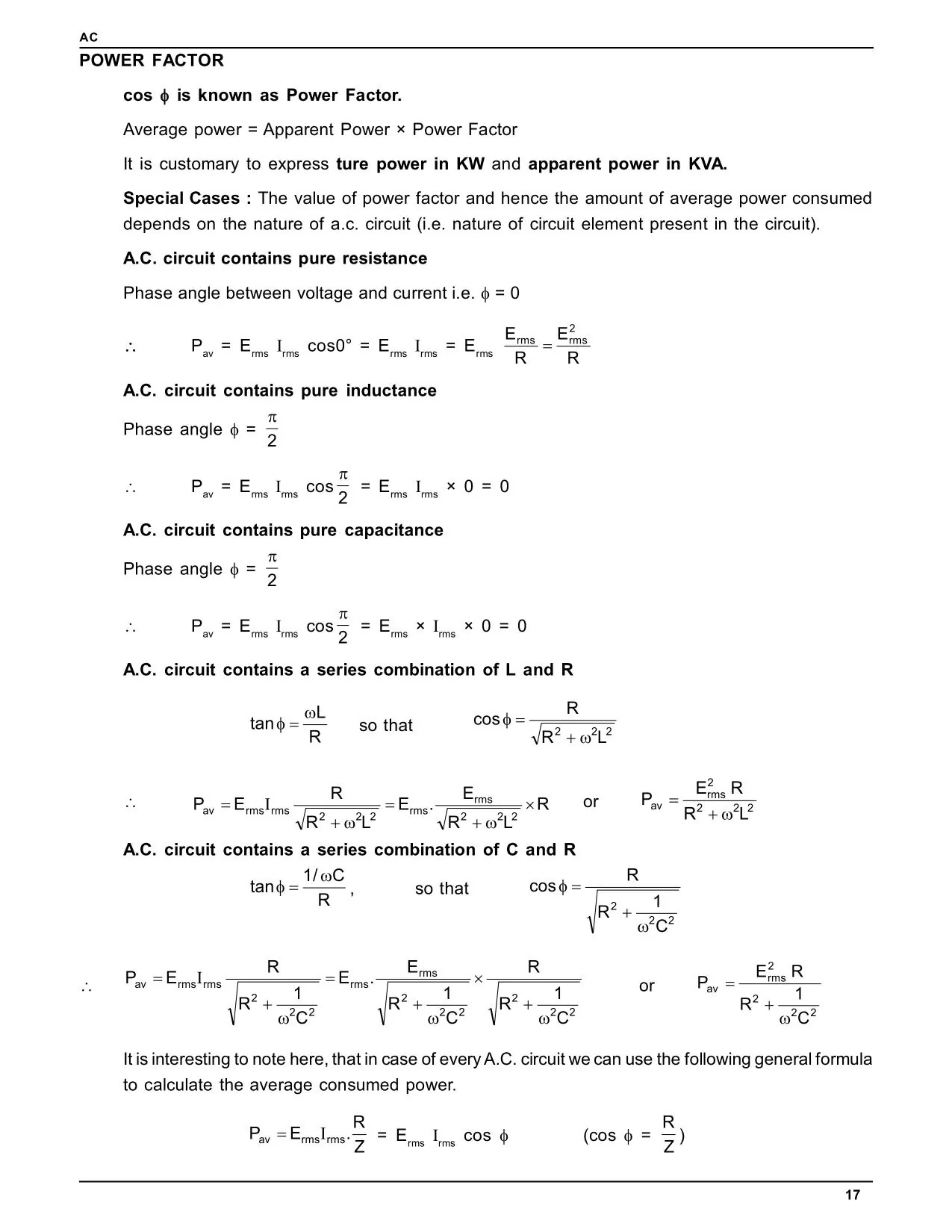
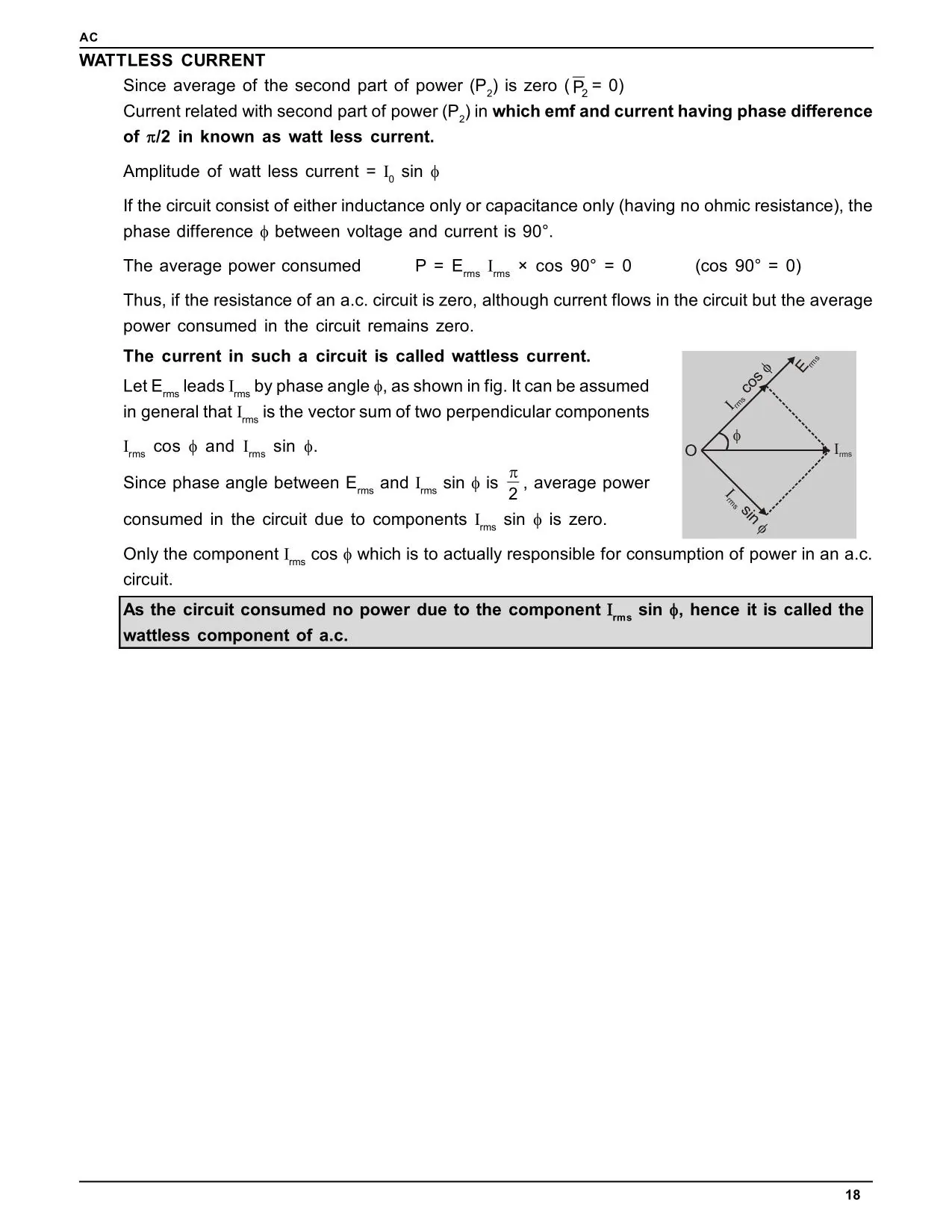
Power factor is cos φ, where φ is the phase difference between voltage and current. It ranges from 0 (pure reactive circuit — no power consumed) to 1 (pure resistive circuit — maximum power consumed). Average power in an AC circuit is P = V_rms · I_rms · cos φ. A low power factor means the circuit draws reactive current without doing useful work.