Moving Charges and Magnetism Class 12 Notes for IIT JEE and NEET
Moving Charges and Magnetism explains how moving electric charges create magnetic fields and covers key concepts such as Biot–Savart Law, Ampere’s Law, Lorentz Force, magnetic effects of current, and moving coil galvanometer, making it a crucial chapter for both JEE and NEET preparation.
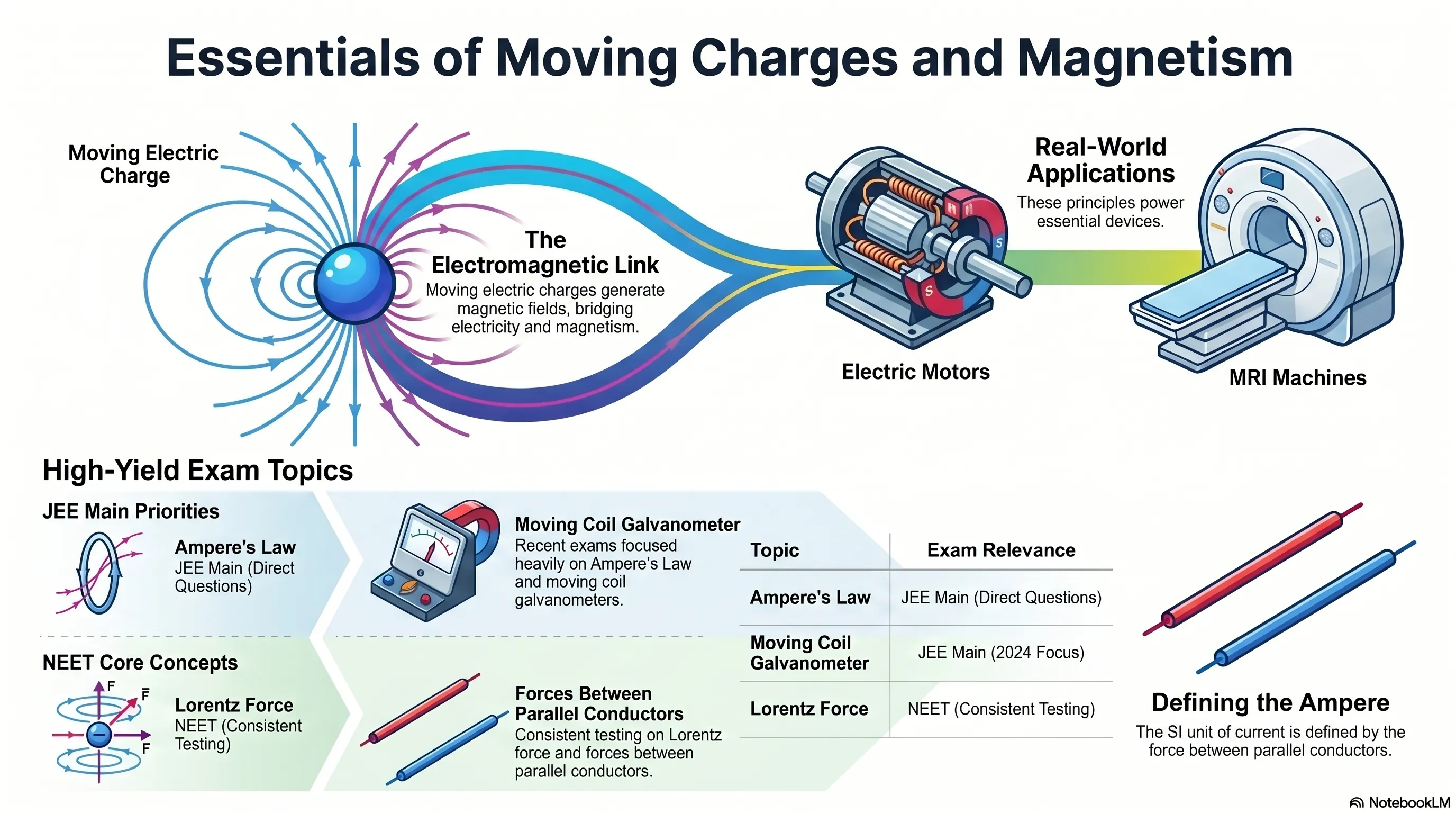
Table of Contents

eSaral › Class 12 ›Moving Charges and Magnetism Class 12 Notes for IIT JEE and NEET

🚀 Checkout eSaral Courses
What are moving charges and Magnetism?
Chapter 4 of NCERT Class 12 Physics establishes the foundational link between electricity and magnetism: a moving electric charge produces a magnetic field. This is the principle that unifies electrostatics and electromagnetism, and it forms the backbone of devices ranging from MRI machines to electric motors.
From an exam perspective, this chapter is non-negotiable. JEE Main 2024 featured at least two direct questions from Ampere's Law and the moving coil galvanometer. NEET consistently tests Lorentz force and the force between parallel conductors (which also defines the SI unit of current — the Ampere).
India's Best Exam Preparation for Class 12th - Download Now
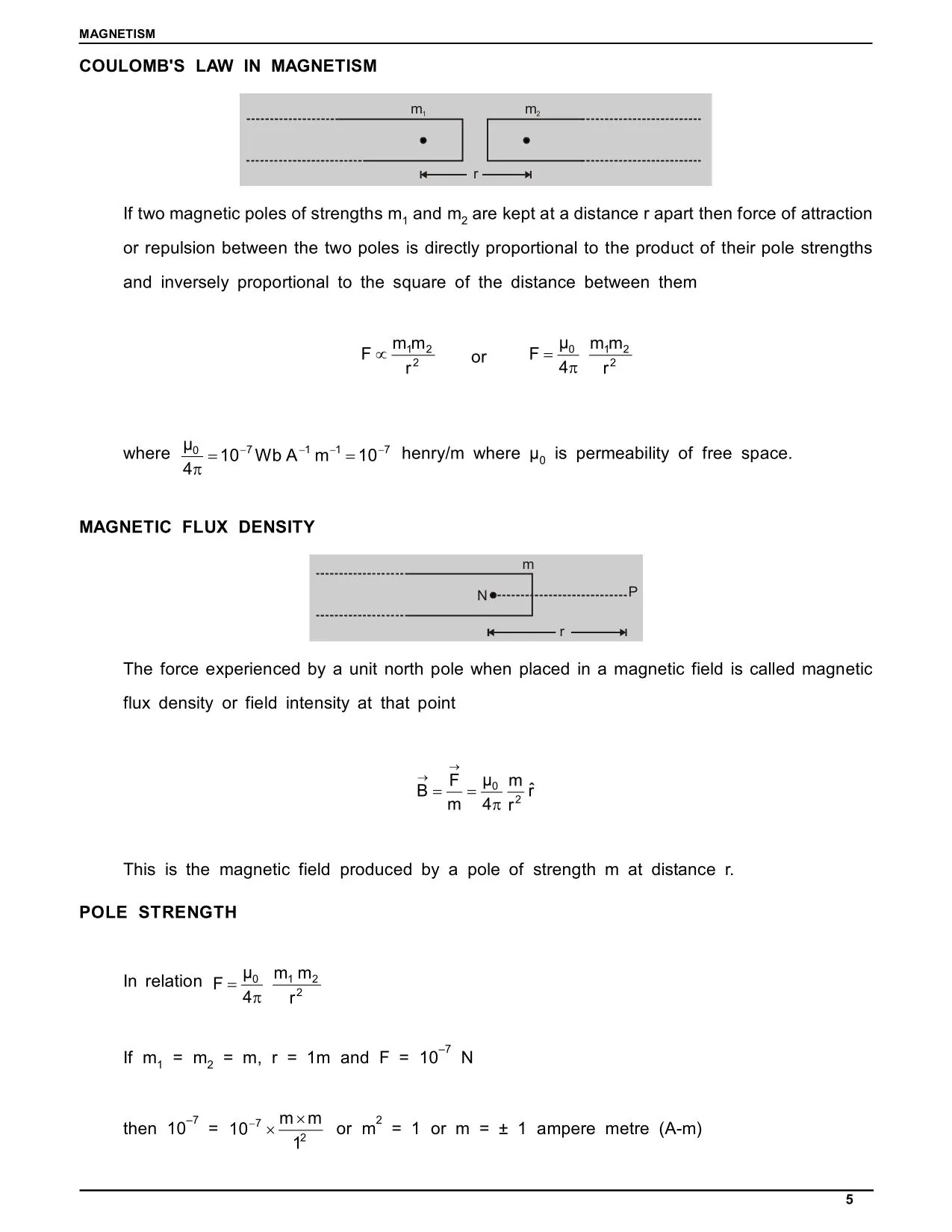
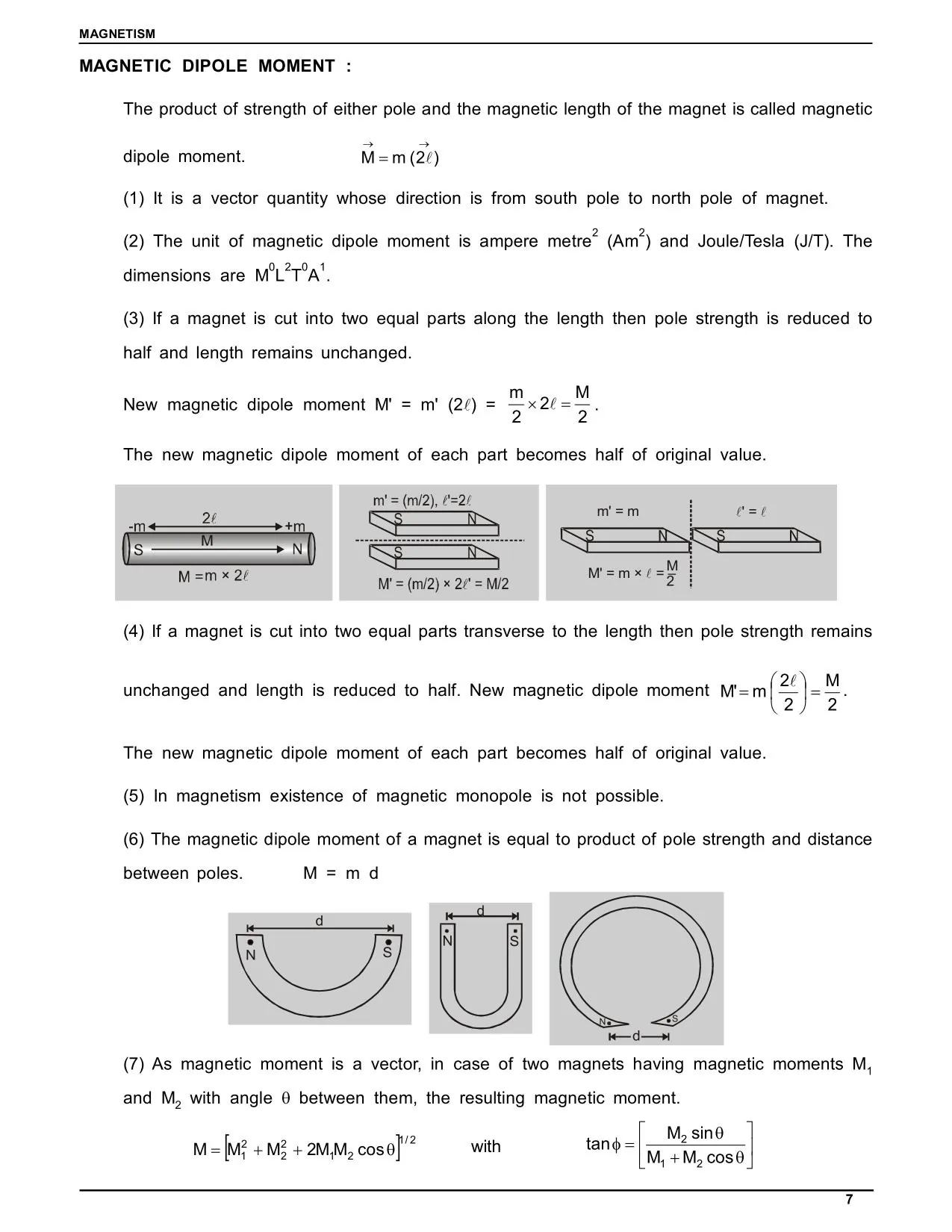
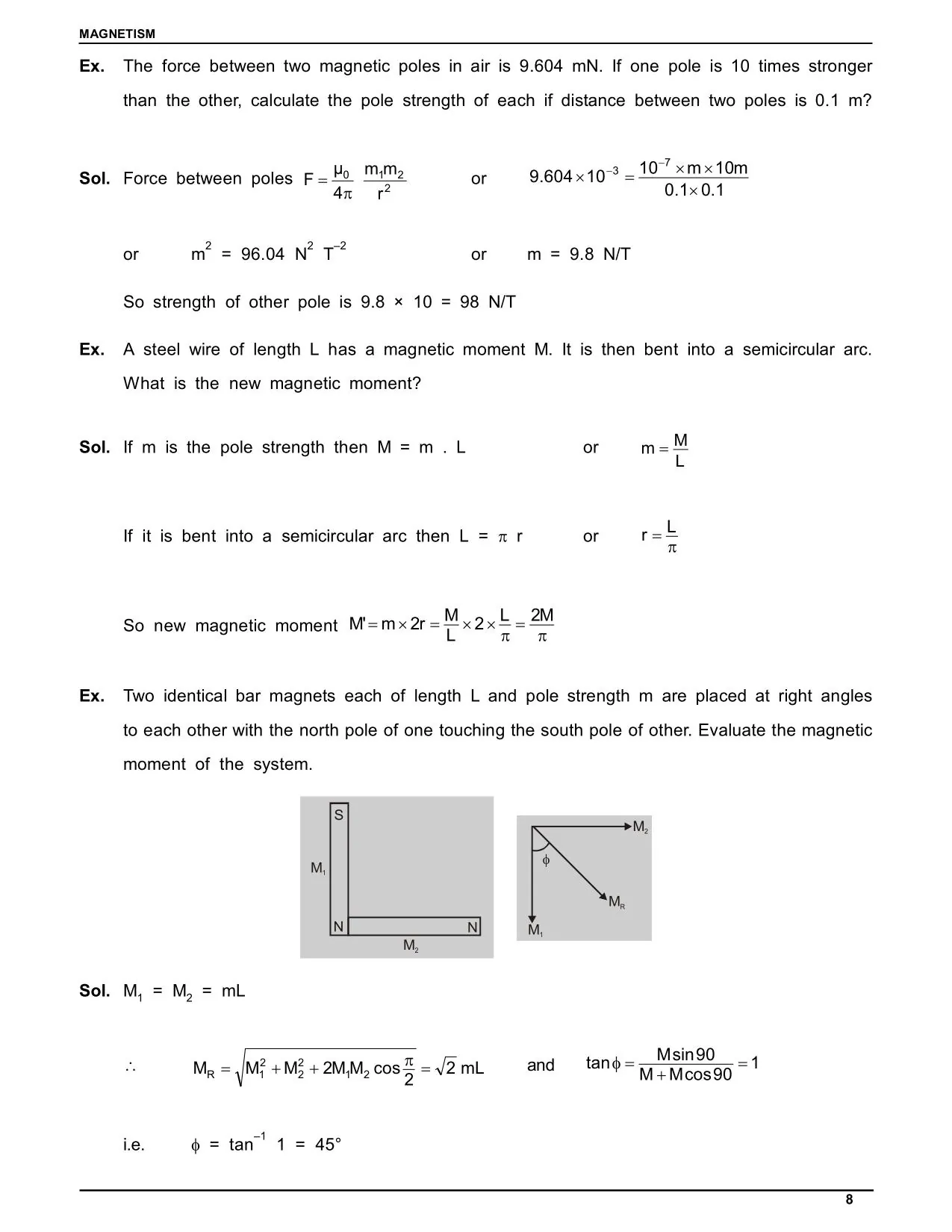
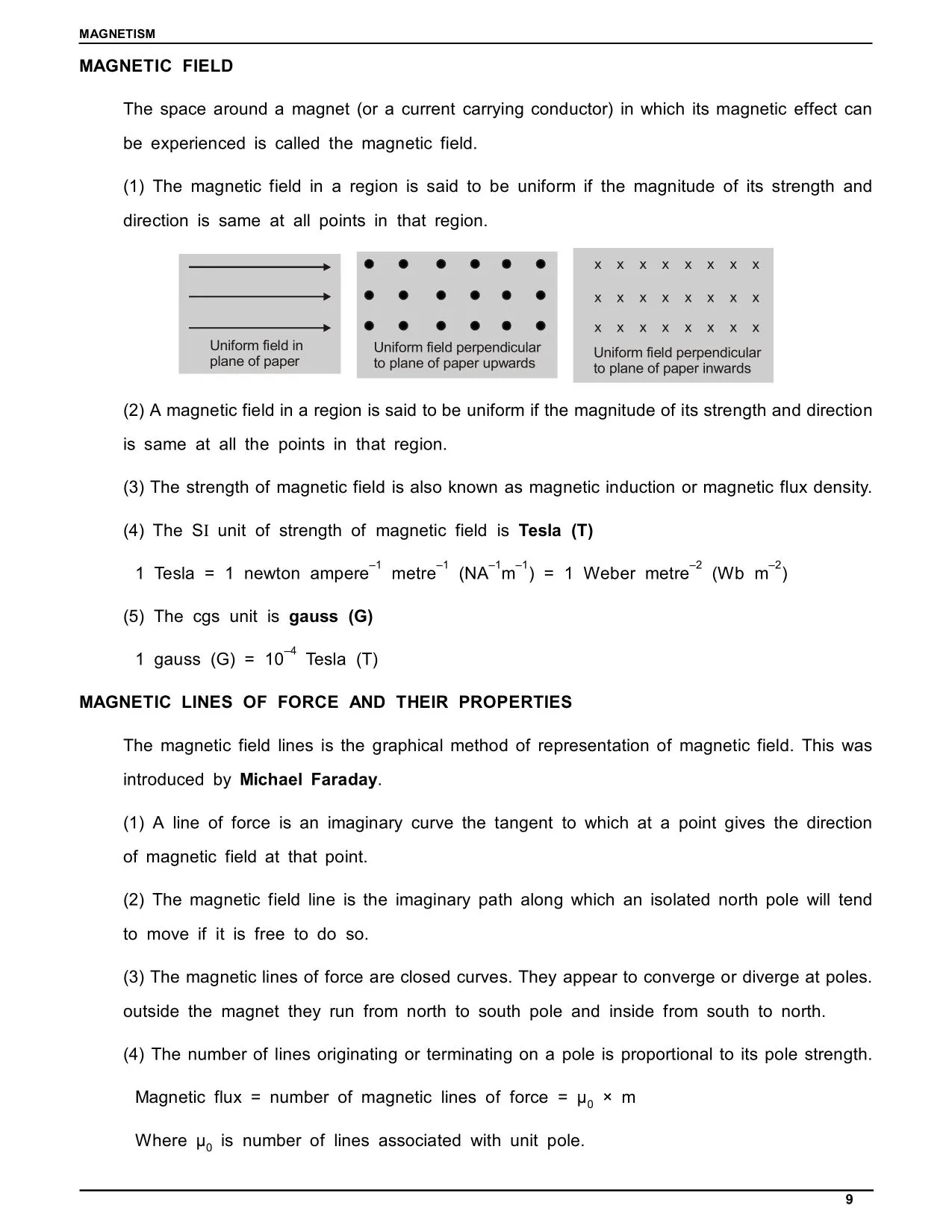
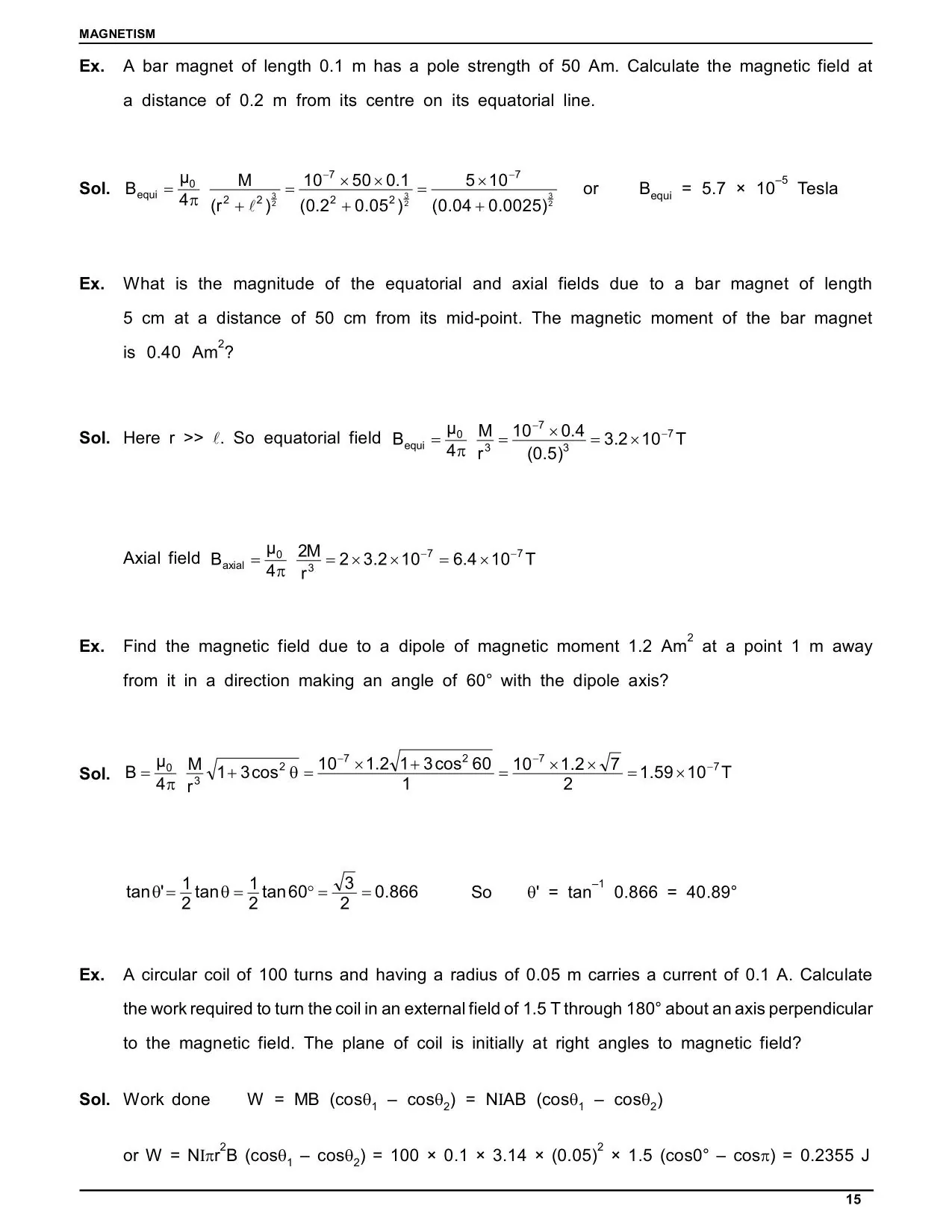
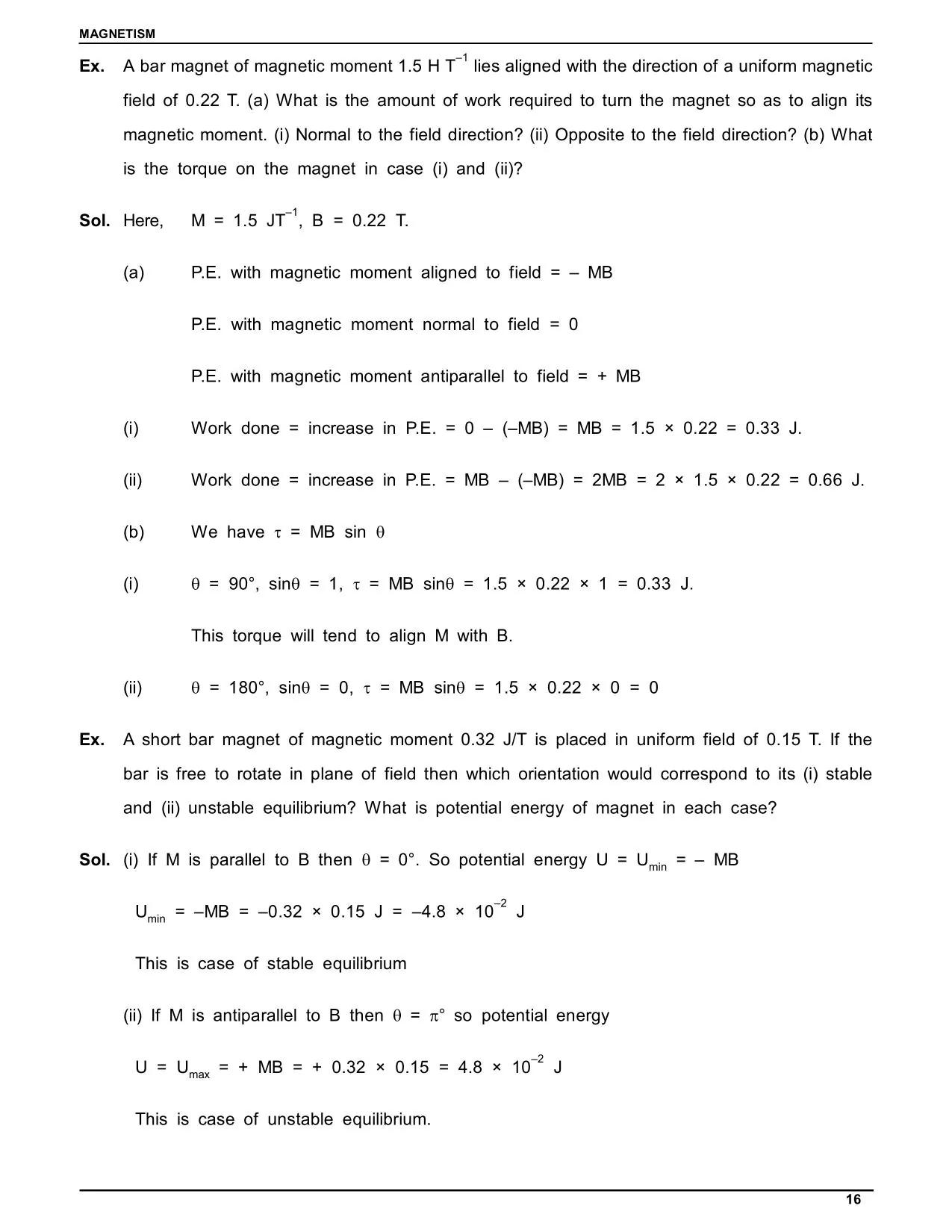
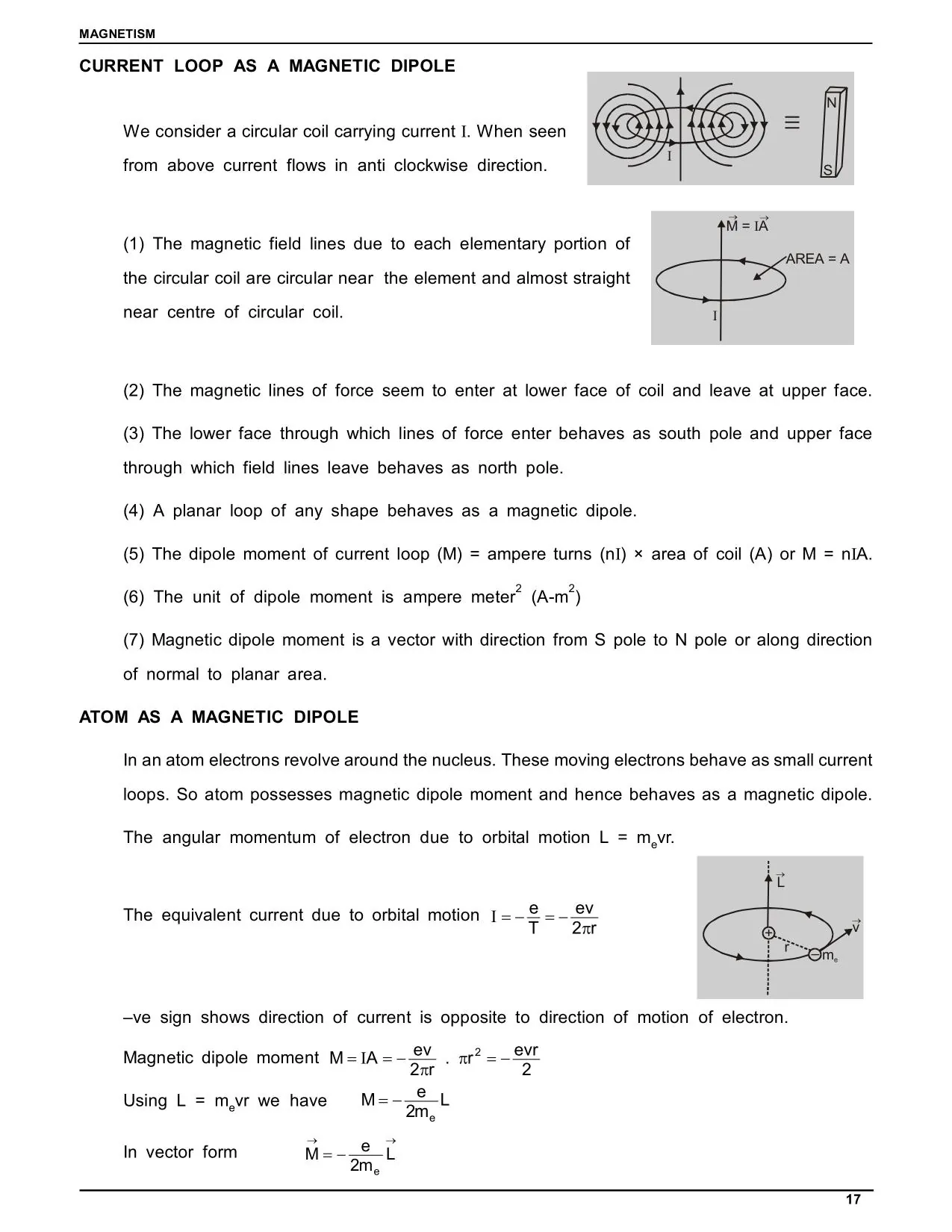
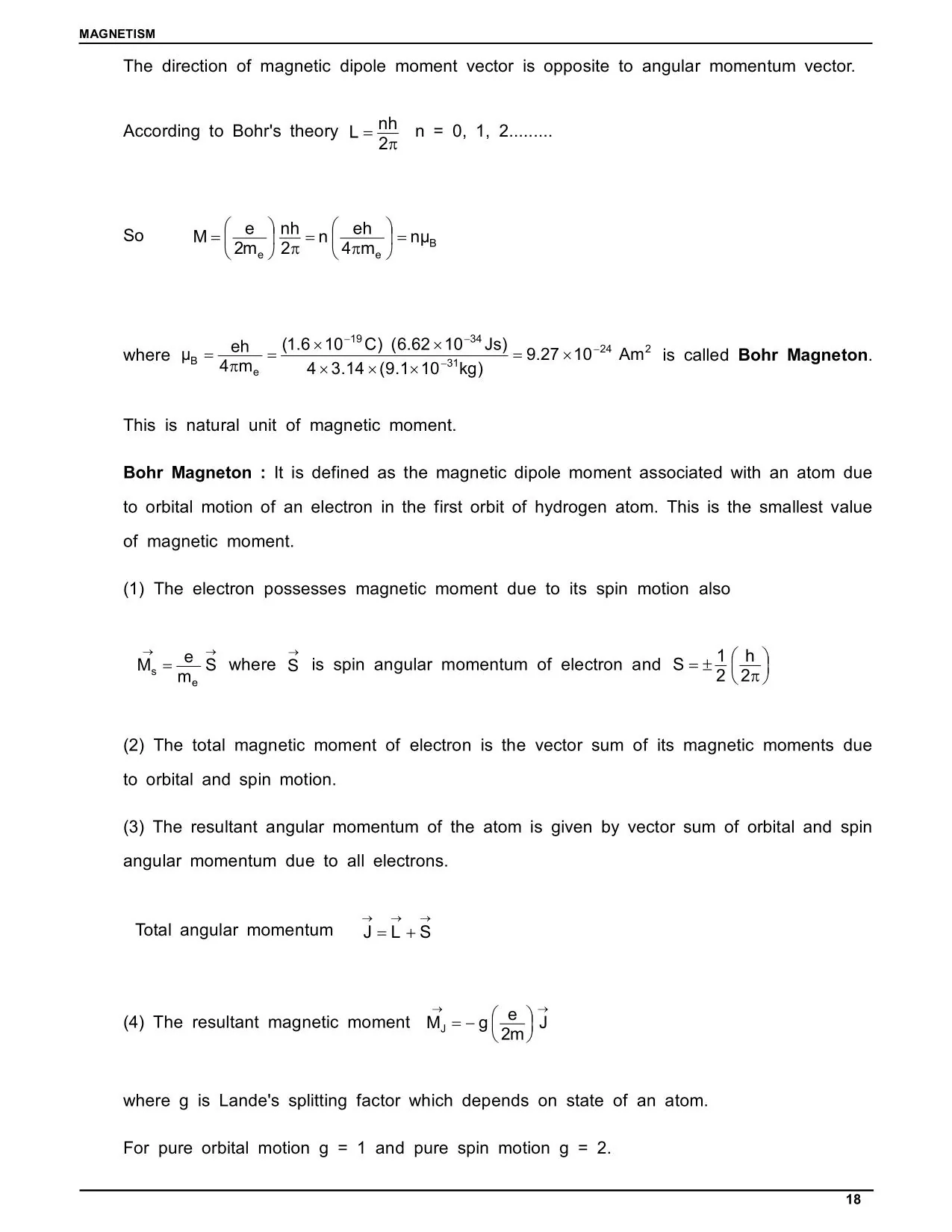
Moving Charges and Magnetism Class 12 Notes
India's Best Exam Preparation for Class 12th - Download Now
India's Best Exam Preparation for Class 12th - Download Now
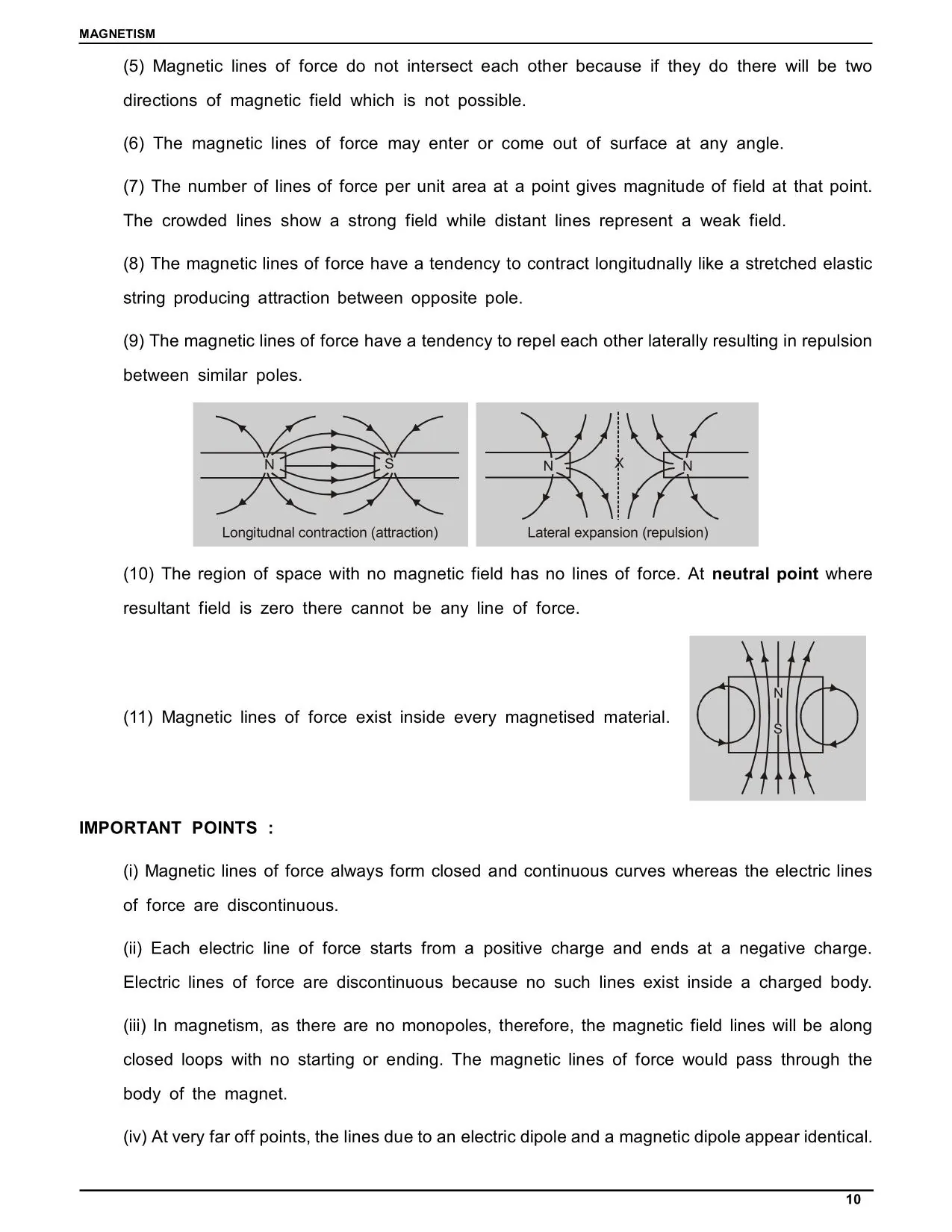
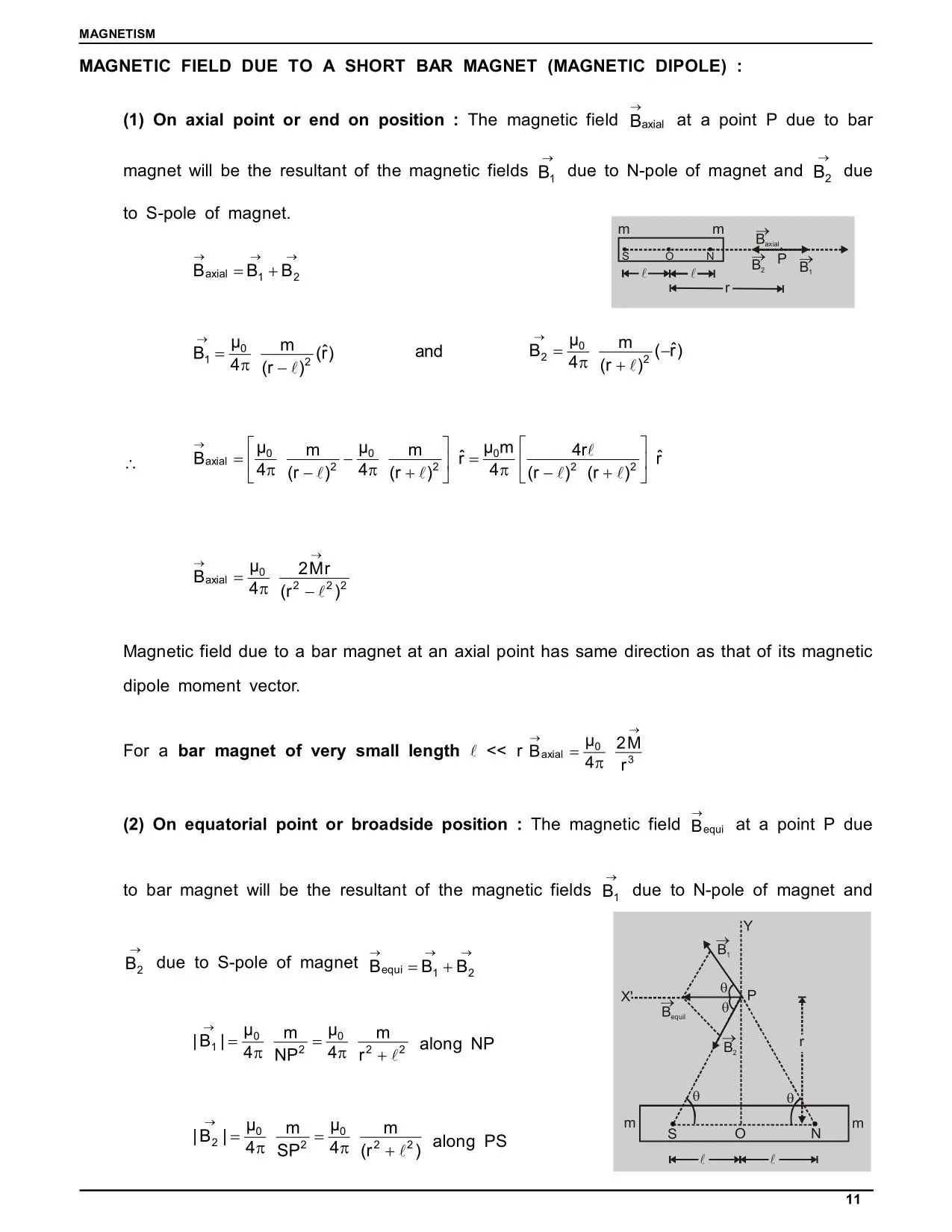
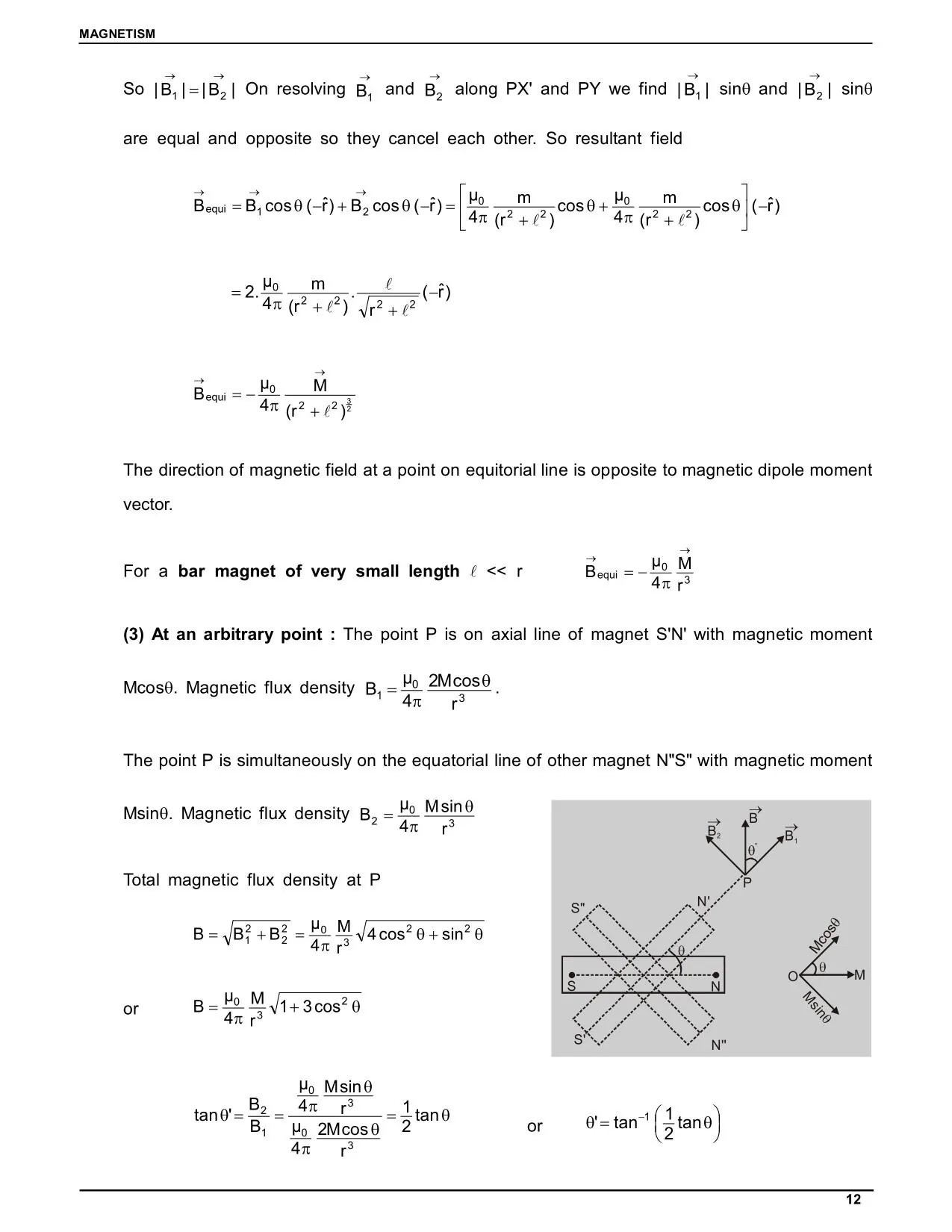
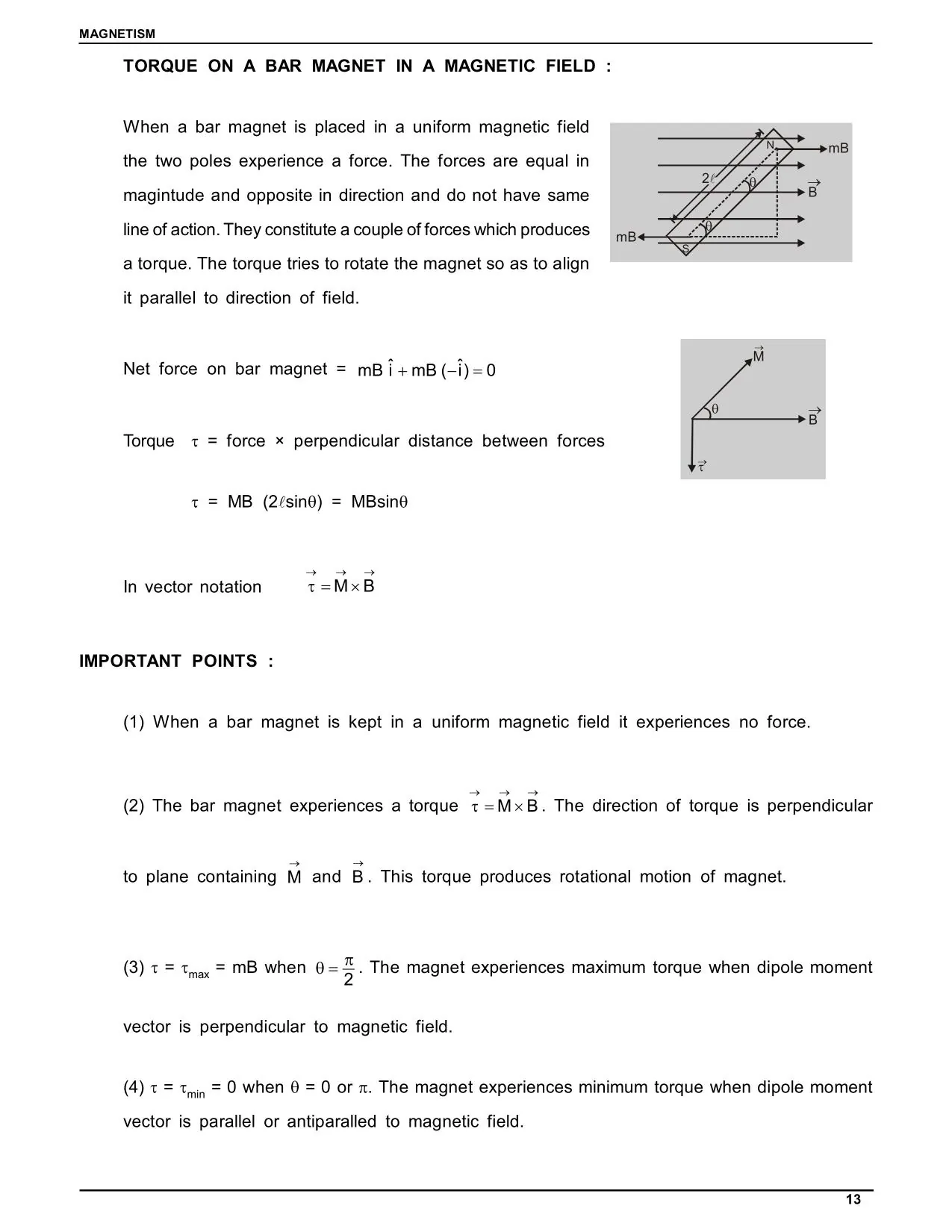
India's Best Exam Preparation for Class 12th - Download Now
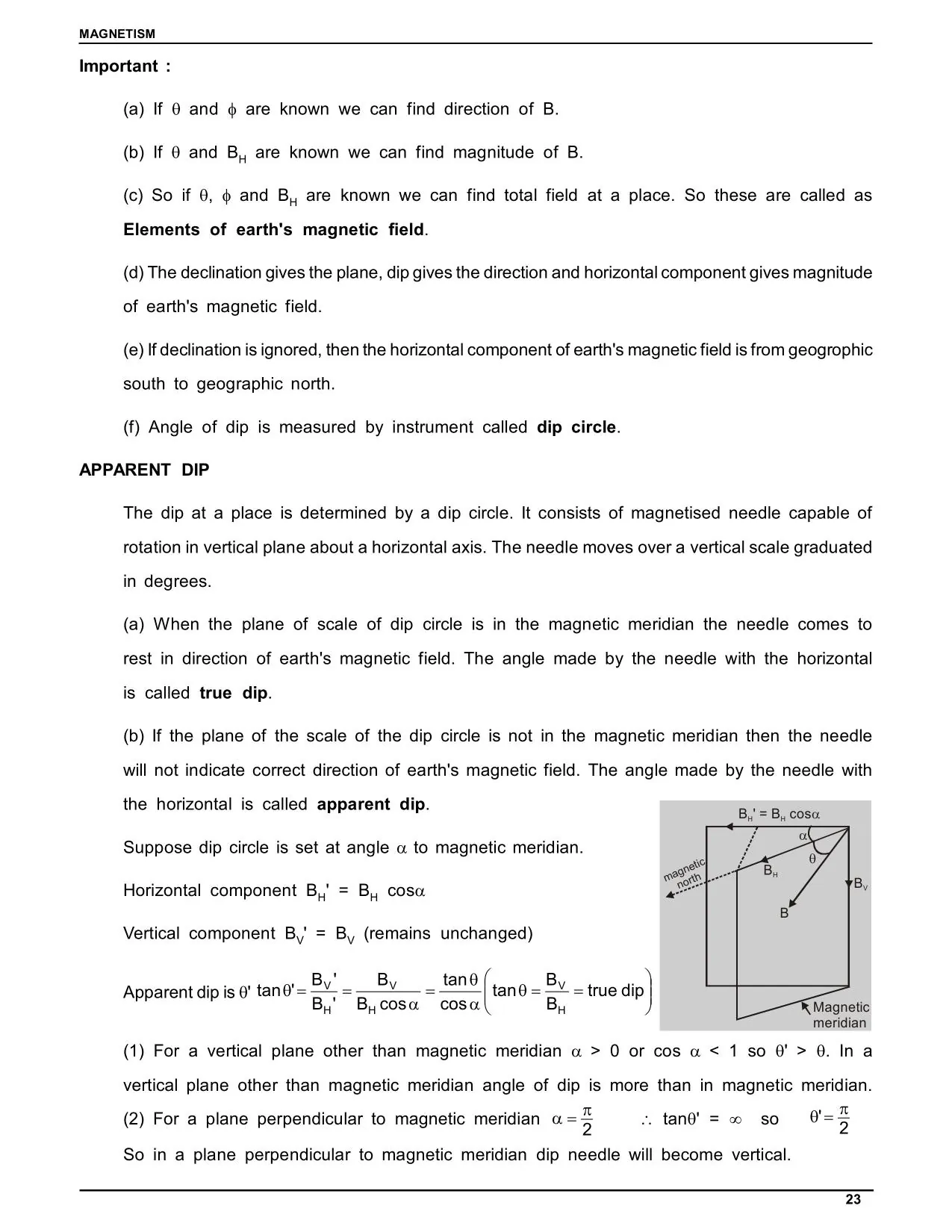
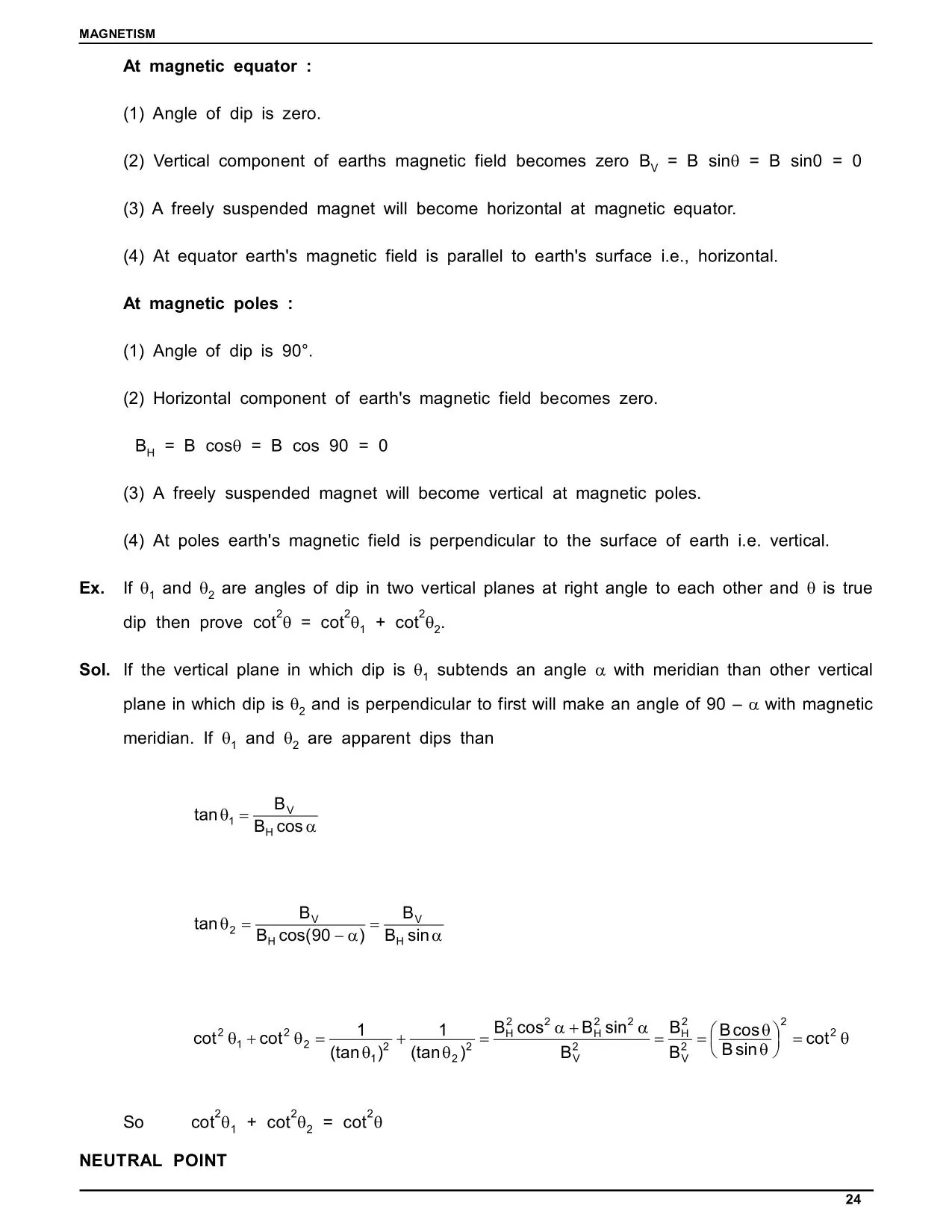
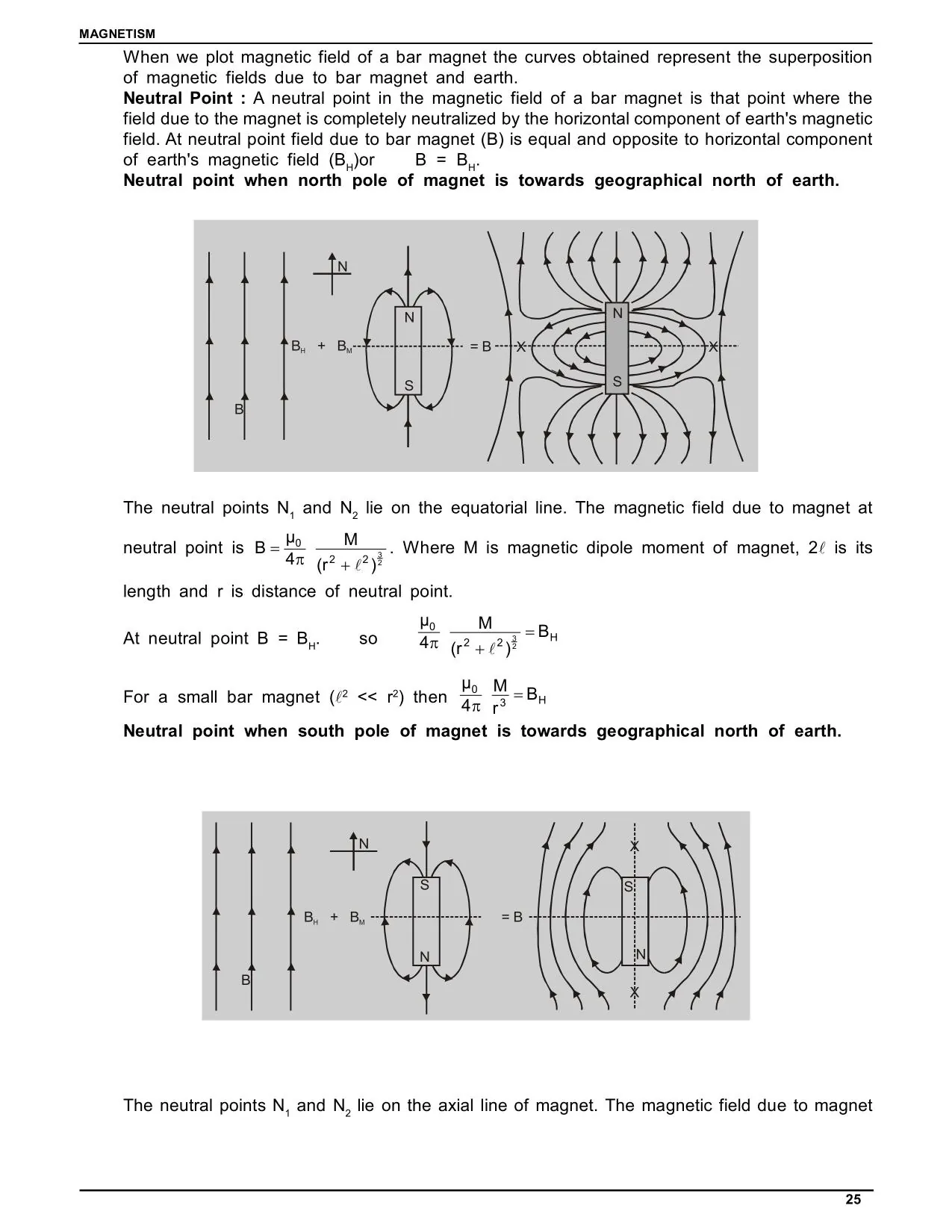
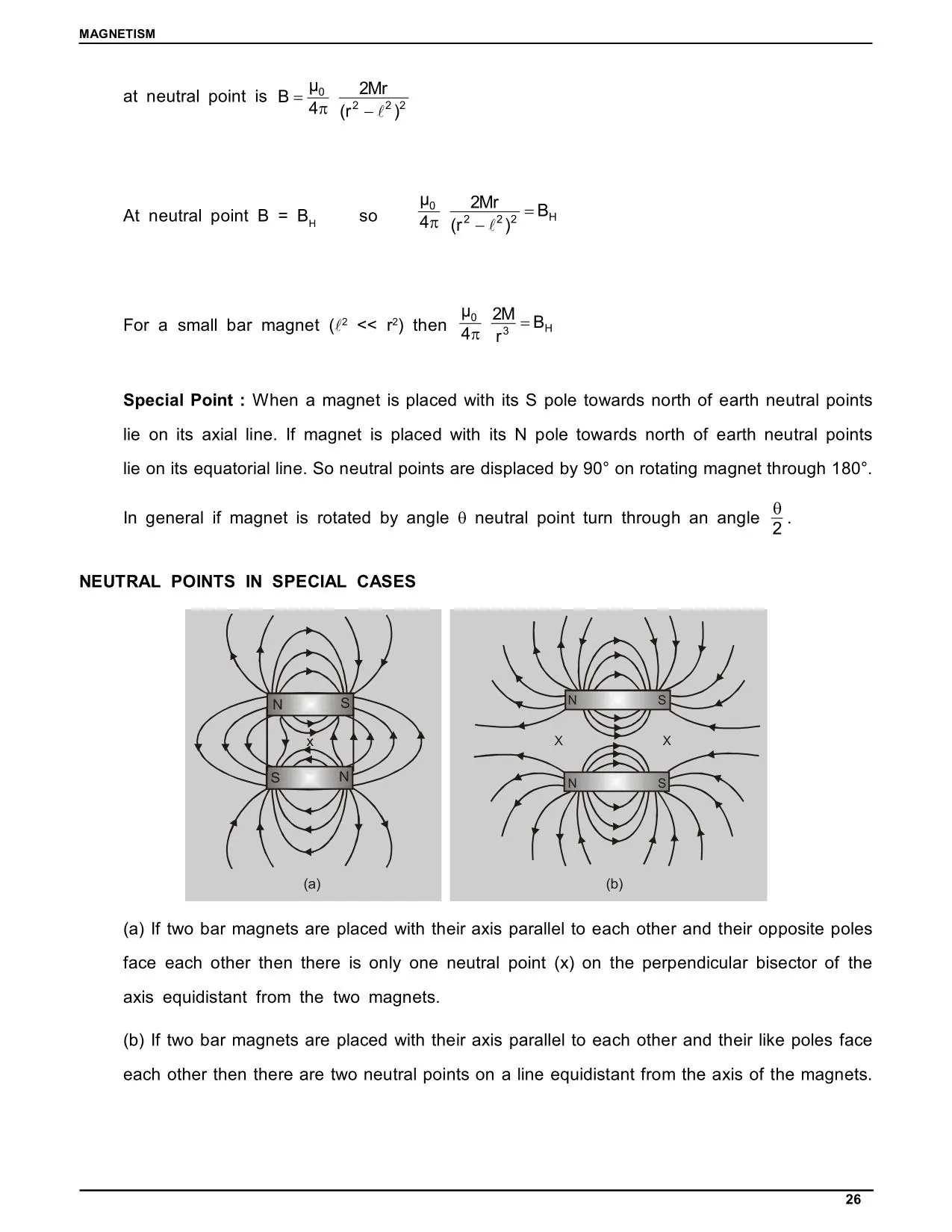
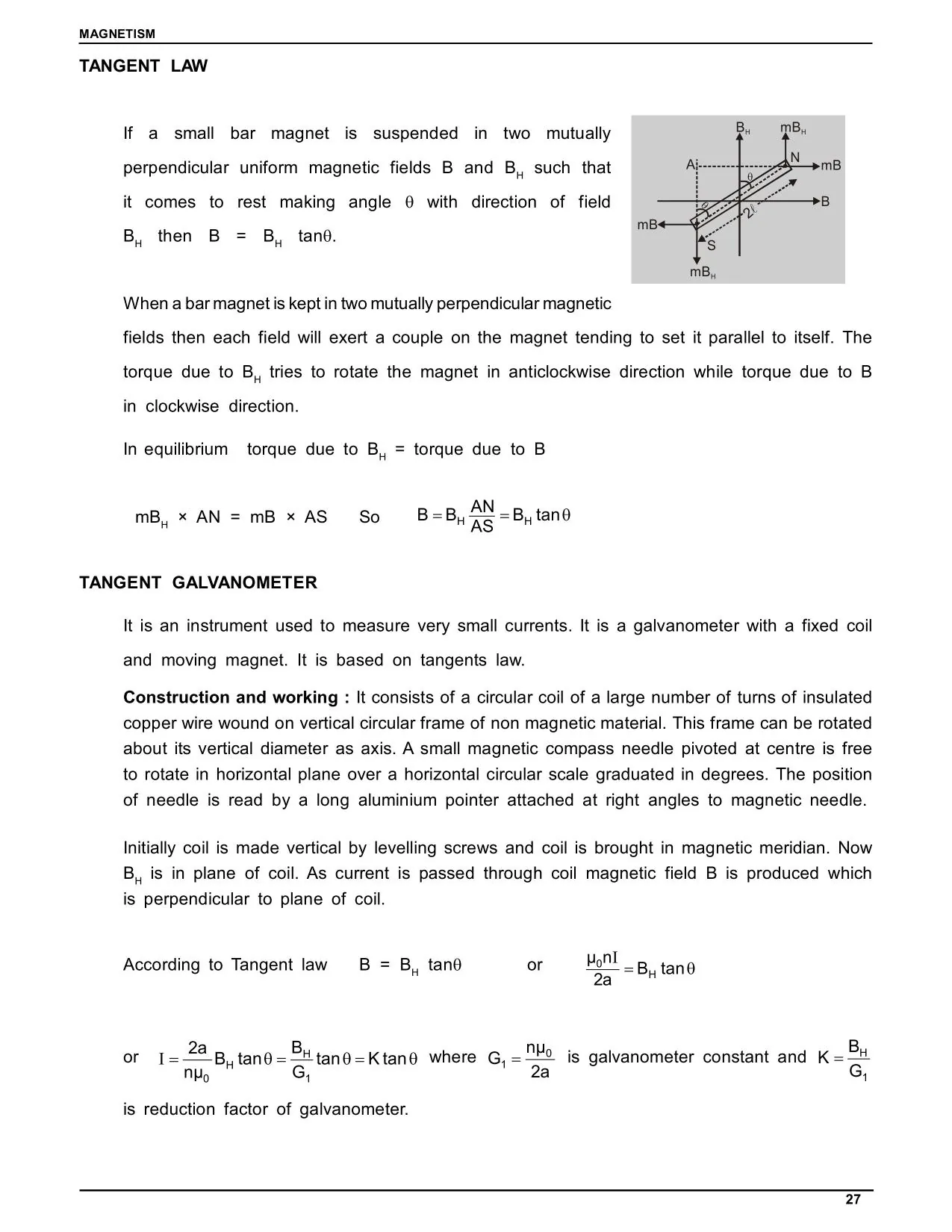
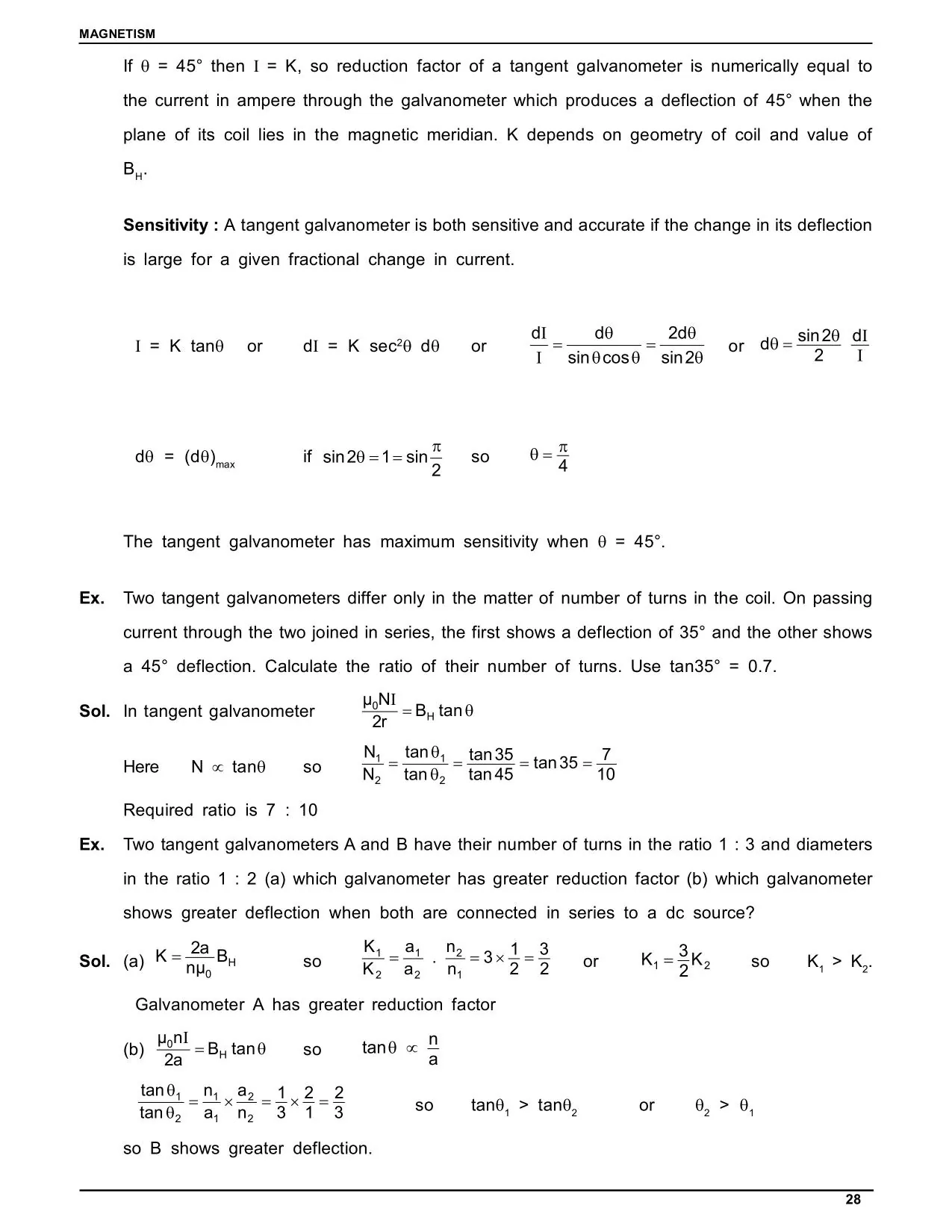
India's Best Exam Preparation for Class 12th - Download Now
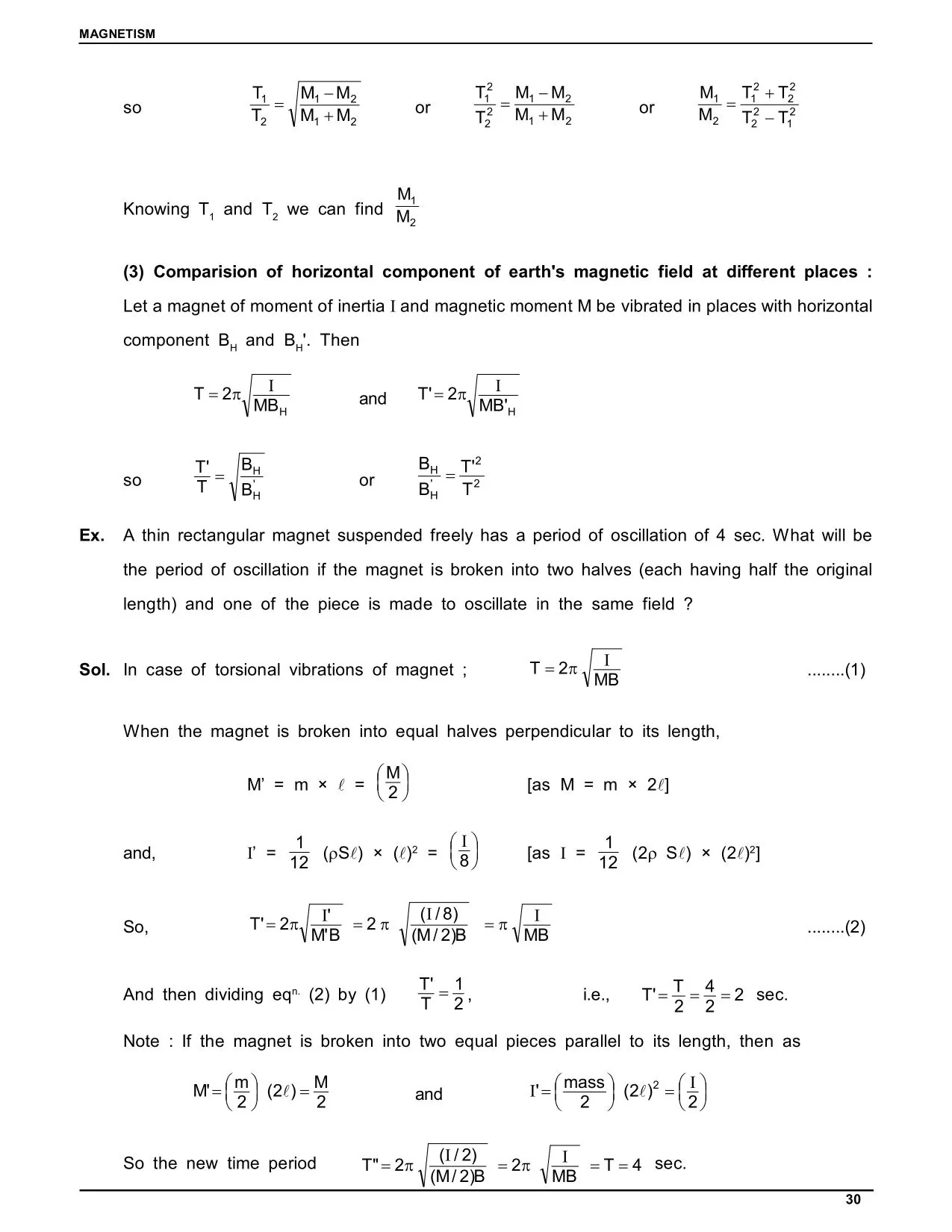
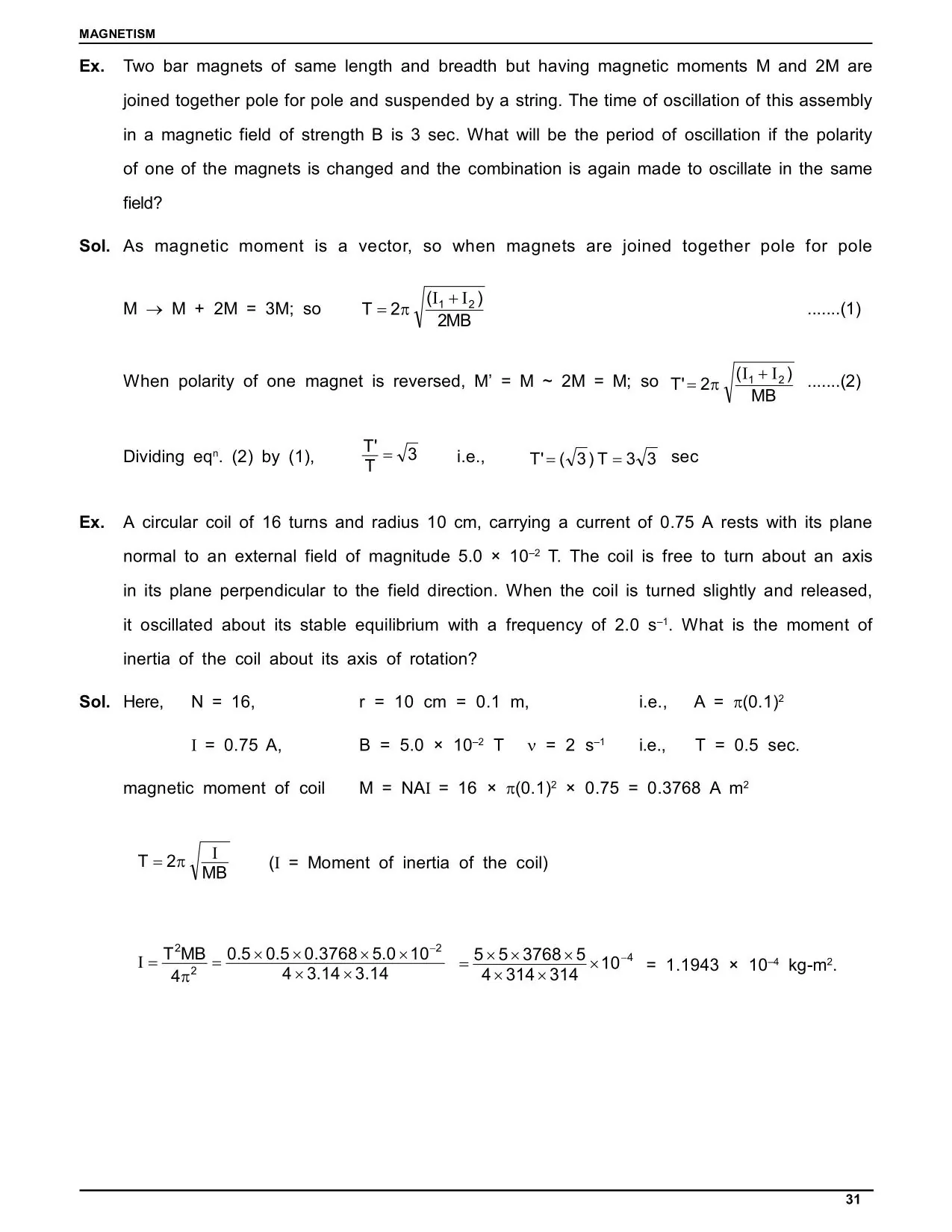
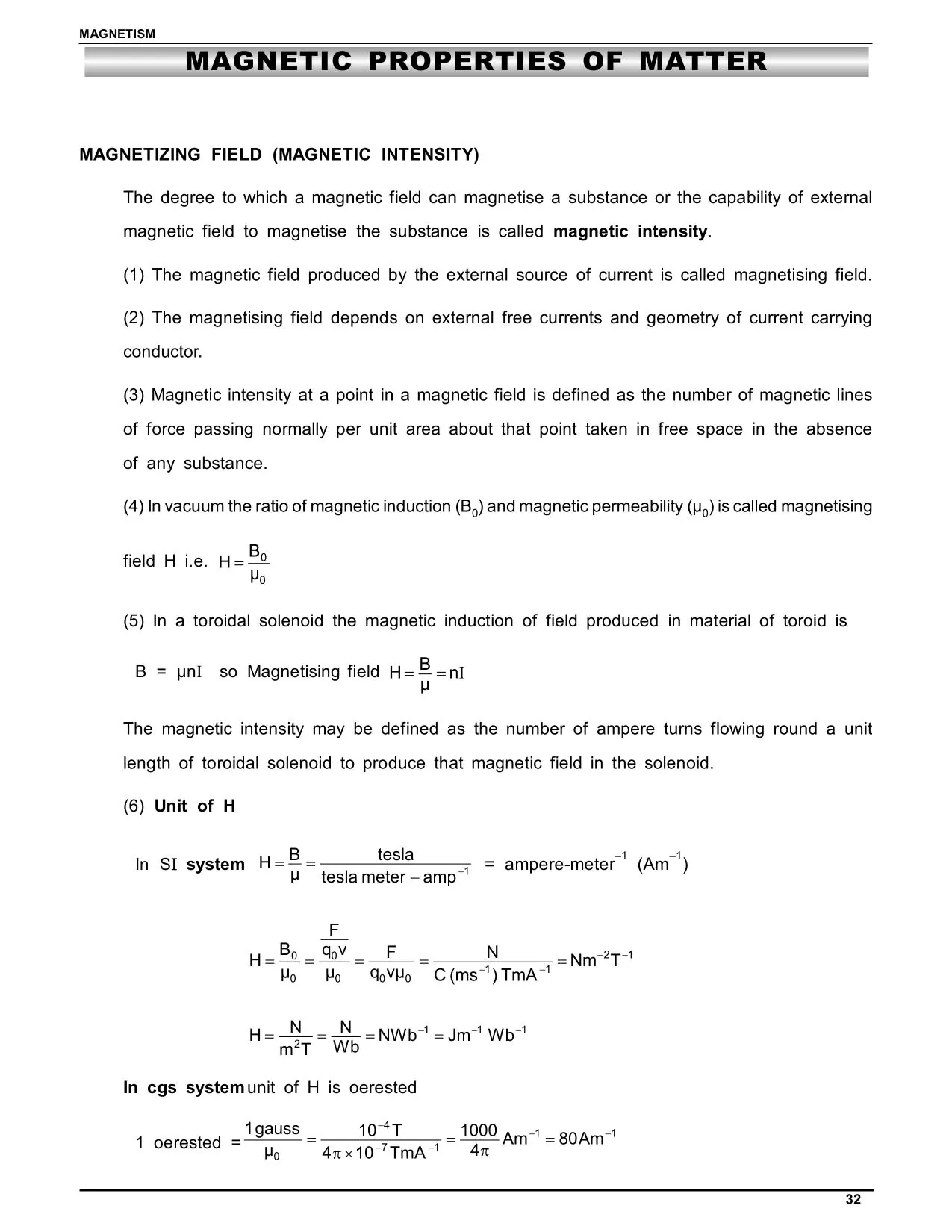
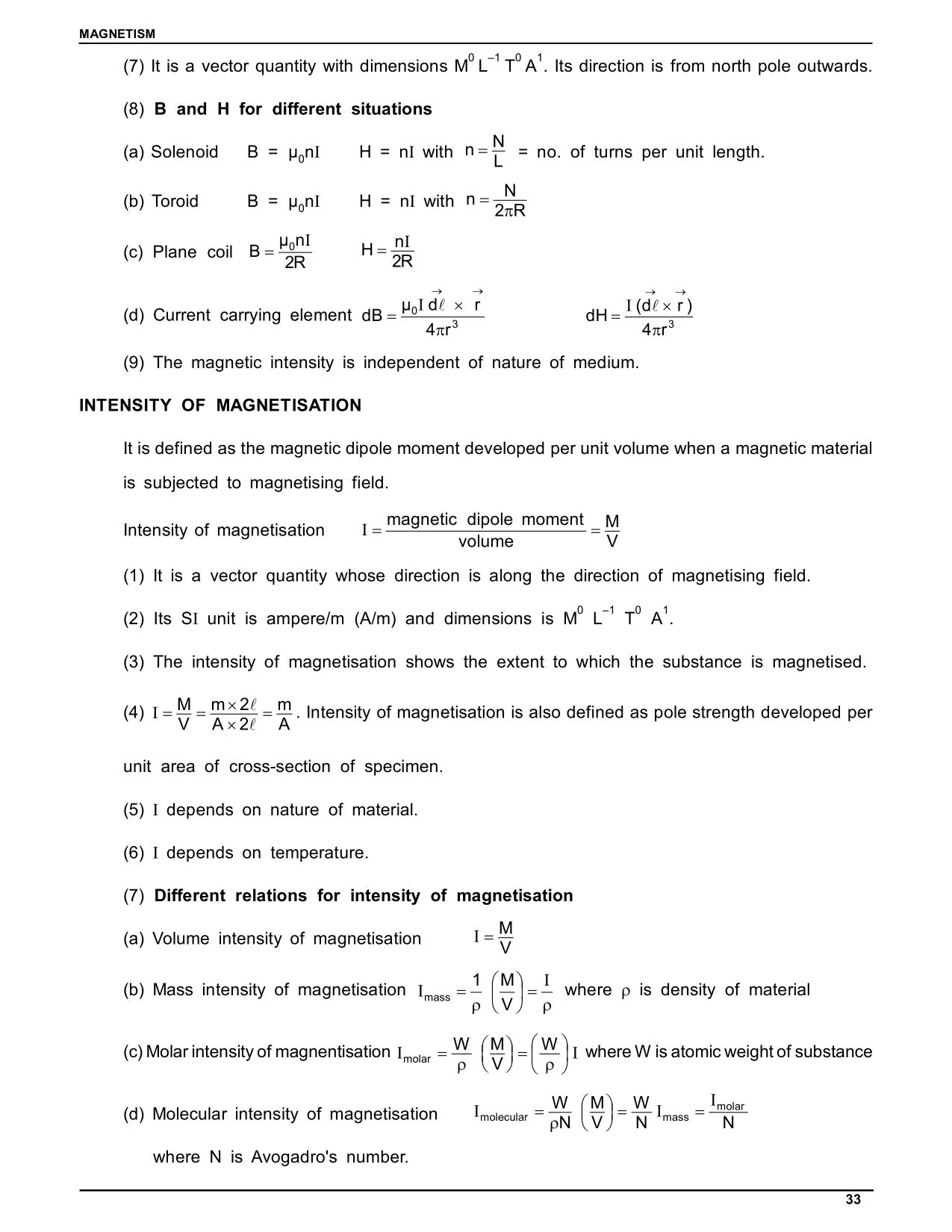
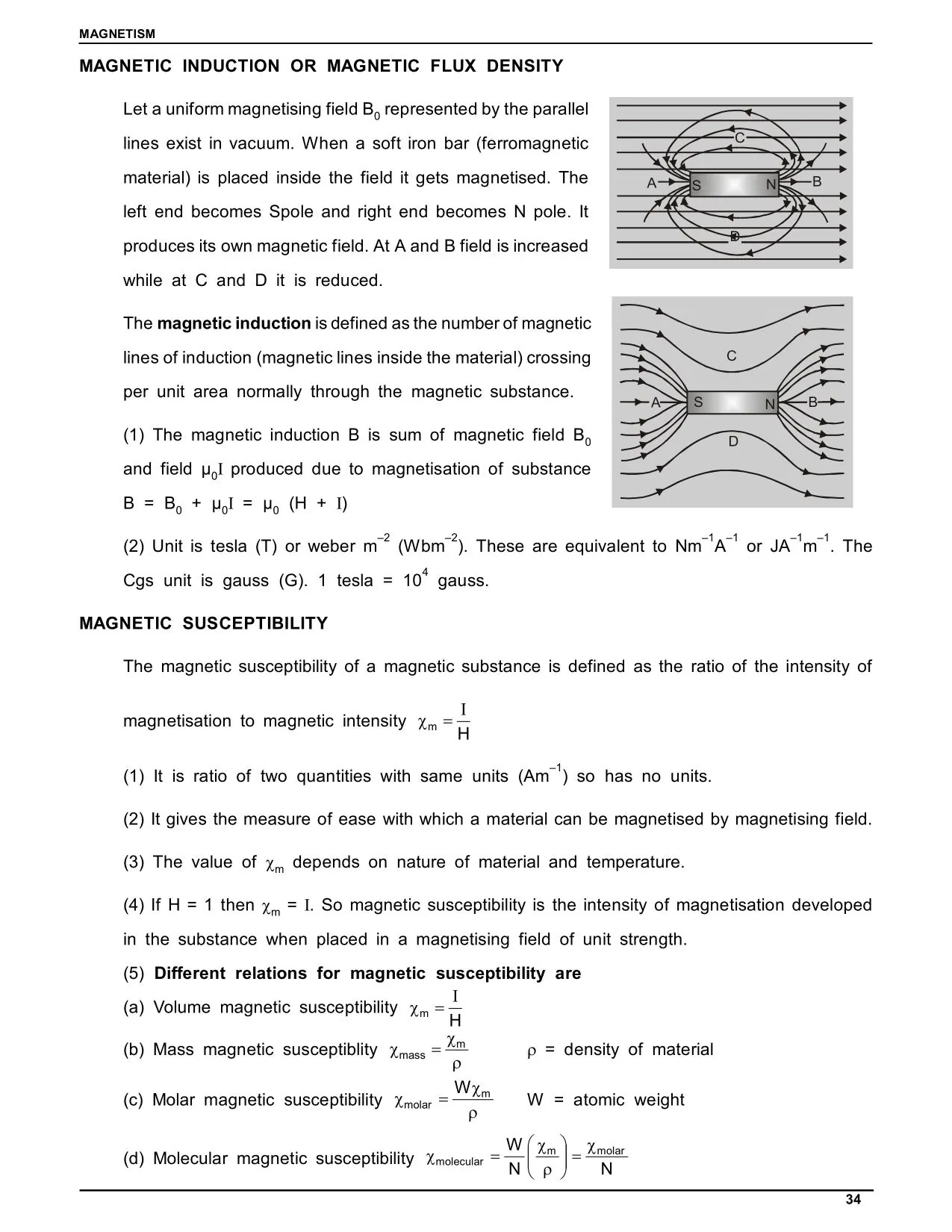
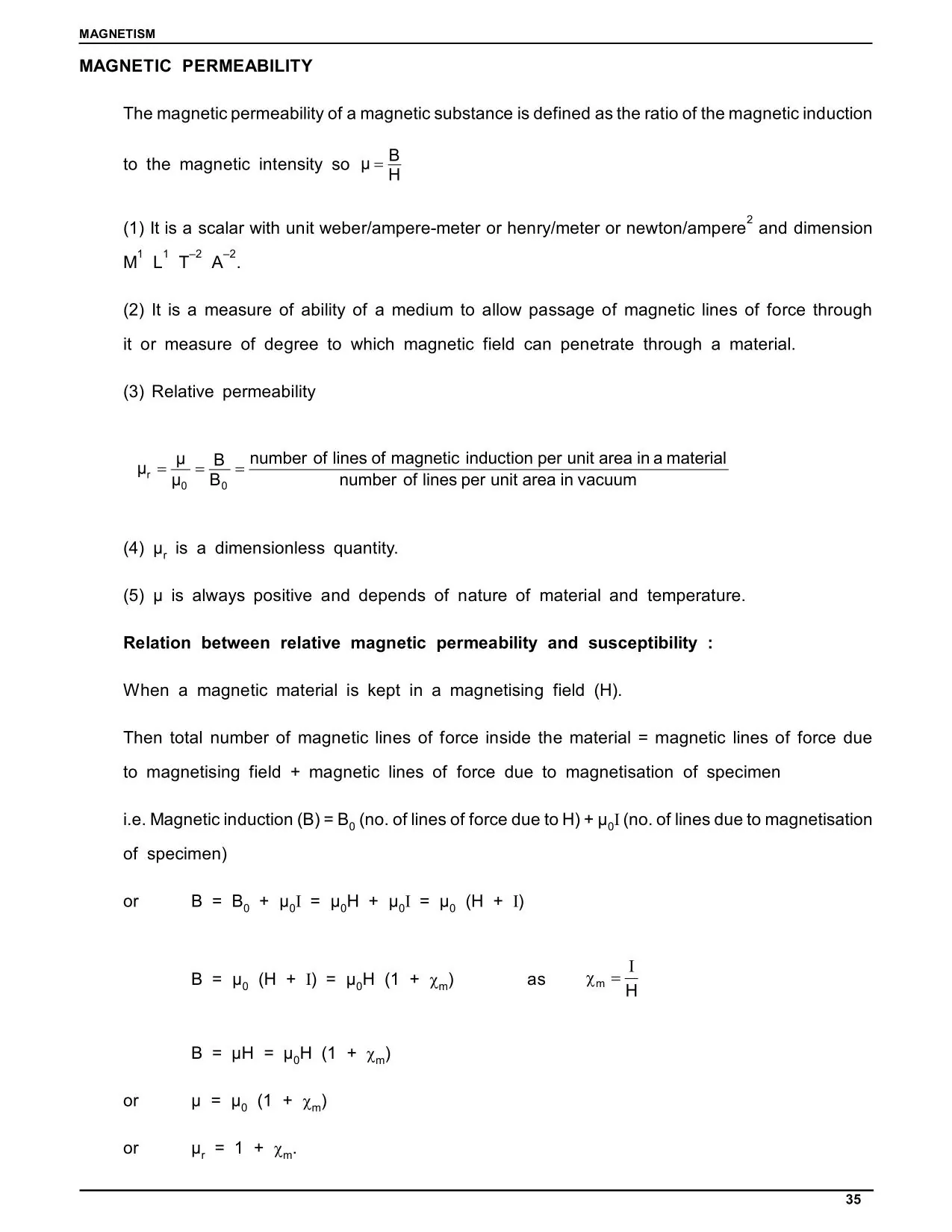
India's Best Exam Preparation for Class 12th - Download Now
 eSaral
Frequently Asked Questions
Find answers to common questions.
What is Moving Charges and Magnetism in Class 12?
Moving Charges and Magnetism is Chapter 4 of NCERT Class 12 Physics. It explains how moving electric charges produce magnetic fields, covering Biot-Savart Law, Ampere's Circuital Law, Lorentz force, the cyclotron, force on current-carrying conductors, and the working principle of a moving coil galvanometer. It carries significant weightage in both JEE Main and NEET.
What is the Biot-Savart Law and why is it important for JEE?
Biot-Savart Law gives the magnetic field produced by a small current element: dB = (μ₀/4π)(I dl sinθ/r²). It is important for JEE because it is used to derive fields due to circular loops, finite and infinite wires, and arcs. JEE Advanced problems regularly combine multiple current sources, requiring vector addition of fields calculated using this law.
What is the difference between Biot-Savart Law and Ampere's Law?
Biot-Savart Law applies to any current distribution but requires integration. Ampere's Circuital Law (∮B·dl = μ₀I) is easier to apply but only when there is high symmetry — such as infinite straight wires, solenoids, and toroids. For NEET, Ampere's Law applications (solenoid and toroid fields) are more frequently tested than direct Biot-Savart integrations.
How many marks does Moving Charges and Magnetism carry in JEE Main?
Based on NTA's official JEE Main question papers from 2019 to 2024, Moving Charges and Magnetism typically contributes 8–12 marks per paper (2–3 questions). The most tested topics are Lorentz force, the magnetic field of a solenoid, and galvanometer conversions. It is one of the highest-weightage chapters in Class 12 Physics for JEE Main.
What is the cyclotron frequency and how is it derived?
Cyclotron frequency is the frequency at which a charged particle completes circular orbits in a magnetic field: fc = qB/2πm. It is derived by equating the Lorentz force to the centripetal force (qvB = mv²/r), solving for the radius (r = mv/qB), and then using T = 2πr/v. The key result is that this frequency is independent of the particle's speed.